Here’s the thing about Europe in 2026. Everyone talks about how expensive it’s gotten. Honestly, capitals like London, Paris, and Amsterdam have priced out most normal people. You’re looking at spending roughly three thousand dollars just to keep a roof over your head and food on the table in those cities.
Yet Europe remains vast and diverse. Step outside the capital bubble and something interesting happens. Your dollars stretch further, your quality of life improves, and suddenly that fifteen-hundred-dollar budget transforms into something genuinely comfortable. The secret lies not in which country you choose but in which city within that country you select.
Porto: Portugal’s Wine Capital That Won’t Break Your Bank
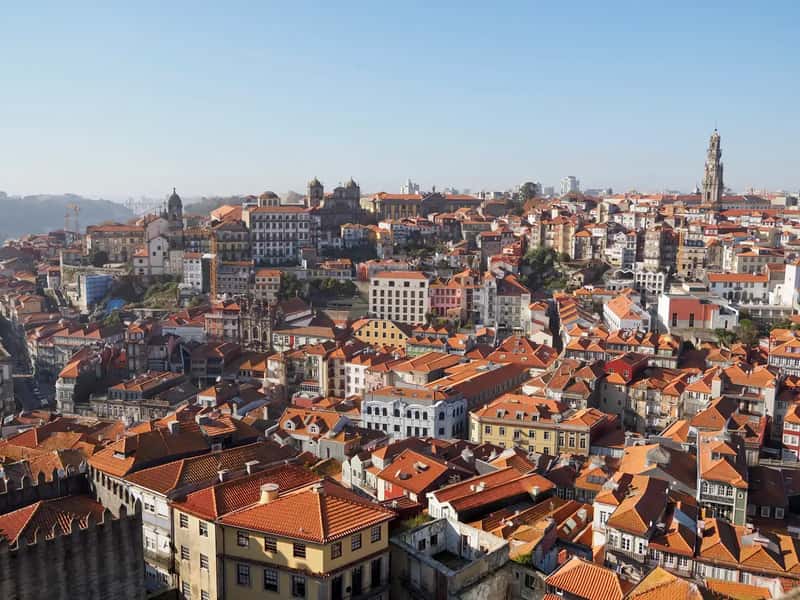
Porto stands as probably the cheapest Western European city you can visit, where you could easily get by on fifty dollars a day while experiencing everything the city offers. Think about that for a moment. While Lisbon attracts tourists by the millions and jacks up prices accordingly, Porto maintains its authentic character without the capital’s price inflation.
A single person can expect average monthly expenses in Porto to range from roughly fourteen hundred to seventeen hundred dollars, including rent. Porto can save you between twenty and thirty percent monthly compared to Lisbon, especially in housing and dining. The riverside Douro district enchants visitors without demanding London prices, and the port wine cellars offer experiences starting around fifteen euros.
Local markets like Mercado do Bolhão provide quality groceries at lower prices than supermarkets. You’ll pay just one to two dollars for a small beer in most cafés, and about the same for a glass of wine. The city’s compact size means you can walk most places, saving transportation costs while discovering hidden alleyways and riverside views.
Valencia: Spain’s Mediterranean Gem Without Barcelona’s Price Tag

Valencia frequently gets overlooked while travelers flock to Barcelona or Madrid. That oversight creates opportunity for budget-conscious expats. A single person lives comfortably on fifteen hundred to eighteen hundred dollars per month, covering rent for a one-bedroom flat, groceries, transport, and leisure.
The estimated monthly costs for a single person are roughly seven hundred euros, excluding rent. Housing remains remarkably affordable outside the historic center. Renting a studio or one-bedroom apartment in the city center costs around nine hundred fifty dollars per month, while areas outside the city center start at seven hundred fifty dollars.
Let’s be real about Spanish living. A meal at an inexpensive local restaurant typically costs fifteen to twenty dollars per person, while fast food meals run between five and eight dollars. The city’s three thousand five hundred restaurants mean you’ll never run out of dining options. Public transport passes cost approximately thirty-five dollars monthly, and Valencia’s bike-friendly infrastructure offers an even cheaper alternative.
Krakow: Medieval Beauty Meets Modern Affordability
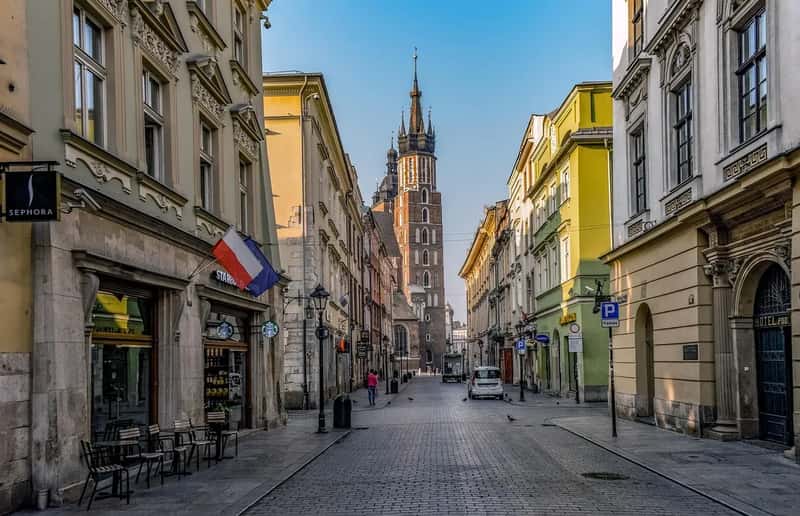
Poland’s former royal capital delivers stunning architecture and vibrant culture at prices that seem almost fictional to Western Europeans. The average cost of living in Krakow runs around fifteen hundred eighty dollars, putting it squarely within budget for comfortable living.
Kraków offers cobblestone streets, medieval architecture, and an electric cultural scene, with the cost of living remaining low. Compared to major Western European cities, the cost of living here is remarkably low. You can feast on pierogi for pocket change and explore Europe’s largest town square without spending anything.
Krakow is cheap: the hostels are cheap but still of great quality, the alcohol is cheap, and the food is cheap. The city’s UNESCO World Heritage center, Wawel Castle, and proximity to Auschwitz-Birkenau make it culturally significant. Students and digital nomads have discovered this gem, creating a thriving international community that keeps things interesting.
Brno: Czech Republic’s Underrated Second City
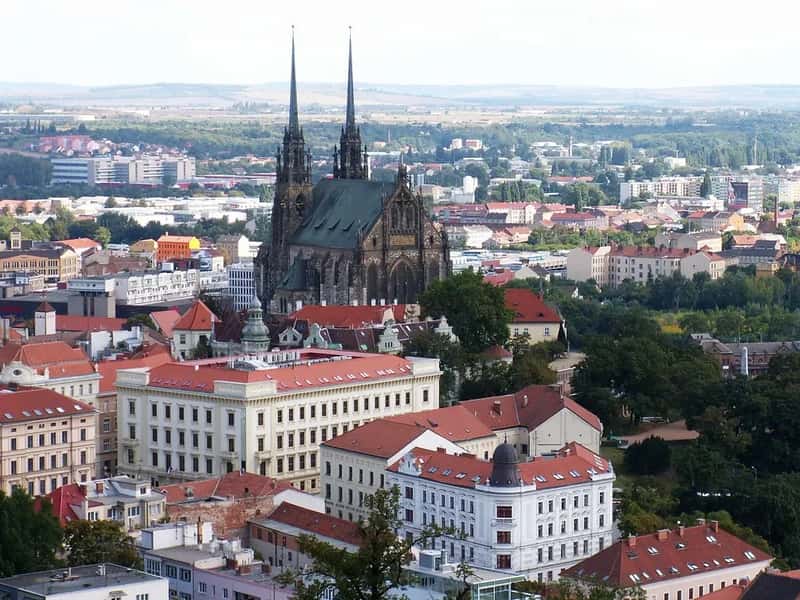
While Prague dominates travel itineraries and prices creep higher each year, Brno offers Czech culture without the tourist inflation. Czech Republic remains one of Europe’s more affordable options outside the capital, and in Brno you can rent a one-bedroom apartment in the city center for roughly four hundred fifty to five hundred dollars.
In these cities, you can rent a one-bedroom apartment for three hundred to four hundred dollars per month, and transportation is efficient and cheap, with a monthly public transport pass costing just twenty dollars in Brno. The city’s university population keeps café culture alive and prices reasonable. Gothic cathedrals sit alongside brutalist architecture from the communist era, creating visual interest around every corner.
Smaller cities like Olomouc and České Budějovice offer even better value while maintaining good infrastructure. The Czech beer culture means quality local brews cost less than bottled water in many Western cities. Public transport connects you efficiently to Vienna and other regional hubs, expanding your exploration possibilities without requiring car ownership.
Plovdiv: Bulgaria’s Ancient City With Modern Savings
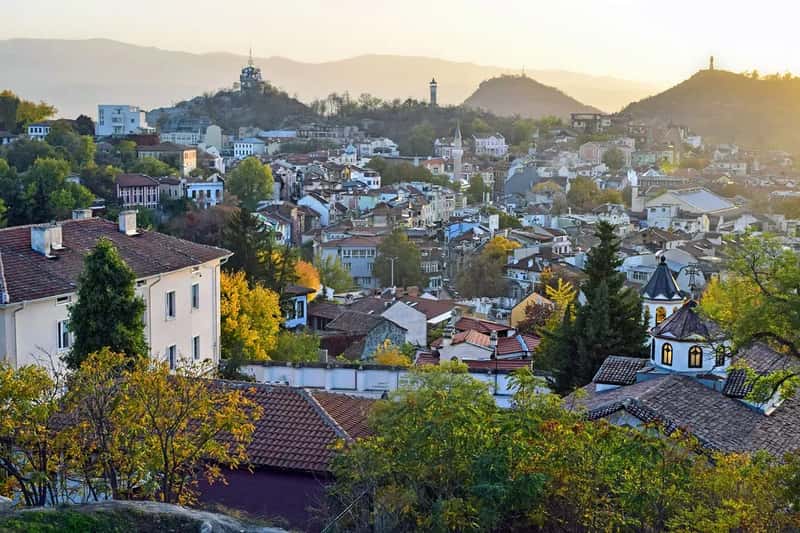
Living costs in Bulgaria are impressively low outside the capital, and in Plovdiv or Veliko Tarnovo, you can rent a one-bedroom apartment in the center for just two hundred fifty to three hundred dollars. Let that sink in. A furnished apartment in a city with Roman ruins and vibrant arts scenes costs what you’d spend on groceries alone in Amsterdam.
Monthly expenses for a couple, including utilities, groceries, occasional eating out, basic transportation, and entertainment typically stay within one thousand dollars. Groceries are incredibly affordable, with staples like bread at sixty cents per loaf and seasonal fruits and vegetables costing far less than in Western Europe.
Bulgaria adopted the euro in early 2026, simplifying transactions while prices remain dramatically lower than elsewhere in the Eurozone. This year is big for visiting any Bulgarian city, not only because the country has just adopted the euro as its currency, but because it launched a new digital nomad visa in December 2025. The ancient Roman theater in Plovdiv’s old town hosts summer concerts under the stars, creating experiences money can’t buy, regardless of budget.
Riga: Baltic Charm Without Scandinavian Prices
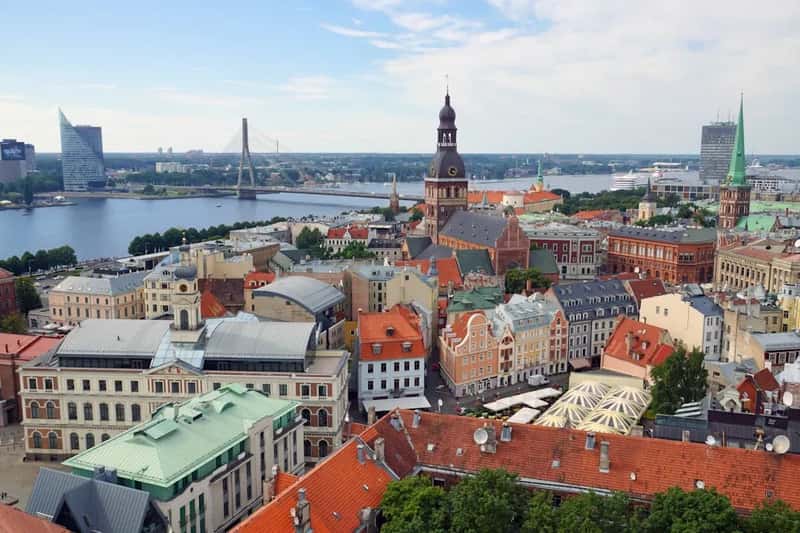
Latvia’s capital technically counts as a capital, but its cost structure differs dramatically from Western European counterparts. Riga has been named the most budget-friendly city in Europe for 2025, with accommodation averaging around fifty-nine dollars for a one-bedroom apartment, while a pint of beer costs roughly three dollars and thirty cents.
Living in Riga is incredibly affordable, especially compared to other European capitals, where a good meal for two at a mid-range restaurant costs around thirty to forty dollars, and a pint of domestic beer is usually under three dollars. The Old Town’s UNESCO World Heritage status means cobblestone streets and art nouveau architecture provide free visual entertainment daily.
St. Peter’s Church offers panoramic city views for just nine euros, arguably the best tourist dollar value in Europe. The Old Town is a UNESCO World Heritage Site with charming medieval architecture that you can explore completely for free. The city surprised many visitors with cultural depth beyond initial expectations, and proximity to the Baltic Sea adds beach access during the summer months.
Budapest: Thermal Baths and Reasonable Budgets
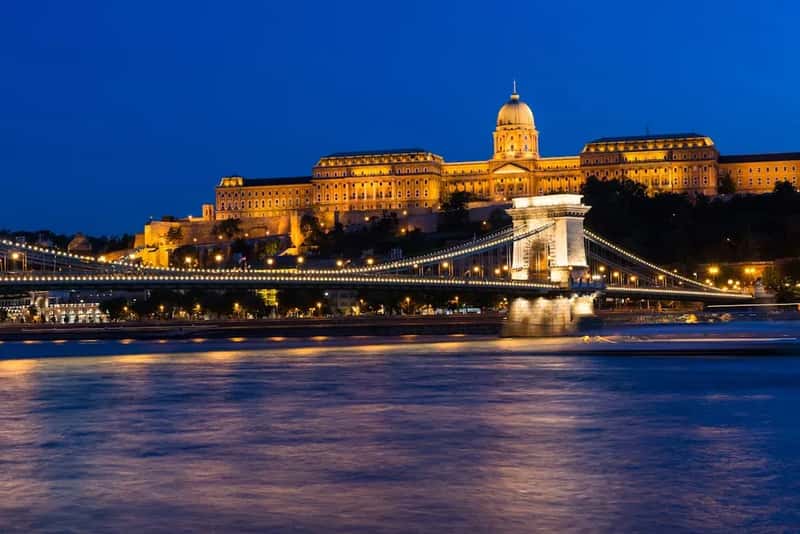
Budapest remains one of Europe’s most budget-friendly capital cities in 2026, approximately forty-seven percent cheaper than Western European capitals like Paris or London, with budget travelers able to enjoy the city for twenty-four to fifty dollars per day. That statistic alone justifies serious consideration.
The Danube River splits Buda and Pest, creating dramatic riverside views of Parliament and castle districts without entrance fees. Budapest offers one of the most dramatic riverfronts in Europe, with Parliament glowing over the Danube and Buda Castle perched on a hill, yet meals, wine, transit passes, and cultural attractions all come at traveler-friendly prices, while thermal baths like Széchenyi, Gellért, and Rudas offer day-long relaxation for a fraction of Western spa costs.
Ruin bars in the Jewish Quarter provide unique nightlife experiences where creativity matters more than expensive décor. Markets sell paprika, sausages, and local wines at prices that seem transplanted from decades past. Budapest is pretty cheap by European standards and is one of the prettiest cities in Europe and one of the cheapest cities to live and travel in the EU.
Thessaloniki: Greece’s Northern Alternative to Island Prices
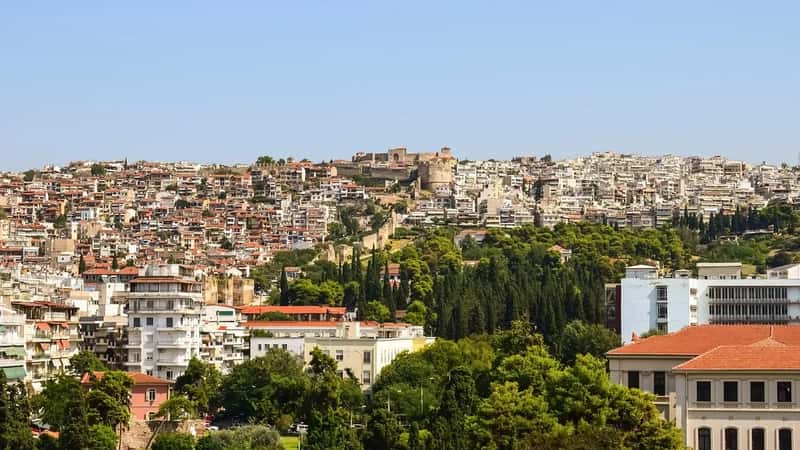
Greece’s second city offers a Mediterranean lifestyle without Santorini’s tourist markup or Athens’ capital costs. Thessaloniki distinguishes itself as one of Europe’s most budget-friendly cities, attributed to its reasonable living costs, array of affordable accommodations, and plentiful dining options that cater to all budgets.
This vibrant city offers a wealth of cultural and historical experiences at minimal expense, including many free attractions. The waterfront promenade stretches for kilometers, perfect for sunset strolls that cost nothing but time. Byzantine churches dot neighborhoods, offering glimpses into Orthodox Christianity’s architectural heritage.
Greek tavernas serve mezze plates and fresh seafood at prices that shock visitors from Northern Europe. University students keep café culture alive and affordable, creating social spaces where coffee costs less than public transport in London. The city’s compact center means walkability remains high, and proximity to beaches adds summer appeal without resort pricing.
Living Smart: Making Your Budget Work Harder
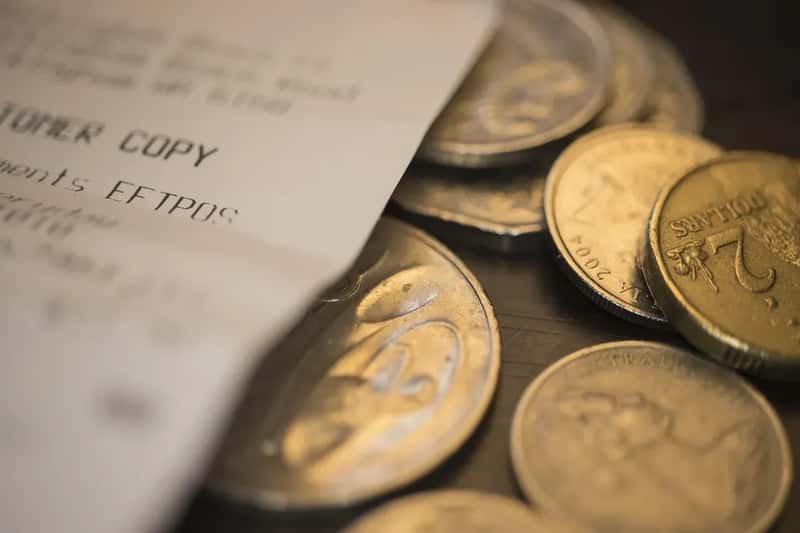
Eastern cities remain far cheaper, with renting a comparable one-bedroom running roughly five hundred fifty dollars in Sofia, six hundred dollars in Tallinn or Zagreb, and six hundred forty-nine dollars in Budapest. Compare those figures to nearly three thousand dollars in London or over two thousand five hundred in Zurich, and the value proposition becomes crystal clear.
In the cheapest European countries, living costs can range from just six hundred to one thousand dollars per month, particularly outside the capital cities. Smart location choices within countries matter as much as country selection itself. A fifteen-hundred-dollar budget that barely covers rent in Paris transforms into comfortable living with savings potential in cities like Plovdiv or Brno.
Monthly living costs of one person in Norway run around eleven hundred twenty-five euros, versus someone living in Bulgaria at six hundred six euros. That nearly fifty percent difference compounds monthly, turning budget constraints into financial breathing room. Remote workers earning Western salaries while living in Eastern European cities essentially arbitrage cost-of-living differences, a strategy more people discovered during the pandemic years.
The Royal Treatment on a Regular Budget
Living like royalty doesn’t require royal wealth when you choose wisely. These eight cities provethat location strategy matters more than raw budget size. Things are getting more and more expensive across Europe, and many reliably cheap cities aren’t so cheap anymore, but if budgets are tight this year, there’s still plenty of spots that won’t break the bank.
The fifteen-hundred-dollar budget unlocks quality Mediterranean meals, central European culture, and Baltic charm when deployed outside capital cities. Porto’s riverside cafés, Valencia’s paella festivals, Kraków’s medieval squares, Plovdiv’s Roman theaters, and Budapest’s thermal baths all become accessible. You’re not sacrificing quality for affordability. You’re choosing authenticity over tourist traps.
Europe’s true gems hide in plain sight, overshadowed by capital city glamour but offering richer experiences to those willing to look beyond the obvious. Your budget determines less than you think. Your choices determine everything. So tell us, which of these cities surprises you most with its affordability?