Ever wonder why some cuisines leave your mouth on fire while others barely make your taste buds tingle? Food is deeply personal. The heat we crave or avoid reflects not just flavor preferences, but geography, climate, and centuries of culinary evolution.
From the chili-packed kitchens of Southeast Asia to the butter-based comfort foods of Northern Europe, the spectrum of spiciness is vast. Let’s explore which countries turn up the heat – and which keep things refreshingly mild.
Thailand: Where Spice Is a Way of Life

Thailand is frequently considered to have the spiciest food in the world. Walk into any authentic Thai restaurant, and you’ll see what I mean. The Thai threshold for spicy is much higher thanin most countries, and what foreigners consider extremely spicy is usually just another flavor for the locals.
A 2023 study by Chulalongkorn University measured Tom Som Pla (spicy fish soup) at 1,000,000 SHU – significantly hotter than standard green curry (500,000 SHU). That’s not a typo. We’re talking about heat levels that would make most people sweat profusely. Think about it: dishes like Tom Yum soup and Som Tam (papaya salad) are packed with bird’s eye chilies, and locals eat them like it’s nothing.
There are several ways to circumvent spicy food at a Thai restaurant in Europe or North America, but it is a lot harder to find unspiced food in Thailand. The climate plays a role here, too. Hot, humid weather and readily available peppers have shaped centuries of cooking traditions that celebrate intense, fiery flavors.
India: The Land of Layered Heat
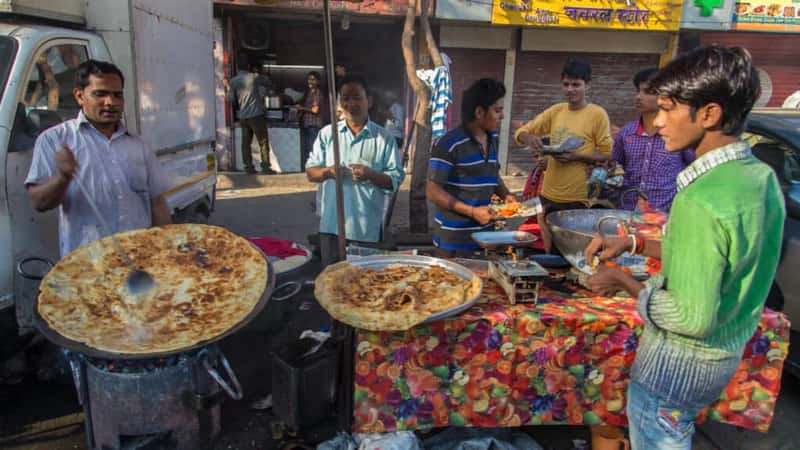
India’s relationship with spice runs deep. Indian cuisine is known both for its rich flavor profiles and frequent use of spicy ingredients like peppers. The thing is, Indian heat isn’t just about burning your tongue – it’s about complexity.
North Indian Phaal curry holds the verified record for hottest traditional cuisine at 1,000,000+ SHU, using a precise blend of Bhut Jolokia (855,000-1,463,000 SHU) and Naga Morich chilies processed through traditional stone grinding. This isn’t your average restaurant curry. Honestly, even seasoned spice lovers approach Phaal with respect – and maybe a glass of milk nearby.
Regional variation matters hugely in India. The spiciest Indian food comes from Rajasthan, Punjab, and especially the Mughlai, a region in northern India where the Mughal Empire left a strong cultural legacy, also in the kitchen. Meanwhile, Goan vindaloo and dishes from Andhra Pradesh are notorious for their intense heat levels that can surprise even experienced eaters.
England: Centuries of Conquest, Not Much Spice

Here’s the thing about English food. One person sums it up as: “They spent centuries conquering the world in search of spices and decided not to use any of them.” It’s a bit cheeky, but there’s truth to it. Traditional British cuisine leans toward simplicity.
Traditional British cuisine includes dishes like fish and chips, roast dinners, and pies, but it is often criticized for being bland. The weather plays a role – colder climates historically meant fewer fresh spices grew locally. Root vegetables, potatoes, and meats formed the backbone of the national diet. English food has long been characterized by its relative lack of spices, despite hundreds of years of worldwide exploration, with fish and chips being an exception, but most traditional meals have been viewed as dull and unseasoned by both natives and foreigners.
That said, modern Britain has embraced international flavors. Immigration has transformed the food scene, and now cities like London boast incredible Indian, Thai, and Middle Eastern restaurants. Still, when we talk about traditional English cooking? It keeps things decidedly mild.
Ireland: Simple, Hearty, and Unspiced

Irish cuisine shares similarities with its British neighbor when it comes to spice levels – or lack thereof. England is not known for its amazing cuisine, and they do have some bright spots like fish and chips, but most of it really is quite bland. The same general sentiment applies to Ireland’s traditional food culture.
The Irish diet historically centered on potatoes, dairy, root vegetables, and seafood. Think stews, soda bread, and hearty breakfasts. There’s beauty in simplicity, and Irish cooking excels at comfort rather than heat. The climate doesn’t support growing peppers or tropical spices, so the cuisine evolved around what thrived in cool, rainy weather.
Irish cuisine’s roots are similar to those of Japanese cuisine in some ways – both use local ingredients like seaweed and fermentation, but as a localized version. It’s about celebrating what the land and sea provide, not masking flavors with spice. Modern Ireland has seen an explosion of international restaurants, but traditional Irish dishes remain reassuringly mild.
Iceland: Bland, Expensive, and Unapologetic

Let’s be real – Iceland’s food gets a bad rap. The food in Iceland is often described as bland and overpriced, which can leave visitors disappointed and frustrated after a long day of exploring, as the landscape and scenery are typically so breathtaking and full of excitement that the food doesn’t quite live up to it. It’s tough when the natural beauty overshadows the cuisine.
Iceland’s national dish, hákarl, fermented Greenland shark, doesn’t taste that great, and it’s poisonous until it’s been fermented for five to six months. That’s not exactly a ringing endorsement. The harsh climate and limited agricultural capacity mean Icelandic food historically relied on preservation techniques – fermentation, drying, and smoking – to survive long winters.
Traditional dishes include boiled fish, lamb, and root vegetables. Spices? Nearly nonexistent. The food reflects survival and practicality rather than bold flavors. Visitors often find themselves paying premium prices for meals that taste, well, underwhelming. The good news? The scenery more than makes up for it.
Heat levels in food aren’t just about taste – they tell stories of climate, trade routes, and cultural identity. Thailand and India have built entire culinary traditions around the fiery kick of chilies, creating dishes that challenge and excite. Meanwhile, England, Ireland, and Iceland have stuck with milder, more straightforward flavors shaped by colder climates and different agricultural realities.
Next time you’re sweating over a Thai curry or enjoying a simple Irish stew, remember: there’s no right or wrong level of spice. It’s all about what feels like home on your plate. What’s your heat tolerance – are you team fire or team mild?