Summer travel is supposed to feel like freedom. The open sky, the promise of a new destination, the excitement of the unknown. But for millions of Americans in 2026, the airport experience itself has become the nightmare before the vacation even begins. Delays stacking on top of delays, security lines stretching past the hour mark, and immigration queues that could honestly make you question if flying was ever a good idea.
The data tells a very clear story. Some 248 million domestic passengers experienced flight disruptions in 2025. That’s not a rounding error. That’s a national crisis. Some airports, though, are dramatically worse than others, and savvy travelers heading into summer 2026 are already rerouting around them. Here are five airports driving that trend. Let’s dive in.
1. Newark Liberty International Airport (EWR): America’s Most Stressful Hub
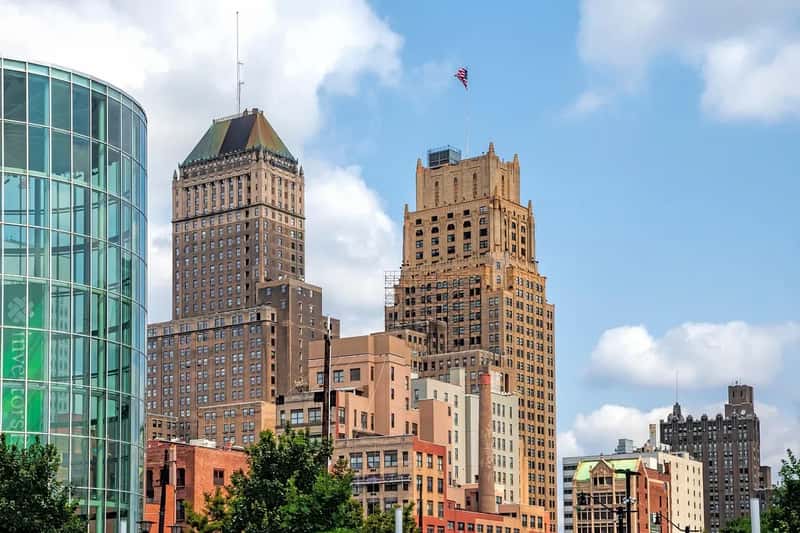
If there’s one airport that perfectly captures everything broken about U.S. aviation right now, it’s Newark. Newark Liberty International Airport has been ranked the world’s most stressful airport in 2026, scoring a dismal 18.46 out of 100 on the stress index, published by Condé Nast Traveler. That number is almost hard to believe until you’ve actually stood in its departure hall.
The study analyzed 50 major global airports across critical factors including flight delays, averaging 21.4-minute departure delays, cancellations at a 1.43% rate, security wait times with only 70% positive reviews, and customs and immigration efficiency – the worst in the world at just 66% satisfaction. That’s not mediocre. That’s last place, globally.
Acting FAA Administrator Chris Rocheleau addressed the group of airline representatives, explaining that aging equipment, staffing shortages, ongoing runway construction, and severe congestion at the airport necessitate schedule modifications. In other words, this is a structural mess, not a bad week.
In response to repeated congestion and safety concerns, the FAA introduced operational limits at Newark in 2025, and these restrictions were later extended through October 24, 2026. Just this month, a wave of disruption left travelers stranded at Newark Liberty International Airport as United, Republic, GoJet, Lufthansa, Spirit, and other airlines faced 100 flight cancellations and over 200 delays, shaking major air routes across the United States and Europe. Honestly, if you’re flying this summer and Newark is an option – it’s worth asking if it has to be.
2. Dallas Fort Worth International Airport (DFW): The Delay Capital of America
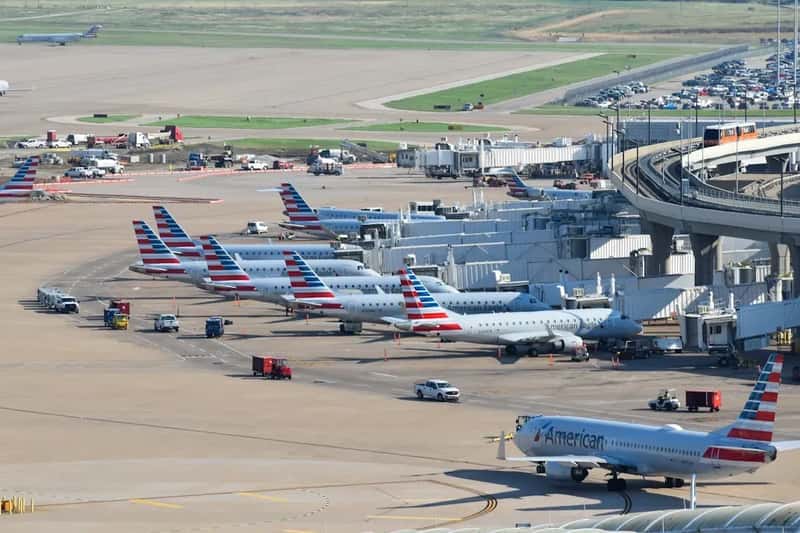
Texas is big, and so are its problems at DFW. Dallas Fort Worth had the highest delay rate in the country at 27.5% of flights delayed, according to SkyRefund’s analysis of 2025 DOT data. Nearly one in three flights. Think about that the next time you book a tight connection through this airport.
Dallas/Fort Worth International, as one of the busiest hubs, is significantly affected by frequent thunderstorms, especially during spring and summer, contributing to its high delay rate. Weather is always part of the equation in Texas, but weather alone doesn’t explain a year-round ranking at the bottom of performance charts.
Dallas/Fort Worth International Airport has some work to do to ease passenger stress during the peak holiday travel season. A European tour company compared 30 major airports across several stress-inducing flight factors, such as security wait times, flight delays, cancellation rates, passenger traffic, and average airfare prices. Out of all 30 airports, DFW Airport landed at the bottom, as the 30th “least stressful” American airport, with more flight delays and cancellations than most other major U.S. airports.
As recently as March 21, 2026, major disruption hit Dallas Fort Worth International Airport with around 280 delays and 30 cancellations as Spring Break travel surged, weather issues, and staffing shortages continued to impact flights across Texas. Summer is going to be no kinder. FAA capacity restrictions continue, creating the potential for a summer travel crisis.
3. Los Angeles International Airport (LAX): The Immigration Waiting Game
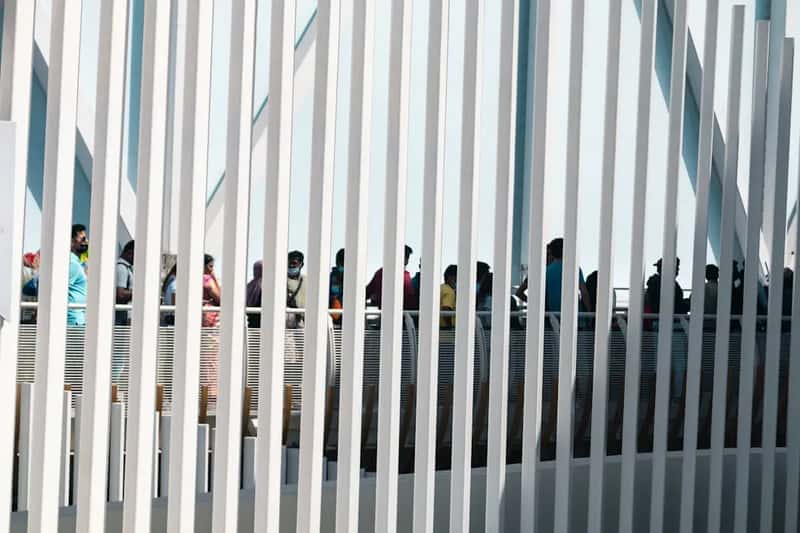
LAX gets a complicated review. On pure domestic on-time performance it has improved noticeably. Los Angeles International had the lowest domestic delay rate in the country at 17.1% of flights delayed. That’s actually a reason to feel slightly better about it. Slightly.
The picture changes completely the moment you talk about international arrivals. Topping the list of worst airports for international summer travel is Los Angeles International Airport, where travelers wait an average of 31.8 minutes before reaching a CBP officer. Non-U.S. citizens experience delays averaging 43.7 minutes compared to 22.3 minutes for citizens.
Only 27.6% of international travelers at LAX wait less than 15 minutes, and 12.8% face waits exceeding an hour – the second-highest share in the dataset. So if you’re a non-U.S. citizen flying into LAX in July, pack your patience like it’s carry-on. You’re going to need it.
When it comes to long immigration lines, the airport you arrive at matters far more than your travel time. While arriving during off-peak hours can shave a few minutes off your wait, the choice of airport is the most important factor in determining how long it takes to clear immigration and customs. For summer 2026, LAX remains a gamble at the international arrivals level.
4. Chicago O’Hare International Airport (ORD): The Domino Effect Machine
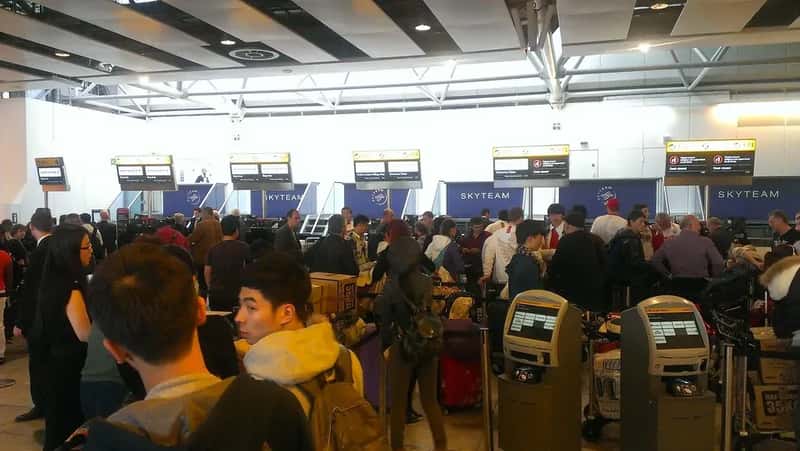
Let’s be real – O’Hare has been on someone’s “avoid” list for decades. Yet it keeps coming up in study after study, and not for the right reasons. Close behind LAX is Chicago O’Hare International Airport, with an average immigration wait time of 31.7 minutes. That basically ties it for the worst immigration experience in the country during summer.
Chicago O’Hare International Airport consistently ranks as one of the most stressful airports for international travelers. According to official CBP data, O’Hare often sees immigration wait times that surpass the national average. These delays not only contribute to passenger stress but also create a domino effect of missed connections and long waiting times, especially during the busy summer months.
The most delayed international route in 2025 was from Chicago O’Hare to Frankfurt Airport, with 46% of those departures delayed. Nearly half. That’s not a delay problem; that’s a reliability collapse on one of the most-flown transatlantic routes in the world.
Despite its inclusion on worst-airport lists, Chicago O’Hare International deserves a small acknowledgment for only being the fifth-least traveler-friendly airport while serving around 80 million passengers in 2024. That makes it far busier than any of the other airports included. With so many daily passengers, O’Hare faces an uphill battle keeping everyone happy. The scale is the problem. There’s simply no easy fix for a hub this enormous.
5. Orlando International Airport (MCO): The Family Vacation Trap
Orlando is a dream destination for families. The airport? Not so much. One U.S. airport that repeatedly comes under fire for stress is Orlando International Airport. It is one of the busiest airports in the United States, and with that comes pressure on its immigration and customs procedures. Official CBP data from 2024 showed that Orlando frequently had long immigration wait times, sometimes up to 32 minutes during peak periods.
Orlando is known for its family-friendly tourism traffic, which increases the stress on immigration and customs during holiday seasons. Despite the airport’s massive modernization projects, traveler reviews often mention crowded terminals, long security checks, and confusion over flight connections. It’s the kind of airport where a two-hour buffer starts to feel optimistic.
From a delay standpoint, Florida as a state is particularly brutal. The most delay-prone airports nationally include Orlando Sanford International in Florida and St. Pete-Clearwater International in Florida. The state’s weather patterns, particularly summer thunderstorms and hurricane season, make it a systemically unreliable aviation environment.
Between June and August 2025, almost 3 in 10 flights were delayed or canceled, the highest seasonal disruption rate of the year. Orlando, sitting right in the middle of Florida’s summer storm corridor, absorbs the brunt of that. Traveling with young kids through MCO during July is an exercise in parental endurance that no theme park visit fully compensates for.
Why Summer 2026 Is Especially Risky
The timing in 2026 is genuinely terrible for travelers who don’t plan carefully. Severe weather, a partial government shutdown, and heavy demand are driving long security waits and flight delays at U.S. airports in early 2026. These pressures are not going away before summer. They’re likely to intensify.
At the center of the massive U.S. airport delay issue is the chronic shortage of certified air traffic controllers and the long lead-time for their training and certification. The FAA has reported being several thousand controllers short of its target, with key facilities such as New York TRACON, Atlanta Center, and SoCal TRACON all operating with almost no operational buffer.
As the 2026 U.S. government shutdown grinds into a second month, airport bottlenecks from unpaid security officers and strained air traffic control are turning routine trips into hours-long ordeals for millions of travelers. The current partial shutdown, which has halted regular funding for the Department of Homeland Security since February 14, is now colliding with the spring travel rush. Summer follows right after spring. The pipeline of chaos is well and truly open.
The Summer Data You Cannot Ignore

The numbers from last summer are a genuine warning shot for 2026 planning. According to data from air passenger rights company AirHelp, July was the worst month to fly in 2025, with more than 31% of U.S. passengers experiencing delays or cancellations. More than three in ten travelers disrupted in a single month.
The worst month was July, with 1 in 3 flights disrupted due to air traffic around the 4th of July holiday. Plan accordingly. If you book a Fourth of July weekend flight through any of the five airports on this list, mentally budget for the strong possibility that something goes sideways.
Travelers should be prepared for an increased number of delays in 2026 due to ongoing technology issues, labor strikes, and an air traffic controller shortage. This is not a temporary blip. It’s a systemic weakness that experts have been warning about for years.
What Makes an Airport Genuinely Painful to Use
Here’s the thing – not all bad airports are bad for the same reasons. Some struggle with immigration processing. Others are trapped in impossible weather geography. Others are simply operating far beyond their designed capacity. The psychological impact of navigating these problematic airports often colors entire travel experiences, with many passengers reporting they would avoid certain destinations entirely rather than transit through particularly bad airports.
The problem is scale. At the busiest airports, minor disruptions compound quickly, and travelers absorb the cost. Think of it like a highway at rush hour: one fender-bender three miles back causes a jam that stretches for miles in every direction. An airport is exactly that system, only with 80 million passengers a year.
When these factors converge, the cost of delays is higher, as passengers miss connections, airlines face increased compensation or rebooking costs, and network effects ripple across airports and slots. The traveler always ends up holding the bag – or standing next to it in a baggage claim that hasn’t moved in 45 minutes.
Who Gets Hit Hardest at These Airports
Non-U.S. citizens face a measurably harder experience at America’s most congested hubs. During the busiest midafternoon hours, average wait times for non-citizens peak at 36.0 minutes at 2 p.m. compared to 19.3 minutes for U.S. citizens. Wait times for non-citizens are typically 30 minutes or longer for the majority of the day, while those for citizens are usually less than 20 minutes.
Nearly 1 in 4 flights across the U.S. run late or are canceled. In some states, disruption rates are as high as 27.3% of total flights. For travelers, this can lead to missed connections, unplanned overnight stays, and hundreds of dollars in unexpected out-of-pocket costs. The financial hit is real and largely invisible until it happens to you.
Internal travel insurance claims data reveals that flight disruptions result in expensive headaches for travelers, with the average insurance payout reaching $5,511 for trip cancellations and $2,707 for trip interruptions. Those aren’t small numbers for a family trying to enjoy a hard-earned vacation.
How to Actually Protect Yourself This Summer
The best strategy is routing avoidance where possible. Early morning departures, before 8 a.m., often see shorter security queues and are less likely to be affected by the day’s accumulating delays, while late afternoon and evening departures tend to be the most vulnerable. Book the early flight. Always book the early flight.
Tuesdays, Wednesdays, and Saturdays are often considered less busy days to fly, while Fridays and Sundays typically are the busiest. If you have flexibility in your schedule, this single choice can shave hours off your airport experience. It sounds basic because it is – yet almost everyone ignores it.
For travelers planning 2026 trips, the takeaway is simple: if you have flexibility, avoiding peak summer and major holiday windows – and being mindful of historically congested airports – could significantly reduce your chances of delays. The airports on this list are not secret. The data is public, the patterns are predictable, and the smart traveler uses that information to their advantage.
Conclusion: Know Before You Go
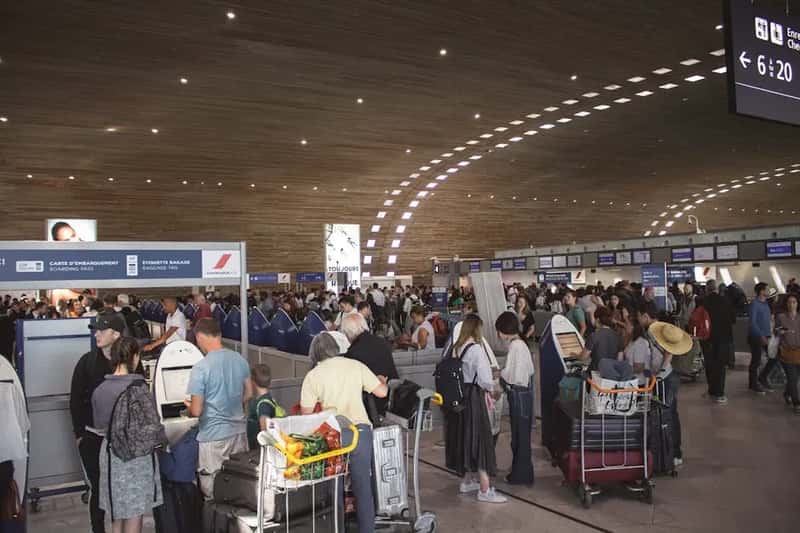
The 2026 summer travel season is shaping up to be one of the most disruptive in recent memory. A strained air traffic control system, a government shutdown still working its way through the aviation ecosystem, record passenger demand, and the relentless unpredictability of summer weather are all converging at once. The five airports on this list – Newark, Dallas Fort Worth, LAX, O’Hare, and Orlando – sit at the epicenter of that storm.
I think the most important takeaway here isn’t that flying is broken. It’s that flying strategically still works. Knowing which airports carry the highest risk, flying early in the day, traveling mid-week, and getting solid travel insurance aren’t just tips. In 2026, they’re survival skills. The sky still belongs to you – you just have to be smarter about how you reach it.
What would you do differently this summer knowing this information? Would it change which airports you fly through? Tell us in the comments.