Across the world, sports stadiums are meant to be places of excitement, community, and shared passion. Yet for millions of women, simply walking through the gates of a football ground or sports arena has been – and in many cases still is – a criminal act. While global sporting bodies like FIFA and the International Olympic Committee frequently champion equality and inclusion, the reality on the ground in certain countries tells a very different story. From outright total bans to persistent de facto restrictions enforced through fear and detention, gender-based exclusion from sports venues remains one of the most visible forms of institutionalized discrimination in the world today.
1. Iran – Four Decades of Defiance and Denial
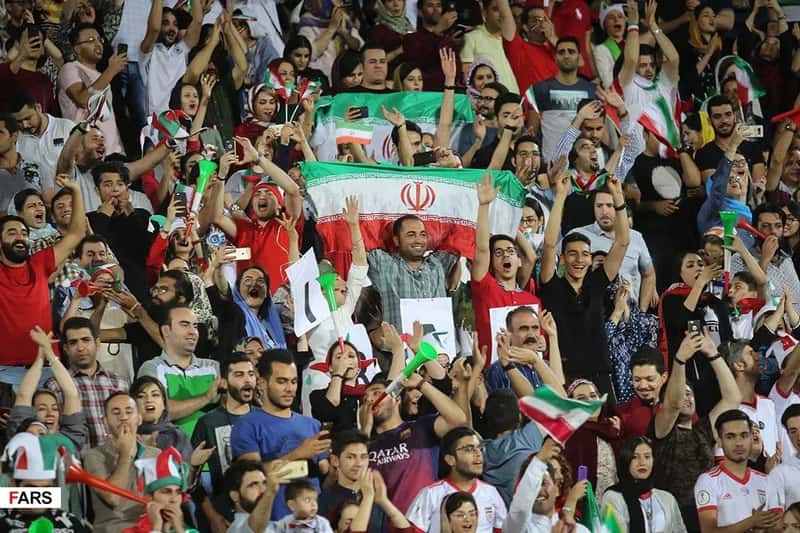
Over the past four decades, Iranian authorities have banned girls and women from watching football and other sports in stadiums. Iran’s discriminatory ban on women attending men’s football matches dates to 1981. The conservative government imposed an unwritten rule to exclude women from attending men’s soccer matches because of “profane language” and “half-naked men” in the stadiums. In 2012, authorities extended the ban to volleyball matches.
The ban has led to arrests, beatings, detention, and abuses against women and adolescent girls. In September 2019, a female football fan, Sahar Khodayari, who became known as the “Blue Girl” for the color of her favorite team, was reportedly sentenced to jail for trying to enter a stadium. She died by self-immolation in front of Tehran’s revolutionary court. Following international pressure, particularly from FIFA, and outrage inside the country, authorities have since occasionally allowed a limited number of women into stadiums to attend events, but this remains an exception rather than the rule, and the practical ban on women entering football stadiums persists.
2. Afghanistan: Stadiums Turned Into Instruments of Punishment
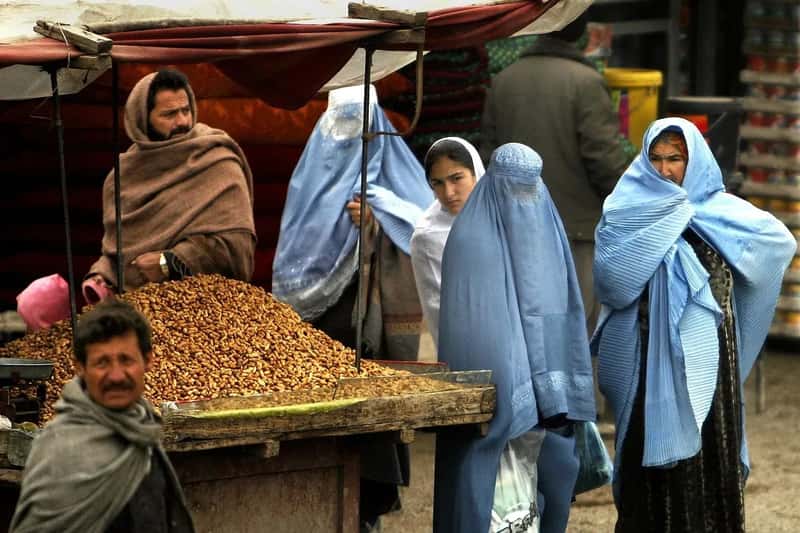
Women in Afghanistan are barred from universities, most jobs, and public spaces such as parks, gyms, and sports clubs. Taliban officials threatened any woman or girl – and her family – who continued sports, even in their own homes. The women athletes who are still in Afghanistan remain in hiding or try to leave for safety, and those who were forced to leave will remain in exile for as long as the Taliban remain in power.
The International Cricket Council has faced calls to immediately suspend Taliban-run Afghanistan’s membership until women and girls can participate in the sport of cricket. Many sports-related governing bodies like FIFA and the International Cricket Council have so far refused to allow female Afghan players to partake in international competition since the Taliban’s return to power. Citing institutional red tape, these bodies hypocritically allow Afghanistan’s male teams to access international competition while female athletes are prohibited. The international community’s response has been criticized as insufficient, with UN experts calling the situation a step toward gender apartheid.
3. Saudi Arabia – A History of Exclusion and Slow Reform
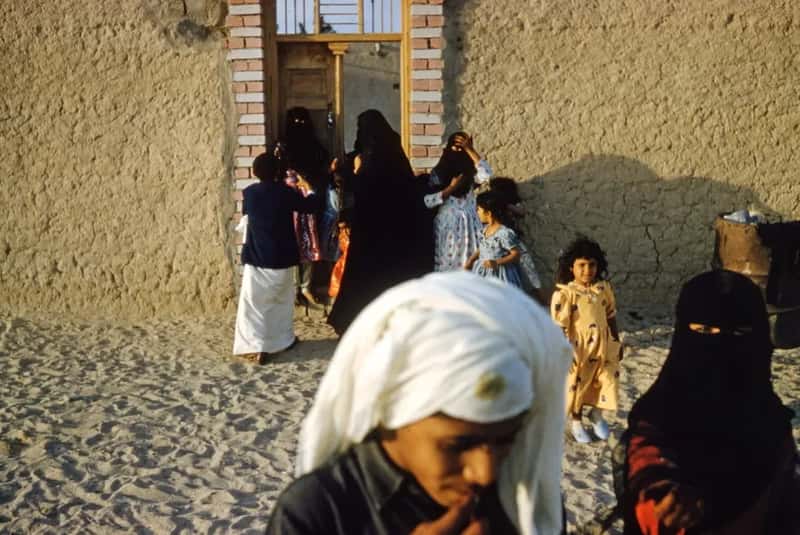
Until 2018, women were not permitted in sports stadiums in Saudi Arabia, even as spectators. As recently as 2018, women and girls were still barred from taking part in sports in schools or even watching sports in stadiums. Before 2017, women were not permitted to attend football matches as spectators; by 2024, the Kingdom established a comprehensive regulatory framework supporting women’s participation at all levels. The shift was part of a broader modernization push, but it came after decades of women being completely shut out of one of the most popular public pastimes in the country.
For the first time in January 2018, Saudi women were allowed to enter a sports stadium to watch a soccer match between two local teams – though rules dictated that they must be segregated from the male-only crowd with designated seating in the so-called “family section.” To prepare for the change at sports stadiums, the kingdom designated “family sections” in the stands for women, separated by barriers from the male-only crowd. The stadiums were also fitted with female prayer areas, restrooms, and smoking areas, as well as separate entrances and parking lots for female spectators. While access has expanded, the conditions under which women were admitted made clear just how entrenched gender segregation had been in the kingdom.
The Broader Pattern – International Bodies and the Struggle for Change

“The appalling deprivation of the rights and dignity of Afghan women and girls, including through their exclusion from sport in Afghanistan, must end,” UN experts said. “Culture should not be used as a pretext to violate human rights, including cultural rights such as the right to participate in sports.” Under FIFA’s Statutes, discrimination on account of gender – which would include exclusion or interference with access for women and girls to stadiums – is “strictly prohibited and punishable by suspension or expulsion.” Despite these rules, enforcement has been inconsistent and often toothless in practice.
In August 2019, FIFA quietly addressed what was described as the greatest gender apartheid in the history of world football – the four-decade-long ban on women entering stadiums in Iran. There was even a threat of Iran being banned from the qualifying matches for the 2022 World Cup in Qatar as pressure mounted. On International Women’s Day 2025, human rights organizations declared that the world must recognize gender apartheid as a crime against humanity, pointing to the systematic oppression of women in countries where sports bans are just one facet of a much wider structure of legal discrimination. The fight for equal access to sports arenas remains deeply intertwined with the broader global struggle for women’s fundamental rights.