Some habits are shaped by geography and history as much as by personal choice, and smoking is a clear example. While global cigarette sales have been trending downward for decades, the decline has been anything but even. A handful of countries, mostly clustered in Eastern Europe and the Balkans, continue to post cigarette consumption figures that dwarf the rest of the world, driven by cheap prices, deep-rooted social habits, and tobacco industries that never quite lost their grip.
Looking at cigarettes sold or consumed per person each year, rather than just the percentage of people who smoke, tells a slightly different story than the usual “smoking rate” rankings. It captures how heavily the people who do smoke actually use tobacco, day in and day out. Based on the most detailed comparative data available, tracked and cited by outlets including Guinness World Records, five countries stand out clearly from the rest.
Serbia

Serbia sits at the top of nearly every serious ranking of cigarette consumption per capita. According to figures compiled by Guinness World Records, Serbia’s per capita cigarette consumption stood at 9.1, the highest of any country measured. Separate analysis from the World Lung Foundation and American Cancer Society, cited by the anti-smoking group ASH, found that the very highest rate is in Serbia, at 2,861 cigarettes per person per year.
The scale of the country’s tobacco industry backs up those numbers. Tobacco Atlas data shows that approximately 43,773,000,000 cigarettes were produced in Serbia in 2024, a staggering volume for a country of fewer than seven million people. Regional health researchers have also flagged Serbia repeatedly as a problem area, noting that tobacco use across the WHO European region is highest in Serbia, North Macedonia, Bulgaria and Montenegro, all exceeding 30% prevalence in people over the age of 14. Cheap prices relative to income, weak enforcement of tobacco marketing rules, and a long cultural association between smoking and everyday social life all help explain why Serbia keeps topping these lists.
Belarus
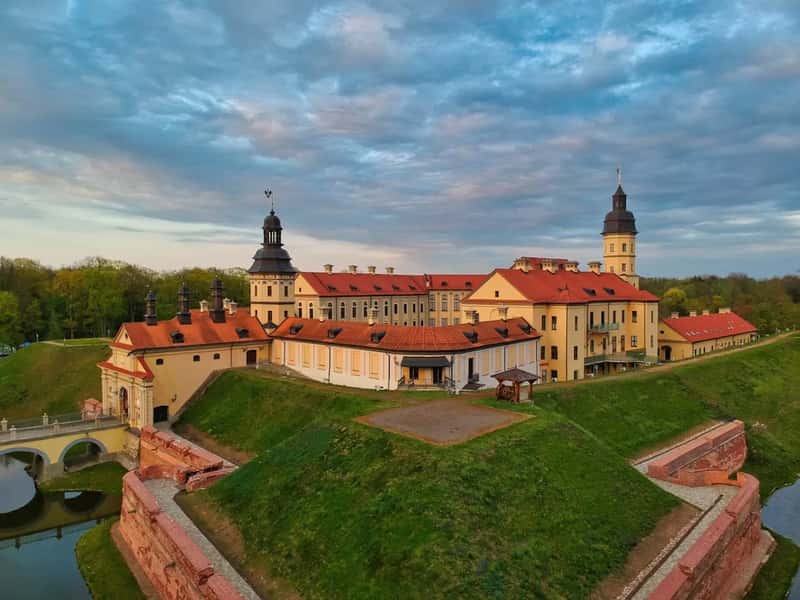
Belarus ranks second on the Guinness World Records list, with a per capita consumption figure of 8.3, trailing only Serbia. The country shares many of the same structural conditions found elsewhere in the former Eastern Bloc: relatively low cigarette prices, a state-influenced tobacco market, and smoking habits that were normalized over generations rather than actively discouraged.
Public health messaging around smoking has historically been less aggressive in Belarus than in Western Europe, and tobacco control policy has lagged behind the kind of advertising bans and plain-packaging rules seen in the EU. Combined with a population where smoking remains socially unremarkable in many settings, this has kept per capita consumption stubbornly high compared to most of the rest of the continent. Belarus is a useful reminder that this ranking is less about any single country’s unique culture and more about a broader pattern across the region.
Russia
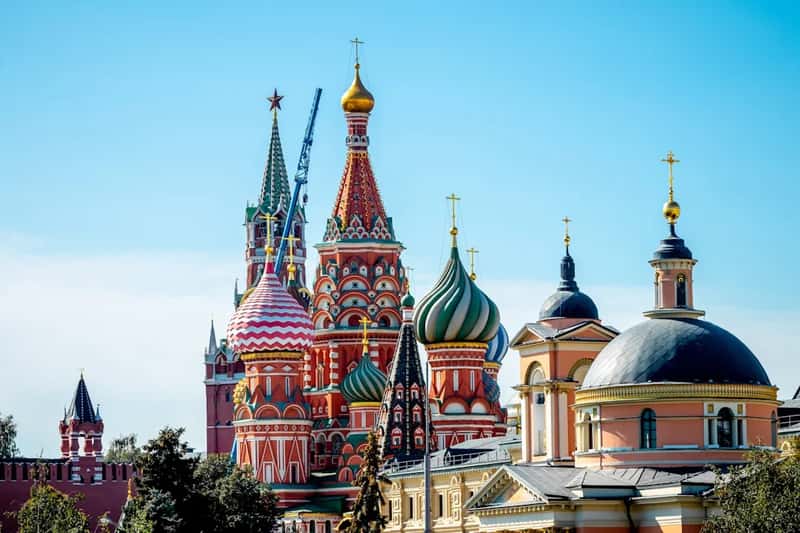
Russia lands in third place, with Guinness World Records data putting its per capita cigarette consumption at 7.1. The scale of the country’s population makes this especially significant. Even a moderate per-person figure translates into an enormous overall volume of cigarettes sold, and separate research compiled by ASH placed Russia not far behind Serbia, at 2,786 cigarettes per person per year.
The economic and health toll tied to this level of consumption has been substantial. Older but widely cited estimates traced Russia’s smoking-related costs to roughly 400,000 lives and 48.1 billion dollars every year. In more recent years, Russian authorities have periodically floated tighter restrictions on cigarette advertising and public smoking, following the same regulatory playbook that helped reduce consumption in Western Europe decades earlier. Whether those measures meaningfully move the needle in a market this large remains an open question.
Lebanon

Lebanon ties for fourth place on the Guinness World Records ranking, with a per capita consumption figure of 6.5. This fits with a broader regional pattern, since Lebanon consistently ranks among the heaviest-smoking nations in the Middle East. Separate WHO-based data placed the country’s overall smoking rate at close to 38.20 percent of the population, and more recent country comparisons still identify Lebanon as leading the region.
Cigarettes in Lebanon have long been inexpensive relative to household income, and smoking is deeply woven into daily social life, from cafes to family gatherings. Public smoking bans exist on paper but are unevenly enforced, particularly in a country that has spent much of the past decade dealing with economic and political instability. Recent regional analysis has continued to note that Jordan and Lebanon top the list in the Middle East for smoking prevalence, reinforcing that Lebanon’s position near the top of the global consumption rankings is not a one-off statistical quirk.
Moldova

Rounding out the top five, Moldova ties with Lebanon at a per capita consumption level of 6.5, according to the same Guinness World Records dataset. As one of Europe’s poorest countries by GDP per capita, Moldova has struggled to implement the kind of steep tobacco taxes that have curbed consumption elsewhere on the continent, since sharp price increases tend to hit already stretched household budgets hard.
Moldova’s geographic and cultural position, sandwiched between Romania and Ukraine, has also meant it inherited many of the same smoking norms found throughout the former Soviet sphere. Cross-border cigarette trade, both legal and informal, has kept prices competitive and availability high. While comprehensive, country-specific per capita data for Moldova is harder to come by than for larger nations, its consistent appearance near the top of these rankings suggests the pattern is a durable one rather than a temporary blip.
Why These Numbers Look the Way They Do

A pattern is hard to miss once you line these five countries up. Four of the five sit in Eastern Europe or the Balkans, a region that researchers have flagged repeatedly for entrenched smoking habits. Analysts pointed to entrenched cultural norms, lax laws, and inexpensive cigarettes as some of the most commonly identified drivers behind the region’s elevated tobacco use.
Lebanon stands somewhat apart geographically, but the underlying mechanics are similar: affordable cigarettes, strong social acceptance of smoking, and tobacco control laws that exist without being consistently enforced. It is worth noting that the specific per-capita figures cited here originate from a widely referenced but aging dataset, since comprehensive country-by-country cigarette sales figures are surprisingly difficult to track consistently in real time. Even so, more recent smoking prevalence data continues to point to the same countries and the same region, suggesting the underlying picture has not shifted dramatically in the years since those original figures were compiled.
health messaging exists on paper.