Picture this: you’re strolling through a historic neighborhood, soaking in centuries-old architecture, when suddenly you realize you’re surrounded by hundreds of other visitors with the same idea. The locals? Nowhere to be seen. They’ve been pushed out, priced out, or simply given up on living in the place their families called home for generations. This is the reality in several countries across the globe right now, where tourism has shifted from economic blessing to social curse. What was once celebrated as a revenue stream has morphed into a source of genuine anger, with residents taking to the streets in unprecedented numbers. So let’s dive in and explore the five nations where vacationers have become villains in the eyes of those who actually live there.
Spain: Where Water Pistols Became Weapons of Protest
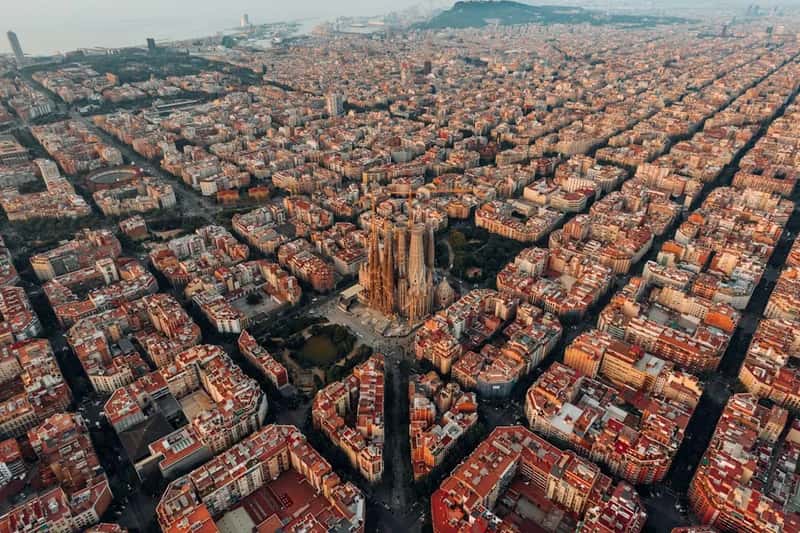
Spain welcomed roughly 94 million tourists in 2024 against a population of just 48 million, creating a ratio that sounds absurd when you say it out loud. In Barcelona alone, 32 million annual visitors are driving up housing costs and disrupting local life. The frustration reached a boiling point when protesters armed with toy water pistols took aim at unsuspecting tourists dining at outdoor cafes.
Reports from the BBC note that in 2024, something changed, with anger among locals reaching a new level. It’s not just Barcelona feeling the squeeze. The Canary Islands saw between 20,000 and 50,000 people participate in coordinated protests, backed by environmental organizations including Greenpeace and WWF. In April 2025, hundreds of thousands marched in over 40 cities across Spain, their message crystal clear: enough is enough.
The economic numbers tell one story while residents live another. International tourist expenditure reached around 126 billion euros in 2024, yet locals find themselves unable to afford rent in their own neighborhoods. Between 2007 and 2019, some Barcelona neighborhoods experienced a staggering 45% decrease in resident population, largely attributed to Airbnb-driven speculation. Traditional grocery stores have been replaced by souvenir shops, and lifelong residents now sleep in their cars.
Japan: Mount Fuji Gets a Fence

The Land of the Rising Sun has seen tourism skyrocket to levels nobody anticipated. Japan recorded 36.87 million visitors in 2024, exceeding previous records, representing an extraordinary surge in just a few years. About 73% of overnight stays are concentrated in just five prefectures: Tokyo, Osaka, Kyoto, Hokkaido, and Fukuoka.
Kyoto has become the poster child for overtourism tensions in Japan. A survey of nearly 7,800 foreign visitors found that 32% reported congestion as a problem during their trip, the most common complaint. Local residents report feeling invaded in their own city. In Yamanashi Prefecture, a mesh barrier was erected in May 2024 to block a popular Mount Fuji photo spot near a convenience store due to tourist-caused disturbances.
The authorities have responded with increasingly bold measures. Mount Fuji now requires climbers to pay 2,000 yen per person, with a daily maximum of 4,000 climbers on the popular Yoshida Trail. Meanwhile, Tokyo’s Shibuya ward introduced an ordinance in 2024 prohibiting public alcohol consumption year-round from 6 p.m. to 5 a.m.. These aren’t gentle nudges toward better behavior. They’re desperate attempts to reclaim public spaces.
Italy: Venice Charges Entry Just to Walk Its Streets
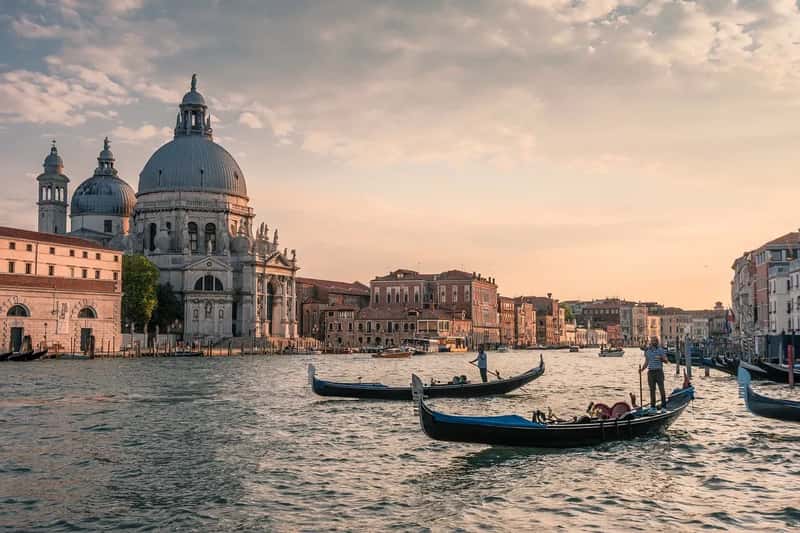
Italy’s tourism crisis centers on its most iconic destination: Venice. Venice made global headlines in April 2024 as the first city to impose a €5 entry fee for day visitors, with plans to expand the tourist tax to €5-€10 in 2026. Think about that for a moment. You now have to pay just to enter a city, like it’s some kind of theme park.
The numbers explain the desperation. Venice’s canals and historic charm attract millions of visitors annually, far outnumbering its small population of around 50,000 residents. The city has become something close to a museum where actual humans used to live. Pompeii received more than four million visitors in 2024, while Venice implemented restrictions on cruise ship access and Cinque Terre capped daily walkers to just 400 people.
Florence and Rome aren’t faring much better. Florence’s government is seeking to ban new short-term rental properties in the city’s historic center, arguing that platforms like Airbnb have made housing inaccessible for local residents. Rome has implemented strict behavioral rules, preventing tourists from going topless, eating ‘messy’ food around attractions like the Trevi Fountain, and attaching love padlocks to bridges. It’s hard to say whether these measures will work, but they show how far things have deteriorated.
Iceland: Paradise Overwhelmed by Its Own Beauty
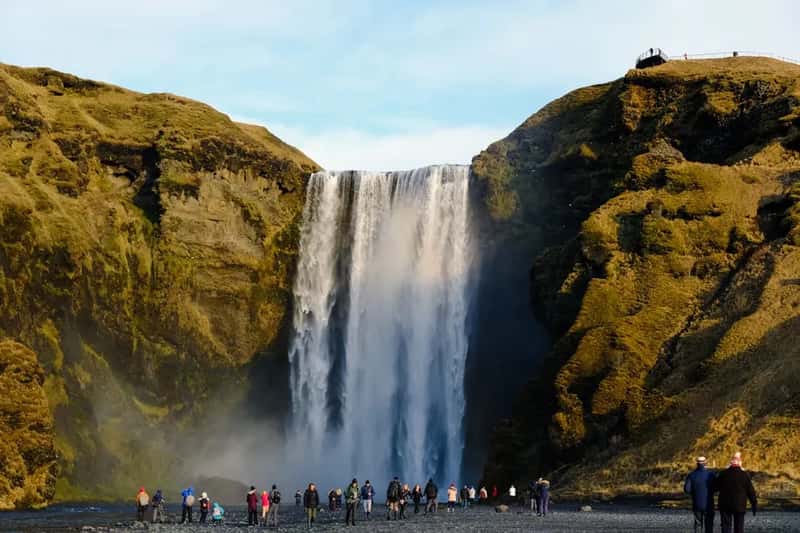
Iceland presents a unique case because its tourism explosion happened with breathtaking speed. Since the eruption of the Eyjafjallajökull volcano in 2010, tourism broke records, with a 39 percent increase in visitor numbers in 2016. By the end of 2017, Iceland welcomed more than two million tourists in a single year to a nation of only around 335,000 people. Let that sink in.
The strain on infrastructure became immediately apparent. Chief Park Ranger Jón Björnsson states Iceland lacked the infrastructure needed to accommodate guests, with natural resources exploited irresponsibly as tourist companies focused only on growth. The influx put immense pressure on roads and infrastructure, while healthcare, security, and police services are particularly strained during peak seasons.
Environmental concerns have reached crisis levels. Tourists drive illegally off-road and get stuck in active geothermal areas, causing serious damage to nature just to post pictures on social media. Survey evidence suggests local support for tourism is weakening, and residents in some areas are beginning to complain about tourist numbers and migrant workers unable to speak Icelandic. Iceland introduced a new per-passenger, per-day cruise fee, with officials anticipating 80 fewer cruise ship visits in 2026.
The Netherlands: Amsterdam Says “Stay Away”
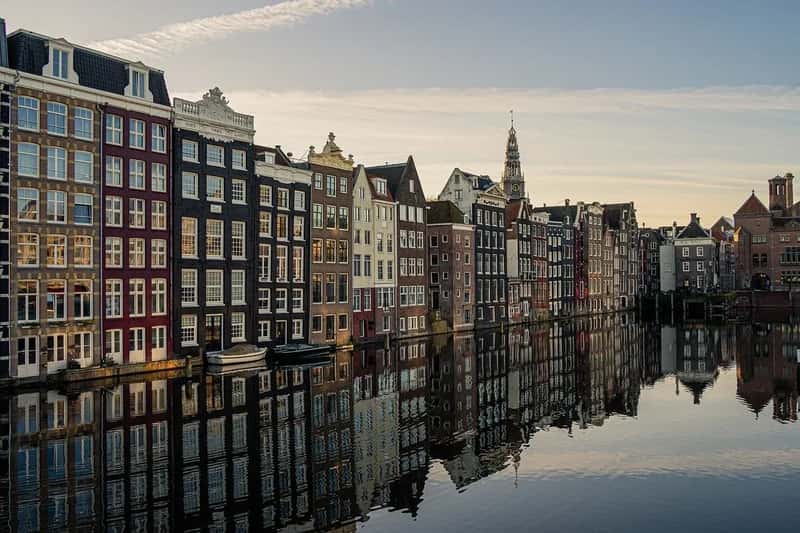
Amsterdam has taken perhaps the most direct approach to its overtourism problem: telling certain tourists not to come at all. Amsterdam launched a so-called “stay away” campaign in spring 2023 aimed directly at wild, hard-partying British males coming to the city in search of sex and drugs. That’s not exactly subtle diplomacy.
The city’s frustration runs deep. Residents took legal action against the City Council, claiming the promised cap on overnight tourist stays was broken, with numbers swelling to 22.9 million in 2023 when the limit was supposed to be 20 million. Amsterdam is limiting new hotel construction and increasing taxes on overnight stays while planning to limit cruise ships to just 100 in 2026, down from 190, before banning them outright.
The broader issue extends beyond rowdy behavior. Anti-tourism sentiment built up in Amsterdam similar to cities like Barcelona, Venice, London, Kyoto and Dubrovnik in 2019. Residents demand stricter regulations to protect their cities from becoming overcrowded tourist attractions. When a city this tolerant and welcoming starts actively pushing visitors away, you know something fundamental has broken down.
Conclusion
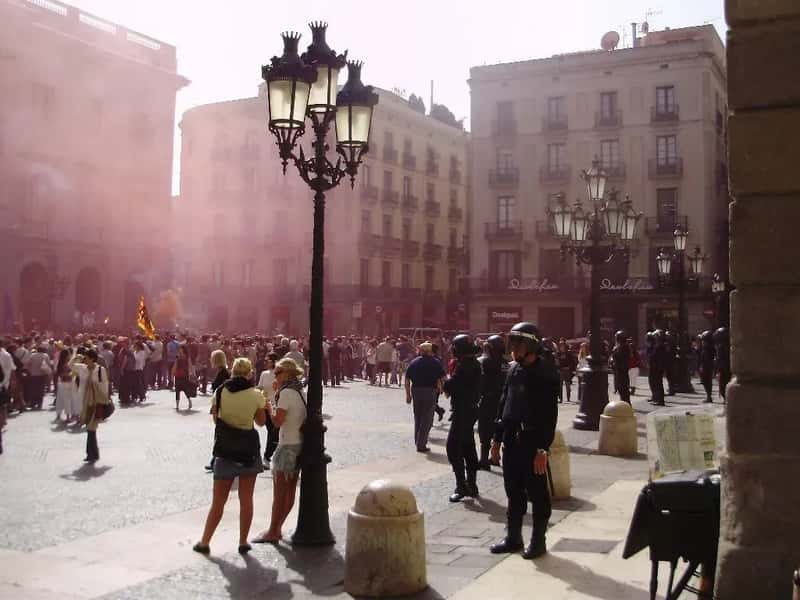
Here’s the thing about overtourism: it’s nobody’s fault and everybody’s fault simultaneously. Tourists aren’t villains for wanting to see beautiful places. Tour operators aren’t monsters for building profitable businesses. Yet the cumulative effect has created situations where residents feel like strangers in their own hometowns. These five countries represent the sharp edge of a global problem that shows no signs of slowing down.
The protests, the water pistols, the entry fees, the “stay away” campaigns – these are symptoms of a deeper crisis about who cities belong to and whether economic growth justifies displacing the people who give these places their character in the first place. What do you think about it? Should cities prioritize residents over tourists, or is there a way to balance both?