


There’s something undeniably magnetic about forbidden places. You know, the kind of destinations that come with bold red warnings from every government travel advisory board. Places where the news cycle never seems to rest, where embassies have shuttered their doors, and where most travelers wouldn’t dare set foot. Yet somehow, thousands still go.
Why? Maybe it’s the raw beauty untouched by mass tourism. Maybe it’s the thrill of standing where few dare to tread. Or maybe it’s simply the human urge to see beyond the headlines and experience something deeply authentic. Whatever the reason, these destinations continue to draw visitors despite the very real dangers that lurk around every corner.
Let’s be real – these aren’t your average vacation spots. We’re talking about places where kidnapping, armed conflict, and terrorism aren’t just abstract concepts but daily realities. So buckle up. Here are the five most dangerous countries that people are still visiting anyway, and the reasons why they take the risk.
Afghanistan: The Ultimate High-Stakes Destination
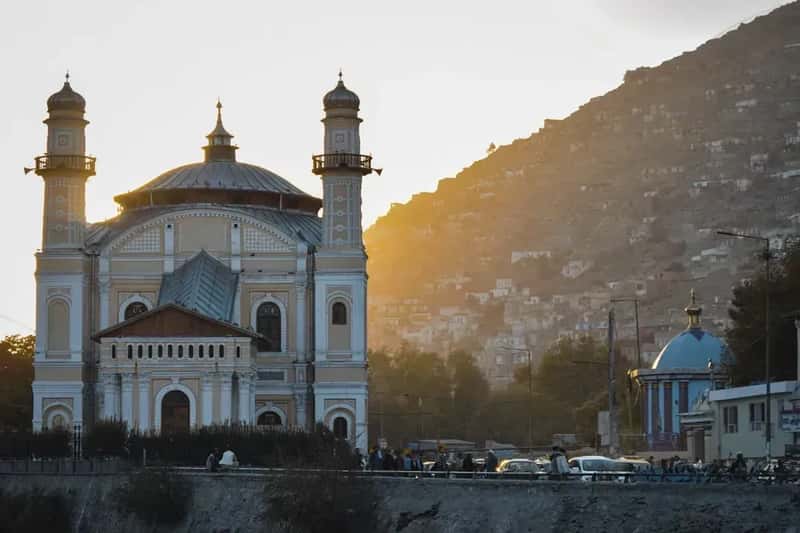
Afghanistan tops nearly every dangerous countries list published in recent years, and it’s not hard to see why. The country faces ongoing conflicts, high terrorism rates, inadequate infrastructure, and has held the top spot on risk lists for six consecutive years. Travel advisories warn of civil unrest, crime, terrorism, risk of wrongful detention, kidnapping, and limited health facilities. Yet in 2023, roughly seven thousand tourists made the journey there anyway.
Since the Taliban regained control in August 2021, the country has seen a curious uptick in what some call danger tourism. According to Afghanistan’s Deputy Minister of Tourism, almost 9,000 international tourists visited the country in 2024. That might sound tiny compared to the millions who flock to safer destinations, but it represents steady growth in one of the world’s most perilous places.
What draws people to Afghanistan? The landscapes are breathtaking – think the turquoise lakes of Band-e Amir National Park, the towering remnants of ancient Buddhas in Bamiyan Valley, and the intricate architecture of the Minaret of Jam. In May 2024, the Islamic State attacked a group of tourists in Bamiyan, killing three Spanish citizens. That stark reality is enough to make most travelers reconsider, but for some adventurers, it only adds to the allure.
The paradox is striking. Western governments issue the strongest possible warnings – Level 4: Do Not Travel. Multiple terrorist groups are active in Afghanistan, and U.S. citizens are targets of kidnapping and hostage-taking. Tour operators, however, quietly market trips with local guides who promise relative safety in controlled areas. Honestly, it’s a gamble no matter how you slice it.
Yemen: A Nation Trapped in Endless Conflict
Yemen is perhaps the textbook definition of a humanitarian disaster zone. The country faces one of the most extreme humanitarian crises in the world, with nearly 80% of its 24 million citizens living in poverty. A civil war continues in Yemen, and despite a truce in April 2022, the country still faces instability with fighting continuing near central front lines. Landmines and unexploded ordnance litter the landscape.
Travel to Yemen involves navigating a minefield of risks – literally and figuratively. Foreigners are frequently targets of kidnapping and carjacking, especially outside urban areas. Local flights are infrequent and often suspended due to airport attacks. Most embassies have long since evacuated their staff, leaving travelers entirely on their own if something goes wrong.
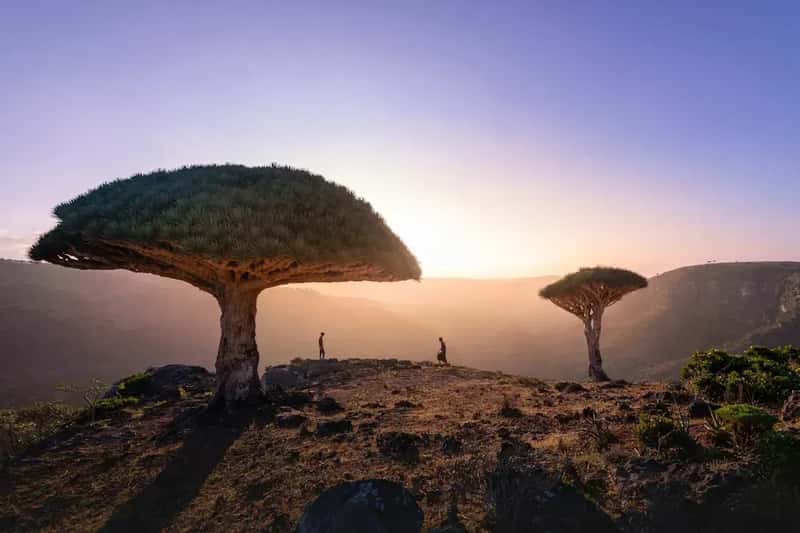
Still, some daredevils attempt to visit Socotra, Yemen’s remote island archipelago. The island is famous for its alien-looking dragon blood trees and pristine beaches, remaining largely untouched by the mainland conflict. Some companies outside Yemen have misrepresented the safety of Socotra, offering tourist trips with unofficial and invalid visas that put tourists in danger and legal jeopardy. Despite warnings, a trickle of travelers continues to chase that otherworldly experience.
The bottom line? Yemen is not a place where you can rely on any safety net. Infrastructure is shattered, basic services are scarce, and the security situation shifts without warning. It’s hard to say for sure, but anyone considering Yemen should prepare for the very real possibility that their government won’t be able to help them.
Syria: A War-Torn Land Slowly Reopening
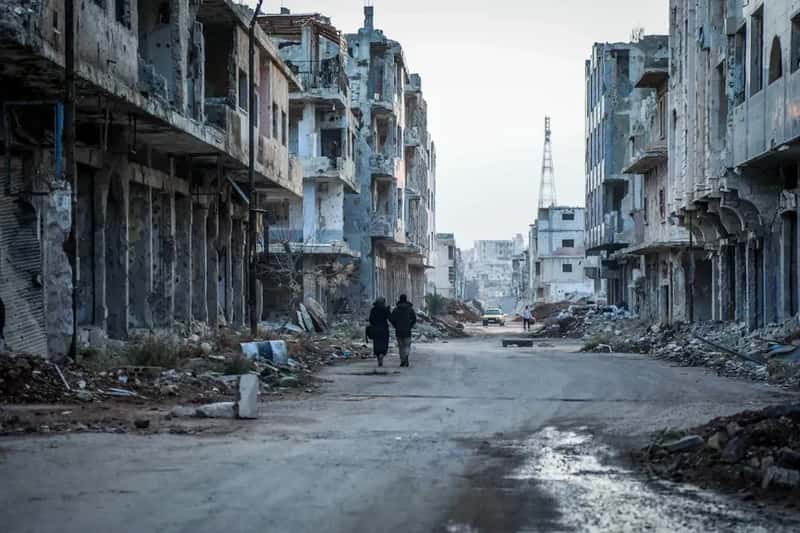
Syria has been synonymous with civil war since 2011, but the situation on the ground is more nuanced than many realize. Before Assad left in December 2024, the Syrian conflict caused over 500,000 deaths, with hundreds of thousands more wounded, detained, or forcibly disappeared, resulting in over 5 million registered refugees. In December 2024, Hayat Tahrir al Sham overthrew the Assad regime and took over the country, initiating a new era.
Despite the chaos, certain areas have seen a return of tourists. The number of tourists who visited Syria in 2023 exceeded 750,000. Most were Arab nationals or refugees returning to see family, but a surprising number were Western adventurers drawn by the country’s rich archaeological sites. Damascus, Aleppo, and Palmyra – all UNESCO World Heritage Sites – continue to attract those willing to navigate checkpoints and volatile security conditions.
The appeal is obvious. Syria boasts some of the most stunning Roman ruins outside of Italy, Byzantine monasteries clinging to mountainsides, and bustling souks that have operated for centuries. Walking through Damascus feels like stepping back in time. The problem? Violent clashes continue to occur between minority communities, groups loyal to the former regime, and security forces, resulting in casualties. Israeli air strikes continue to occur throughout the country, including in Damascus.
Tour operators offering trips to Syria emphasize traveling with experienced local guides who monitor security updates daily. It’s not a free-for-all backpacking adventure. Independent travel remains risky, and power outages, water shortages, and communication disruptions are routine. But for history buffs and extreme travelers, Syria offers something few other places can: a front-row seat to ancient wonders in a land still healing from war.
Somalia: Piracy, Terrorism, and Persistent Instability
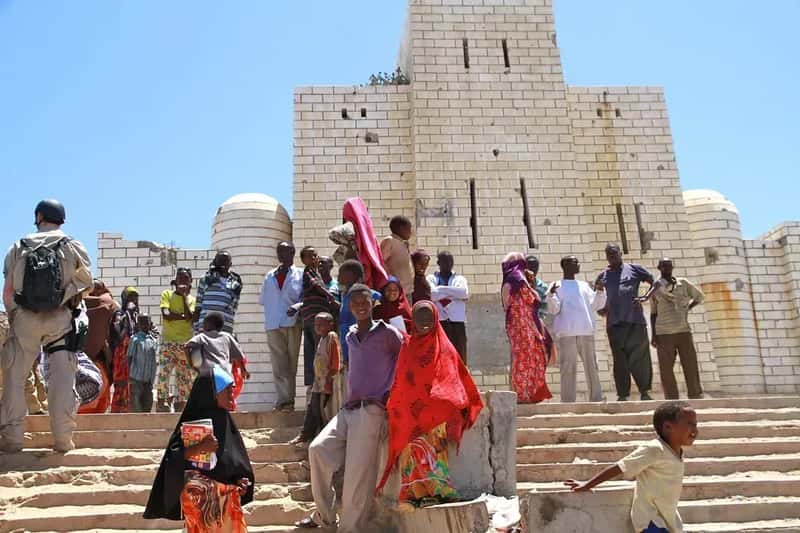
Somalia is a name that conjures images of piracy on the high seas and militant extremism. Somalia is highly dangerous due to terrorism, piracy, and lawlessness, with militant group Al-Shabaab regularly targeting civilians and foreigners through bombings and kidnappings. Pirates frequent Somalia’s coast off the Horn of Africa, and medical facilities have limited capacity, with crime, terrorism, civil unrest, health issues, and kidnapping all being major risk factors.
Large swaths of Somalia operate outside government control, making it one of the most lawless regions on the planet. Weapons are readily available, and travelers face constant threats from armed groups. In January 2024, passengers aboard a U.N.-contracted helicopter were taken hostage by al-Shabaab militants after the vehicle crashed in central Somalia. That’s the kind of headline that makes most people cross Somalia off their bucket list permanently.
So who goes there? Mostly aid workers, journalists, and a tiny subset of extreme adventurers who understand the stakes. The Somali coastline is hauntingly beautiful, with white sand beaches and turquoise waters that remain almost entirely untouched by tourism. The capital, Mogadishu, has a complex history as a former Italian colonial hub, and remnants of its past still linger in crumbling architecture and vibrant markets.
Let’s be honest – traveling to Somalia requires accepting that the odds are stacked against you. Government support is virtually nonexistent, and the Australian, U.S., and U.K. governments all advise against any travel to the region. If you’re caught in a dangerous situation, rescue is unlikely. It’s as simple as that.
Iraq: Ancient Wonders Amid Modern Chaos
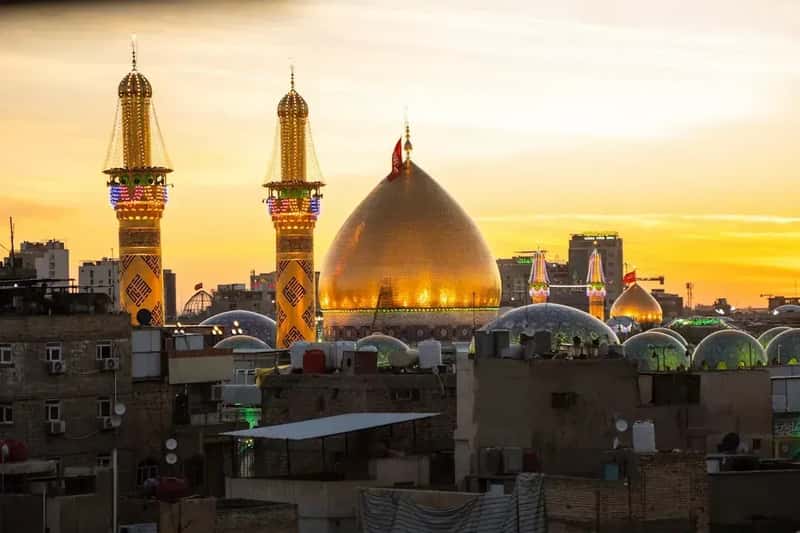
Iraq is a country with an identity crisis. It’s home to some of the world’s oldest civilizations – Mesopotamia, the cradle of human culture – and yet it remains one of the most dangerous places to visit in 2026. Iraq makes the list of the most dangerous countries to visit in 2026 due to the high risk of attack and ongoing violence. Ambushing of government buildings and places of worship is commonplace, along with regular bombings and kidnappings with groups asking for high ransoms.
The security situation varies wildly across the country. Baghdad, once off-limits to all but the most determined travelers, has seen tentative improvements. The Kurdish-controlled north, particularly areas like Erbil and Sulaymaniyah, is relatively safer and has welcomed tourists in recent years. Meanwhile, regions near the Syrian border and areas with lingering ISIS presence remain extremely dangerous.
What makes Iraq worth the risk for some? The archaeological treasures are unmatched. The ancient city of Babylon, the ziggurat of Ur, and the ruins of Nineveh offer a glimpse into humanity’s earliest chapters. Standing among these relics feels profoundly moving, even if armed guards hover nearby and checkpoints punctuate every journey.
Still, the threats are real and persistent. Countries like Iraq are marked as having an extreme security risk. Terrorist attacks can happen without warning, and foreign nationals are often viewed with suspicion. Travel in Iraq requires meticulous planning, constant vigilance, and a willingness to accept that things can go sideways fast. Most travelers who venture there do so with private security or as part of organized tours with local fixers who know how to navigate the complex web of threats.
Conclusion

So why do people visit these places anyway? It’s complicated. For some, it’s about collecting passport stamps and claiming bragging rights for visiting every country on Earth. For others, it’s a genuine curiosity to see beyond the sensational headlines and connect with people living in these extraordinary circumstances. And then there are those who simply crave the adrenaline rush of walking into the unknown.
Here’s the thing – these destinations offer something that sanitized, Instagram-perfect resorts never will: authenticity, raw human resilience, and landscapes untouched by commercialization. The risks are enormous, and no one should underestimate them. But for a small subset of travelers, the rewards outweigh the dangers.
Would you ever consider visiting any of these countries? What’s your take on danger tourism? Let us know in the comments.



