While headlines keep obsessing over Dubai’s skyline and Lisbon’s tourist crowds, a handful of smaller markets have been quietly delivering some of the strongest property returns anywhere in the world. These places rarely dominate international news cycles, yet the numbers tell a different story: double-digit price growth, rental yields that put Western Europe to shame, and foreign buyers arriving in steadily rising numbers.
What ties these five markets together isn’t hype or splashy marketing campaigns. It’s a combination of undervalued entry prices, genuine economic momentum, and lifestyle appeal that’s been building for years without quite reaching mainstream attention. Here’s a closer look at where the quiet action really is.
1. Albania’s Coastline Is Rewriting the Rules
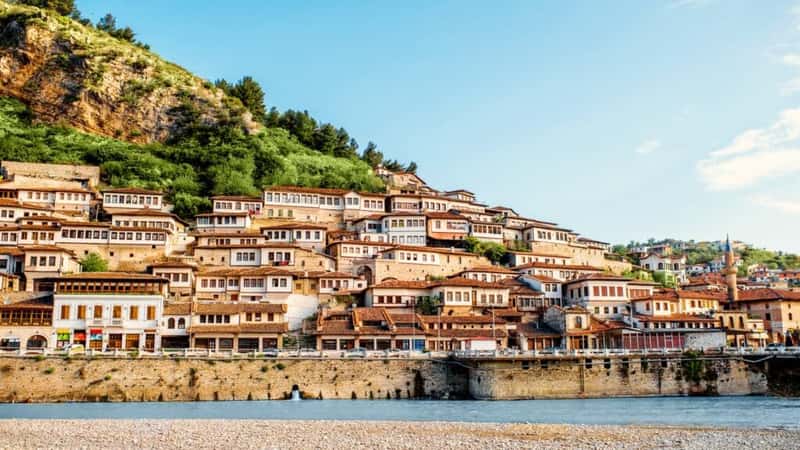
Albania has spent the last few years transforming from a Balkan afterthought into one of Europe’s most talked-about property stories, even if most people still haven’t caught on. Albania has quietly become one of Europe’s most talked-about emerging property markets, with a stunning Mediterranean coastline, rising tourism numbers, and property prices still significantly lower than neighbouring countries such as Greece and Croatia.[1] The tourism engine behind this is enormous: Albania was visited by 12.47 million foreign citizens in 2025, compared to 11.70 million a year earlier, an increase of about 6.6 percent.[2]
The price growth has been startling by European standards. In 2025 to 2026, property prices in Albania are estimated to grow by 18 to 26 percent annually, while the average in EU countries is around 3 to 4 percent.[2] Investors are also finding yields that simply don’t exist in Western Europe anymore, with realistic returns ranging from 6 to 9 percent annually, with some resort locations reaching 12 to 15 percent, compared to typical yields of 3 to 5 percent in Western Europe.[2] Coastal hotspots like Sarande and Vlore have been especially hot, with some areas recording 25 to 58 percent annual growth in 2025.[3]
2. Georgia’s Twin Cities Keep Delivering Yield
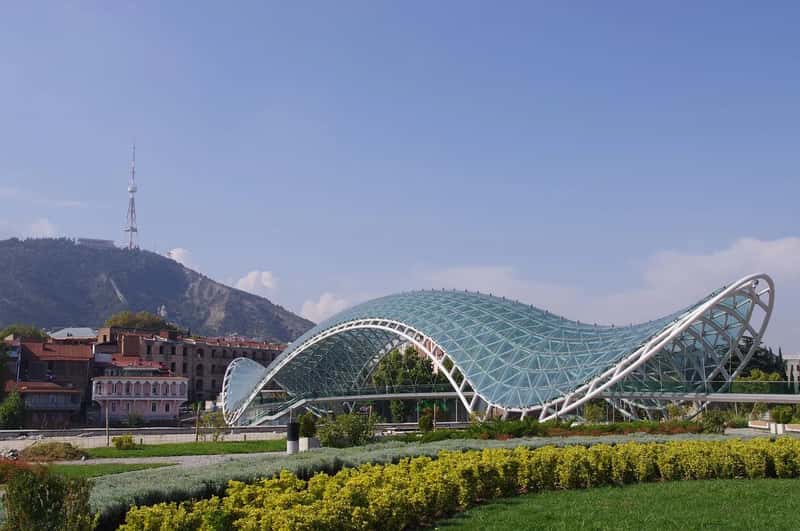
Tbilisi and Batumi have carved out a reputation among a small but growing circle of international investors as places where rental income actually makes sense. The market has cooled from its explosive 2022 highs, but it hasn’t stopped growing. Tbilisi property prices grew modestly from 2016 to early 2022, then surged sharply, with some districts posting increases above 35 percent in 2022, before entering a more measured phase with average price growth around 8 percent in 2025.[4]
What keeps drawing capital in is the yield story, not just appreciation. Gross rental yields for properties in Georgia stood at an average of 7.42 percent in February 2026, compared to 7.53 percent a year earlier.[5] That’s still remarkably high for a market this accessible to foreigners, and it’s backed by real fundamentals: Georgia recorded real GDP growth of 7.5 percent in 2025, one of the strongest performances in the region.[4] The tourism side is booming too, since over 7.6 million tourists visited Georgia in 2024, a new record.[6] Entry prices remain low enough that first-time overseas buyers routinely start here before moving on to pricier markets.
3. Cyprus Offers a Tax-Friendly Mediterranean Alternative
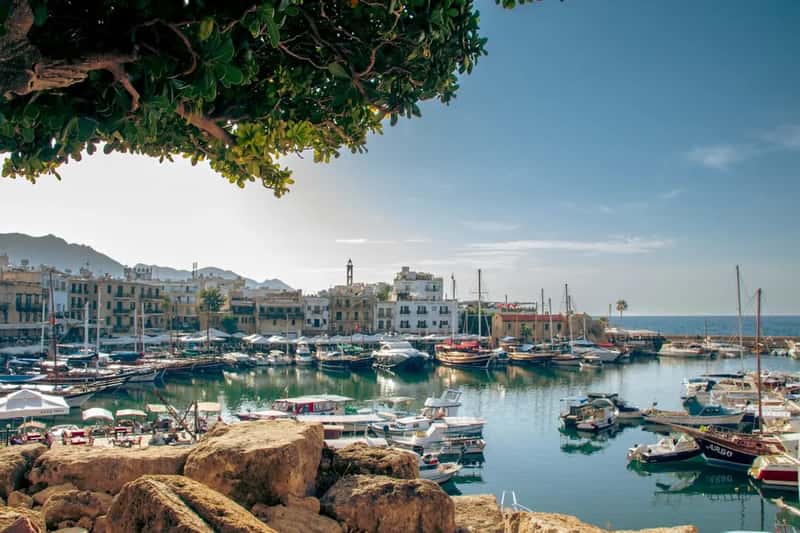
Cyprus doesn’t generate the buzz of Greece or Spain, but that’s part of its appeal. Limassol has quietly become a magnet for serious capital, and the numbers back up why. Limassol is the most developed international market in Cyprus, with significant corporate and HNW buyer demand, prime residential prices rising steadily, and yields approximately 4 to 5 percent gross.[7] Paphos and Ayia Napa attract a different crowd built around seasonal tourism rentals.
One of the biggest draws for foreign buyers is the tax environment. Cyprus does not levy capital gains tax on the sale of real estate, a notable advantage, though recent legislative debates have discussed introducing one.[7] Combined with the fact that entry prices are lower than comparable European markets,[7] Cyprus has positioned itself as a credible, low-tax entry point into EU property ownership. Analysts increasingly view it as offering strong credentials for EU-based investors seeking a combination of yield, appreciation potential, and lifestyle.[8]
4. Portugal’s Momentum Hasn’t Slowed Down
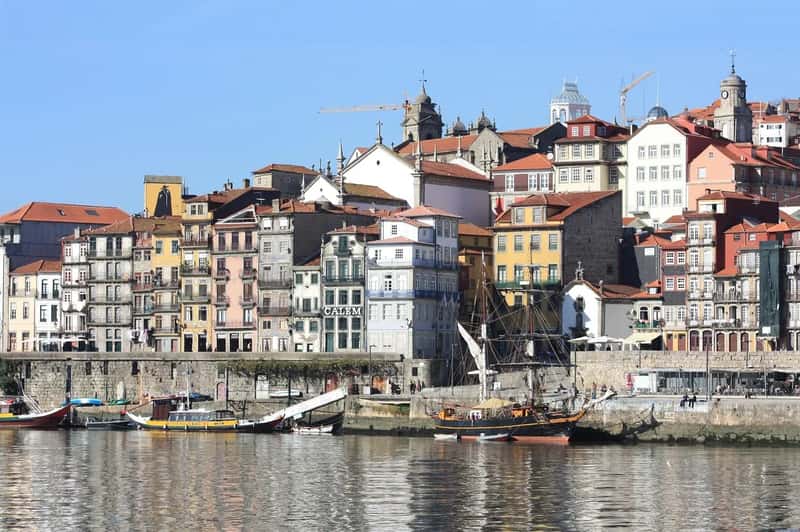
Portugal is arguably the least “quiet” name on this list, but its underlying momentum still surprises people who assume the golden visa era ended the boom. It hasn’t. Over the past five years, Portuguese house prices have surged by an astonishing 48 percent, positioning the country as one of the world’s top real estate performers, and despite global economic uncertainty and higher interest rates, Portugal’s property market has remained resilient and outpaced expectations.[9]
What makes Portugal worth watching in 2026 isn’t Lisbon or the Algarve anymore, since those markets have largely priced out bargain hunters. Instead, the quiet growth story has shifted toward secondary cities and interior regions where prices are still catching up to coastal benchmarks. The broader European context matters here too, since the landscape for global real estate investment is changing fast, with certain markets pulling ahead of the rest in 2026, and it’s the rising stars fuelled by tourism, infrastructure, and ambitious development plans that are delivering the strongest growth.[9] Portugal fits that description almost perfectly, riding steady demand without the speculative froth seen in some Gulf or Southeast Asian markets.
5. Kuala Lumpur Is Asia’s Under-the-Radar Value Play

Malaysia’s capital rarely makes anyone’s shortlist of exciting global cities, yet that’s precisely why it’s become a favorite among investors chasing yield without paying Singapore or Bangkok prices. Kuala Lumpur has strong forecasts, with average rental yields around 6.5 percent, representing a good entry point into a growing Asian market.[10]
The city benefits from a stable currency peg dynamic relative to neighboring markets, established infrastructure, and a large expatriate community that keeps rental demand steady. While it lacks the dramatic price spikes seen in Albania or the Gulf, that stability is exactly the point for investors who want steady income without the volatility of faster-moving frontier markets. It’s a market built on patience rather than headlines, and that’s kept it largely out of the international spotlight even as returns quietly compound.
What This Quiet Boom Actually Means for Buyers

None of these five markets are without risk. Albania’s liquidity remains thin, with the average days-on-market for residential property in Albania about 350 days as of 2026,[11] and Georgia’s yields have been gradually compressing from their post-pandemic peaks. Cyprus faces potential tax changes on the horizon, and Kuala Lumpur’s growth, while steady, is unlikely to deliver the dramatic capital gains seen elsewhere.
Still, the common thread across all five is unmistakable: they offer genuine fundamentals, whether that’s tourism-driven demand, low entry prices relative to comparable regions, or currency and tax advantages that larger markets can’t match. For buyers willing to look past the obvious destinations, these quieter corners of the global property map are where the real value conversations are happening right now, away from the noise of the markets everyone already knows about.