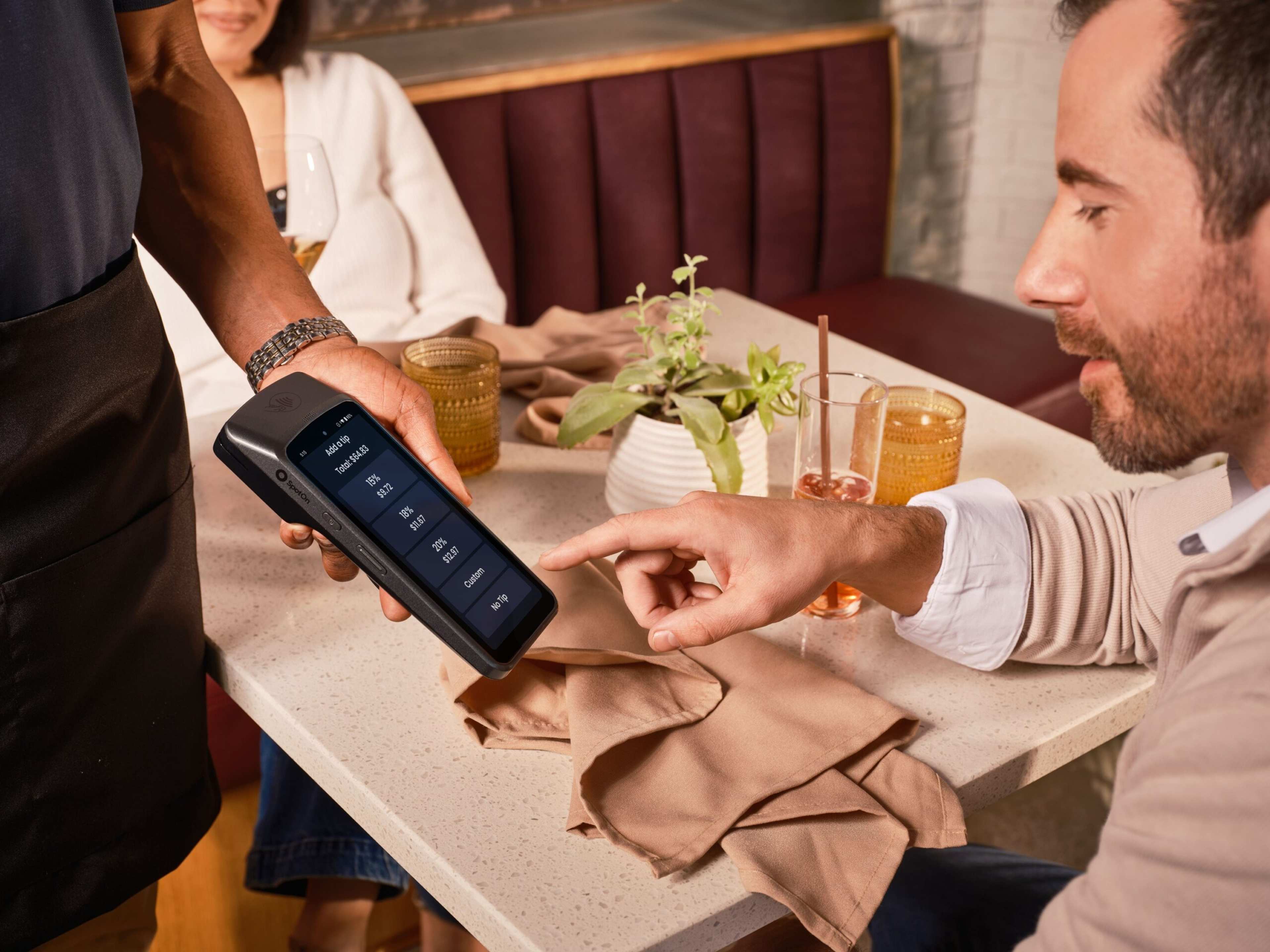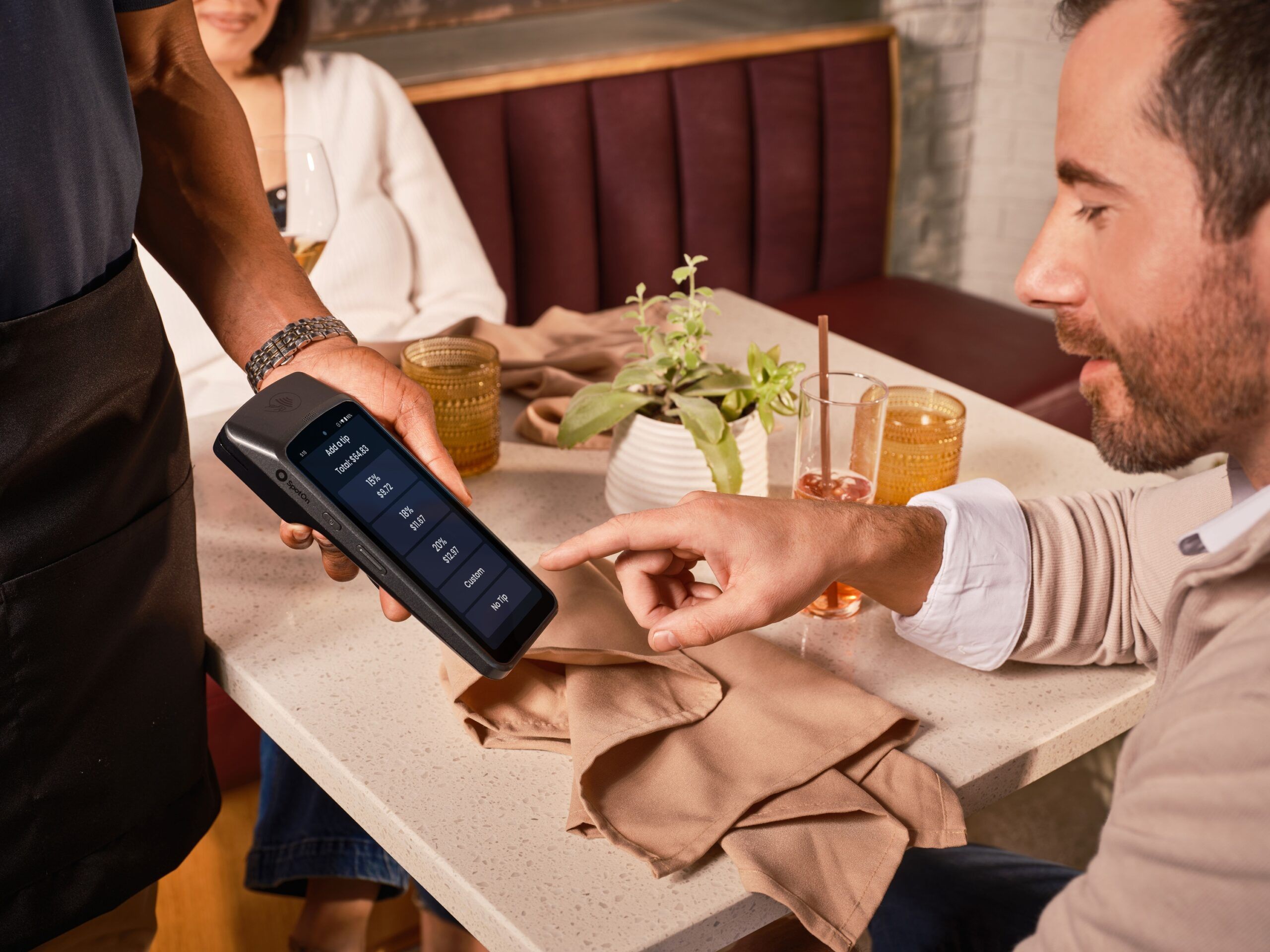
Few travel moments feel as awkward as standing at a restaurant counter with the bill in your hand, unsure whether to add something extra. Tipping rules change sharply from one border to the next. What counts as polite in one country can leave a server puzzled in another.
The six countries below are places where you can pay the posted price without guilt. Each one has its own reasons and its own small exceptions. Each also has a better way to say thank you than a handful of coins.
Japan: The Price Is the Price

The Japan National Tourism Organization says plainly that there’s no tipping culture here.[1] Great service is treated as part of the price, not an add on.[1] Restaurant bills are settled at a register near the door, and the card terminal has no tip line.[2]
Try to leave money anyway and you may get it handed back. Some servers assume you miscounted your change and come running after you.[1] A better move is to say “Gochisousama deshita” as you leave, which is a thank you for the meal.[3] A positive online review is another way to show gratitude.[4]
South Korea: Skip the Cash, Say Thank You

South Korea follows a similar logic. Service staff are paid well and generally don’t accept tips.[5] A taxi driver or hotel employee may even run after you to return your forgotten money.[5]
There are small exceptions, mostly where visitors gather. Major international hotels in Seoul and Busan occasionally accept small tips without offense.[6] Organized tours differ too, since guides and drivers on excursions do expect roughly ten percent of the tour cost, split between them.[7] Everywhere else, a warm “gamsahamnida” goes a long way.[8]
China: Tradition Says No, Luxury Hotels Say Maybe

Tipping is not traditional in mainland China, especially among locals.[9] It has even been seen as something close to a bribe.[8] Tour guides and drivers there don’t expect tips either.[7]
Habits are shifting slowly at the top end of the market. In luxury hotels in Beijing, Shanghai and other major tourist cities, tipping has become more accepted because of international visitors.[6] If you’re in a particularly luxurious hotel, a porter might get around 5 yuan per bag, and the bill may already carry a ten percent service charge.[7] At local restaurants, just pay what’s listed.
Singapore: The Service Charge Does the Work
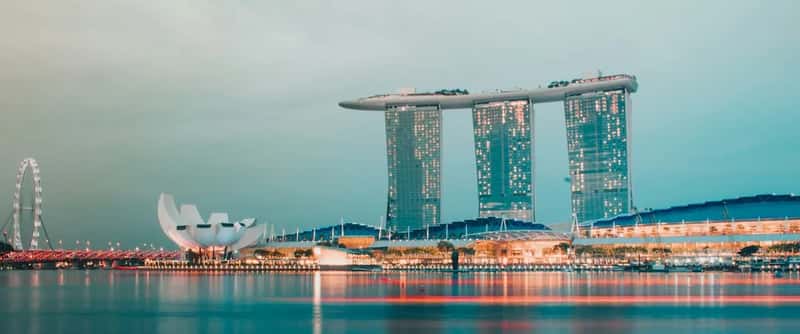
Singapore’s bills can look confusing at first, but the logic is simple. Food and beverage businesses often add a service charge, typically ten percent.[10] Menu prices followed by two plus signs mean that service charge and GST will be added.[11]
Because of that, tipping is generally not expected, and the extra you see comes from a service charge and tax rather than a gratuity.[11] Hawker centres and food courts don’t add a service charge, and self service etiquette applies.[12] If you want to reward someone directly, hand cash over discreetly or tell the floor manager.[12] Note that the business shares the service charge according to its own policy[11], so it doesn’t automatically land in one server’s pocket.
New Zealand: Relaxed, Rarely Required

Tipping isn’t part of everyday Kiwi culture, and staff don’t expect it in restaurants, cafés, taxis, hotels or on tours.[13] Staff don’t rely on tips as part of normal income, and leaving nothing won’t make you seem rude.[13] One reason cited is a fair wage system with a minimum wage higher than in many countries.[14]
If you do want to show appreciation, the options are modest. At cafés you can drop spare change in a tip jar, and some restaurants offer an “add tip” option on the payment machine.[15] Rounding up a taxi fare, say from 27.50 to 30 New Zealand dollars, is another gentle option.[14] A tip is a bonus for standout service, never a requirement.
Australia: No Need, With Some Big City Nuance

There’s no need to tip in Australia, because service workers are paid adequately and don’t depend on gratuities.[16] Tipping has historically not been standard practice, though that began to change during the Covid-19 pandemic, partly due to cost of living increases.[17] Since roughly 2021 it has become more common, particularly in urban centers like Melbourne.[17]
A simple rule works well. In regional areas, pubs or cafés where you order at the counter, tipping isn’t necessary, while full table service in a major city may warrant ten to fifteen percent for deserving service.[17] Also check the bill on busy days, since a surcharge of up to fifteen percent can be added on weekends and holidays to cover higher penalty rate wages.[17] That surcharge isn’t a tip, so there’s no need to add anything on top.
A Short Checklist for Paying Abroad

Read the bill first. Look for a service charge line or the plus signs in Singapore, and don’t tip on top of it. In Japan and China, upscale hotels and restaurants may add a set service charge, which is a fixed fee and not a tip.
Keep tipping for the narrow exceptions, such as a ryokan attendant or private guide in Japan, or an organized tour in South Korea. Otherwise, a sincere thank you, a good review or a return visit is the more fitting gesture.