Europe’s love affair with Airbnb and its rivals is cooling fast, at least when it comes to city hall. Housing shortages, resident frustration, and mounting evidence that tourist flats are pushing locals out of city centers have pushed several major destinations to tighten the screws on short-term letting. Some are capping the number of nights a home can be rented, others are freezing new licenses altogether, and a couple are heading toward outright bans.
What follows is a tour of six cities where the rules have genuinely bitten, not just symbolic gestures, but policies with real fines, real enforcement teams, and real consequences for hosts who ignore them. If you’re a traveler, an investor, or simply curious about how European cities are wrestling with overtourism, these are the places setting the tone for the rest of the continent.
Barcelona: The City Heading Toward a Total Ban

No city in Europe has gone as far as Barcelona. In a landmark March 2025 decision, Spain’s Constitutional Court has upheld Barcelona’s plan to phase out all short-term rental licenses by 2028.[1] Under the plan, Barcelona will stop issuing new licenses for tourist apartments and will not renew the existing licenses when they expire in November 2028.[2] That covers more than ten thousand legally operating tourist flats across the city.
The reasoning behind the move is largely economic. Over the past decade, Barcelona has seen a dramatic rise in housing costs, with rents increasing by a staggering 68% and home prices by 38%.[2] Mayor Jaume Collboni has framed the phase-out as a way of returning homes to residents rather than tourists, though the decision hasn’t gone unchallenged. According to a PwC report, tourist rentals currently generate €1.9 billion for Barcelona’s economy, about 1.9 per cent of its total GDP, and support more than 40,000 jobs across hospitality, retail, and entertainment.[3] Whether the housing gains will outweigh that economic hit remains one of the most watched questions in European tourism policy.
Amsterdam: Squeezing the Night Limits Even Further
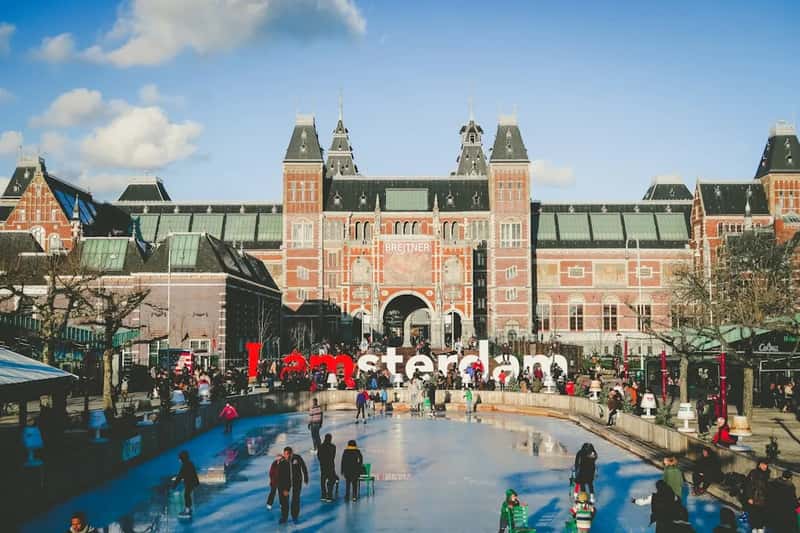
Amsterdam has been regulating short-term rentals for years, but 2026 brought a sharp new tightening. Currently, homeowners can rent out their property on platforms like Airbnb for up to 30 nights per year, though from 1 April 2026, this will be cut to 15 nights in the city centre and the Pijp district.[4] That’s a dramatic reduction in one of the most popular tourist zones in the Netherlands, and it applies specifically to whole-home holiday rentals rather than hosted room shares.
The city isn’t just relying on an honor system either. Amsterdam enforces the 30 nights per calendar year rule strictly and even one extra booking can result in penalties.[5] Fines for violations are steep, and the city’s vacation rental team actively cross-references booking data against permits. Interestingly, the crackdown hasn’t crushed demand: strict regulation reshapes short-term rental revenue rather than destroying it, with Amsterdam maintaining a average daily rate of around $307 despite the 30-night cap[6], suggesting hosts are adapting rather than disappearing entirely.
Paris: A Patchwork of Caps, Registrations, and Rising Fines

Paris has arguably built the most bureaucratically layered system of any city on this list. Primary residences are capped at 120 nights per year, and all short-term lets require registration with the Mairie de Paris before listing.[7] Secondary residences face an even tougher hurdle, since renting them out short-term typically requires a formal change-of-use authorization that can be extremely difficult to obtain in central districts.
France’s national “Loi Le Meur,” which came into force in late 2024, gave municipalities the power to tighten things further. The Loi Le Meur introduces tighter controls, reducing rental limits in high-demand zones to 90 days and imposing stricter fire safety and housing compensation requirements.[8] Enforcement has followed through with real financial teeth: Paris city hall has initiated more than 500 proceedings and imposed over 6 million euros in fines since 2023.[9] With a new EU-wide data-sharing framework for short-term rentals also taking effect in 2026, hiding an over-limit listing in Paris is becoming close to impossible.
Venice: Registration, Guest Limits, and the Fight Against Overtourism
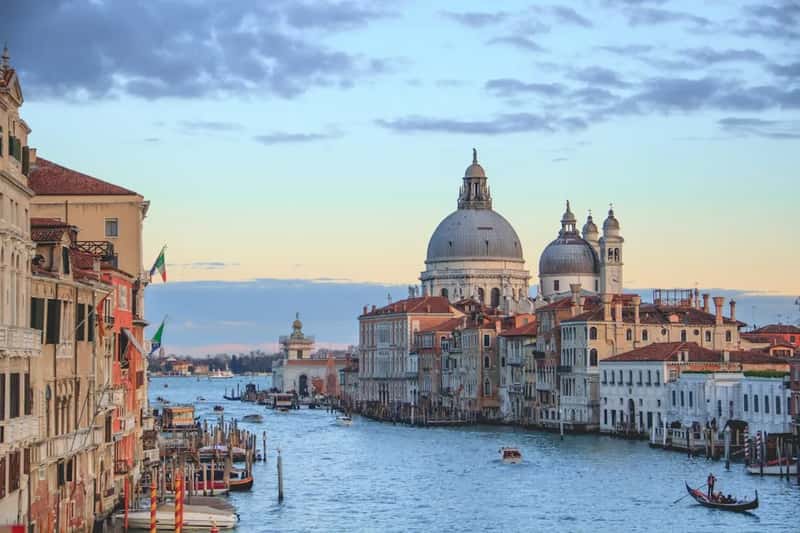
Venice’s fragile geography and overwhelming visitor numbers have pushed the city toward some of Italy’s tightest short-term rental controls. To legally operate a short-term rental in Venice, hosts must register their property with the Single Desk for Receptive Activities and obtain a national identifying code, which must be displayed on all advertisements.[10] On top of that, there’s a firm ceiling on scale: each host can only rent out a maximum of three short-term properties, and exceeding this limit requires additional permits and may categorize the operation as a commercial business.[10]
Beyond the rental rules themselves, Venice has also tackled overtourism at the city-entry level. The Venice Access Fee, first introduced in 2024, applies in 2026 too, aimed at day-trippers as part of an ongoing battle against overtourism.[11] Overnight guests, including those staying in short-term rentals, are exempt from that particular fee but still pay the standard municipal tourist tax. Combined with mandatory guest reporting to Italian authorities within 24 hours of check-in, Venice has effectively made anonymous, unregulated tourist letting a thing of the past.
Berlin: The Zweckentfremdungsverbot and Its Long Reach

Berlin’s approach to short-term rentals predates much of the current European wave, and it remains one of the strictest frameworks around. The city’s so-called Zweckentfremdungsverbot, or “misuse ban,” restricts owners from renting out an entire apartment to tourists without a specific registration number and, in many cases, a formal permit from the district housing office. The underlying logic is straightforward: apartments are meant to house Berliners first, and turning them into full-time holiday flats undermines that purpose.
In practice, this means residents can typically let their own home short-term for a limited number of days a year without extra permission, but renting out a separate, unoccupied unit as a de facto hotel room generally requires special authorization that’s hard to secure in high-demand districts. Violations can trigger substantial fines, and the city has used the threat of penalties to discourage the kind of large-scale, investor-driven listings that once flourished on booking platforms. It’s a quieter enforcement story than Barcelona’s headline-grabbing ban, but it has shaped Berlin’s rental market for over a decade.
Florence: Freezing New Licenses in the Historic Core

Florence took a decisive step in 2023 when its city council voted to halt new short-term rental registrations within the UNESCO-listed historic center, a policy that continues to shape the market through 2026. The goal was to stop the steady conversion of residential apartments into tourist lodging in the city’s most visited, most fragile district, where locals had been complaining for years about disappearing neighbors and rising rents driven by holiday-let conversions.
Existing short-term rentals in the historic center were generally allowed to continue operating, but the freeze on new listings sent a clear signal that Florence intended to protect its residential core rather than let the market keep expanding unchecked. The move was notable because it came from local government initiative rather than national legislation, showing that Italian cities can act independently of Rome when overtourism pressures become acute enough. Other Italian cities have since watched Florence’s experiment closely as they consider similar restrictions of their own.
What This Means for Travelers and Hosts

Taken together, these six cities illustrate a broader shift in how Europe thinks about short-term rentals. It’s no longer simply a question of collecting tourist tax and calling it done. Cities are now willing to cap nights, freeze licenses, demand national registration numbers, and in Barcelona’s case, eliminate the whole tourist-apartment category over time. For travelers, this often means fewer whole-apartment listings in central neighborhoods, more emphasis on licensed operators, and occasionally higher prices as supply tightens.
For hosts and investors, the message is equally clear: compliance is no longer optional or loosely enforced. Registration numbers, occupancy caps, and data-sharing between platforms and municipalities have turned casual, under-the-radar hosting into a much riskier proposition. Anyone considering entering these markets in 2026 and beyond needs to treat local regulation as a central part of the business plan, not an afterthought.
A Continent Rethinking Its Relationship With Tourism

These six cities aren’t outliers so much as early movers in a trend that seems likely to spread. Housing affordability pressures aren’t unique to Barcelona or Amsterdam, and plenty of other European destinations are watching these experiments closely before deciding how far to go themselves. The European Union’s move toward standardized short-term rental data reporting across member states suggests the regulatory infrastructure for stricter enforcement is only going to get more sophisticated.
Whether these policies ultimately solve the housing crunch they were designed to address is still an open question, and the debate between residents, tourism boards, and property owners is far from settled. Still, one thing is hard to dispute: the era of treating European city apartments as a limitless supply of tourist beds is winding down, city by city, rule by rule.