New parents around the world experience wildly different realities in the weeks and months after a baby arrives. In some countries, families get the better part of a year, sometimes longer, to adjust, bond, and recover, all while receiving a paycheck. In others, workers are sent back to their jobs within days, with little more than good wishes from an employer who owes them nothing by law.
The gap between these two extremes says a lot about how societies value caregiving, gender equity, and the basic economics of raising children. Below is a closer look at seven countries doing right by new parents, followed by five where the safety net barely exists.
1. Bulgaria: The World’s Longest Paid Maternity Leave

Bulgaria consistently tops global rankings for the sheer length of its paid leave. Bulgaria offers 410 days of maternity leave at 90% of the mother’s salary. That works out to well over a year of income replacement, an arrangement almost unheard of anywhere else on the planet.
What makes the Bulgarian system notable isn’t just the duration but the wage replacement rate. Many countries offer long leave at reduced pay, but Bulgaria keeps compensation close to a worker’s normal earnings for most of that stretch, which removes much of the financial anxiety that typically accompanies extended time away from a job.
2. Estonia: Nearly a Year and a Half of Combined Leave
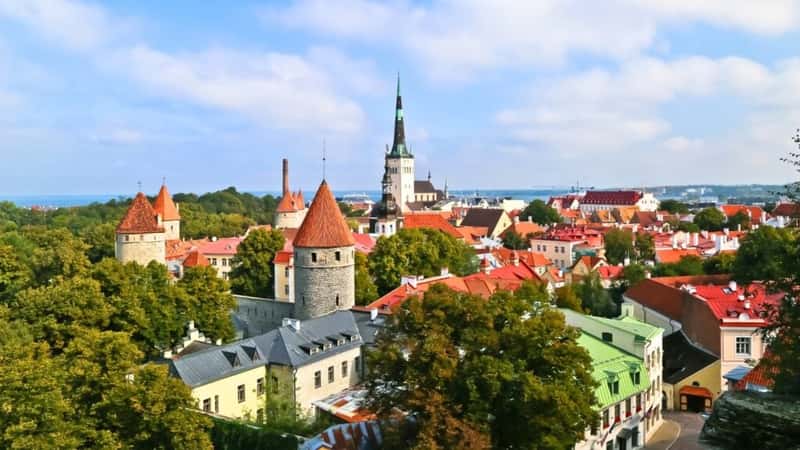
Estonia has built one of the most comprehensive parental leave systems in Europe, blending maternity, paternity, and shared parental leave into a single generous package. Estonia offers a total of 435 days of combined parental leave for two caretakers who would raise the child from birth. Other estimates put the figure even higher when factoring in additional entitlements.
Fathers aren’t an afterthought in Estonia’s model either. The system includes two weeks of full pay for the father to be involved after the child is born. Compared side by side with global peers, Estonia has been cited as offering more than a year and a half of paid leave to new parents, by far the highest benefit provided by any of the countries represented in one widely referenced OECD comparison.
3. Sweden: A Model Built Around Shared Responsibility
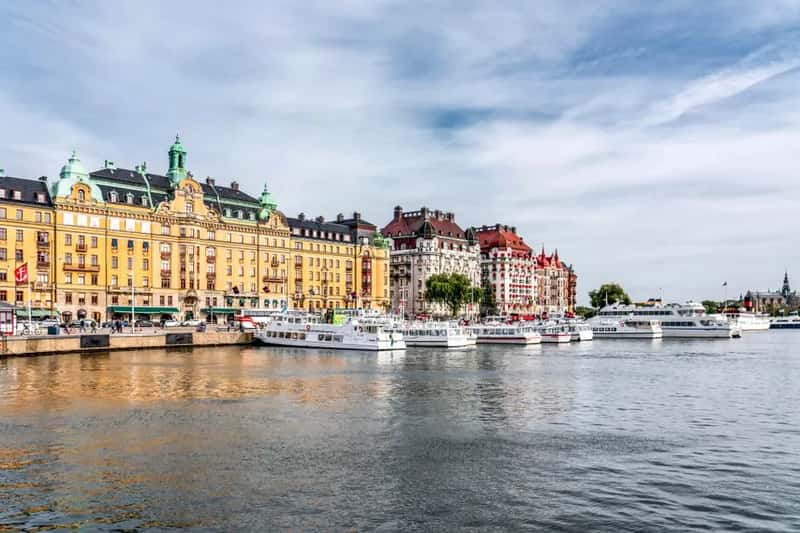
Sweden’s parental leave system is famous for how deliberately it pushes fathers to take an active role. Sweden provides a total of 480 days of paid parental leave but reserves 90 days for each parent. That reserved quota means the benefit can’t simply be transferred entirely to the mother, which has meaningfully increased how much time Swedish fathers actually spend at home with infants.
The structure also allows flexibility that many systems lack. Parents can stretch the leave out in blocks, work part time while drawing partial benefits, or use days up until the child turns a certain age, giving families room to plan around their own circumstances rather than a rigid calendar.
4. Norway: High Pay, High Flexibility
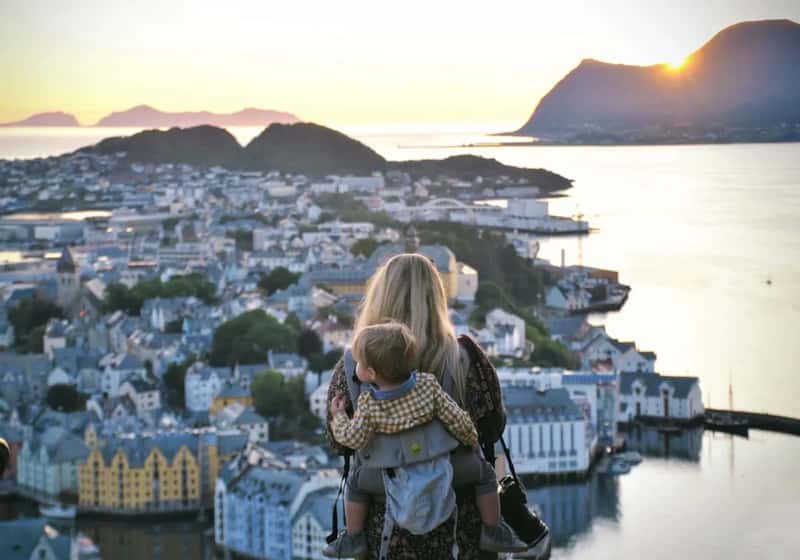
Norway blends a lengthy leave period with one of the more generous wage replacement structures in the world. Norway offers up to 59 weeks of leave. Parents choosing a shorter leave period can receive full salary replacement, while those opting for a longer stretch typically settle for a somewhat reduced rate.
Norwegian fathers have their own dedicated allotment that can’t be signed over to the mother, a design choice mirrored in several other Nordic countries. Fathers in Norway have a choice, and the system might seem a bit more complicated than in some other countries for fathers seeking paternity leave, but the underlying goal is the same: normalize men taking real time off for childcare.
5. Japan: Generous on Paper, Complicated in Practice
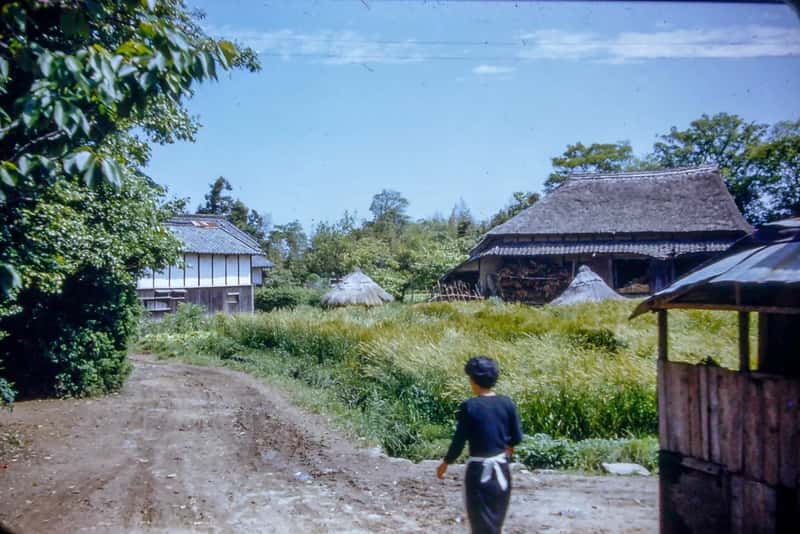
Japan’s parental leave law is remarkably generous by global standards, at least in terms of what’s written into the statute books. Japan offers up to a year of leave, and it arguably has the most generous paternity leave laws in the world on paper, but uptake remains low due to workplace culture. Fathers are entitled to leave that rivals or exceeds what’s available in most of Europe.
The catch is cultural rather than legal. Many Japanese fathers hesitate to use their full entitlement out of concern about how it will look to supervisors and colleagues, which means the policy’s real world impact often falls short of its generous design. It’s a reminder that a strong law doesn’t automatically translate into a strong practice.
6. South Korea: A Response to a Demographic Crisis

South Korea’s parental leave policy has become part of a broader national effort to address one of the lowest birth rates anywhere in the world. South Korea offers 90 days of maternity leave and up to one year of parental leave. The government has steadily expanded these benefits in recent years as it searches for ways to make parenthood less financially and professionally daunting.
As in Japan, the policy’s ambition doesn’t always match how it plays out at the office. While the policy is generous on paper, cultural stigma often discourages full utilisation, especially by fathers. Even so, the entitlement itself remains one of the more substantial parental leave packages in Asia.
7. Spain: A Fast-Moving Overhaul for Fathers
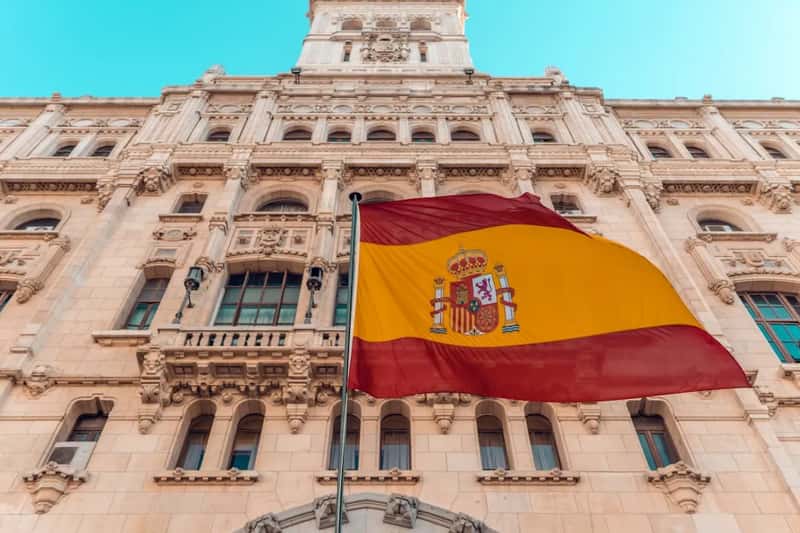
Spain has been reshaping its parental leave system with a particular focus on equalizing time off between mothers and fathers. Recent reforms have expanded paid leave that fathers can take, moving the country toward one of Europe’s more balanced arrangements between parents rather than one heavily skewed toward mothers alone.
The changes reflect a broader European trend of treating paternity leave not as a courtesy but as a structural tool for gender equity at home and at work. As these reforms continue to phase in, Spain is increasingly mentioned alongside the Nordic countries as a place where fathers are expected, not just permitted, to take meaningful time off.
8. The United States: The Wealthy World’s Lone Holdout

The United States remains the striking exception among wealthy nations when it comes to parental leave. The U.S. is the only OECD member country, and one of only six countries in the world, without a national paid parental leave policy. Whatever paid leave American workers get generally comes from their employer or their state, not from a federal guarantee.
Federal law does offer some protection, just not pay. The United States does have The Family and Medical Leave Act, which provides certain employees, including those who are pregnant or caring for a newborn child, the option to take up to 12 weeks of unpaid, job-protected leave. The trouble is eligibility: the primary issue with FMLA is that it only applies to employees at certain companies, such as those with 50 or more employees in 20 or more workweeks in the current or previous calendar year.
9. Papua New Guinea: No Statutory Maternity Pay

Papua New Guinea sits among the small handful of nations with no legally mandated maternity pay whatsoever. There are now just four countries in the world in which there’s no statutory maternity pay: Papua New Guinea, South Africa, Tonga and the U.S., according to a 2025 analysis of data from more than 170 countries. For families there, financial support during and after childbirth depends almost entirely on individual employers or personal savings.
The country’s leave laws also rank among the weakest globally in terms of duration. Papua New Guinea, the Marshall Islands, and Tonga are among the countries with the shortest or no mandated maternity leave, and in these countries, there are either no formal legal protections for paid maternity leave or the available leave is limited to a few weeks of unpaid time, leaving new parents without adequate support during the critical postpartum period.
10. Tonga: Minimal Legal Protection for New Mothers

Tonga appears repeatedly on lists of countries with little to no statutory maternity pay, placing it in the same narrow category as the United States and Papua New Guinea. As island nations with smaller formal labor markets, Tonga and its Pacific neighbors have historically lagged behind larger economies in building out comprehensive social insurance systems for new parents.
Without a national paid leave mandate, new mothers in Tonga are largely dependent on whatever arrangement their individual employer is willing to offer. This leaves working families in a precarious position, particularly in industries where formal employment protections are thin to begin with.
11. South Africa: A Notable Gap Despite Regional Influence

South Africa’s absence from the list of countries with guaranteed paid maternity pay is somewhat surprising given its size and economic weight on the African continent. South Africa is named alongside Papua New Guinea, Tonga, and the United States as one of the only four countries in the world with no statutory maternity pay as of the most recent comprehensive global analysis.
South Africa does have the Unemployment Insurance Fund, which some new mothers can draw on, but this operates as a separate insurance mechanism rather than a guaranteed employer or state paid leave benefit tied directly to maternity. The distinction matters because it means coverage and payout levels can vary considerably depending on a worker’s prior contributions and employment history.
12. Suriname: Limited Coverage in a Small Labor Market
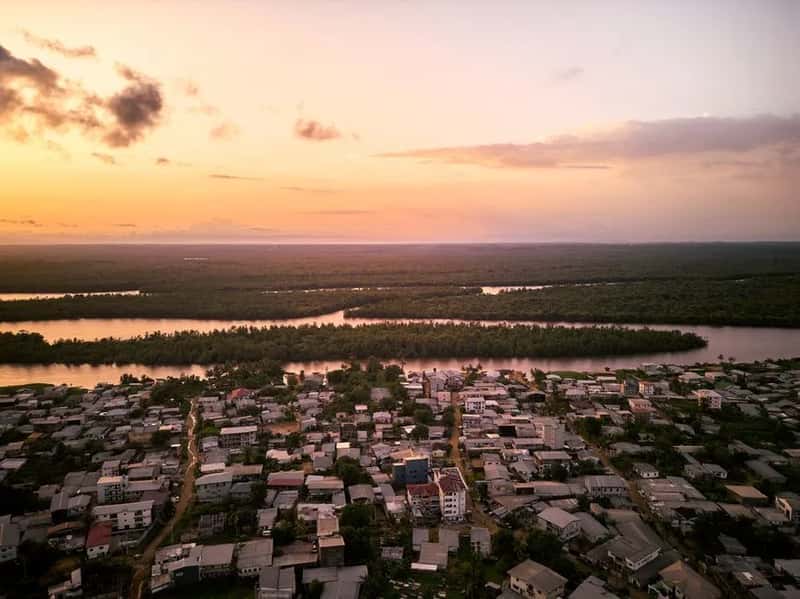
Suriname is regularly listed among the handful of nations that don’t offer any form of paid maternity leave at the national level. The short list includes Papua New Guinea, Suriname, the Marshall Islands, Micronesia, Nauru, Palau, Tonga, and the United States. That places this small South American nation in exceptionally rare company on the global stage.
As with several of the other countries on this list, the absence of a national mandate doesn’t necessarily mean zero support exists for every worker. It does mean, however, that Suriname’s new parents can’t count on the kind of guaranteed income protection that has become standard practice across most of Europe, much of Asia, and increasingly Latin America.
The distance between Bulgaria’s 410 fully funded days and the complete absence of guaranteed pay in countries like the United States, Papua New Guinea, Tonga, South Africa, and Suriname illustrates just how uneven global family policy remains. The United States is the only country without a paid family leave policy among nations in an organization made up of the largest economies called the OECD. Meanwhile, nations from Eastern Europe to the Nordic region continue pushing their systems even further, treating paid time with a newborn less as a workplace perk and more as a basic feature of a functioning society.