The world of remote work has completely transformed how we think about living and earning. Picture yourself sipping espresso on a Croatian coastline while your laptop hums with work, or navigating medieval streets in Portugal during your lunch break. These aren’t fantasies anymore. They’re becoming the everyday reality for thousands of people who’ve discovered digital nomad visas. The catch? Some countries practically roll out the red carpet for remote workers, while others have turned the application process into something resembling an obstacle course.
Currently, 66 countries offer digital nomad visas, each with wildly different requirements, processing times, and pathways to residency. Think of it as shopping for your perfect remote work destination, except the price tags aren’t just in euros or dollars. They’re measured in income thresholds, bureaucratic hoops, and sometimes sheer luck. Let’s be real, navigating this landscape can feel overwhelming when you’re staring at minimum salary requirements that range from roughly two thousand dollars monthly to nearly six times that amount. Some nations have streamlined their processes to welcome you within weeks, while others might keep you waiting for months with paperwork that could fill a small suitcase.
So which countries are actually making it easy for digital nomads to set up shop? Which ones seem determined to keep remote workers at arm’s length? Let’s dive into the nations that have figured out how to welcome the world’s growing tribe of location-independent professionals, and the places where getting approved feels like winning a lottery.
Portugal: The Mediterranean Gateway with Reasonable Demands

Portugal requires digital nomads to have a consistent monthly income of at least €3,480 per month, which honestly feels manageable compared to some European alternatives. As of 2024, over 2,600 visas have been issued to digital nomads moving to Portugal, with American digital nomads receiving the most visas, followed by Brazilian and British remote workers. The application itself doesn’t require jumping through endless hoops either. You’ll need proof of remote employment, bank statements, health insurance, and a clean criminal record, which are pretty standard requirements that most legitimate remote workers can easily provide. The processing time for the D8 Visa typically takes around 30-60 days, giving you a clear timeline instead of leaving you in limbo indefinitely.
What makes Portugal particularly appealing is the lifestyle factor combined with practicality. Many digital nomads from around the world who have chosen Lisbon as their temporary home eventually end up living there or applying for permanent residency. The country’s thriving expat communities, excellent English proficiency in urban areas, and relatively affordable cost of living create an environment where remote workers can genuinely thrive. Though it’s worth noting that recent changes have extended the pathway to citizenship from five to ten years, which might disappoint those hoping for a faster route to EU citizenship.
Croatia: Tax-Free Living Along the Adriatic
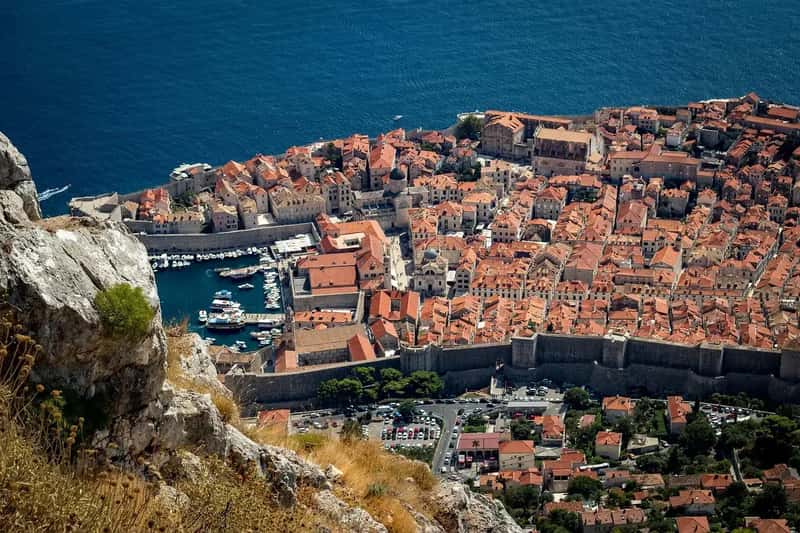
Croatia stands out for one particularly attractive feature that makes wallets happy. One of the most unique aspects of Croatia’s digital nomad visa program is that it exempts digital nomads from paying local income tax during their stay. As of August 2025, the duration of the Croatia Digital Nomad Visa has been extended to 18 months, with the option to renew once, allowing up to 3 years total. The income requirement sits at a reasonable level too, asking for roughly €3,295 monthly with increases for family members.
The application process itself doesn’t throw unnecessary obstacles in your path. You apply online, provide standard documentation proving remote work status, and wait for approval without needing to schedule complex embassy appointments or navigate labyrinthine bureaucratic systems. Croatia’s growing digital nomad communities in cities like Split, Zadar, and Zagreb mean you’ll find coworking spaces, networking events, and fellow remote workers without much effort.
Estonia: The Digital Pioneer with Tech-Savvy Systems
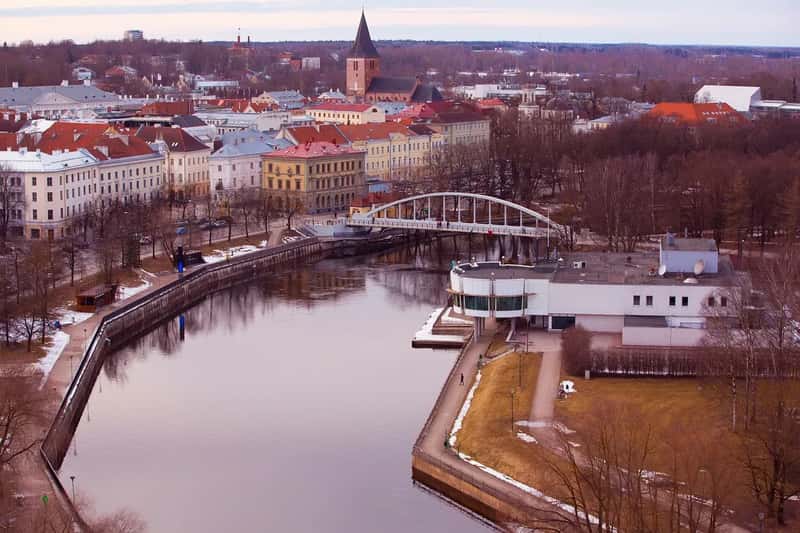
As of August 1, 2020, those eligible can apply to live in Estonia for up to a year with peace of mind that they can legally work, making Estonia one of the earliest adopters of digital nomad-friendly policies. The income requirement is €3,504 per month, and the application process is fully online, benefiting from Estonia’s advanced digital infrastructure. Here’s the thing about Estonia: the country basically runs on digital services. Estonia introduced e-residency in 2014, and in mid-2020, the government opened the Digital Nomad Visa program for remote specialists who are not tied to one location.
The process takes up to 30 days, and you pick up the visa at the nearest Estonian Embassy. The infrastructure is genuinely impressive for remote workers who value reliable internet, minimal bureaucracy, and a tech-forward culture. While the income requirement sits slightly higher than some alternatives, the streamlined application and Estonia’s reputation as a startup hub make it worth considering for digitally-oriented nomads.
Spain: The Long-Term European Option with Family Benefits

Spain rolled out its digital nomad visa in early 2023 and it quickly became one of the most requested options available. It permits individuals to live and work in Spain for up to 12 months, with a minimum income requirement of €2,760 per month, and can be renewed for up to five years. The real draw here is the combination of duration and flexibility. Digital nomads get 3-year residence permits, subject to extension for another 2 years, and after 5 years of living in Spain, a digital nomad can apply for a permanent residence permit.
Spain’s visa also allows you to bring family members including your spouse, partner, or children under 18. You can work for a Spanish company on top of any current self-employment work as long as your earnings don’t exceed 20% of your total income, which provides more flexibility than many competing programs. The application typically processes within 15 to 45 business days, though consulate times can vary. Spain’s vibrant culture, excellent weather, and widespread English proficiency in major cities create an environment where settling in feels natural rather than forced.
Mexico: Budget-Friendly with Minimal Bureaucracy

Mexico requires $2,595/month or $43,000 savings, offers stays up to 4 years, provides low living costs, and offers U.S. time zone compatibility. Let’s be honest, Mexico has been a digital nomad hotspot for years before formal visa programs even existed, and the official route simply formalized what was already happening organically. The application process doesn’t demand excessive documentation or involve months of waiting. You demonstrate financial stability through bank statements or savings accounts, prove your remote work status, and you’re largely good to go.
The cost of living remains significantly lower than most Western countries, which means your remote salary stretches considerably further. Being in compatible time zones with North American clients or employers eliminates the headache of scheduling meetings at ungodly hours. Major cities like Mexico City, Playa del Carmen, and Guadalajara have built thriving digital nomad communities with coworking spaces, reliable internet, and social infrastructure specifically catering to remote workers.
Thailand: Tropical Living with Five-Year Validity
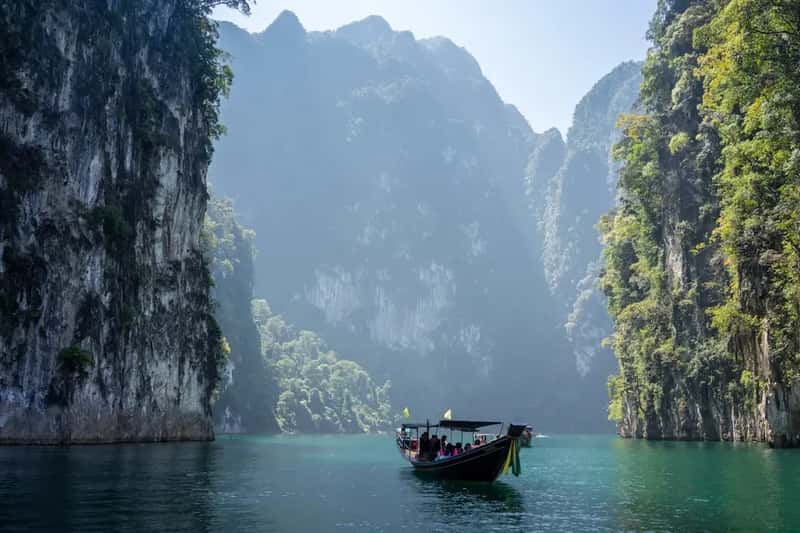
Thailand requires $2,500/month income, charges a $1,800 fee, and offers a 5-year visa with tropical lifestyle and expat hubs. The government of Thailand introduced its new Destination Thailand Visa in July 2024, permitting a maximum stay of up to 180 days per visit for digital nomads, freelancers, and participants in cultural activities, and it permits multiple entries and is valid for five years. The caveat? You need to leave and re-enter every 180 days, paying the application fee each time, but the five-year validity means you’re not constantly reapplying from scratch.
Thailand has cultivated a massive digital nomad scene for over a decade, with cities like Chiang Mai and Bangkok offering everything from coworking spaces to nomad-focused accommodation and social events. The tropical climate, low cost of living, and extensive infrastructure for remote workers create an environment where work and lifestyle balance feels achievable without constant stress.
Italy: Mediterranean Living with Educated Professional Requirements

Launched in April 2024, Italy’s Digital Nomad Visa targets highly skilled professionals employed outside Italy, grants a one-year renewable permit, and requires a minimum annual income of approximately €30,000. Italy demands more from applicants than some alternatives. Requirements include a college degree (minimum three years) or a professional license for their trade or be able to show documentation of notable experience, proof of six months of working experience in the field they wish to work in remotely, and a minimum annual income of USD $30,000.
The application requires in-person submission at Italian consulates, which adds a layer of complexity compared to fully online systems. Processing times can vary significantly depending on the consulate’s workload. Still, for those who meet the educational and experience requirements, Italy offers unmatched cultural richness, stunning landscapes, and excellent food. The visa allows family members to join and provides access to the Schengen Area, making it worthwhile despite the slightly more demanding application process.
South Korea: Experience Requirements Creating Barriers

South Korea has slightly stricter rules for digital nomads than other nations, requiring applicants to have at least a full year of experience in their field already under their belt. While a year of experience doesn’t sound unreasonable on the surface, it creates an additional verification step that complicates applications. You need to prove not just your current employment or freelance status, but also document your work history in your specific field. This requirement targets established professionals rather than younger digital nomads or those transitioning into new careers.
The visa does offer potential pathways to permanent residency, which provides a silver lining for those willing to navigate the stricter entry requirements. The infrastructure in cities like Seoul and Busan is excellent for remote work, with lightning-fast internet and abundant coworking spaces. Yet the additional barriers to entry place South Korea among the more challenging options compared to countries with simpler qualification criteria.
Bulgaria: Recent Launch with High Income Demands

Bulgaria officially introduced a dedicated Digital Nomad residence permit in July 2025 in a two-step process: you first obtain a Type D long-stay visa from a Bulgarian embassy/consulate, then apply in-country to the Migration Directorate for a one-year residence permit. The minimum income required is 50 times the statutory minimum monthly salary for the prior year, which translates to a significant financial threshold. Based on 2024 rates, this equals 53,850 BGN, roughly €27,550 annually.
The two-step process adds complexity compared to single-application systems. You can’t simply apply online and receive approval. Instead, you must navigate both consular processes abroad and then handle additional bureaucracy within Bulgaria itself after entry. The Type D visa application requires a mandatory in-person interview at a Bulgarian embassy/consulate, then applying for the residence permit with the Migration Directorate after entry. For a program that only launched recently, the relatively high barriers to entry make Bulgaria a tougher option than neighboring countries with more established, streamlined digital nomad programs.
Indonesia: Elevated Income with Limited Renewal Options

The government of Indonesia introduced the Remote Worker Visa program on 1 April 2024, permitting eligible foreign nationals to live in Indonesia while working remotely for their overseas employer for up to one year, with the option to renew for another year, and to qualify, applicants must be employed by a foreign company and earn a minimum annual income of USD 60,000. That $60,000 yearly income requirement immediately puts Indonesia out of reach for many remote workers, particularly those from countries with lower average salaries or freelancers building their client bases.
The two-year maximum stay (with renewal) feels limiting compared to programs offering three to five-year permits. Bali has become synonymous with digital nomad culture, yet the official visa program creates financial barriers that seem misaligned with the previously accessible, informal remote work scene the island cultivated. The high income threshold combined with relatively short duration places Indonesia firmly among the more difficult formal visa options, despite the country’s popularity with location-independent workers.
Turkey: Age and Degree Requirements Adding Complexity

Turkey has introduced an official Digital Nomad Visa in April 2024 for remote workers aged 21-55 from 36 eligible countries, and applicants must work for foreign employers or be self-employed abroad, hold a university degree, and earn a minimum monthly income of $3,000 USD. The age restriction immediately excludes younger digital nomads under 21 and more established remote workers over 55, creating arbitrary barriers based on birth year rather than capability or financial stability. The university degree requirement further narrows eligibility, shutting out self-taught professionals, skilled tradespeople working remotely, or those who built successful careers without formal higher education.
The visa application itself requires an in-person visit to a Turkish embassy, consulate, or visa office after applying online for the Digital Nomad Identification Certificate. This multi-step process with mandatory in-person components creates additional hurdles compared to fully streamlined digital applications. Turkey’s vibrant cities and lower cost of living make it appealing, but the qualification criteria place unnecessary restrictions on who can actually access the program.
Taiwan: Recent Launch with Age and Income Specifics

On 2 January 2025, Taiwan introduced a new visa program tailored for digital nomads allowing foreign nationals to live and work remotely from Taiwan for up to six months, open to individuals aged 30 or above with an annual income of at least US$40,000 in one of the last two years. The age restriction of 30 and above excludes younger remote workers entirely, regardless of their income, skills, or professional accomplishments. This arbitrary cutoff seems particularly puzzling given the tech-savvy nature of Taiwan and its appeal to younger digital professionals.
The six-month duration without clear extension pathways limits the visa’s usefulness for those seeking longer-term bases. While Taiwan offers excellent infrastructure, fascinating culture, and strong internet connectivity, the age restriction combined with moderate income requirements and short duration make it less accessible than competing Asian options like Thailand’s five-year visa or alternatives without age limitations.
Greece: Strict Work Restrictions During Stay

Greece introduced its digital nomad visa in 2021, but holders are not permitted to work for a Greek company or conduct business activities while in Greece, and they are strictly limited to conducting business and work activities on behalf of their home country employer. This restriction eliminates any flexibility to take on local projects, collaborate with Greek businesses, or build professional networks within the country. The rigidity feels particularly limiting for freelancers who typically work with diverse international clients or those whose work naturally involves collaboration across borders.
The inability to engage with the local economy in any professional capacity creates an isolated experience compared to programs that allow limited local work or business activities. While Greece offers incredible history, beautiful islands, and Mediterranean lifestyle, the strict work limitations during your stay make the visa less practical for remote workers who value professional flexibility and opportunity for local engagement.
Norway: Local Client Requirements Defeating the Purpose
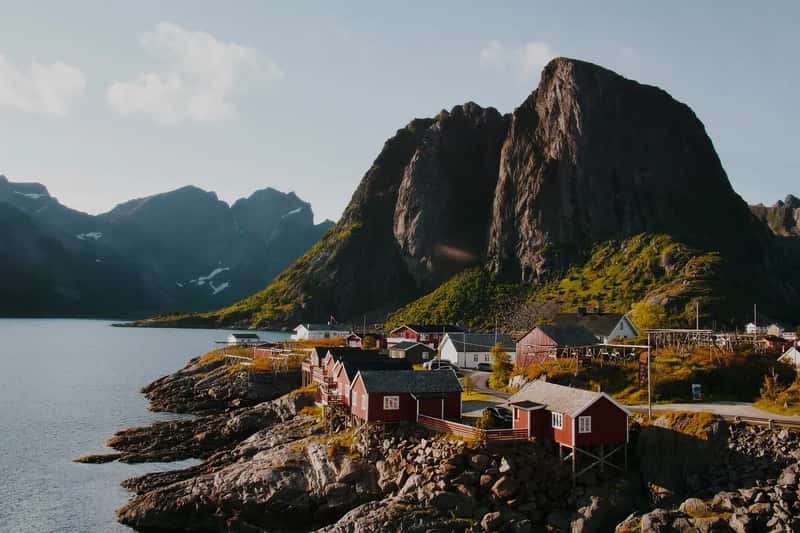
Eligible non-EU digital nomads can apply for a residence permit and independent contractor visa to live and work remotely in Norway, but applicants must have at least one Norwegian client and are required to pay local taxes under the scheme. The requirement to secure a Norwegian client before qualifying essentially defeats the purpose of a digital nomad visa. If you’re already established enough to have Norwegian clients, you could likely pursue traditional work permits or business visas instead. This requirement creates a catch-22 situation where you need local business connections to qualify for a visa designed for location-independent workers.
The mandatory local tax obligations add further complexity, requiring navigation of Norwegian tax systems even for income earned from other countries. Norway’s high cost of living compounds these difficulties, making it one of the least accessible digital nomad options despite the country’s quality of life, natural beauty, and excellent infrastructure. The program seems designed more for independent contractors specifically targeting the Norwegian market rather than truly location-independent digital nomads.
The digital nomad visa landscape continues evolving rapidly, with new programs launching and existing ones adjusting requirements based on application volumes and economic impacts. What worked for someone two years ago might have completely different requirements today, as we’ve seen with recent changes in Portugal’s citizenship timeline and Spain’s increasing income thresholds. Countries are learning from each other, adapting their approaches, and sometimes tightening restrictions after initial open-door policies.
What’s your take on these digital nomad visa options? Have you navigated any of these application processes yourself, or are you considering making the leap? The gap between the easiest and toughest programs reveals how differently nations value and approach remote worker immigration. Which approach do you think makes more sense?