There’s a stubborn assumption that happiness follows income, that the richer a country gets, the more content its people become. Global rankings tell a messier story. Year after year, a handful of nations with modest economies, patchy infrastructure, and low wages still land near the top of well-being surveys, sometimes outscoring countries many times wealthier.
The explanations vary from place to place, but a few threads keep showing up: tight family networks, strong community bonds, and a kind of resilience that doesn’t show up on a balance sheet. Here are seven nations where low income and high contentment somehow coexist, and what researchers think is driving it.
Vanuatu: island life without the imported stress
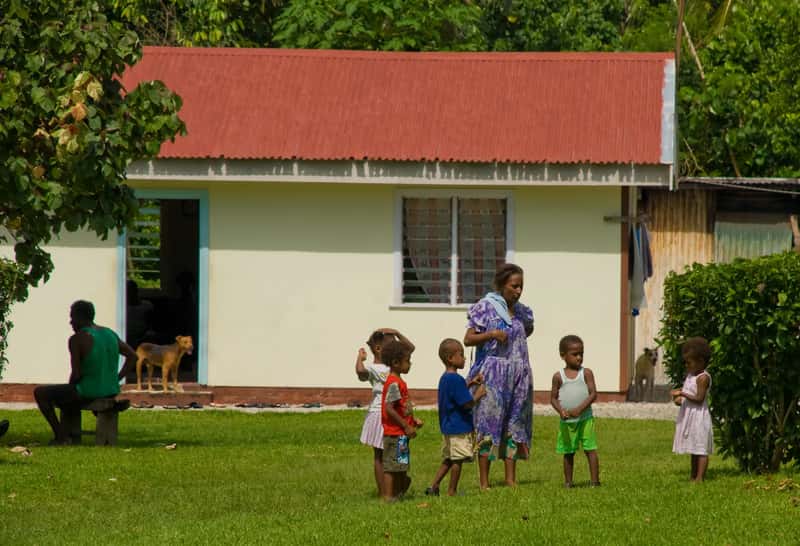
Vanuatu is a scattered archipelago of roughly 300,000 people, and by conventional economic measures it ranks among the poorest nations on Earth. Yet it has repeatedly topped the Happy Planet Index, a measure that weighs well-being and life expectancy against environmental impact, taking the top spot in 2021. Its ecological footprint is tiny compared to wealthier nations, and its life expectancy and reported well-being still stack up favorably against much richer countries.
Part of the explanation is structural rather than cultural. More than 85% of the population have free access to indigenous lands, and more than half of all households in the country possess the knowledge to transform accessible natural resources into housing, medicines, and food. That kind of self-sufficiency means daily life is less dependent on cash income than it would be almost anywhere else. It also helps explain why despite a GDP per capita that is 15 times smaller than neighbouring Australia, the island nation has been consistently democratic and peaceful since its independence in 1980 and has a vibrant traditional economy supporting the indigenous supermajority.
Nicaragua: happiness efficiency in Central America
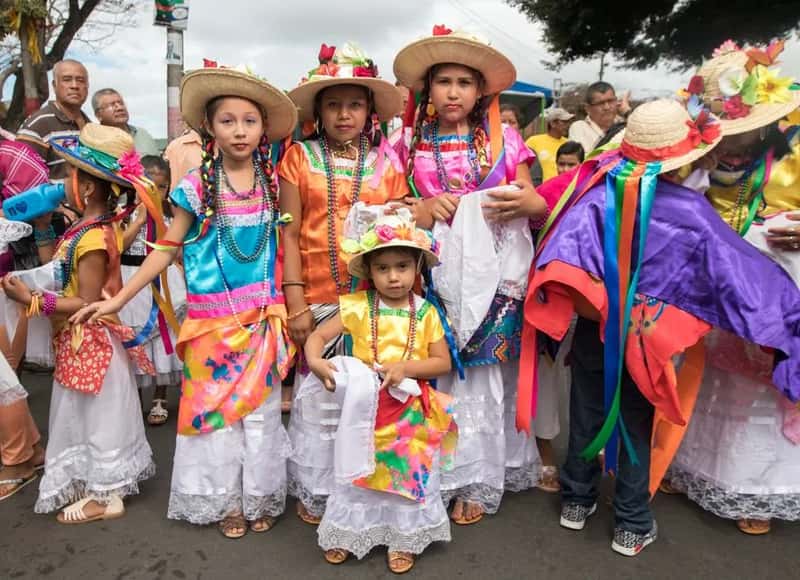
Nicaragua rarely makes headlines for its economy, and when it does, the news is usually about how far behind its neighbors it has fallen. Even so, Nicaragua is the second poorest country in Central America by most income measures, yet it has been a fixture near the top of global happiness efficiency rankings for over a decade. Its nominal income per person remains among the lowest in the Western Hemisphere, a fact that makes its wellbeing numbers stand out even more.
The Happy Planet Index, which factors in life satisfaction alongside life expectancy and ecological footprint, has been kind to Nicaragua for years running. Nicaragua has ranked in the top 11 for the Happy Planet Index every year since 2009, and in the most recent full dataset it placed among the five highest scoring nations worldwide. Analysts studying the region point to close-knit family structures and a slower, less consumption-driven pace of life as recurring themes, patterns that echo across much of Central America rather than being unique to one country.
El Salvador: small economy, surprisingly strong wellbeing scores

El Salvador is one of the smallest and most densely populated countries in the Americas, and its economy has long struggled with limited growth and high emigration. Still, it shows up consistently among the countries with the strongest sustainable wellbeing outcomes. Among the countries with the highest Happy Planet Index scores are Vanuatu, Sweden, El Salvador, Costa Rica, and Nicaragua, placing this small Central American nation in genuinely elite company on a measure that most wealthy countries fail to crack.
The country’s specific figures help explain why it keeps appearing on these lists. El Salvador recorded a life expectancy of 70.7 years and a well-being score of 6.40 out of 10, figures that sit comfortably alongside nations with far larger economies. A modest ecological footprint only reinforces its position, since indexes like the HPI reward efficient living rather than raw consumption or GDP size.
Colombia: decades of hardship, decades of high life satisfaction

Colombia presents one of the more striking contradictions on this list. The country spent decades associated internationally with armed conflict and instability, yet its people have consistently reported some of the highest life satisfaction scores anywhere in the world. Colombia has spent decades known internationally for conflict, yet its people have just as consistently ranked among the happiest in global surveys.
This isn’t a recent or fluke result either. Colombia has held a spot in the top six countries on the Happy Planet Index every year since 2006, one of the longest such streaks recorded. Even in its earliest form, the index captured this pattern clearly, since as far back as 2006, out of 178 countries surveyed, the top scoring nations included Vanuatu, Colombia, Costa Rica, Dominica, and Panama. Researchers keep returning to Colombia as a case study precisely because the gap between hardship and reported contentment has proven so durable.
Kosovo: a young country with an unexpectedly high happiness rank

Kosovo is one of Europe’s youngest nations and, by most economic measures, one of its poorest. It is still working through the long aftermath of conflict, and youth unemployment remains stubbornly high. Despite all that, Kosovo is widely regarded as one of the poorest economies in Europe, still rebuilding decades after conflict and carrying high youth unemployment, yet it has become one of the more surprising entries in recent global happiness data.
The numbers behind that surprise are hard to ignore. Kosovo ranked 16th in the 2026 World Happiness Report, one of only a handful of countries outside Western Europe to crack the global top 20, a placement that put it ahead of numerous wealthier nations, including several long established EU economies. Researchers studying the case point to a familiar set of explanations: strong family cohesion, a young population with an optimistic outlook, and close community ties built during years of hardship as likely contributors. It remains an unusual case precisely because its happiness ranking has kept climbing even as its economic indicators stayed among the weakest on the continent.
Bangladesh: dense, poor, and stubbornly resilient
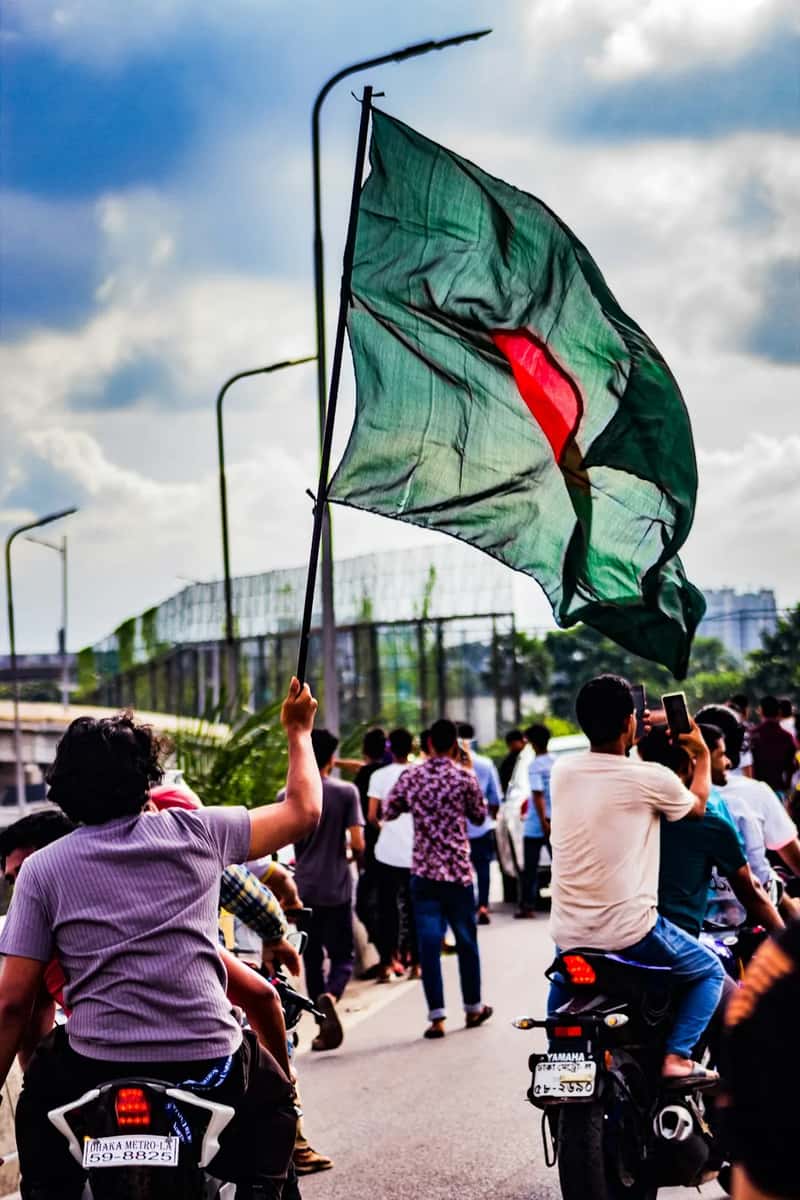
Bangladesh has long carried the label of one of South Asia’s poorest and most crowded nations, with more than 170 million people packed into a relatively small landmass. Yet Bangladesh remains one of the most densely populated and historically poor nations in South Asia, yet it made an unusually strong showing in some of the earliest global happiness comparisons, and researchers specifically flagged it as an outlier. That early result helped put the entire idea of a happiness and income mismatch on the map for many economists.
Its inclusion in global wellbeing discussions has stuck around because the underdevelopment side of the story is real, not exaggerated. Among the World Economic Forum’s top ten happiest places were two highly underdeveloped nations, Vanuatu and Bangladesh, both of which score poorly on the UN’s Human Development Index, a contradiction that became one of the most cited examples in the wider debate about what happiness indices actually measure. On the ground, that resilience is usually traced back to social structure rather than income. Bangladeshi social life leans heavily on extended family households, close village and neighborhood ties, and a strong sense of communal identity that appears to buffer against material scarcity.
Indonesia: a lower middle income giant that laughs more than richer nations
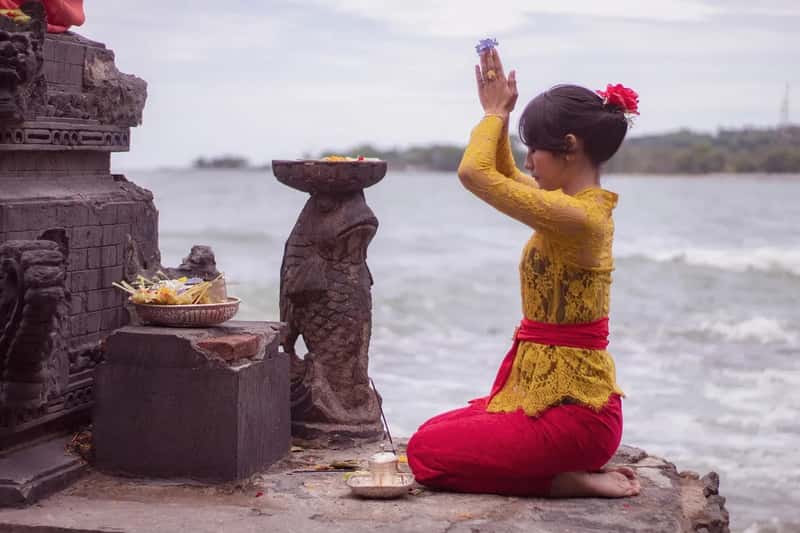
Indonesia is an unusual case because of its sheer size. With more than 270 million people spread across thousands of islands, it isn’t a small or easily overlooked country, yet it still qualifies as a lower middle income economy by global standards. What stands out is not its life evaluation score so much as its emotional temperature day to day, since Indonesia, home to more than 270 million people spread across thousands of islands, has a lower middle income economy but consistently posts some of the world’s highest scores for daily positive emotion.
That distinction between how people evaluate their lives overall and how they actually feel from day to day matters a lot in happiness research. Positive affect measures, which ask about things like laughter, enjoyment, and feeling rested, tend to reward countries with strong social rhythms rather than high wages, and Indonesia is regularly named alongside Denmark and Paraguay as one of the countries ranking highest for positive daily experiences like laughter. It’s a reminder that “happiness” as a word covers more than one kind of measurement, and a country can score modestly on income based indexes while still topping the charts on lived, everyday joy.