Most retirement planning conversations start with a scary number, usually followed by a sigh. Yet a surprising number of people are quietly proving that a modest monthly budget, somewhere in the neighborhood of $500, can still cover rent, groceries, and a decent slice of daily comfort if you’re willing to look beyond the usual retirement hotspots.
That figure won’t stretch to cover a luxury condo in Lisbon or a villa outside Rome, and it typically applies to core living costs like housing, food, and utilities rather than a full retirement budget including insurance and travel. Still, in a handful of countries scattered across Latin America and Southeast Asia, $500 goes a lot further than most people expect. Here’s where.
Nicaragua: Colonial charm on a shoestring

Nicaragua holds a rare distinction among Latin American retirement destinations. You can qualify for pensionado residency status with an income of as little as US$600, the lowest qualifying income for a pensionado visa in the world. That threshold alone tells you something about the overall cost structure of the country.
Housing helps explain the math. Granada and León are strikingly beautiful colonial cities with rents from $200 to $500 a month for a solid place. A broader comfortable lifestyle runs a bit higher, since the overall cost of living, at $700 to $1,500 a month for a comfortable lifestyle, is categorically lower than in most of Latin America. Worth noting, the country’s political environment has grown more restrictive in recent years, which is a real factor for anyone weighing the tradeoff between price and peace of mind.
Vietnam: Street food, skyscrapers, and rock-bottom rent

Vietnam doesn’t offer a dedicated retirement visa, which forces most expats to get creative with residency options. Even so, the cost of daily life remains startlingly low. Many Westerners who live in Hanoi and Ho Chi Minh City get by spending around $500 a month, though it’s a no-frills lifestyle.
Outside the two big cities, the numbers get even friendlier. In smaller coastal spots like Da Nang, a monthly budget of $600 to $900 covers a one-bedroom apartment renting for $300 to $500. Healthcare adds to the appeal, since healthcare costs run roughly 70 to 80 percent lower than US prices for comparable procedures at similar hospitals. The tradeoff is periodic visa runs to neighboring countries, an inconvenience rather than a dealbreaker for most.
Cambodia: Southeast Asia’s quiet value champion

If Vietnam feels affordable, Cambodia often undercuts it. Some frugal retirees manage on $500 to $600 a month. Housing plays a big part in that, since renting a one-bedroom apartment in the center of Sihanoukville averages about $400 a month.
The retirement visa itself is refreshingly simple, extending for a year at a modest cost through a local agent. Healthcare is the honest weak spot, and for anything serious, most expats fly to Bangkok, a one-hour, $50 to $100 flight from Phnom Penh. On the plus side, the US dollar has been widely used in Cambodia since the 1990s, and most businesses accept USD directly. Pension income also escapes local taxation, since Cambodia currently does not tax foreign pensions.
Panama: The dollarized retiree favorite
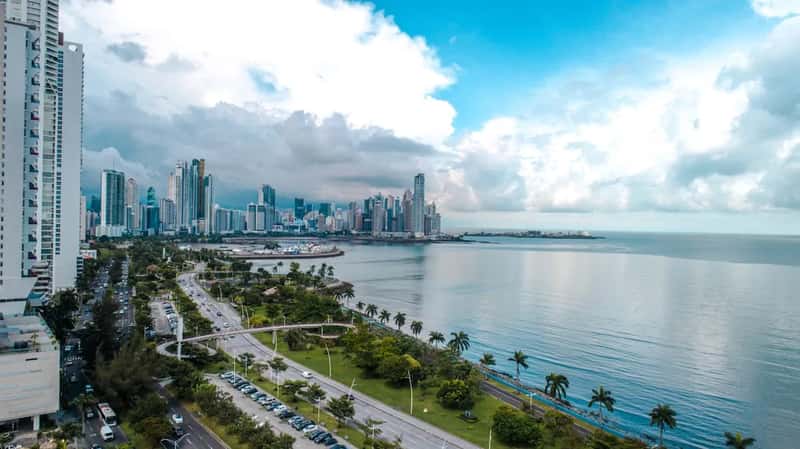
Panama’s Pensionado visa is one of the most talked-about retirement programs in the world, and for good reason. You can qualify with a pension, annuity, or Social Security income of at least $1,000 a month. Actual spending can dip below that threshold in practice, since you can forgo some basic luxuries to live on as little as $500 a month, while a still-modest but more standard lifestyle runs about $2,000 a month.
Beyond the numbers, Panama offers a genuinely appealing lifestyle. Boquete, in particular, has built a reputation as a wellness hub, offering plenty of opportunities for yoga, meditation, and Tai Chi. Healthcare quality is a real draw too, since the standard of care is high, with many doctors trained in the US, yet costs remain a fraction of what you’d expect back home. Foreign income also stays untouched by Panama’s tax authorities, since the country’s territorial system means pensions and Social Security are simply not taxed at all.
Ecuador: Spring weather without spring prices

Ecuador’s Jubilado visa threshold has climbed over the years, and for 2026, the requirement sits at $1,458 a month. That’s the visa minimum, not the actual cost of living, and the gap between the two is where the real value shows up. Frugal couples may spend just $800 a month, while those seeking a slightly elevated lifestyle only need about $1,500.
Cuenca remains the epicenter of American retirement in Ecuador. It’s the top hotspot for American expat retirees, offering a spring-like climate, a charming colonial feel, and modern healthcare facilities. One underrated perk is currency stability, since Ecuador’s dollarized economy shields retirees from FX risk, meaning no currency swings erode spending power. Overall, the cost of living in Ecuador runs about 54 percent lower than in the US.
Malaysia: Penang’s hawker-stall economy

Malaysia rarely tops retirement lists the way Portugal or Panama do, yet Penang quietly delivers some of the best value in Asia. A modern two-bedroom apartment with security, a pool, and a gym can run between roughly $474 and $870 a month. Older, character-filled flats in George Town go for even less, with one heritage apartment renting for about $430 a month.
Food is where Penang really shines. Eating hawker food daily can still keep meal spending under 500 ringgit a month, roughly 110 US dollars. Utilities barely register on the budget, since electricity often runs around $50 a month even with air conditioning, while water is so cheap it almost feels like a rounding error. Passive income gets a further boost from the tax code, since Malaysia offers zero tax on passive foreign income. Retirees who spend more freely, dining out often and buying imported wine, report closer to $2,200 a month, which shows just how flexible the budget can be.
Colombia: Eternal spring, modest bills

Colombia sits a notch above the cheapest countries on this list, but it earns its place through consistency and quality of life. Medellín is often called the best cost-of-value city in the region, thanks in part to its eternal spring climate. Comfortable retirees generally budget more than the bare $500 minimum, with most sources pointing to roughly $1,500 a month for a comfortable lifestyle including rent.
The residency math is fairly approachable too, with a common pension income threshold sitting near $1,100 a month for the retiree visa route. That $500 figure applies most realistically to core rent and grocery costs outside Medellín’s most popular expat neighborhoods, particularly in smaller cities and towns. Even so, the country offers good healthcare and lifestyle for a low cost overall.
Sri Lanka: The bold choice for adventurous retirees
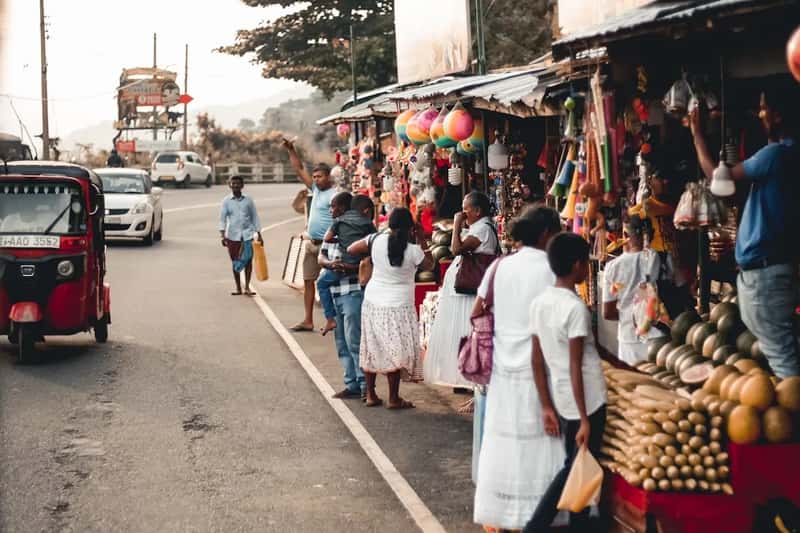
Sri Lanka rounds out this list as the wildcard entry, and it comes with a genuine caveat. Some surveys have named it the cheapest country to retire in for 2026. That reputation is backed by real numbers, since those who crave a rich cultural experience and don’t mind adapting could live on under $1,000 a month.
The tradeoffs are worth weighing honestly before booking a one-way ticket. Residency visas may be trickier here, and the cultural adjustment tends to be greater than in more established expat hubs. For retirees drawn to tea-country hills, ancient temples, and a slower coastal pace, Sri Lanka offers a depth of experience that few budget destinations can match, provided they arrive with patience and realistic expectations about bureaucracy.