Buying real estate abroad often comes with a quiet surprise buried in the fine print: an annual tax bill that keeps growing long after the purchase is done. Some countries have built their entire property markets around avoiding that trap, choosing instead to collect revenue through one-time fees rather than recurring levies. For anyone comparing long-term ownership costs rather than just the sticker price, a handful of destinations stand out for how little they ask of owners once the deal closes.
United Arab Emirates
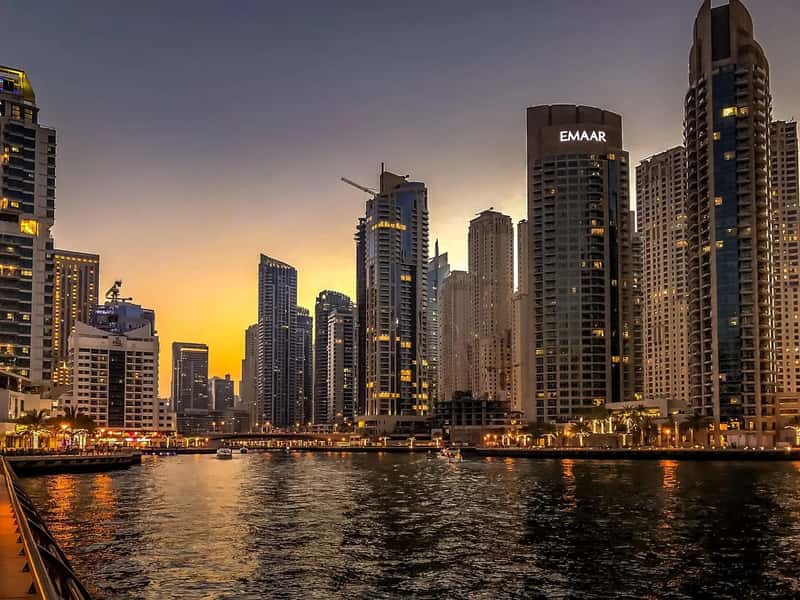
Dubai has become something of a case study in tax-light real estate ownership. Dubai does not impose an annual property tax on homeowners. Instead, the emirate relies on a single upfront charge collected at the point of sale rather than a recurring bill.
That charge is the Dubai Land Department registration fee, and when purchasing property in Dubai, buyers must pay a 4% registration fee to the Dubai Land Department (DLD). Beyond that one-time cost, there are no annual taxes, capital gains tax, inheritance tax or stamp duty, which leads to a structurally efficient cost environment for resident and non-resident owners. Foreigners are not treated any differently than locals here, since foreign buyers are subject to the same fees and regulations as UAE nationals.
Cayman Islands
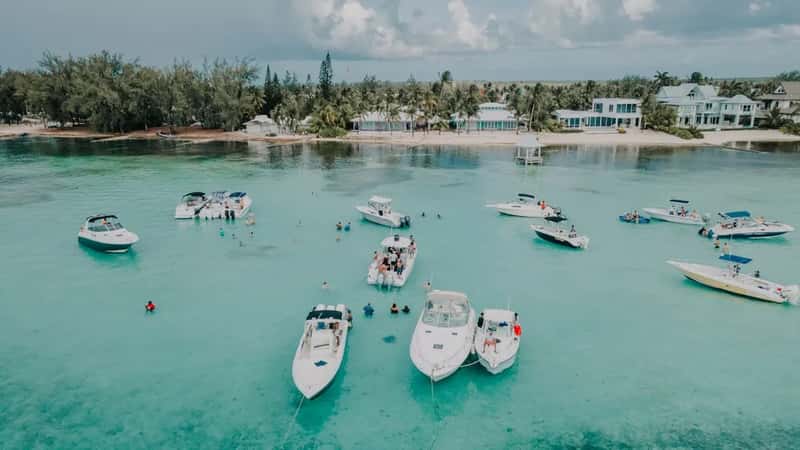
The Cayman Islands runs one of the cleanest tax-free property systems in the world, at least when it comes to annual charges. There are no property taxes in the Cayman Islands, though stamp duty is paid, generally at a rate of 7.5%, on transfers of Cayman Islands immovable property. That stamp duty is the real cost buyers need to budget for, and it recently changed for higher-value homes.
Starting this year, from January 1, 2026, Cayman’s high-value property stamp-duty rules impose 10% on the full value of property worth at least CI$2 million. Below that threshold, the standard rate still applies, and importantly, the Cayman Islands runs a tax-neutral system under which no income tax, capital gains tax, wealth tax, inheritance tax, or property tax is levied on residents or foreign nationals. Once the stamp duty is paid, owners are largely free of further government property costs for as long as they hold the asset.
Monaco
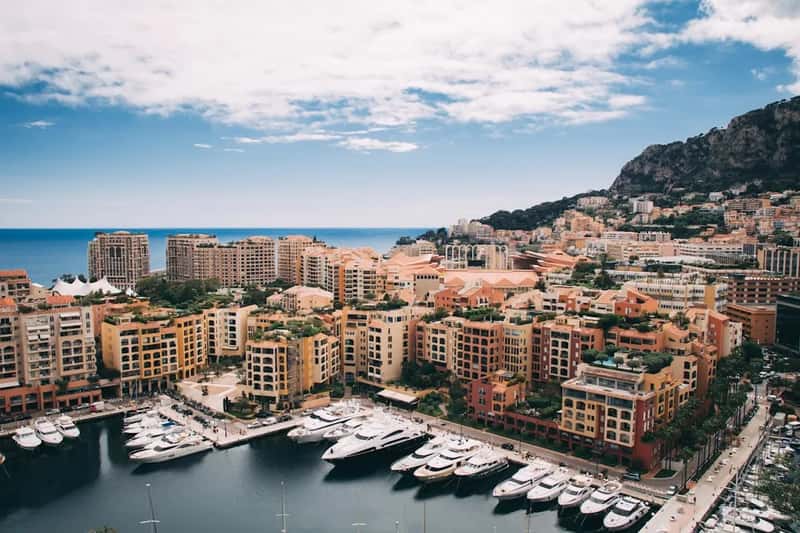
Monaco’s appeal to property buyers goes beyond its Mediterranean views. Monaco is a European principality on the French Riviera that does not impose an annual property tax, inheritance tax, or capital gains tax for most individuals. That combination is rare even among low-tax jurisdictions, since many countries that skip the property tax still tax gains or inheritance in some form.
The principality also sidesteps income tax for most residents, as it does not have a personal income tax except for French citizens. This has helped cement its reputation among wealthy buyers, and it shows in the rankings too, since Monaco ranks 3rd in the Investment Index, further demonstrating its appeal as a place to buy property. Foreigners looking to spend meaningful time there can also apply for residency through the local permit system.
Malta
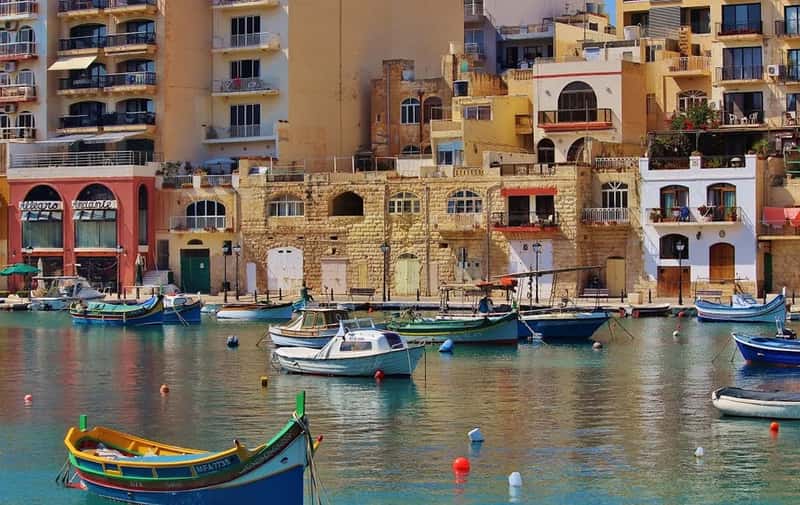
Malta offers a rare mix within the European Union: a genuinely low property tax burden paired with full EU membership benefits. Malta is one of the best countries with no property tax, and it is a developed European country with a high quality of life, a safe environment, and a pleasant climate. English speakers in particular find it an easy transition, since Malta is an EU member with English as one of the two official languages.
Buying property here can also open the door to residency, since foreigners who buy a property can obtain Malta permanent residence. There is a minimum spend involved though, as the minimum value of real estate must be €375,000. For buyers weighing EU access against tax efficiency, Malta tends to come up early in the conversation.
Mauritius
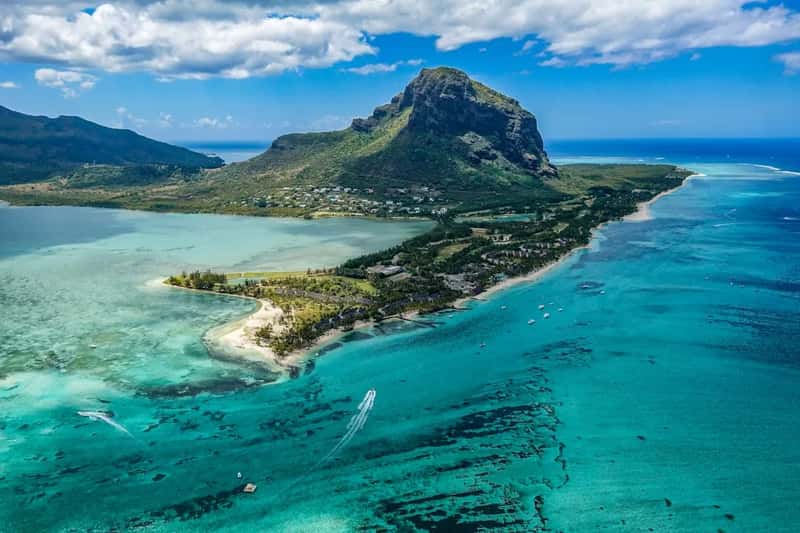
Off the coast of Madagascar, Mauritius has quietly built a reputation as a tax-friendly island for international buyers. Mauritius is an African island nation, east of Madagascar, that has no annual property tax, capital gains, or inheritance taxes. That is a rare trifecta, and it explains why the island shows up frequently in retirement and investment guides.
The main cost buyers should plan for is a one-time registration charge, and it is changing soon. Buyers will need to pay a 5% registration duty on purchase which increases to 10% for non-citizens from July 1st, 2026. Mauritius also scores well as a retirement destination, since the country scored 2nd on the Global Intelligence Unit’s Retirement Index, demonstrating its appeal as a destination for expats to retire.
Qatar
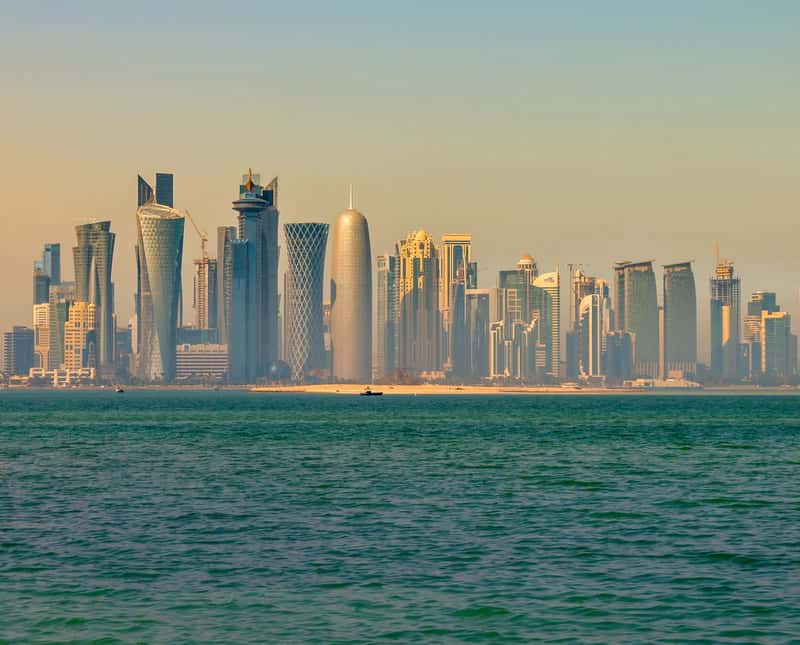
Qatar’s real estate market has expanded rapidly since the 2022 World Cup, and its tax structure remains one of its strongest selling points. There is no property tax, no restrictions for foreign buyers in certain investment zones, and a market energized by FIFA-era development. That combination of tax simplicity and post-tournament infrastructure has made the country an increasingly serious option for foreign investors.
Closing costs are also unusually light compared to most global markets. Qatar (~0.25%), Croatia (2-4%), Panama (2-5%), and Bulgaria (2-4%) have the lowest closing costs among countries reviewed for foreign buyers. Qatar has paired this with a residency incentive too, since it is becoming a subtle alternative for investors who want a foothold in the region with fewer headlines, and it has a property-based Golden Visa program.
Oman
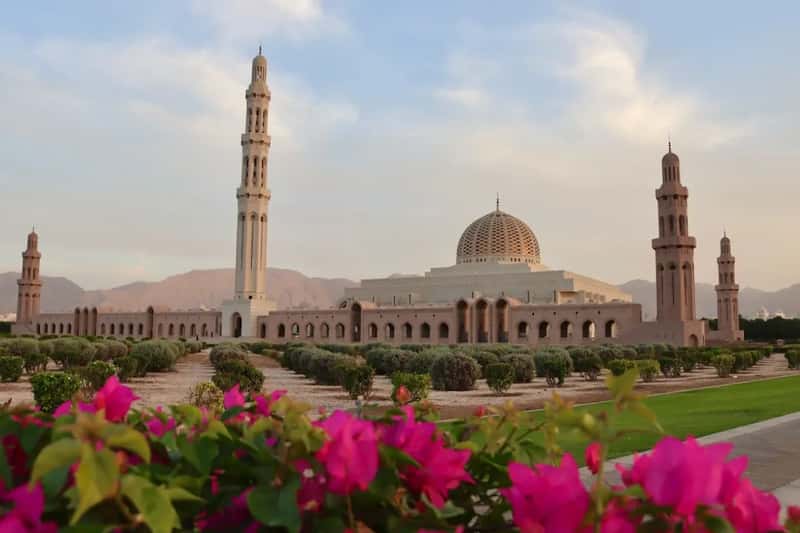
Oman tends to fly under the radar compared to its Gulf neighbors, but its property tax position is just as favorable. There is no annual property tax, only a modest transfer fee upon purchase. That modest one-time cost is the extent of what buyers need to plan for at the government level.
Beyond the tax picture, Oman has built a reputation for calm, steady growth rather than speculative booms. Investors are drawn to its slower pace, scenic coastline, and strong reputation for safety, and it is the Gulf’s most traditional market, but also one of its most dependable. For buyers who want Gulf-style tax efficiency without the fast pace of Dubai or Doha, Oman offers a quieter alternative.
Kuwait
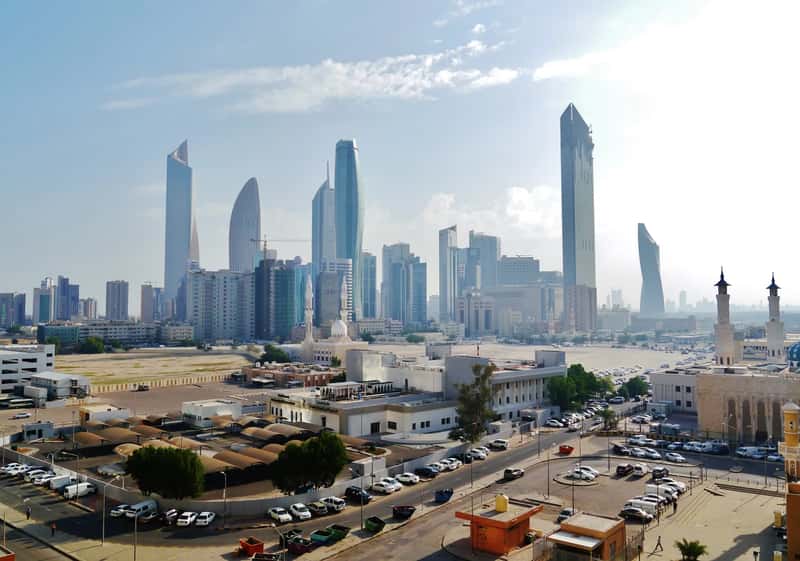
Kuwait rounds out the Gulf countries on this list, and its tax framework is just as lean as its neighbors. Kuwait does not have annual property tax, nor does it levy inheritance or personal income taxes. That is a meaningful advantage for foreign owners who want to avoid recurring holding costs entirely.
The country’s oil wealth has translated into strong infrastructure and a business-friendly climate, since the Middle Eastern nation is small but oil rich with developed infrastructure and a business-friendly environment. Its property market has also been on an upswing recently, with quarter one 2025 sales increasing by 45% year-on-year to KD 896 million (~$2.92 billion), growth largely driven by high demand in residential and investment areas.
What Buyers Should Keep in Mind

None of these eight countries are entirely free of property-related costs. Most of them replace an annual tax with a one-time transfer fee, stamp duty, or registration charge paid at the time of purchase, and those fees can still run into tens of thousands of dollars on a larger property. As Cayman’s recent stamp duty increase shows, even tax-light jurisdictions adjust their rules over time, particularly for higher-value transactions.
Foreign buyers should also remember that a country’s local tax position does not erase obligations back home. A buyer’s own country of residence or citizenship may still require reporting foreign property or paying tax on gains, regardless of what the property’s host country charges. Working through the numbers with a local advisor before signing anything remains the safest way to avoid an unpleasant surprise down the road.