Getting ripped off abroad rarely comes down to bad luck. More often, it’s the result of small, avoidable missteps that locals spot instantly and vendors know exactly how to exploit. From misreading a market’s unwritten rules to tipping the wrong way in the wrong country, these mistakes are cultural rather than criminal, which is exactly why they’re so easy to make and so easy to fix.
Understanding how pricing customs, negotiation etiquette, and payment systems actually work in a given country can save travelers real money. Below are eight of the most common cultural blind spots that quietly drain vacation budgets, along with what savvy travelers do instead.
1. Treating Every Country Like It’s One Big Bazaar
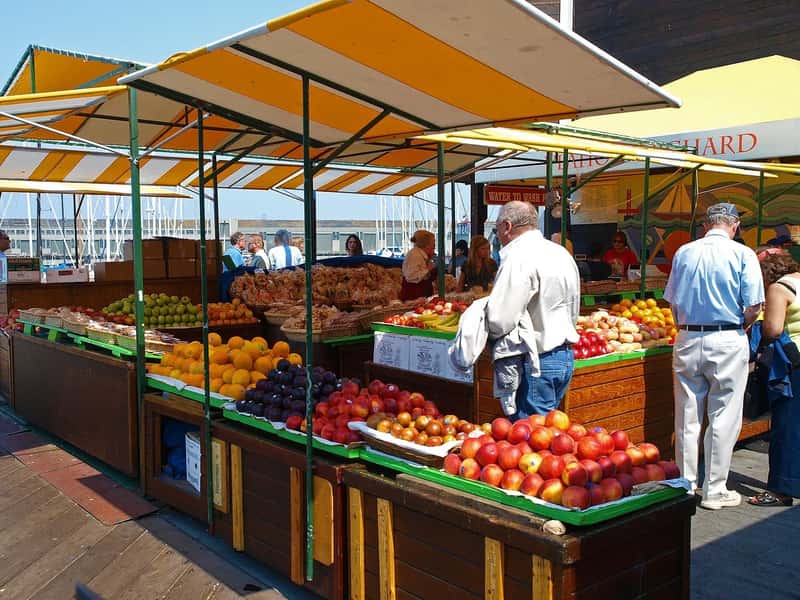
Some travelers arrive convinced that haggling is a universal travel skill, when in reality it’s highly situational. In fixed-price locations like supermarkets or high-end restaurants, attempting to haggle is inappropriate and can be embarrassing. Meanwhile, other travelers make the opposite mistake, quietly accepting inflated first prices in places where negotiation is not just accepted but expected.
Bargaining might be expected in Moroccan souks but could be considered rude in a Japanese department store, and confusing the two costs money either way. Understanding when and how to negotiate prices shows respect and can save money, which is why researching local norms and shopping behaviors before a trip matters. A good rule of thumb is watching what locals do nearby before deciding whether to haggle at all.
2. Not Realizing There’s a Tourist Price and a Local Price

In a surprising number of destinations, dual pricing isn’t a scam at all, it’s official policy. Jordan is upfront about having two sets of prices at major attractions, with Petra’s entry fee for locals being minimal while foreigners pay significantly more, around seventy dollars for a one-day pass. The same logic applies elsewhere in the region and beyond.
In Kenya, visitors often face marked-up prices, especially in the tourism industry, with national parks like the Masai Mara publishing dual pricing, one for residents and another for international guests, and local vendors, artisans, and transportation services following a similar pattern. In Indonesia, tourists who don’t speak Bahasa Indonesia or ask about prices in English are more likely to get quoted higher rates for things like motorbike rentals, beach loungers, and food at local stalls. Knowing this in advance turns a frustrating surprise into an expected part of the budget.
3. Tipping Based on Home Habits Instead of Local Ones

Nowhere illustrates this better than Japan, where the instinct to tip generously actually backfires. Excellent service in Japan already comes included in the price, and the Japanese government’s Consumer Hotline for Tourists notes that leaving money on the table as a thank-you can cause staff to run after visitors to return it. Many waiters and restaurant staff see tipping as not only unnecessary but quite insulting.
Europe presents the opposite kind of confusion. American travelers used to fifteen to twenty percent tipping at home often hand European taxi drivers a big tip at the end of a ride, which locals see as bizarre, since tipping in places like the UK is usually just rounding up rather than a large percentage. Since many European service fees are already folded into the bill, dropping a huge tip signals confusion about local norms and simply wastes money. Researching tipping customs for each specific country, rather than assuming one global standard, prevents both overpaying and underpaying.
4. Accepting the “Convenient” Currency Conversion Offer
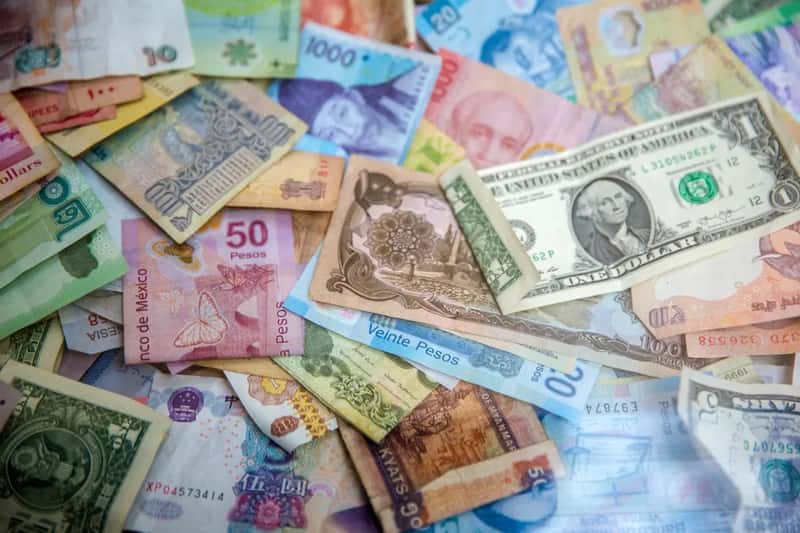
At checkout counters and ATMs abroad, travelers are frequently asked whether they’d like to pay in their home currency instead of the local one. This option, known as dynamic currency conversion, can seem like a helpful convenience to the uninformed, since paying in home currency looks like it removes the guesswork. In practice, it almost always costs more.
Choosing to pay in local currency instead allows the card network and issuing bank to handle the conversion, usually at a more favorable rate, which is why travelers should generally choose local currency under normal circumstances. The exchange rate used when paying in a home currency is almost always worse than standard exchange rates, and the difference quietly adds up across a whole trip. Simply saying “charge me in local currency” at the terminal is often all it takes to avoid the markup.
5. Consuming a Service Before Agreeing on a Price
One of the fastest ways to lose bargaining power is to use a service before settling on its cost. A well-known cautionary example involved a traveler in Nepal who complained loudly about the cost of a cup of tea, only to spark a serious confrontation. In that incident, a key issue was that the tourist had drunk the tea before they’d settled on a price, meaning she’d effectively given up her ability to bargain.
Compounding the problem, she had insulted the shopkeeper’s honor by claiming to have been ripped off after the fact. The lesson generalizes well beyond tea stalls: agreeing on a fare, a rate, or a price before getting in the taxi, sitting down for a massage, or ordering food removes the ambiguity that overcharging depends on. It also avoids putting a vendor in the position of feeling accused after the transaction is already done.
6. Looking and Acting Like an Obvious First-Time Tourist

Vendors size up customers quickly, and visual and behavioral cues matter more than most travelers realize. Not standing out as a tourist, avoiding unnecessary conversation, and letting a vendor perceive you as more familiar with the area can change how a price gets quoted in the first place. This isn’t about deception so much as reducing the obvious signals that mark someone as unfamiliar with local pricing.
Speaking even a little of the local language signals familiarity and experience, and on pricier items it can help to have local contacts assist with the interaction. None of this guarantees a local price, but it consistently shifts the starting point of any negotiation in a fairer direction.
7. Letting a Middleman Handle the Negotiation

Tour desks, hotel concierges, and street “helpers” who offer to arrange a taxi, a guide, or a shopping trip often add a hidden cost that never shows up as a line item. Avoiding mediators and closing deals directly with the vendor tends to produce better results while bargaining, since there’s no commission being paid to a third party that would otherwise lower the vendor’s margin and raise the buyer’s price.
This mistake is easy to make because middlemen are often friendly, fluent in English, and genuinely helpful in navigating an unfamiliar place. Still, every layer between a traveler and the actual service provider tends to add a markup somewhere along the chain. Dealing directly, even if it takes a bit more effort or a translation app, usually keeps prices closer to what locals actually pay.
8. Getting Confrontational Instead of Playful During Negotiations

How a traveler negotiates matters almost as much as whether they negotiate at all. Bargaining too aggressively in places where prices are already fair, arguing over small amounts of money when locals rely on tourism income, and walking away rudely when negotiations don’t go as hoped are all behaviors that damage the interaction and locals notice.
Understanding when haggling is appropriate, whether in a market versus a fixed-price store, and keeping negotiation light-hearted rather than hostile, tends to produce better outcomes for everyone involved. A vendor who feels respected is far more likely to meet a reasonable counteroffer than one who feels accused or pressured. Treating negotiation as a normal social exchange, rather than a confrontation, often gets travelers a fairer price without the drama.
Traveling Smarter Means Paying Fairer

None of these eight mistakes involve doing anything reckless or careless in the traditional sense. They’re cultural gaps, the kind that come from applying home-country instincts to places that operate by different rules around money, service, and negotiation. Closing those gaps takes a bit of homework before a trip and a bit of humility once on the ground.
The travelers who consistently avoid overpaying abroad aren’t the ones who distrust every vendor they meet. They’re the ones who took the time to learn how pricing, tipping, and bargaining actually work in the specific place they’re visiting, then acted accordingly. That small bit of preparation tends to pay for itself many times over, one fair transaction at a time.