Ever felt like you’re being watched when you shuffle through airport security? Honestly, you kind of are. Airport staff are trained to pick up on behaviors and patterns that most travelers don’t even realize they’re displaying. From body language to luggage quirks, these professionals notice everything. Let’s be real, nobody wants to be that person who gets pulled aside for extra questioning while everyone else breezes through to their gate. So what exactly catches their eye? Some of these triggers might surprise you, while others make total sense once you know about them. Let’s dive in.
1. Nervous or Evasive Behavior That Seems Out of Place
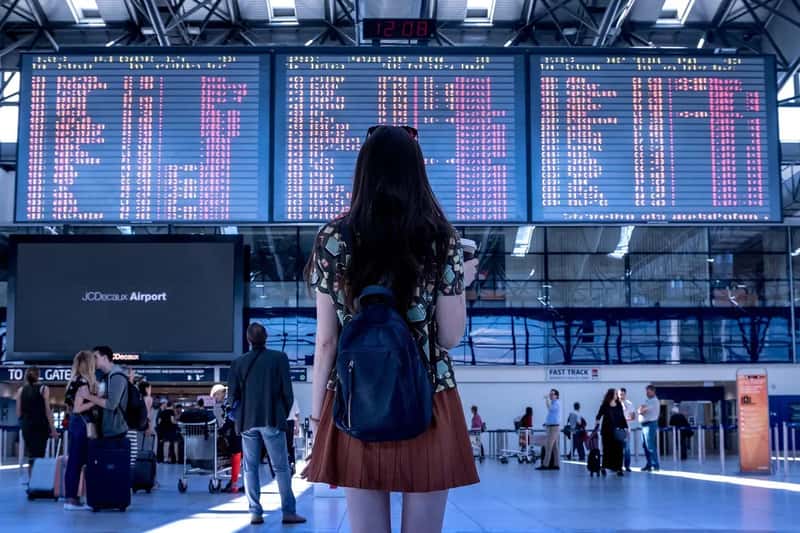
TSA has a Behavior Detection program which trains agents to identify anomalous behaviors by observing passengers, and nervous behavior is high on that list. The agency says the program was designed to identify people who exhibit high levels of stress, fear, or deception, though critics argue it’s imperfect at best. The thing is, some unfortunate souls have been pulled aside for looking suspicious even though they are just reacting to the stressful experience of going through security.
Security officers look for clusters of behaviors rather than single indicators. One expert noted that agents observe what’s normal behavior in an airport, then look for deviations from that baseline and clusters of abnormal actions. This includes avoiding eye contact, excessive scanning of surroundings, or appearing overly anxious without clear reason.
2. Last-Minute Ticket Purchases and One-Way Bookings
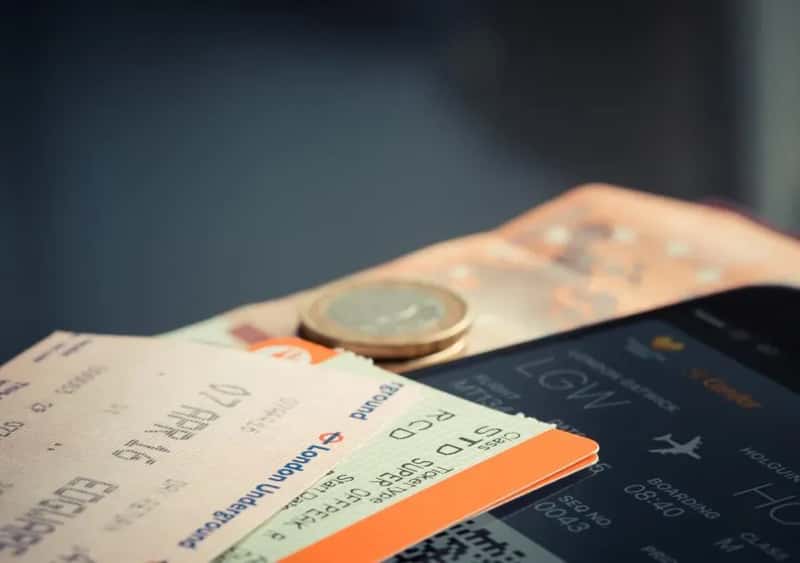
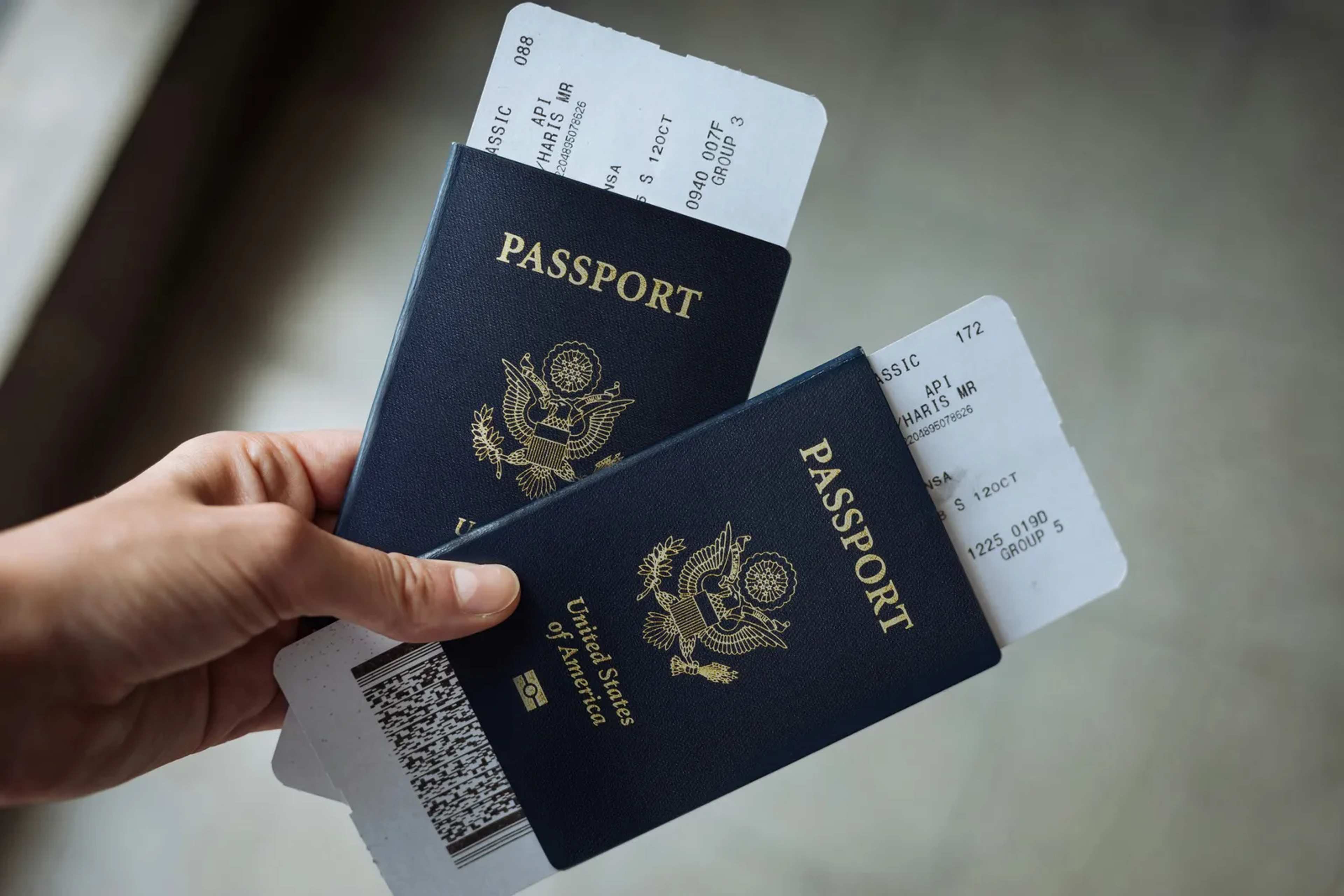
A one-way ticket is a red flag, particularly for international travel, since it can look suspicious to security systems. Last-minute ticket purchases shorten the window for passenger data security checks and might look intentional, as people who carried out illicit activities would book last-minute tickets to avoid getting tracked.
This doesn’t mean you’ll automatically get detained for booking a spontaneous trip. Selection for extra screening could be random and based on profiling, or because passengers have a one-way ticket, pay cash for their ticket or have unusual travel patterns. If you have a legitimate emergency, there’s nothing to worry about, though you might face a few extra questions.
3. Frequent or Last-Minute Changes to Your Travel Plans
Here’s something I didn’t expect: constantly changing your flight details raises eyebrows. Constant date or destination changes look like a passenger is trying to dodge being detected, a pattern that often pertains to individuals involved in illegal activities. Security systems flag this because it disrupts the vetting process.
The TSA doesn’t always see itinerary changes as suspicious, but it might raise a flag on its risk-based screening model, and multiple or frequent itinerary changes might disrupt the vetting process. Even innocent travel adjustments can trigger closer scrutiny when combined with other factors.
4. Bulky Clothing or Clothing That Doesn’t Match Your Destination
Wearing oversized or inappropriate clothing for your destination is another thing staff notice immediately. Wearing improper attire for location is a warning sign for TSA, like showing up in a heavy winter coat when you’re flying to Florida. The TSA defines bulky clothing as a garment that is very loose or doesn’t conform to the contour of the person.
Passengers should remove or not wear bulky clothes through security, as doing so will likely end in a pat down or additional screening. This includes oversized hoodies, large sweaters, and ponchos. Even certain jewelry pieces can trigger alarms if they’re thick or cover multiple fingers.
5. Excessive Yawning or Physical Stress Indicators

This one sounds crazy, but it’s true. Excessive yawning is a TSA warning behavior, because it’s considered a sign of stress or anxiety. Exaggerated yawning or lots of yawning might attract attention, as when people are stressed, they tend to want more oxygen.
Other physical indicators include widely open staring eyes, fidgeting, or what experts call the thousand-yard stare. Fidgeting, whistling, and sweaty palms are just a few of the signs listed in a confidential document to help TSA officers. Though it feels unfair, these involuntary reactions can make you stand out in a crowd.
6. Unusual Items in Your Luggage or Large Amounts of Cash
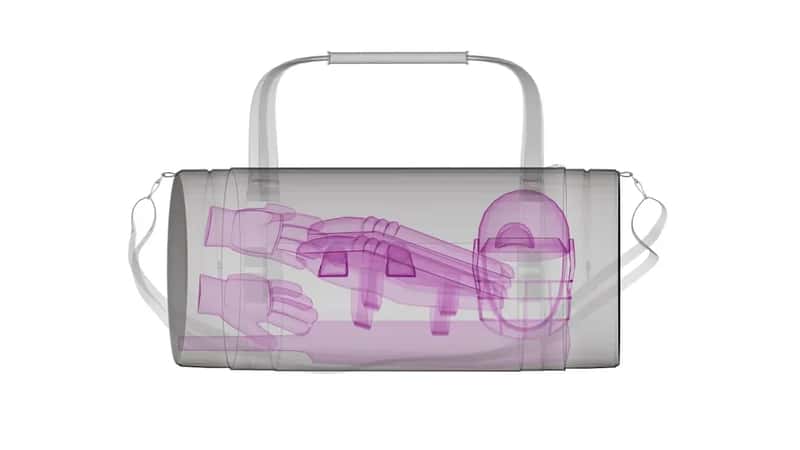
Airport scanners flag things that don’t look typical for regular travelers. Unusual baggage has been linked to smuggling, such as weird, heavy suitcases, unconventionally shaped bags, containers, and other stuff not typical for air travel. Large amounts of cash, wires, electronics, or even powders and other dense items might get flagged by TSA scanners.
Medications can also cause delays if they’re not properly labeled. Bringing medication can get you flagged for additional screening, and while TSA does not require prescriptions, having them can provide legitimacy, especially whenever medication is in liquid form. Even harmless but complex items like collapsible tea kettles or vapes can trigger extra inspections.
7. Avoiding Interaction or Appearing Overly Interested in Security Procedures
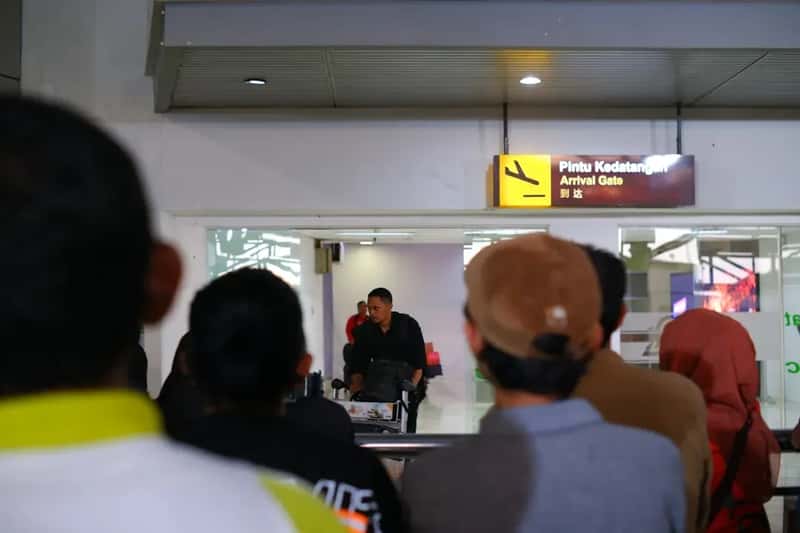
Staff are trained to notice passengers who seem too interested in how security works. Examples of such behavior include individuals taking pictures or recordings of airport infrastructure, showing unusual interest in security procedures, loitering in sensitive areas, or intentionally concealing their faces. Conversely, people who actively avoid interaction can seem equally suspicious.
Trying not to be noticed or wandering without asking for help might appear suspicious. Security wants passengers who look comfortable asking for directions, not those who seem to be deliberately hiding or acting evasive. Finding the balance between normal traveler confusion and suspicious avoidance is key.
8. Being Flagged for Secondary Security Screening Selection
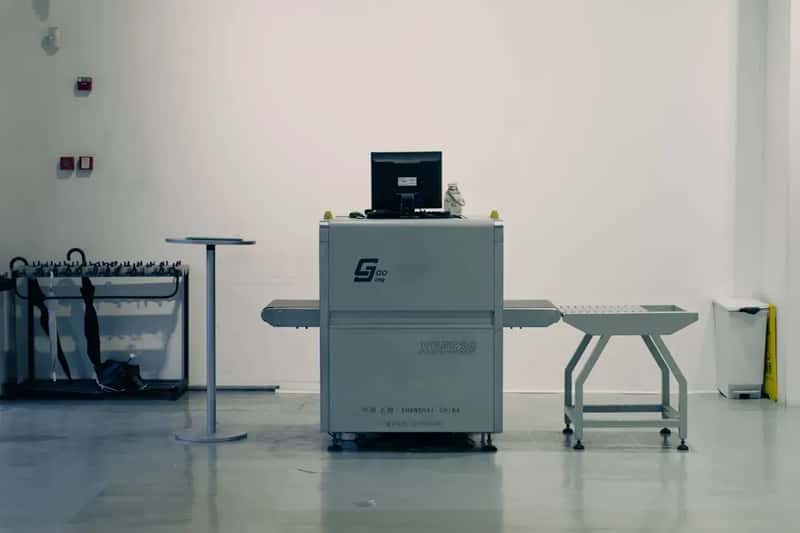
Sometimes the decision isn’t about your behavior at all. The TSA will pull travelers aside for additional screening if their boarding passes contain the four letters SSSS, which stands for Secondary Security Screening Selection. This means passengers will undergo additional security checks before boarding, including extra questioning, a more thorough luggage inspection, and a potential pat-down.
The extra screening could take as long as a few extra minutes to over half an hour. This can happen for various reasons, including random selection, inconsistencies in travel plans, items in luggage that raise concerns or being on a watchlist. If you frequently see SSSS on your boarding pass, you can apply for a Redress Number through the Department of Homeland Security to resolve the issue.
Look, nobody enjoys being singled out at the airport. The truth is that security staff are juggling genuine safety concerns with the reality that most travelers are just regular people trying to catch a flight. TSA screens approximately 3.3 million carry-on bags for explosives and other dangerous items daily, which gives you an idea of the sheer scale they’re dealing with. Understanding what triggers extra attention can help you prepare better and move through security with less stress. Pack smart, arrive early, and try to stay calm even when the process feels overwhelming.
Did any of these surprise you? What’s your strategy for getting through airport security smoothly?