Heat doesn’t make headlines the way a hurricane or an earthquake does. There’s no collapsed building, no dramatic satellite image, just thermometers climbing past levels the human body was never designed to handle. Yet extreme heat is the deadliest climate risk of our time, claiming 489,000 deaths annually, more than floods, hurricanes, earthquakes and wildfires combined.
Some countries are simply drawing the short straw geographically and economically. Dense populations, high humidity, weak cooling infrastructure and outdoor labor markets combine to turn ordinary summers into public health emergencies. The nine nations below aren’t chosen because they’re unlucky once in a while. They’re chosen because the science, the recent heatwave data, and the demographic trends all point in the same uncomfortable direction.
Pakistan: living on the edge of survivable heat
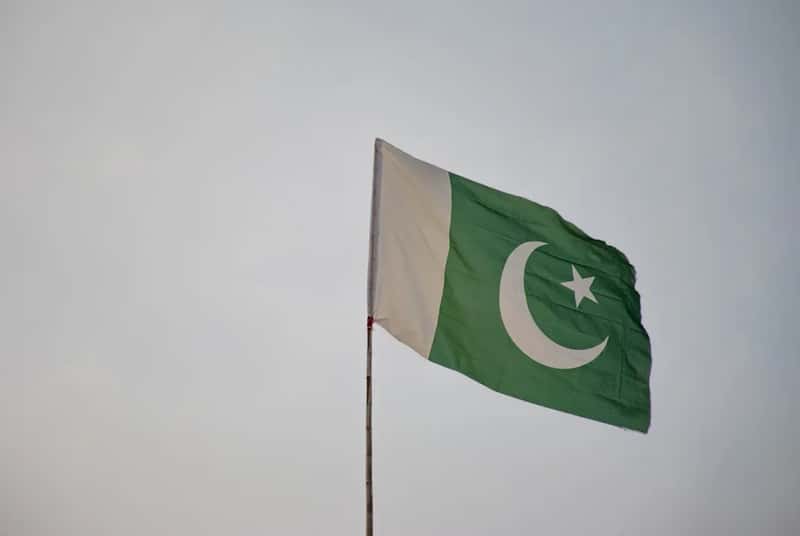
Few places on the planet illustrate the danger of combined heat and humidity better than Pakistan. In cities like Jacobabad, a wet-bulb globe temperature of at least 90 degrees will prevail for a third of the year by 2030, according to modeling from The Washington Post and CarbonPlan. That’s not a future hypothetical. It’s a near-term projection based on current warming trends.
The scale of exposure is staggering. Nearly 190 million people in Pakistan are projected to be exposed to extreme heat for at least a month by 2030, and researchers have found that Jacobabad has already breached the 35°C wet-bulb threshold on multiple occasions, a level scientists once considered the outer limit of human survival. In 2024, Pakistan’s Sindh province saw temperatures soar to 52°C, with wet-bulb readings crossing what analysts call a critical danger threshold.
India: hundreds of millions under thermal stress

India’s exposure to dangerous heat is a matter of sheer scale. Roughly 270 million people in India are expected to face extreme heat exposure for a month or more by 2030, the largest population of any country in that projection. The spring of 2026 offered a preview, with record-breaking heat pushing temperatures well above seasonal norms across the subcontinent.
During that stretch, countries including India, Pakistan and Bangladesh saw temperatures soar well above seasonal averages, with some areas approaching or exceeding 45 to 50 degrees Celsius. Attribution scientists later confirmed the pattern wasn’t a fluke. The first major heat wave from April 15 to 29, 2026 was made about three times more likely and roughly 1°C hotter due to climate change, and researchers warn that at higher warming levels these events could recur every two to three years instead of once every five.
Sudan and South Sudan: heat without the safety net
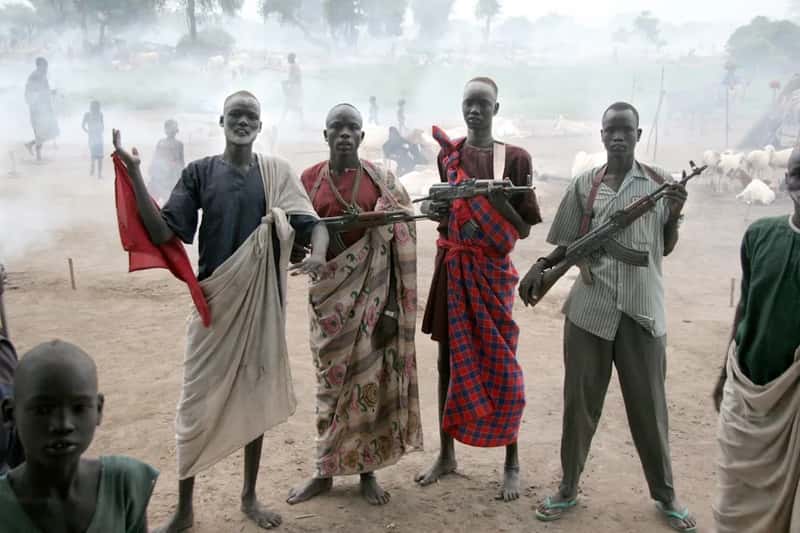
What makes Sudan and South Sudan especially vulnerable isn’t just the temperature reading, it’s the near total absence of resources to cope with it. In February 2025, South Sudan endured a heatwave severe enough that schools had to be shut for two weeks because children were collapsing from heatstroke. Authorities told the entire population to stay indoors and stay hydrated, a difficult instruction in a country with limited infrastructure.
The underlying problem is structural. Many houses in South Sudan are built with iron roofs and lack air conditioning, electric fans and electricity, and not all households have access to clean water. Sudan itself was already flagged in modeling as a country where more than a million people would face extended dangerous heat exposure by 2030, and ongoing instability in the region only makes adaptation harder to organize.
Saudi Arabia and the Gulf states: nearing the limits of human tolerance

The Arabian Peninsula has long run hot, but recent years have pushed conditions into territory that concerns even climate scientists who study this region for a living. During the 2024 Hajj pilgrimage, at least 1,301 people died as temperatures at the Grand Mosque in Mecca reached 51.8°C. It was one of the clearest recent examples of heat turning a routine seasonal event into a mass casualty incident.
Elsewhere in the Gulf, the records keep falling. Dubai recorded its highest temperature on record twice in two consecutive days in May 2025, reaching 51.6°C, breaking a mark that had stood since 2009. Labor rights groups have taken notice too, with Human Rights Watch warning in June 2025 that millions of migrant construction and industrial workers across Saudi Arabia, the UAE, Qatar and Kuwait are continuously exposed to life-threatening heat, and that existing calendar-based work bans are inadequate.
Iran: the Persian Gulf’s humid heat problem
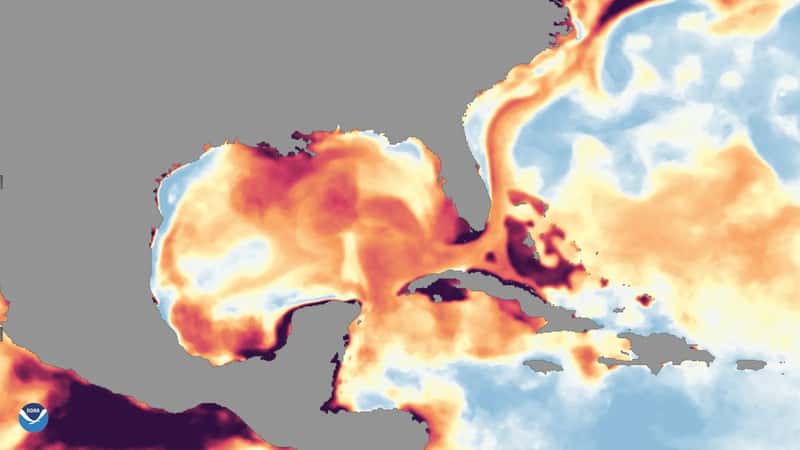
Iran sits at the center of a region researchers have flagged for decades as approaching the physiological limits of human endurance. Along its southwestern coast, conditions have already flirted with the edge. On July 31, in Bandar Mahshahr, Iran, the wet-bulb temperature hit 34.6°C, just a fraction below the threshold considered survivable for extended periods.
The Persian Gulf’s geography makes this worse rather than better over time. Warm, shallow water pumps moisture into the air, and that humidity combines with brutal daytime heat to create conditions that some studies say could become intolerable even for healthy adults within decades. In one recent July, the hottest month ever recorded, the heat index on Iran’s southwest coast reached 152°F, and researchers warn such temperatures could regularly exceed the 35°C wet-bulb danger point across parts of the Middle East by the 2070s if emissions aren’t reduced.
Bangladesh: dense population meets rising humidity
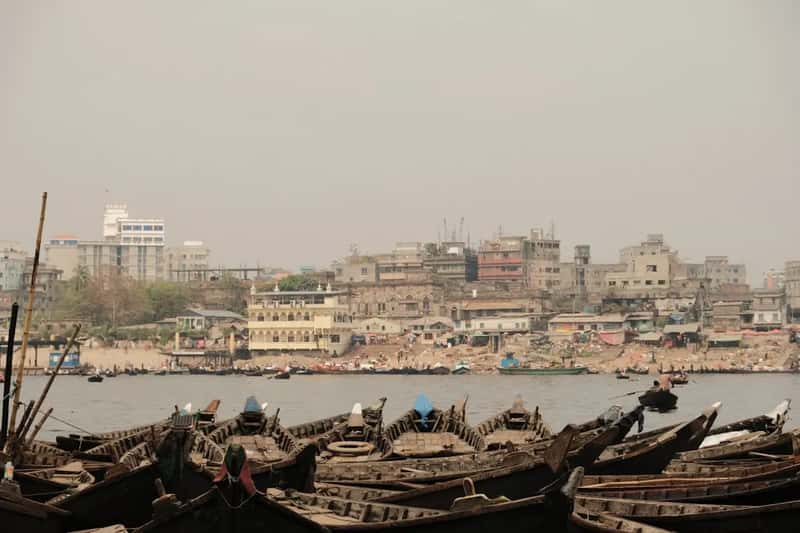
Bangladesh combines two of the worst ingredients for heat vulnerability: extremely high population density and a climate already prone to intense humidity. During the 2024 Asian heatwave, hundreds of deaths were reported across affected countries including Bangladesh, alongside Palestine, India, Thailand, Myanmar, Cambodia and the Philippines.
The country’s exposure is compounded by its coastal geography, which researchers note plays a growing role in how extreme heat forms. Warming coastal waters account for roughly half to nearly two-thirds of the observed increase in large-scale humid heatwaves, a finding especially relevant for South Asia, where many densely populated regions sit near coastlines already vulnerable to both extreme heat and high humidity. That combination leaves little room for error as regional temperatures continue climbing.
Chad and the Sahel: extreme heat meets extreme poverty
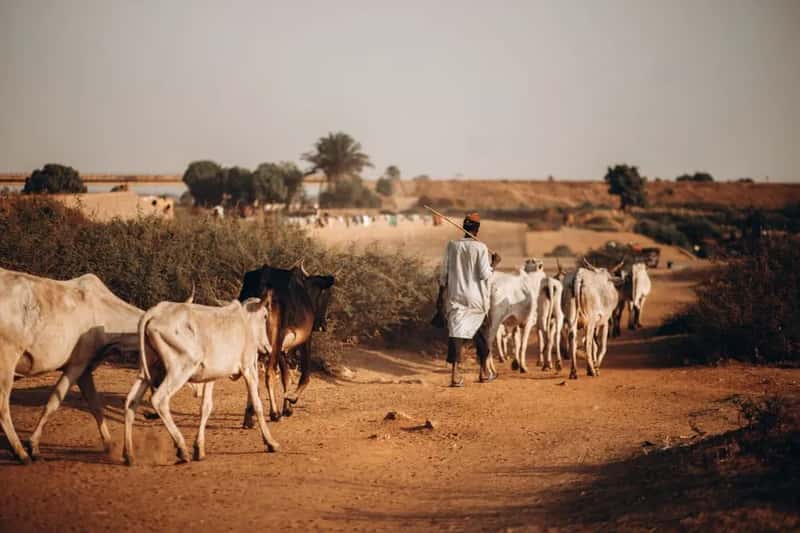
Chad ranks among the countries the Climate Risk Index has flagged repeatedly as facing compounding disasters, heat chief among them. St. Vincent and the Grenadines, Grenada, Chad, Papua New Guinea, and Niger were among the countries most affected in 2024, facing compounding human and economic losses, and researchers note that of the ten most affected nations that year, the overwhelming majority were low-income or lower-middle-income countries.
West and central Africa bore the brunt of one particularly striking event. The most strongly climate-influenced heatwave in Africa took place between December 14 and 30, 2024, and researchers found that climate change made this event at least 15 times more likely, with countries in west and central Africa particularly affected. For a region already grappling with food insecurity and limited healthcare access, that kind of heat stress adds another layer of strain that’s difficult to absorb.
Mexico: drought and heat arriving together
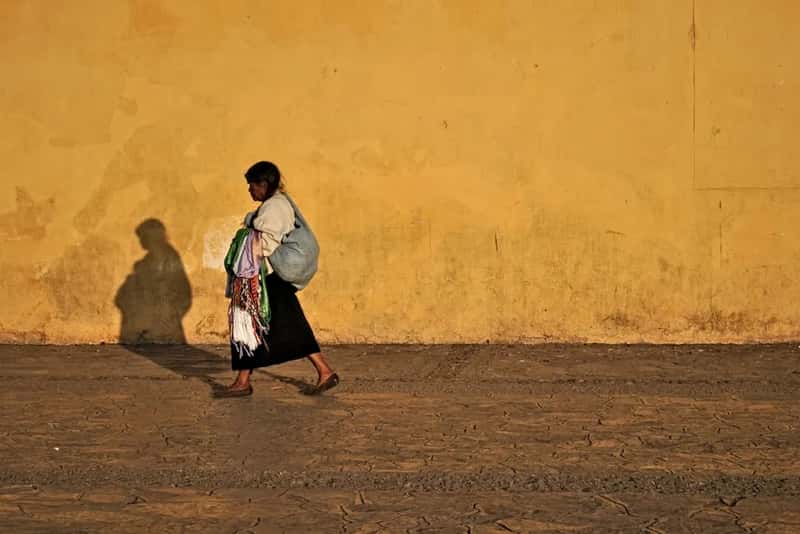
Mexico’s vulnerability comes from a one-two punch of prolonged drought paired with rising temperatures. In 2024, weeks of persistent heat starting in spring, combined with prolonged drought, led to severe water shortages and dozens of deaths across Mexico and Central America. Water scarcity turns what would otherwise be an uncomfortable season into a genuine survival challenge for vulnerable communities.
Projections suggest the exposure will only widen. More than a million people in Mexico are expected to face extended periods of dangerous heat exposure by 2030, according to climate modeling, a number that reflects both the country’s warming climate and its large population centers in already hot regions. Northern Mexican states, where desert conditions meet expanding urban footprints, are likely to see some of the sharpest increases.
The Philippines: humid heat in a storm-battered nation

The Philippines faces a particular kind of climate double jeopardy, sitting in the path of both typhoons and increasingly intense heatwaves. During the April to May 2024 Asian heat event, the country recorded a stretch of extraordinary duration. Scientists analyzed a 15-day April heatwave in the Philippines using published peer-reviewed attribution methods, one of the longer sustained heat events studied that year in the region.
The human toll matched the scientific concern. Hundreds of deaths were reported across the region during that period, with the Philippines named among the countries most affected alongside Palestine, Bangladesh, India, Thailand, Myanmar and Cambodia. With school closures and agricultural disruption already documented during past heat events, the archipelago’s mix of humidity, dense urban centers, and storm exposure makes it a recurring entry on lists of heat-vulnerable nations.
Final thoughts
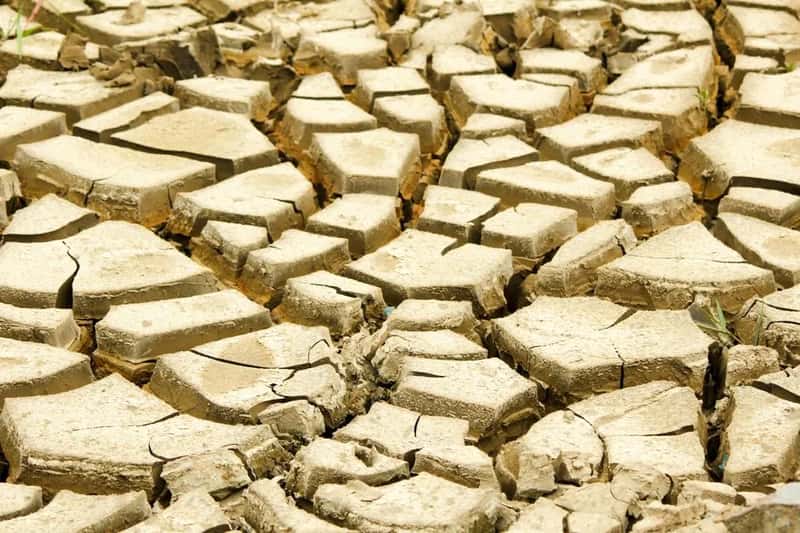
What connects these nine countries isn’t simply hot weather. It’s the collision of rising temperatures with humidity, poverty, dense populations, or infrastructure that wasn’t built for this kind of stress. Wealthy Gulf states and impoverished Sahel nations end up on the same list for different reasons, which says something about how unevenly the burden of heat adaptation is distributed.
None of this is destiny. Heat action plans, better housing, early warning systems and labor protections have already saved lives in places like India and Bahrain. Still, the data from the past two years suggests the window for incremental fixes is narrowing faster than many governments have planned for.