There is a deeply human story hiding beneath the poverty statistics of many American towns – one that most people never hear. We tend to equate wealth with wellbeing, assuming that a low median income means a low quality of life. Honestly, that assumption deserves a serious rethink.
Despite being one of the wealthiest countries in the world, the United States has a significant income inequality gap, and several towns around the country are plagued by financial hardship and poverty. Yet some of those same towns offer something that no median income figure can fully capture: community, culture, nature, and a slower, more meaningful pace of life.
The nine places on this list aren’t perfect. They struggle. But they also surprise you. So let’s dive in.
1. Detroit, Michigan – The Comeback Kid of the Rust Belt
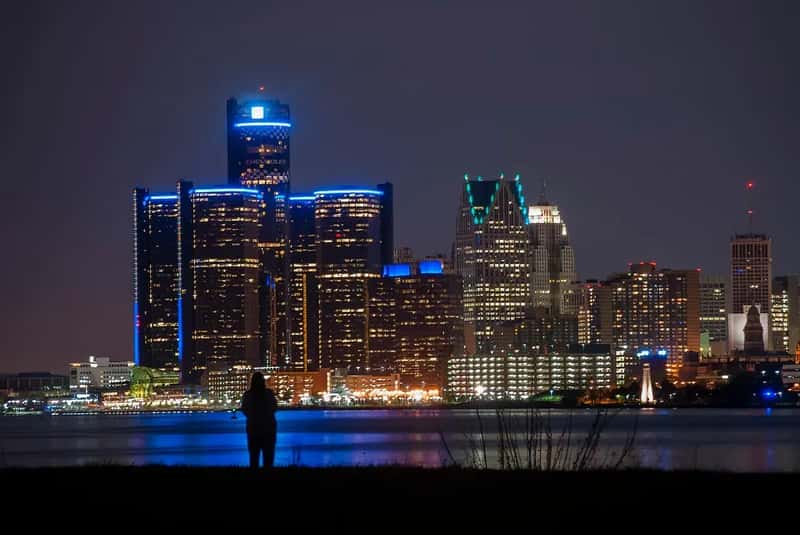
Few American cities carry a story as dramatic as Detroit’s. Once a global automobile hub, the city collapsed after factories shut their doors and jobs vanished into thin air, causing people to abandon the city in high numbers. The poverty numbers today are still stark. A city that once boasted more than 80,000 GM manufacturing jobs alone in 1978 saw that figure plummet to fewer than 8,000 by 2010, and nearly 40 percent of Flint’s neighboring region residents live at or below the federal poverty line.
Here’s the thing, though – Detroit is genuinely fighting back, and winning some battles. The Detroit Cultural Center Planning Initiative is an ambitious urban planning project aimed at reimagining the city’s 83-acre Cultural Center, and it recently won the prestigious Inaugural 2024 Bay Urban Visioning Award for Partners in Progress – an international recognition celebrating its innovative approach to weaving sustainability, equity, and culture into the fabric of the cityscape.
The initiative brings together cultural institutions like the Detroit Institute of Arts and the Charles H. Wright Museum, with key goals including increasing the tree canopy by 60% and reclaiming 16 acres for public use. Detroit is now considered one of the top 10 cities in the country for street art. That is not something you just manufacture – that kind of creative energy grows from a community that refuses to give up.
2. Cleveland, Ohio – Arts, Medicine, and Grit
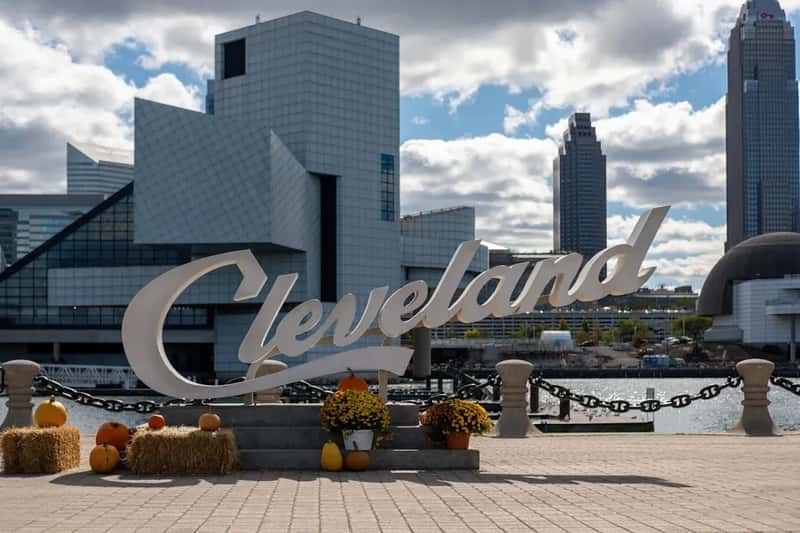
Many of the lowest-income cities were located in Rust Belt states, with Ohio and Pennsylvania having the most cities in the top 10 at three each. Cleveland sits firmly in that category, with decades of industrial decline keeping incomes suppressed. Still, the city punches far above its economic weight in terms of livability and cultural richness.
Cleveland has leveraged strategic public and private investment that supports local artists and cultural institutions to preserve vulnerable communities, attract new visitors and businesses, and revitalize struggling neighborhoods. The Cleveland Clinic is one of the most respected medical institutions in the world, giving residents access to world-class healthcare that many wealthier cities simply cannot match. It’s a strange paradox – a poor city with some of the best hospitals on the planet.
3. Gainesville, Florida – College Town With a Hidden Heart
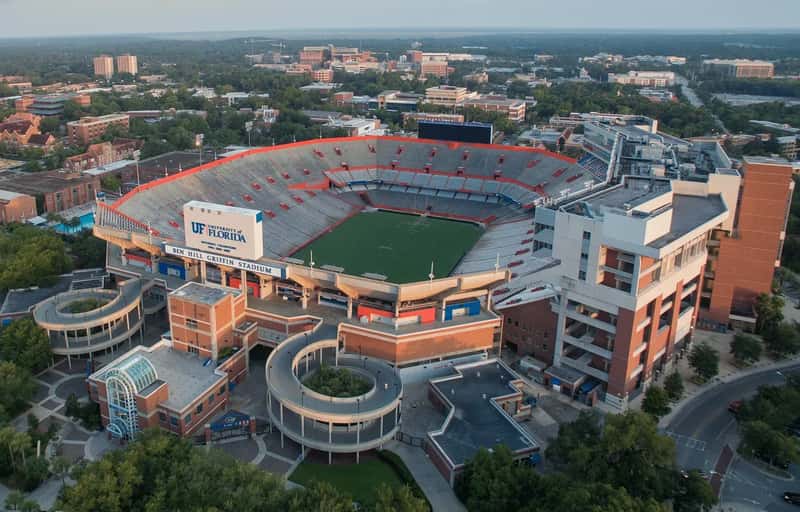
Located in north-central Florida, Gainesville is a college town with a surprisingly high poverty rate, as it is home to the University of Florida and a huge population of poor college students. About 26.6% of Gainesville, FL residents had an income below the poverty level in 2023, which was significantly greater than the poverty level across the entire state of Florida. That is a sobering number, no question about it.
However, the picture is more nuanced than a single statistic. Other than the poverty rate and a somewhat elevated crime rate, Gainesville has quite a lot going for it – the unemployment rate is well below the national average and the city boasts an overall livability score of 79. The cost of living in Gainesville is 96 with 100 being average, meaning residents get more for their money compared to many other Florida cities. Add the natural springs, research community, and thriving local food scene, and you have something genuinely worth living in.
4. Brownsville, Texas – Warmth, Culture, and the Rio Grande
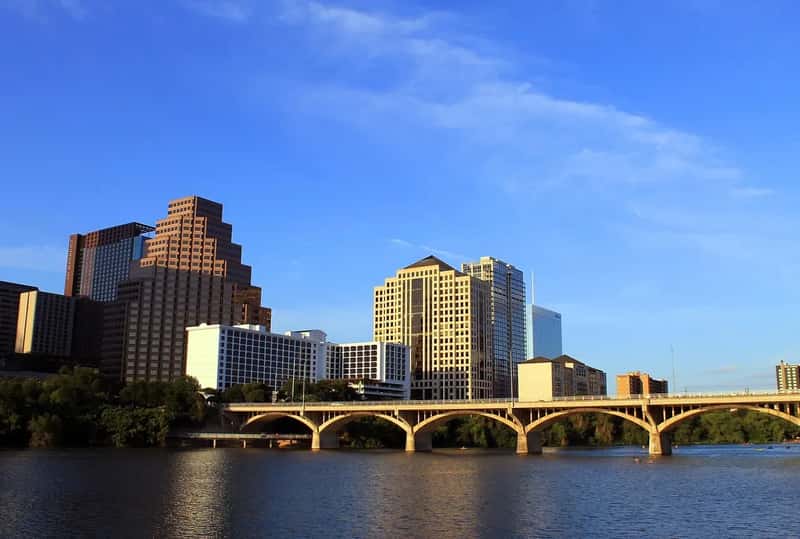
This southern Texas city was long named the poorest in the nation, located on the Rio Grande just across from Mexico, and part of the reason for the city’s high poverty rate is the regular influx of people from south of the border. About 24.9% of the population in Brownsville, TX live below the poverty line, a number that is higher than the national average of 12.4%. Those are real struggles, and nobody should minimize them.
Yet Brownsville offers something rich and rare: a vibrant bicultural identity that is unlike almost anywhere else in the United States. In 2023, Brownsville had a median age of just 30.9, making it a young, energetic city. The median property value in Brownsville was $122,400, and most people drove alone to work with an average commute time of just 20.6 minutes. That affordability, combined with a warm climate, strong community ties, and proximity to the Gulf of Mexico, gives residents a quality of life that feels richer than the income data would suggest.
5. Buffalo, New York – Rebirth on the Great Lakes
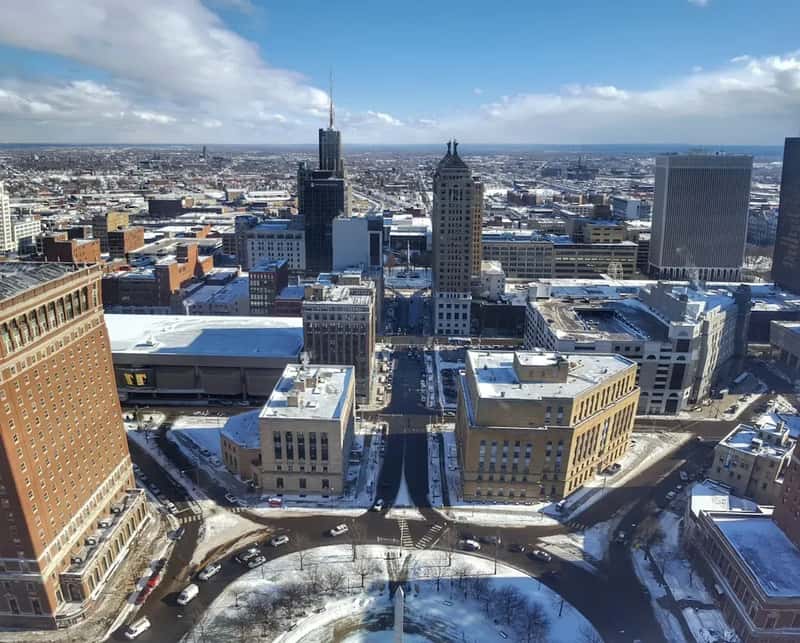
Buffalo in New York is one of the poorest cities in the US, but sectors like clean energy and healthcare could be really promising in the near future – and the city used to be a popular industrial and shipping hub, majorly because of its location near the Great Lakes. That geographic advantage never went away, and Buffalo is now quietly leveraging it again. The winters are brutal, I won’t pretend otherwise, but the summers along Lake Erie? Those are something special.
Among the country’s 10 cities with the lowest median household incomes, the average household income was just under $39,000 a year. Buffalo frequently appears in that range. Despite this, the city has seen significant investment in its waterfront, its neighborhoods, and its local food culture. Housing remains remarkably affordable by national standards, and the arts scene – including the Albright-Knox art gallery, now expanded into the Buffalo AKG Art Museum – rivals cities twice its size.
6. Hartford, Connecticut – Unlikely Survivor in the Richest State
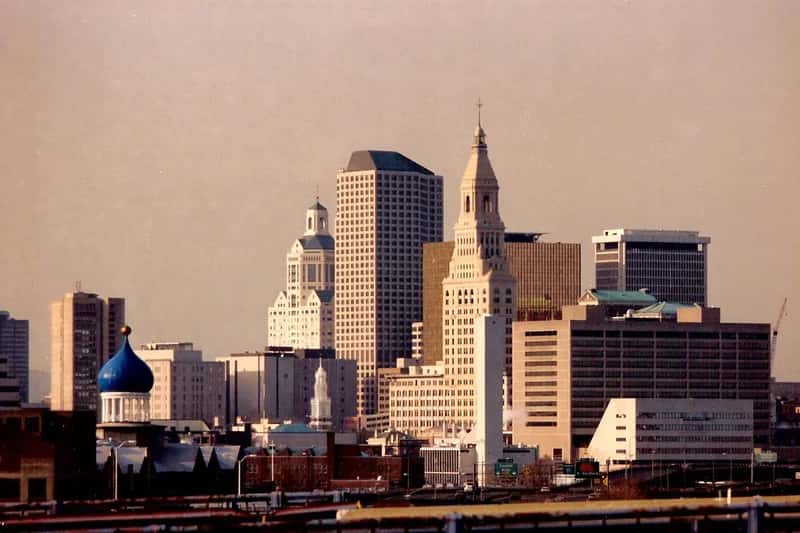
Following the Civil War, Hartford was the richest city in the US – the Industrial Revolution had a lot to do with that – but the once-busy factories shut their doors long ago, and today Hartford is the poorest city not just in one of the richest states in the US, but in the entire country too. That contrast is almost difficult to process. Hartford may be poor, but it is located in one of the richest states in the US, and you can find a lot of issues there, such as underfunded schools and limited job opportunities.
Here’s what the numbers don’t tell you: Hartford sits at the center of one of the most economically productive regions in America. Insurance industry jobs remain a significant employer. The city has world-class museums, including the Wadsworth Atheneum – the oldest public art museum in the country. Residents benefit from Connecticut’s extensive public infrastructure, including transit links and state-funded social services that are among the most generous in the nation. It’s hard to say for sure, but that institutional safety net may make Hartford more livable than its poverty rate implies.
7. Springfield, Massachusetts – History, Higher Ed, and Hustle
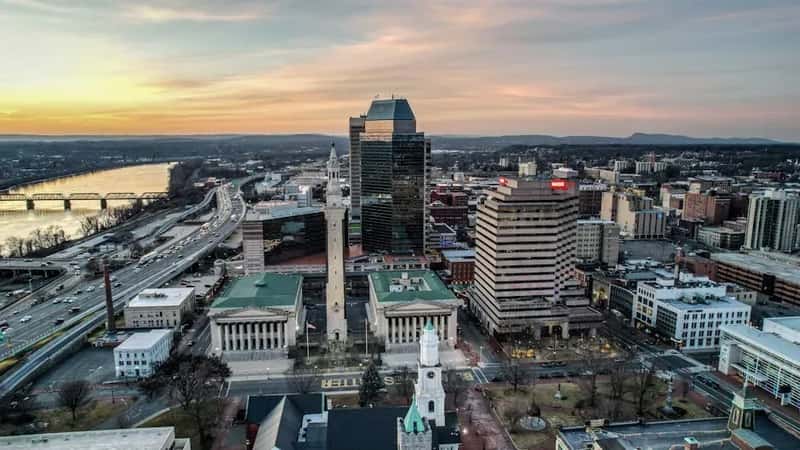
Springfield regularly ranks at or near the bottom of Massachusetts income tables, and despite a 4% increase in median household income in the U.S. from 2022 to 2023, the gap between the highest and lowest earners continued to widen, according to data from the U.S. Census Bureau – with U.S. median household income at $80,610 in 2023. Springfield sits far below that national figure. The post-industrial legacy weighs heavily on the city’s finances.
Still, Springfield is the birthplace of basketball and home to a thriving Latino cultural heritage that gives the city a distinct personality. Let’s be real – it’s not perfect, but it has things that many wealthy suburbs desperately lack: authenticity, history, and real community. Cities like these have historically leveraged strategic public and private investment that supports local artists and cultural institutions to preserve vulnerable communities and revitalize struggling neighborhoods. Springfield is doing exactly that, with new investments in the riverfront and cultural districts continuing through 2024 and into 2026.
8. Dayton, Ohio – Small City With a Surprisingly Big Soul
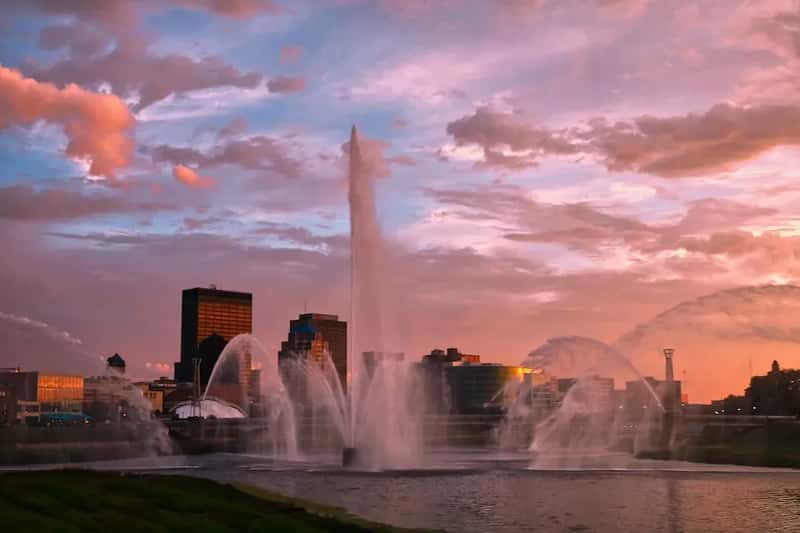
Located in west-central Ohio, Dayton ranks among the top cities with the highest poverty rates, with its current problems largely stemming from a lack of high-paying jobs in the region – mostly because so many high-paying manufacturing jobs have evaporated – and the city’s median household income is about 40 percent lower than the state average. Those are genuine economic wounds. The opioid crisis also hit Dayton harder than almost anywhere else in the country.
What makes Dayton earn a place on this list is its fierce sense of identity and a cost of living so low it almost seems unreal. If you’re ready to ditch the big-city price tag, there’s something to be said about affordable, small-town living – between the lower cost of living and the slower pace, you can find a genuinely desirable lifestyle. Dayton has outstanding bike infrastructure, a thriving craft beer scene, and the National Museum of the U.S. Air Force – the largest military aviation museum in the world – all of which are completely free to visit. That matters more than people give it credit for.
9. McAllen, Texas – Green City on the Border
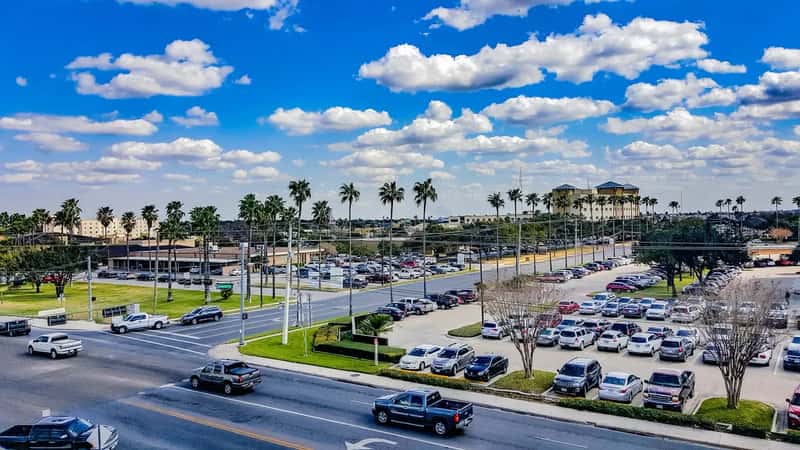
In 2024, 10.6% of the U.S. population lived in poverty, but in border cities like McAllen, Texas, the rate climbs considerably higher. The poorest states according to the U.S. Census Bureau include states like Louisiana, Mississippi, New Mexico, West Virginia, and Kentucky – but Texas border cities like McAllen tell a similar story, with poverty rates well above the national average driven by economic isolation and immigration dynamics.
Despite this, McAllen has earned a reputation as one of the most unexpectedly livable cities in the South. It has been recognized multiple times as one of the greenest cities in the nation for its extensive parks system and tree-planting initiatives. The poverty level in the United States is around $30,000, although this amount of money can go much further in some cities than others. McAllen is a textbook example of that principle – housing is cheap, food is affordable and exceptional, and the community is tight-knit and proud. The Anzalduas Park system, the McAllen Nature Center, and a booming retail economy give residents real recreational and economic options that defy expectations.
What These Towns Teach Us About What Life Is Really Worth
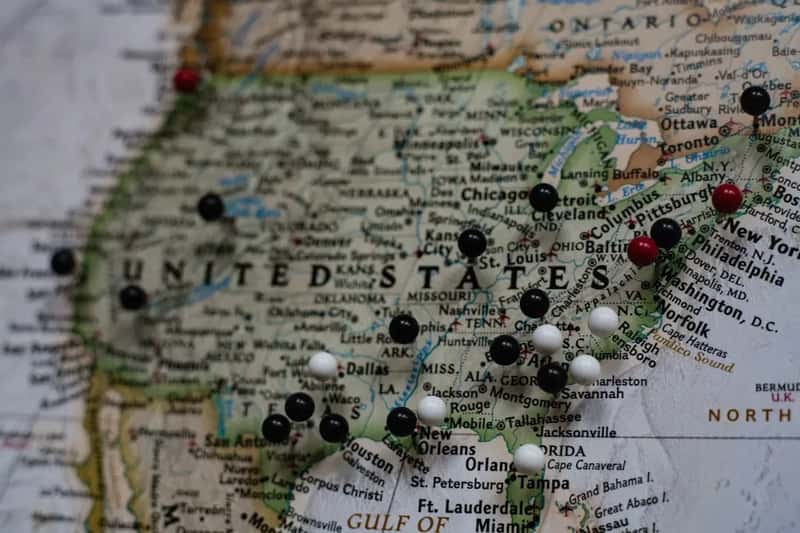
Poverty and quality of life are not the same thing. They overlap, they interact, they create real challenges – but they are not identical. Financial security is tied to a number of things including household income, cost of living in the geographic area, expenses, wealth inequality, and housing opportunities. When cost of living drops low enough, a modest income can stretch surprisingly far.
If you’re ready to ditch the big-city price tag, there’s something to be said about affordable small-town living – between the lower cost of living and the slower pace, you can also find a desirable lifestyle. These nine towns prove that point in different ways. Some offer world-class culture. Others offer affordability and community. A few offer natural beauty that money simply cannot replicate.
The real question worth sitting with is this: how much of what we call a “high quality of life” is actually about income, and how much is about connection, purpose, and a place that feels like home? What would you have guessed before reading this? Share your thoughts in the comments below.