Paris has a way of surprising people. You think you know it from movies, Instagram reels, and every travel blog you’ve devoured on a Sunday morning – and then you land, walk into a café, and realize you’ve somehow already offended someone before you’ve ordered a coffee. It happens more often than you’d think, especially for Americans, whose cultural habits at home can become invisible landmines abroad.
The good news? Most of what separates a magical Parisian trip from a frustrating one isn’t money or luck. It’s knowledge. A few adjustments in behavior, a handful of key phrases, and a shift in expectations can completely transform your experience. Here’s everything you genuinely need to know before you go.
Do Say “Bonjour” – Every Single Time

Honestly, this might be the single most important thing on this entire list. Saying “bonjour” applies whether you’re checking into a hotel, buying a baguette, or making a restaurant reservation – and in any store where you walk in and can see the people who work there, you need to greet them. It sounds almost laughably simple, but Americans consistently skip this step, walking in and going straight to business like they would at home.
Failing to say “bonjour” sets a cold tone before you’ve even asked for a menu. Forget what you’ve heard about rude Parisian waiters – most aren’t rude at all. They’re just reacting to rudeness, and walking in silently and heading straight for a table is considered exactly that. Think of it like a social handshake. Skip it, and you’ve already started the conversation wrong.
Don’t Launch Into English Right Away
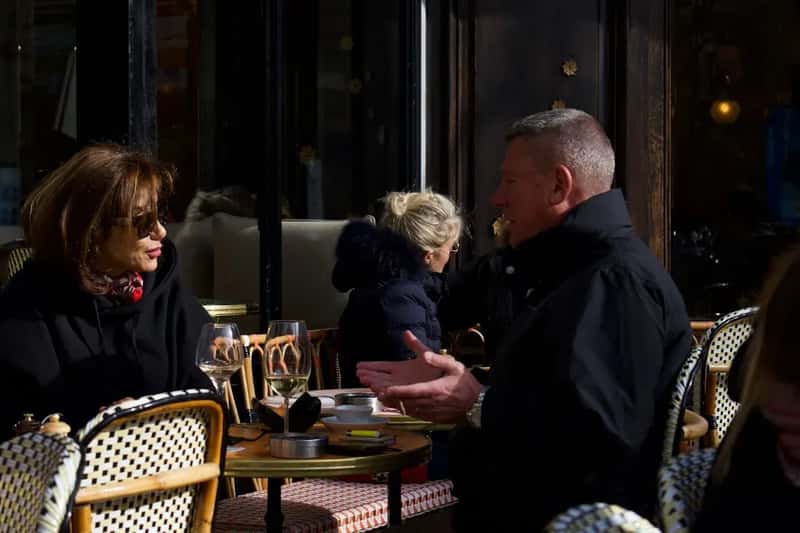
Most Parisians will be able to communicate with you in English, but start conversations in French. By displaying even a little effort with the language, you’ll typically get a far more pleasant interaction than walking up to someone and immediately speaking English while expecting them to answer back. It’s about respect, not fluency. No one expects you to be a French scholar.
Keep your voice down in public places and try to speak as much French as you can – the idea is to let the other person switch to English first. A simple “Bonjour, parlez-vous anglais?” goes a remarkably long way. Don’t worry about your accent. They’ll appreciate that you made the effort.
Do Book Restaurants in Advance
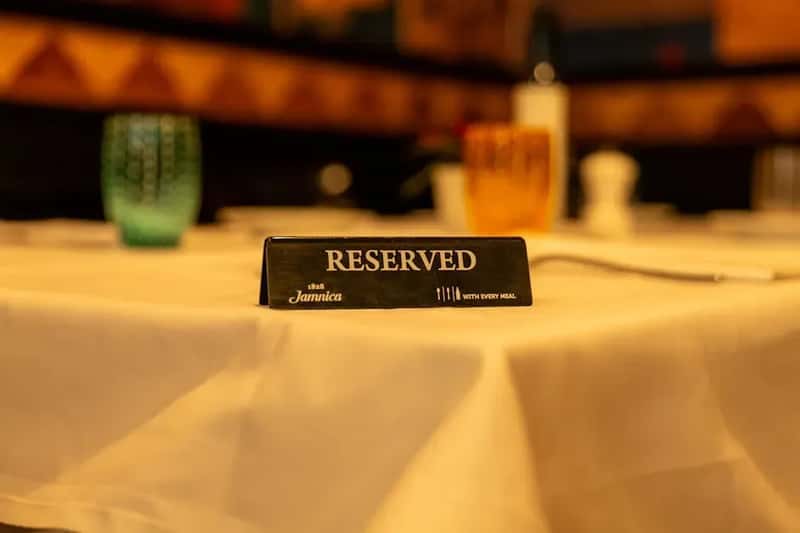
Gone are the days when you could just rock up to a Parisian bistro and hope for the best. In 2026, reservations aren’t optional – they’re essential. Paris restaurants are busy, tables are limited, and if you think you’ll just “see what’s around,” you’ll likely end up in a sad tourist trap with laminated menus. Even for lunch, the best spots fill up quickly, especially on weekends.
Good local bistros typically need to be booked one to two weeks ahead, while Michelin-starred or hyped places require three to four weeks, especially for weekends. I think a lot of Americans underestimate how seriously the French take their meals. It’s not just dinner – it’s an event, a ritual. Treat it accordingly.
Don’t Expect American-Style Dining Service
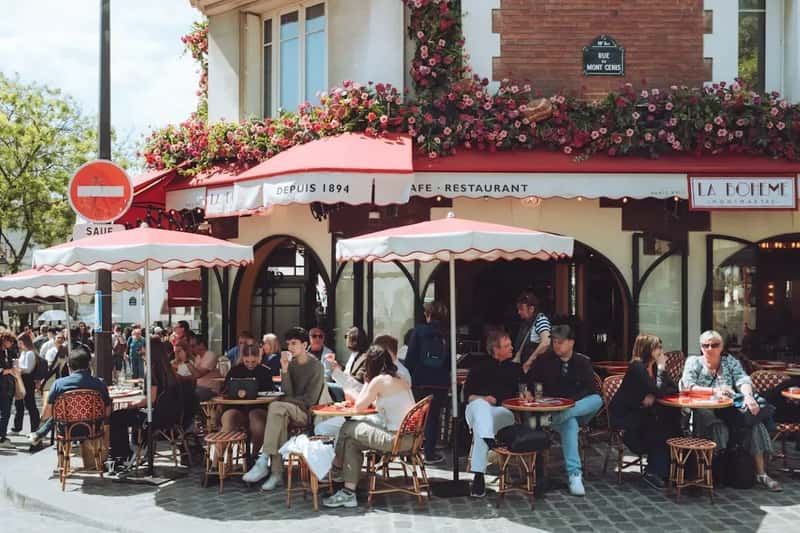
A waiter who isn’t hovering over you or rushing to bring the bill isn’t being rude. In France, it’s actually considered respectful to let diners enjoy their meal undisturbed. When you’re ready, you politely call the waiter’s attention with a simple “s’il vous plaît,” and they’ll assist you. This trips up so many Americans who interpret the relaxed pace as indifference.
Meals are social occasions expected to allow for hours of conversation, and you’re generally responsible for calling your waiter over if you need something. Take your time. Parisians consider lingering over good food part of the pleasure of a meal. Breathe. Slow down. There’s a word for it in French: “savourer.”
Do Dress With Some Intention
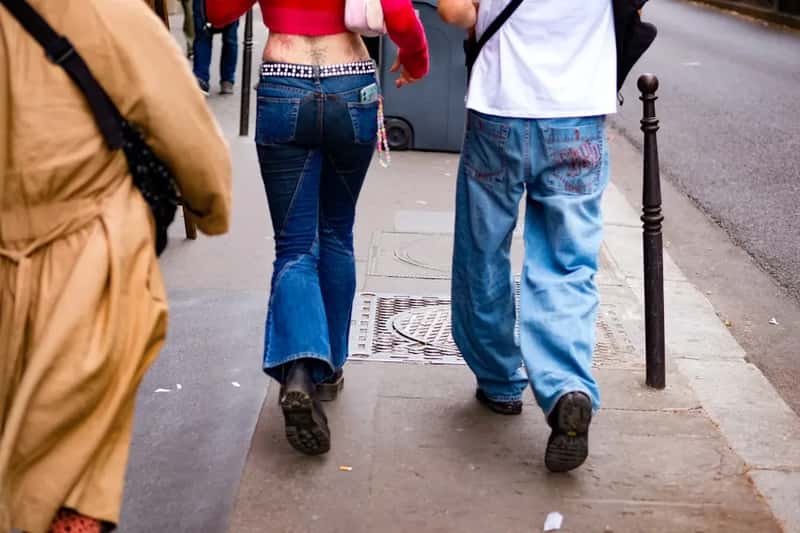
Parisian restaurants maintain dress standards that reflect the culture’s emphasis on looking put-together without obvious effort. “Casual but polished” describes the general expectation. Clean jeans work fine in most bistros, but they should look intentional, not like you just rolled out of bed. Avoid obvious tourist markers: athletic wear, baseball caps, flip-flops, and anything with prominent logos. These items scream “visitor” and might affect how you’re treated.
Maybe decades ago Paris was full of elegant ladies in pencil skirts and high heels, but today everyone wears jeans – it’s the most common item of clothing you’ll see on the streets. The goal isn’t haute couture. It’s just not looking like you came straight from a theme park. As a rule of thumb, it’s always better to be a little overdressed than underdressed.
Don’t Over-Tip Like You’re Back Home
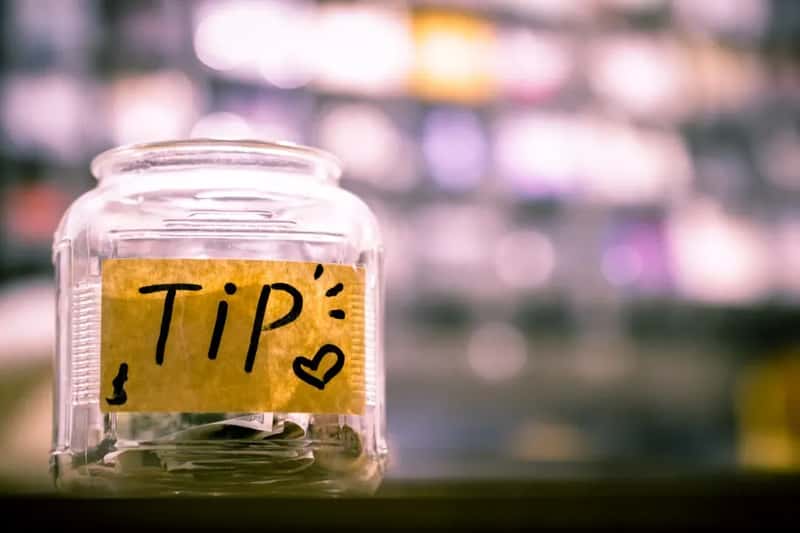
In France, tipping is optional. Service workers, including waitstaff, taxi drivers, and hotel employees, earn a minimum living wage with benefits including healthcare and paid vacations, meaning they do not rely on tips for their income. A service charge is already included in your bill as part of the price of each item – typically noted as “service compris” on the bottom of the menu. This is a legal requirement, not a custom.
There’s one big no-no in French tipping culture: a giant tip isn’t always better. In French culture, flashy displays of wealth are seen as unsightly, including the act of leaving a massive tip. So while a small gratuity is appreciated, leaving a large sum on the table after a modest café stop won’t be received warmly. Rounding up or leaving a few euros for excellent service is the done thing – keep it modest.
Do Stay Alert for Pickpockets and Scams
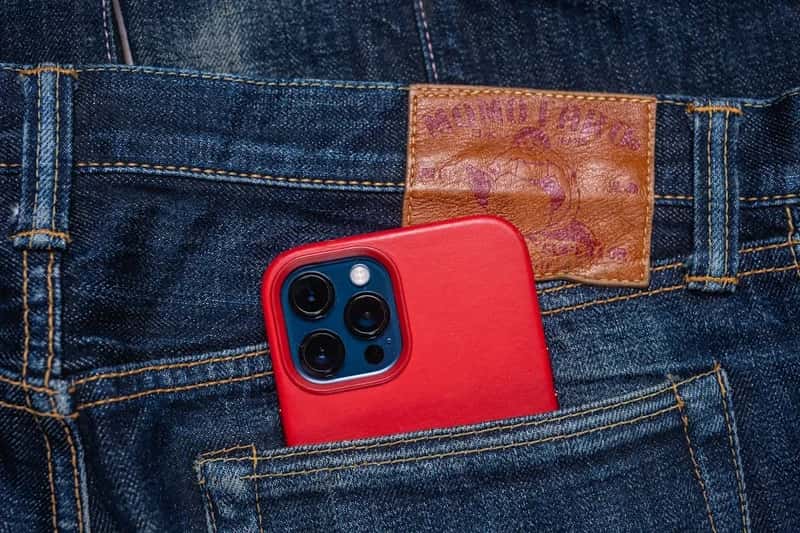
Pickpocketing and phone thefts are common in Paris, especially in crowded places. This is not a reason to panic, but it is a reason to stay switched on. Wearing a cross-body purse and keeping your phone firmly in your hands or in a deep, snapped pocket helps. Ladies especially should never put a purse loosely on the floor or on the back of a chair at a restaurant.
Drawing attention to yourself can easily make you a target for pickpockets and scammers. If someone tries to approach you unexpectedly, keep a straight face and keep on walking. Only bring as much cash as you’ll likely need for the day – roughly 100 euros is a good limit to aim for.
Don’t Customize Your Food Order the American Way
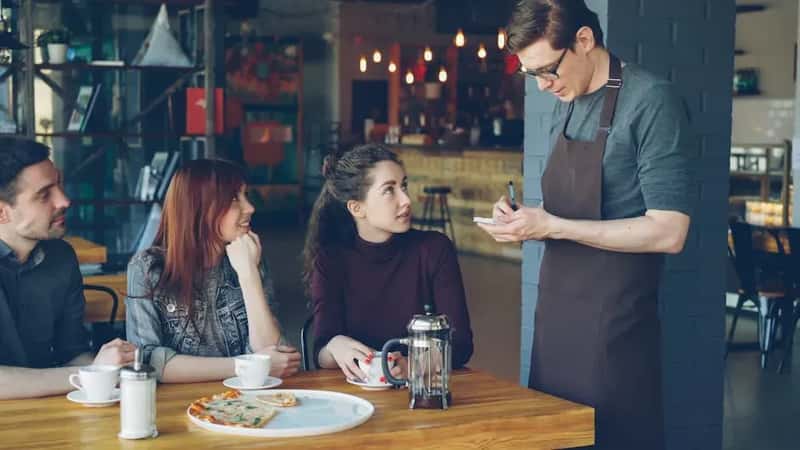
It’s not the norm in Paris to change your dish by adding things, taking things out, or asking for things not on the menu. This is possibly the single most important cultural difference between North American and French dining. The French chef has prepared the dish with care and thought. You cannot make changes without truly vexing the chef and server. In the US the client is king, but in France the chef commands.
Dietary restrictions require diplomatic handling. French chefs take pride in their creations and don’t appreciate wholesale modifications. Learn key phrases like “Je suis allergique aux…” for serious allergies. Serious allergies get respect – preference-based changes get pushback. The French simply don’t do substitutions the way Americans do. Ordering the dish as it is means trusting the chef. That’s kind of the whole point.
Do Use the Metro – and Validate Your Ticket Properly
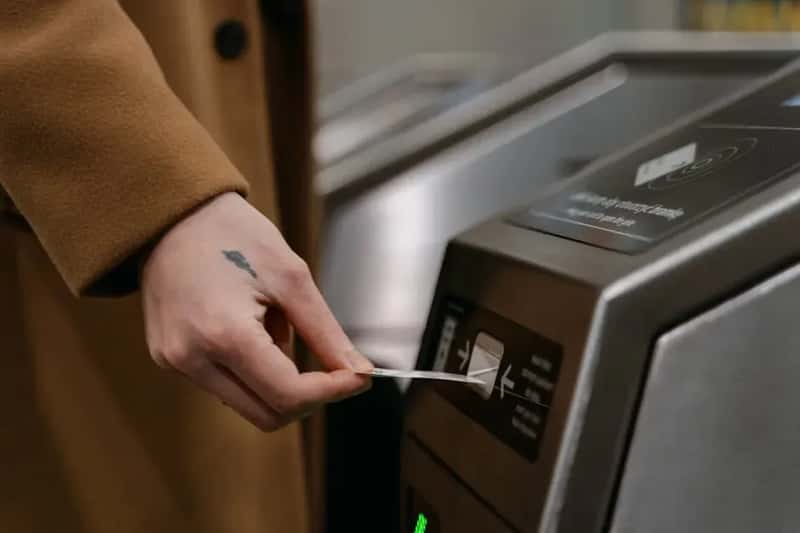
The metro is an efficient way to get from point A to B. Most lines run every two to three minutes, so you also avoid the often snarled traffic of Paris’s streets. It’s genuinely one of the best urban transit systems in the world, and avoiding it entirely out of nerves is a real shame. Buying metro tickets in a pack, known as a carnet, is a smart move – day passes are also available for hopping on and off multiple times.
The Paris metro system has strict rules, and when you don’t follow them, you can be fined. Ticket inspectors are on trains regularly and even carry card payment machines. Violations are enforced on the spot. You must also sign and date your tourist pass to avoid fines. A photo may be required if there is space on the pass to affix one, and inspectors might not be understanding, even if you make an honest mistake.
Don’t Eat at Restaurants Right Next to Major Landmarks
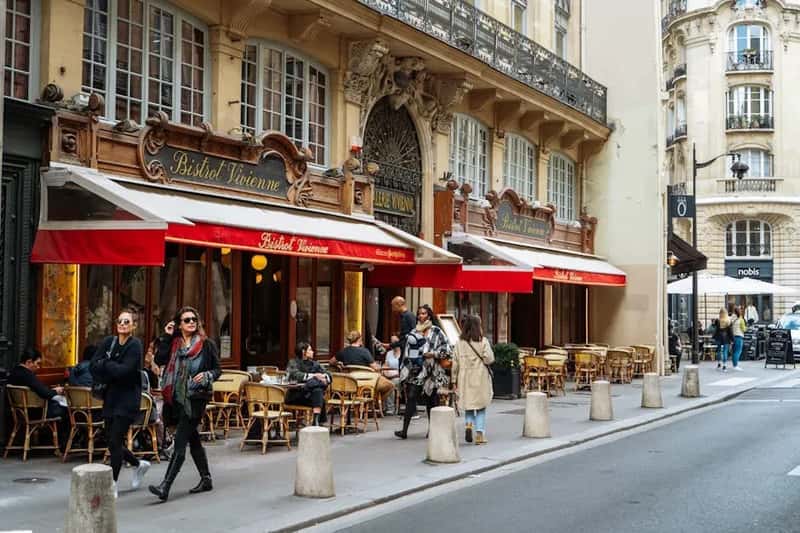
Many travelers leave Paris wishing they’d had different expectations. Paris is beautiful, yes, but it’s also a large, lived-in city. You’ll need to bring your big-city smarts, including avoiding tourist traps, steering clear of scams, and making smart choices about where to eat. The restaurants immediately surrounding the Louvre or Notre-Dame are, let’s be real, rarely worth your euros.
If a restaurant is near a major landmark and has a neon “MENU TOURISTIQUE” sign, walk away. The Eiffel Tower may sparkle, but reheated food from a tourist trap won’t impress. The same applies to places that have become TikTok or Instagram famous – they can be tough to get into, and sometimes places become famous solely for their decor while the food doesn’t hold up.
Do Slow Down and Actually Enjoy the City
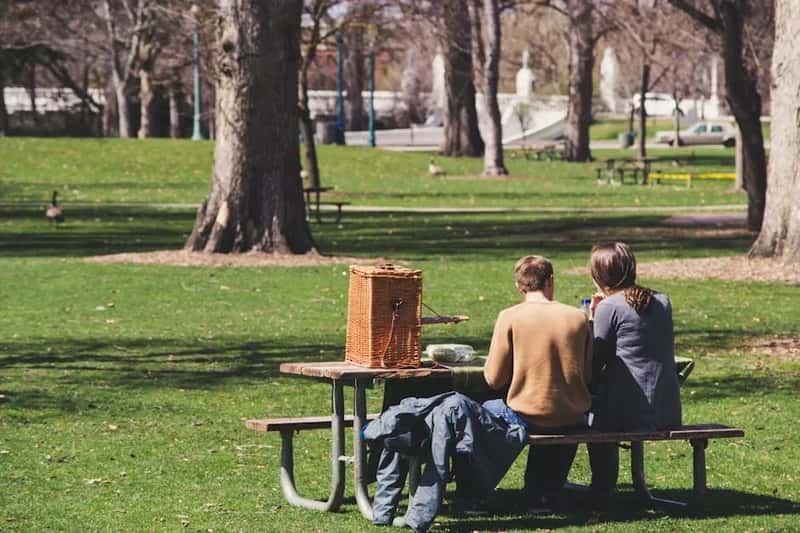
Despite the overwhelming list of things to do in Paris, set some time aside just to relax. Travelers who spend their entire visit rushing from the Eiffel Tower to the Sacré-Coeur to the Rodin Museum are likely to leave feeling exhausted and a little underwhelmed. Paris rewards the slow traveler. It punishes the over-scheduler.
Spend a few hours lying in the grass on the Champ de Mars, sit in the shade of a tree at the Luxembourg Garden, or sip a wine on a café’s terrace and watch the world go by. Grab a bottle of wine, baguette, cheese, and charcuterie and find a spot along the river bank. It’s a simple meal, but one of the best things you can do if the weather is good. Local markets throughout the city offer everything you need for the perfect picnic.
Don’t Ignore the Current U.S. Travel Advisory for France
The U.S. State Department currently shows a Level 2 travel warning for France, corresponding to the advice “exercise increased caution” and citing risks including terrorism and potential civil unrest. This doesn’t mean you shouldn’t go. Paris remains a popular and largely safe destination for millions of visitors every year. It does mean you should stay informed.
Ongoing threats include petty theft in tourist areas. Paris and other popular zones remain safer than some areas of concern, but it’s wise to stay alert around large events or metro protests that could disrupt your plans. It’s always wise to register with your embassy ahead of your trip and keep their contact details with you. In the event that your passport is lost or stolen, or you experience an emergency, registering ensures you can get help more quickly.
Do Embrace the Cultural Differences With Curiosity, Not Frustration
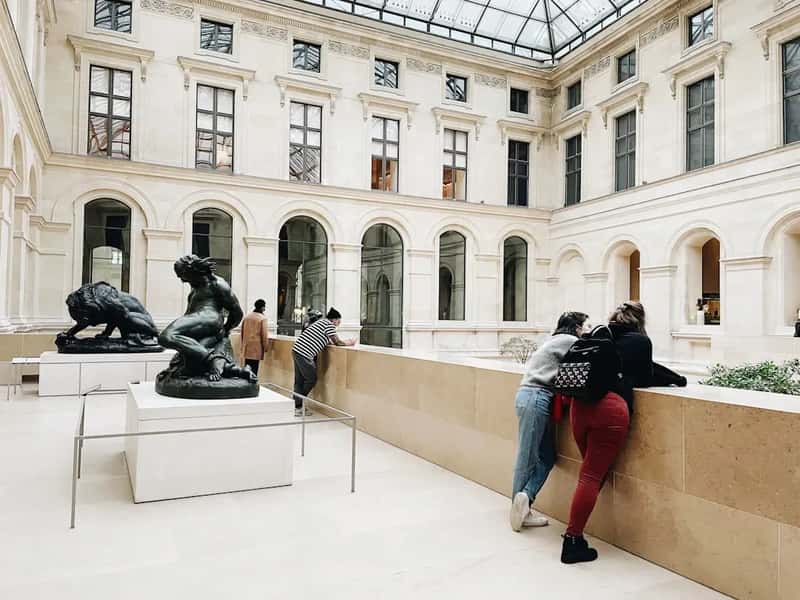
If you want to fit in with Paris locals and avoid egregious travel mistakes, it’s essential that you follow a very Parisian set of unbreakable, unspoken rules. Here’s the thing though – it doesn’t have to feel like a minefield. The rules exist because Parisians care deeply about how daily life feels, how interactions go, and what kind of atmosphere surrounds them. Once you stop fighting that and start appreciating it, things click.
Paris is a city that evolves while holding onto its timeless charm. Many outdated travel tips linger, but they often reflect a Paris that no longer exists. The reality? Paris in 2025 and beyond is modern, dynamic, and more adaptable to visitors than ever. Come with curiosity instead of assumptions, and the city will give you far more than you expected. What would you have changed if you’d known all this before your first trip?