Peter Klopfer, the scientist whose civil-rights case helped bring lemurs to Duke – Image for illustrative purposes only (Image credits: Unsplash)
Peter Klopfer spent nearly seven decades at Duke University as a zoologist and institution builder. His work helped create one of the most important primate research facilities in the world. Yet his path to that achievement ran through a landmark civil rights case that reached the U.S. Supreme Court.
From Berlin to the American South
Klopfer was born in Berlin in 1930 and moved with his family to the United States as a child. He attended Quaker schools and later earned degrees from UCLA and Yale. By the late 1950s he had joined the Duke faculty in Durham, North Carolina, where segregation still shaped daily life in the region.
Faculty members at the time sometimes joined local efforts to challenge those practices. Klopfer took part in such actions, including attempts to integrate restaurants and support students facing arrest. These choices carried personal and professional risks in that era.
A Supreme Court Victory on Speedy Trials
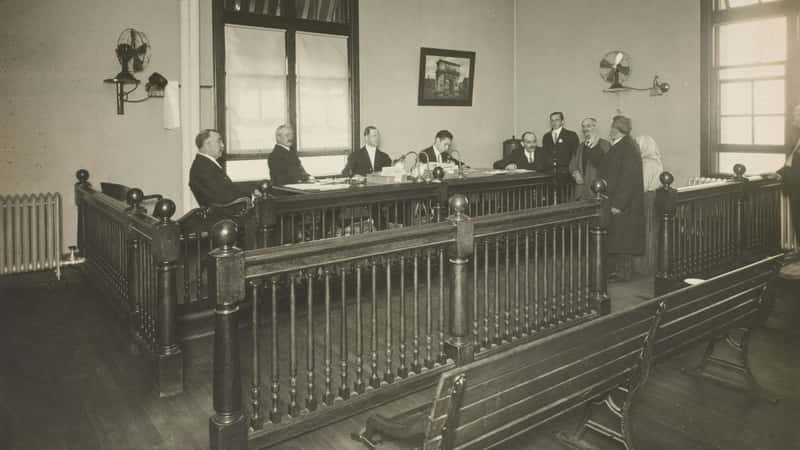
Klopfer became the named plaintiff in a case that tested whether the Sixth Amendment right to a speedy trial applied to state courts. The Supreme Court ruled in his favor in 1967, extending that constitutional protection nationwide. The decision remains a key precedent in criminal procedure.
The same habits of careful observation and persistence that shaped his legal stand also defined his scientific work. Colleagues noted that Klopfer approached both civil rights and animal behavior with steady attention to detail and a willingness to follow evidence wherever it led.
Building the Duke Lemur Center
In the 1960s Klopfer helped establish what would become the Duke Lemur Center. The facility grew into the largest collection of lemurs outside Madagascar and a leading site for research on these endangered primates. Scientists there have studied mother-offspring bonding, social behavior, and conservation strategies for decades.
Klopfer’s contributions to behavioral ecology helped place the center on the map. The work combined field observations with controlled studies, advancing understanding of how early experiences shape primate development. Today the center continues to support both research and breeding programs aimed at preserving lemur species.
Key points in Klopfer’s legacy
- Co-founder of the Duke Lemur Center, now the world’s largest lemur collection outside Madagascar.
- Named plaintiff in the 1967 Supreme Court case that applied the Sixth Amendment speedy-trial right to state courts.
- Nearly 70 years on the Duke faculty studying behavioral ecology and primate development.
A Lasting Dual Legacy
Klopfer died on June 5 at the age of 95. His career illustrates how individual choices in one sphere can open doors in another. The legal precedent he helped secure and the research institution he helped create both continue to influence their fields.
Visitors and researchers at the Duke Lemur Center encounter living evidence of that history every day. The animals and the science they support stand as one outcome of a life shaped by conscience as well as curiosity.