Something has shifted in the way people think about retirement. It is no longer just about a pension check and a quiet house near family. More retirees are packing up entirely, chasing better weather, lower costs, and healthcare that does not eat their savings alive.
By 2030, a handful of countries are expected to absorb the bulk of this wave, and the reasons are not mysterious. They combine income requirements that ordinary retirees can actually meet, decent to excellent healthcare, and a lifestyle that feels like a genuine upgrade rather than a compromise.
Greece

Greece has quietly become the country everyone in retirement circles is talking about. Greece has claimed the top spot in International Living’s 2026 Annual Global Retirement Index, a historic first, thanks to its combination of affordable Mediterranean living, EU membership benefits, and a uniquely attractive tax deal that set it apart from long standing favorites like Portugal and Spain. The centerpiece is a tax arrangement that few other European countries can match.
Retirees can access a flat 7% tax rate on all foreign source income for up to 15 years, along with Golden Visa residency for real estate investment starting at €250,000, while a comfortable budget for a couple runs between $2,000 and $2,700 a month. For those not investing in property, Greece’s Financially Independent Person visa is ideal for retirees and requires proof of $4,050 in monthly income. Add in discounts on transport, museums, and cultural sites for those over 65, and it is easy to see the appeal.
Panama

Panama has been perfecting the art of welcoming foreign retirees for decades, long before it became fashionable. Long before digital nomad visas and influencer hotspots existed, Panama quietly perfected the art of welcoming retirees, and today it ranks second in International Living’s 2026 Global Retirement Index for its ease, comfort, and extraordinary value. A big part of that reputation rests on one specific program.
Panama ranks near the top thanks to its dollarized economy, first world infrastructure, and the legendary Pensionado Visa, widely considered one of the world’s most generous retiree programs. The requirement is just $1,000 a month in lifetime pension income, and it comes bundled with discounts including 50% off hospital stays, 30% off bus and boat fares, and 25% off flights. Life in the interior, around towns like Boquete, can cost noticeably less than Panama City while still keeping specialist care within reach.
Portugal

Portugal remains the default answer whenever someone asks about retiring in Europe, and the reasons go beyond scenery. Portugal remains one of the most attractive destinations for retirees thanks to its affordable living costs, stunning coastline, and excellent healthcare system, with a couple able to live comfortably for €1,700 to €2,500 a month. Smaller towns like Coimbra and Braga stretch that budget even further.
The visa itself is the real draw for many. Portugal offers the easiest retirement visa for US citizens, and to qualify for the D7 Retirement Visa applicants need a passive income of just €920 per month, with processing taking six to nine months in 2026 and a path toward permanent residency and citizenship. The country is also known for its safety, temperate climate, and English friendly population, ranking sixth on the English Proficiency Index.
Costa Rica
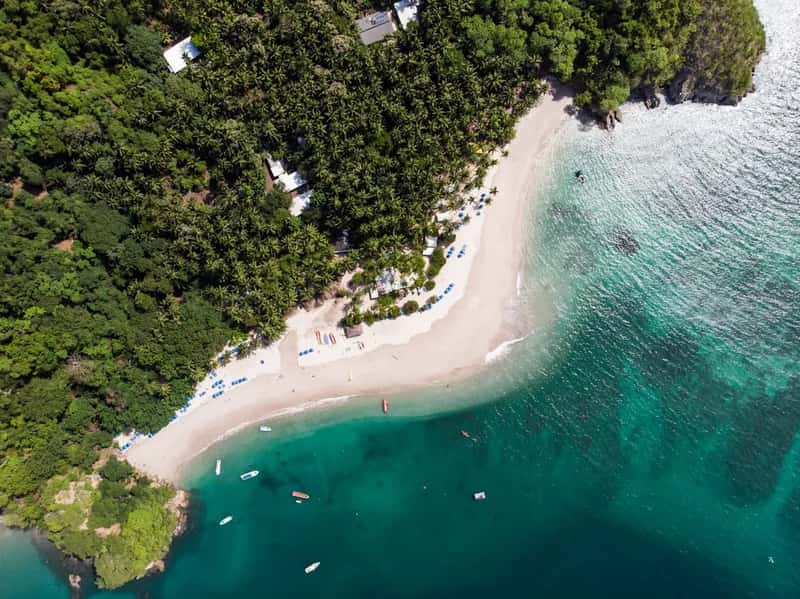
Costa Rica sells itself on a philosophy as much as a set of numbers. Its Pura Vida philosophy reflects a country ranked among the world’s happiest, most biodiverse, and safest in Central America, and its Pensionado Visa is one of the easiest to obtain globally. That reputation has held steady for years rather than being a recent trend.
The Pensionado Visa requires just $1,000 a month in lifetime pension income, grants access to the public CAJA healthcare system for legal residents, and supports a comfortable couple’s budget of roughly $2,000 to $3,000 a month. On top of that, Costa Rica only taxes income earned within the country, meaning foreign pensions and investment income are not subject to Costa Rican tax, which matters for anyone living on money earned abroad.
Mexico

Mexico’s appeal for American and Canadian retirees comes down to geography as much as anything else. Flights from much of the United States to Mexico are shorter and cheaper than flights to Europe or Asia, which matters for anyone planning to visit family regularly. That proximity, combined with a huge variety of climates and towns, keeps it near the top of most lists.
The paperwork itself is relatively approachable. The Temporary Resident visa requires proof of monthly income around $1,620 or a bank balance near $27,000, and permanent residency becomes available after four years of temporary residency, or immediately if income exceeds roughly $2,700 a month. From coastal Baja to colonial cities in the highlands, the range of lifestyles on offer is genuinely wide.
Spain

Spain has never really left the conversation about where to retire in Europe, and its healthcare system is a major reason why. Spain has an outstanding healthcare system that is largely public with private options, and English speaking doctors are common in expat frequented areas, alongside very inexpensive private insurance running around $75 a month for near full coverage in some cases. That combination of quality and affordability is hard to replicate elsewhere in Western Europe.
The visa route asks for a bit more upfront commitment than some of its neighbors. Spain’s Non Lucrative Visa requires around €2,300 a month, and after five years, permanent resident status may become possible. Coastal towns remain popular, though inland cities offer a noticeably gentler cost of living for anyone willing to trade beachfront views for savings.
Italy

Italy has climbed steadily in retirement rankings as more people discover that its southern regions offer far more value than the country’s reputation for expensive living might suggest. Italy climbed to sixth place in 2026, offering unmatched culture, cuisine, and coastal beauty at a surprisingly accessible price, especially in the south, with its Elective Residency Visa providing a clear path for income independent retirees. That visa route, however, does come with a higher bar than some neighboring countries.
The Elective Residency Visa requires $31,000 a year in passive income for singles, though one bedroom apartments in smaller towns can be found for €400 to €800 a month, and access to Italy’s national healthcare system costs roughly $2,300 a year in contributions. There is no age requirement for the standard visa, since the word retirement in the program name describes the type of income rather than the age of the applicant. Sicily and other southern regions in particular offer a real Mediterranean lifestyle at a fraction of northern Italian prices.
Malaysia

Malaysia rarely gets the same attention as Portugal or Panama, yet it consistently earns praise for one specific reason. Malaysia is a favorite in Asia for healthcare, with private hospitals that are accredited and highly advanced, often ranked the best in the region for expats. That medical infrastructure, paired with a genuinely low cost of living, makes it an appealing long term base.
The residency program behind this is Malaysia My Second Home, or MM2H. MM2H offers zero foreign income tax alongside a roughly $2,400 income requirement plus a deposit requirement. The program sets a minimum age of 35, which is still relatively young for a retirement style visa but does exclude only the youngest early retirees. For anyone drawn to Southeast Asia’s mix of modern cities and tropical scenery, it remains one of the more structured options on the continent.
Colombia

Colombia has spent the last decade quietly rebuilding its image, and for retirees on a tighter budget, it now offers one of the most accessible entry points anywhere in the world. Colombia’s M-type retirement visa has the lowest monthly income requirement globally at approximately $750 to $1,100 a month, roughly three times the Colombian minimum wage, which adjusts annually. That threshold alone puts it within reach of retirees living on modest fixed incomes.
Medellín in particular has become something of a case study in what makes a city work for retirees. Medellín is slightly pricier than some other Colombian options but still very affordable, and some call it the best cost of value city, thanks to its eternal spring climate. Colombia also operates a territorial tax system in year one, meaning foreign source income does not enter the local tax calculation. That combination of low cost, mild climate, and a straightforward visa is why it keeps showing up on shortlists.
Uruguay

Uruguay does not chase headlines the way Panama or Portugal do, and that understated quality is precisely why some retirees prefer it. Uruguay is Latin America’s quiet rule of law outlier, a small and stable country with good healthcare and strong institutions, offering clear paths from temporary residence to permanent residence and citizenship, with retiree routes that appeal to sovereignty minded expats. There is no flashy tax gimmick here, just consistency.
The residency requirement itself is deliberately flexible rather than a fixed dollar figure. Uruguay asks for sufficient means, meaning pensions or investment income, with no fixed statutory floor, and temporary residence typically runs one to two years before permanent residency follows. Paperwork is serious and can move slowly, and prices in Montevideo or Punta del Este can feel closer to Southern Europe than to neighboring Argentina or Brazil. Still, for retirees who value stability over bargain pricing, that trade off often feels worth it.