Glossy magazine spreads and Instagram feeds make retiring overseas look like an endless parade of sunset dinners, cheap rent, and stress-free living. It’s easy to see why the idea has taken off. According to a 2025 Harris Poll, 44% of Americans say they have seriously considered retiring abroad, with 14% reporting that they’re actively planning or contemplating a move overseas within the next two years. Yet behind the palm trees and passport stamps, there’s a quieter, messier reality that rarely makes it into the highlight reels.
Most of what gets written about retiring abroad focuses on the upside: lower costs, better weather, friendlier tax regimes. What gets left out are the emotional, financial, and bureaucratic tripwires that catch even well-prepared retirees off guard. This article digs into the parts of the story that don’t fit neatly into a postcard.
The Loneliness Nobody Plans For

It sounds counterintuitive, but moving somewhere warmer and cheaper doesn’t automatically make life richer in the ways that matter most. Few people anticipate the risk of loneliness when retiring abroad, since older Americans planning a happy retirement in idyllic locations abroad focus more on visas and finding housing than finding friends. That gap in planning has real consequences, and researchers are only now putting numbers behind what many expats have felt privately for years.
A 2025 study published by the American Psychological Association surveyed thousands of Dutch retirees who had relocated abroad after age fifty and compared them with peers who stayed home. The lead researcher noted that older adults may face “double jeopardy” in retiring to a new country, as they are vulnerable to both age-related and migration-related risk factors for loneliness, with loneliness itself a risk factor for adverse health outcomes. The findings also pointed to a specific mechanism behind that isolation. Those struggles can involve reduced contact with family and old friends, including adult children, as well as difficulty forming new friendships and connections in their new countries. It’s a sobering reminder that a beautiful view doesn’t replace a support network built over decades.
Medicare Simply Stops at the Border

One of the most jarring surprises for American retirees is discovering that the health coverage they spent a working lifetime paying into essentially disappears the moment they relocate. The short answer is that although Social Security benefits are available to retirees overseas, Medicare generally is not. This isn’t a minor technicality tucked into fine print. It’s a fundamental gap that forces retirees to rebuild their entire healthcare safety net from scratch.
The rules are narrower than most people assume. Traditional Medicare does not provide coverage for hospital or medical costs outside the United States, though in rare cases Medicare may pay for inpatient hospital services in Canada or Mexico. Even the fallback options come with strict limits. Medigap plans C through J offer travel emergency coverage, but the benefit applies only during the first 60 days of any trip, covers 80 percent of emergency care administered outside the country, and comes with a $250 deductible and a $50,000 lifetime maximum. For someone planning to live abroad permanently rather than just visit, that safety net is nowhere near sufficient, which means budgeting for private international insurance becomes non-negotiable rather than optional.
Visa Rules Are Getting Stricter, Not Simpler
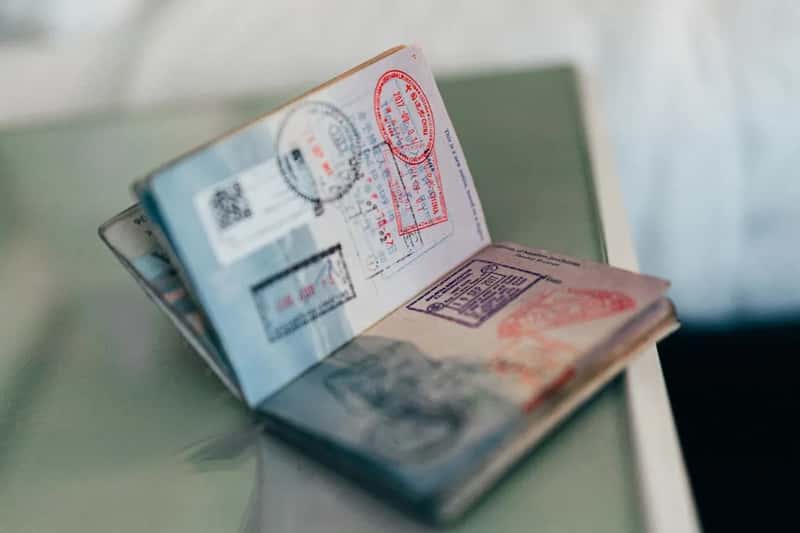
Many retirees assume that once they secure a residency or retirement visa, the hard part is over. In reality, the rules governing that status can shift, and staying compliant becomes an ongoing chore rather than a one-time task. There is a secret about retirement abroad that no one tells you: not all countries welcome retirees, and visa requirements can be strict and complicated. Annual renewals, income verification, and paperwork deadlines don’t stop just because you’ve settled in.
The trend line is also moving in a less forgiving direction across several popular destinations. Countries are not slamming the door on foreign retirees, but they are raising the paperwork burden, tying thresholds more tightly to local wage indexes, and pushing enforcement toward digital verification, which means the practical takeaway is to verify current requirements directly with the relevant consulate before committing to a country. Missing a renewal deadline or failing to meet an income threshold isn’t a small inconvenience either. Failing to meet legal requirements may result in you being deported or, at the very least, scrambling to comply. That’s a heavy consequence for retirees who thought they had already done all the hard work by simply arriving.
Currency Swings Can Quietly Drain Your Savings

Fixed incomes and floating exchange rates make an uneasy pair. Retirees living on Social Security or a pension denominated in dollars are exposed to currency risk the moment they start spending in pesos, euros, or baht. Currency exchange fluctuations can affect your retirement income, and a retiree living in a foreign country on a fixed income could see his local spending power eroded by a depreciating U.S. dollar. That erosion happens gradually, which is precisely what makes it dangerous. Nobody notices a five percent shift overnight, but stacked over several years it can quietly reshape a retirement budget.
This risk rarely gets the attention it deserves during the planning phase, when retirees are more focused on choosing a country than protecting their purchasing power once they’re there. No one can be sure of exchange rates, and this can be a nasty blow to your retirement savings. Some retirees try to hedge by purchasing property outright or keeping flexible living arrangements so they can move if a currency turns unfavorable, but these are workarounds rather than guarantees. The uncomfortable truth is that a comfortable budget calculated today can look very different five years down the road.
Taxes Follow You Everywhere

Leaving the country does not mean leaving the tax system behind, at least not for American citizens. The IRS has a long reach, and retirees abroad quickly learn that “out of sight” does not apply to Uncle Sam. The phrase “death and taxes” follows you across borders, since income earned abroad must also be declared to the U.S. IRS, and retirees may be subject to paying taxes twice depending on where they choose to retire. Untangling double taxation treaties, foreign income exclusions, and local tax residency rules often requires professional help that many retirees didn’t budget for.
Retirement visas add another layer of tax complexity on top of citizenship-based obligations. Dual tax obligations can arise if you maintain residency in your country of citizenship while holding a retirement visa abroad, since the United States taxes its citizens on worldwide income regardless of where they reside. What starts as a simple move for a lower cost of living can turn into a genuinely complicated annual filing situation involving two governments, two currencies, and two sets of deadlines.
Legal and Estate Planning Gets Complicated Fast

Wills, powers of attorney, and estate plans that work perfectly well in the United States don’t necessarily transfer overseas. This is one of the least glamorous but most consequential blind spots in retirement planning abroad. Estate laws vary significantly by country, and U.S. documents may not be recognized or carry over abroad, meaning retirees may need local wills, powers of attorney, or trusts coordinated with their U.S. estate plan to avoid conflicts. Skipping this step can leave a surviving spouse or family members tangled in a foreign legal system at the worst possible moment.
Residency status itself can also become legally fragile if the underlying paperwork isn’t maintained properly. Failure to maintain the required financial threshold or to renew documentation on schedule can result in visa cancellation, loss of residency status, or deportation proceedings. These aren’t hypothetical scenarios reserved for careless retirees either. Life happens, documents expire, and health emergencies can distract from administrative deadlines that carry serious legal weight.
Distance From Family Cuts Both Ways

Retiring abroad often means trading proximity to grandchildren, aging parents, and lifelong friends for a lower cost of living and a different pace of life. That trade-off sounds reasonable in the abstract, but it plays out very differently once someone back home gets sick or a grandchild’s milestone falls on a week when flights are unaffordable. The loneliness research mentioned earlier captures part of this dynamic, but it’s worth stating plainly: physical distance from family is a genuine cost, not just an emotional inconvenience.
Citizenship and immigration status can compound this distance in ways retirees don’t always anticipate before moving. If you establish residency in a country for which Washington requires a visa, visiting family stateside becomes more complicated. For retirees who eventually consider renouncing citizenship for tax or residency reasons, the stakes rise even further, since once you give up your U.S. citizenship, unless you can prove it was under duress, there’s no getting it back. These are permanent decisions dressed up as lifestyle upgrades, and they deserve far more scrutiny than they typically receive.
Language Barriers Complicate Healthcare and Mental Health Support

Even in countries with excellent, affordable healthcare systems, language remains an underestimated obstacle for aging retirees. Filling a prescription or describing symptoms accurately becomes harder when it has to happen in a second language, and the stakes only rise with age. A language barrier may significantly impede access to healthcare and services, a situation which may compromise quality of life and be accompanied by feelings of loneliness, isolation, and even depression. This isn’t a problem that resolves itself after a few months of immersion either, especially for retirees who arrive later in life with less capacity or motivation to reach fluency.
Mental health support carries an added layer of difficulty on top of general medical care. Finding a therapist becomes far more complicated when compatible language and cultural context both matter for meaningful treatment. These psychological aspects could be improved with mental health services, though if services were available, the retired migrants might not be able to utilize them if they were unable to communicate with the therapists using the local language. For retirees dealing with grief, isolation, or the loss of a spouse in a foreign country, that gap in accessible mental health care can turn a manageable struggle into a prolonged one.