You’ve just landed in Barcelona after months of planning the perfect vacation. The sun is shining, the beaches are gorgeous, and the tapas smell incredible. Then you turn a corner, and someone sprays you with a water pistol, chanting for tourists to go home.
It’s not a prank. It’s a protest. Welcome to Europe’s new reality, where some of the world’s most beloved destinations are telling visitors they’re no longer welcome.
Spain’s Boiling Point: Locals Armed with Water Guns and Anger
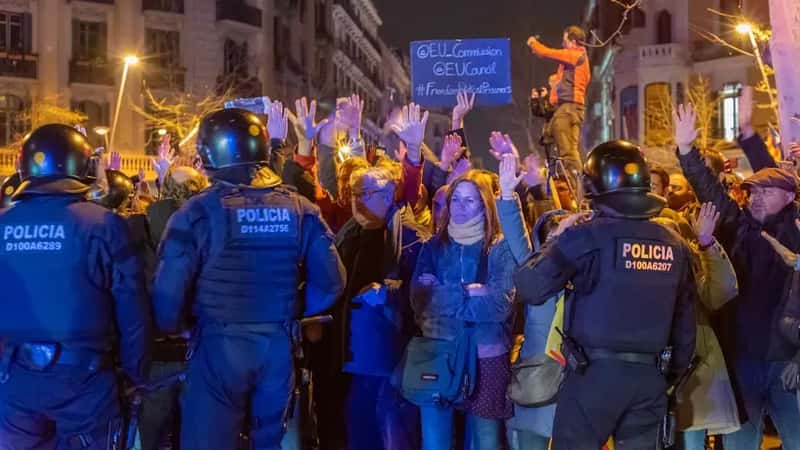
Over the course of 2024, 94 million tourists visited Spain, compared to its 48 million population. Think about that for a second. Nearly double the entire population descended on the country in a single year. In Barcelona, locals have taken to the streets armed with water guns, dousing tourists in protest against the growing housing crisis caused by short-term rentals.
The images went viral. Visitors enjoying outdoor cafés suddenly found themselves drenched while protestors chanted through the streets. It wasn’t meant to hurt anyone, but the message was crystal clear: enough is enough. The BBC reported that while overtourism has concerned residents of the most-visited locations for a while, “in 2024, it feels like something has changed. The anger among many locals is reaching a new level.
Between 20,000 and 50,000 people across the islands took part in coordinated protests against the excess tourism, which campaigners argue has damaged the welfare of the population and the islands’ environment. The protests were backed by environmental organisations, including Greenpeace and the WWF. These weren’t just random outbursts. They were organized movements spanning Barcelona, Mallorca, the Canary Islands, and beyond.
The Housing Crisis Nobody Saw Coming
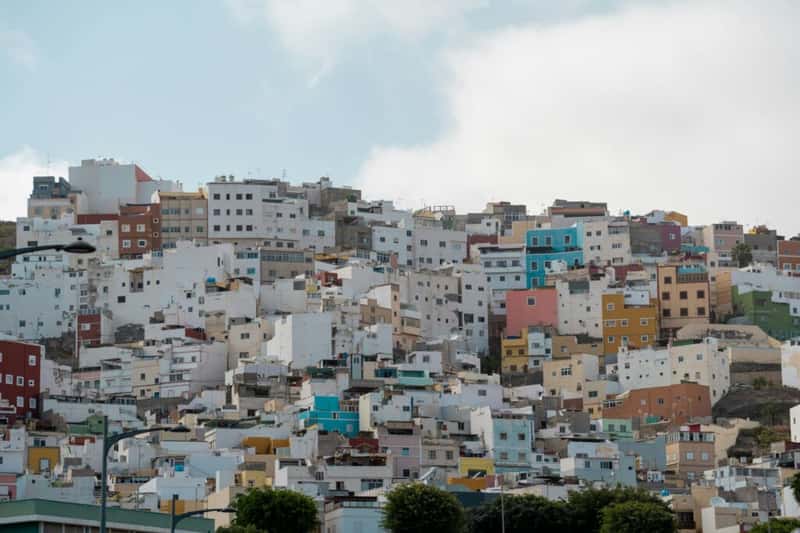
Rental prices for beachfront accommodations have skyrocketed, rising over twenty percent since the middle of 2023. For locals trying to live in their own cities, this isn’t just inconvenient – it’s catastrophic. By 2024, about 1,000 residents of Mallorca lived in their vehicles, as did an unspecified number of Ibiza residents.
Let that sink in. People are sleeping in cars in tourist paradises because they can’t afford a roof over their heads. In Spain, anti-tourism activists, academics, and the government say that overtourism is driving up housing costs in city centers and other popular locations due to the proliferation of short-term rentals that cater to visitors. Airbnb and similar platforms turned entire neighborhoods into hotels, pushing out the people who actually live there.
Domestic tourism has fallen sharply, with locals making 800,000 fewer trips within their own country. Spaniards are being priced out of their own vacation spots. The irony is painful.
Greece’s Island Paradise Turns Into a Nightmare
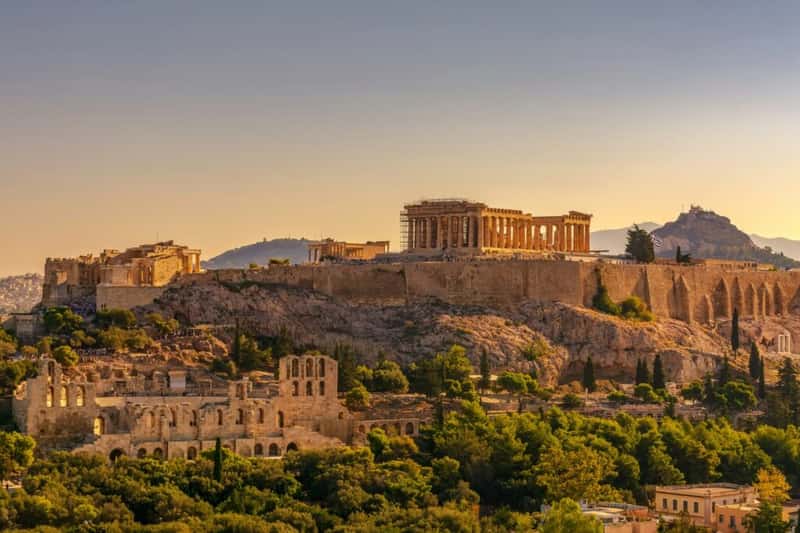
Greece welcomed nearly four times as many tourists as its population in 2024. That’s a stunning statistic – and a recipe for disaster on islands like Mykonos and Santorini, where water is now trucked in from the mainland or desalinated to meet surging demand. Honestly, when you’re shipping water to islands because tourists are drinking it all, something has gone seriously wrong.
The fervent anti-tourism sentiment sweeping across Europe has found new ground in Athens, as graffiti demanding an end to over-tourism now adorns the historic city’s walls. Protesters, enraged by the influx of visitors inundating their beloved home, took to the streets last month to voice their discontent. Messages like “Tourists Go Home” and “Burn Airbnb” started appearing across the city.
The Beach Towel Revolt and Infrastructure Collapse
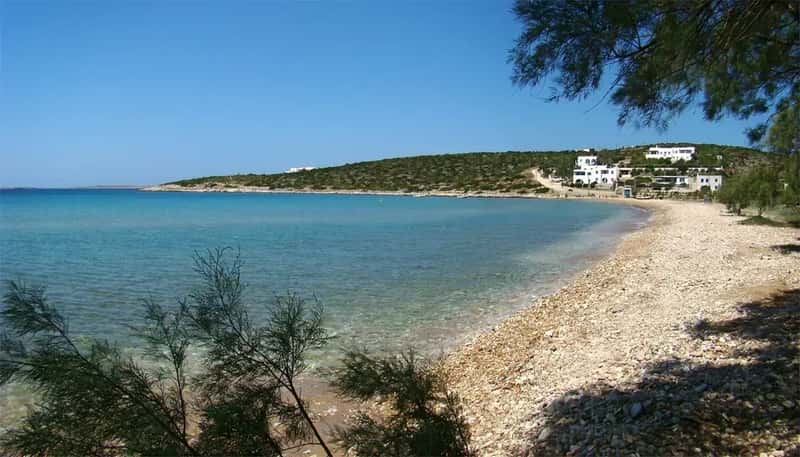
In 2023, Paros became the birthplace of the ‘beach towel revolt’, a grassroots protest movement against illegal beach development. Frustrated residents rallied against businesses that had seized public beachfronts with unauthorised sunbeds and umbrellas. The protests spread to other Greek islands and prompted government pledges of stricter enforcement – but results so far have been mixed at best.
It’s wild when you think about it. Locals are protesting because their own beaches are being taken over by commercial operations catering exclusively to tourists. On some of Greece’s most-visited islands, tourism has overlapped with water scarcity as drought grips the Mediterranean country of 10.4 million. The islands are literally running dry.
In Greece, starting July 1, a cruise tax of €20 for popular islands like Mykonos and €5 for less-visited ones like Samos will be imposed. The government is scrambling to control the damage, but many residents feel it’s too little, too late.
Turkey: The Forgotten Victim of Mass Tourism

Turkey doesn’t get talked about as much in the overtourism conversation, but it absolutely should. Revenue from tourists jumped 8.3% from the previous year to $61.1 billion in 2024 and blew past the previous high of $54.3 billion in 2023 and well over the $34.5 billion in 2019. The numbers look fantastic on paper.
Here’s the thing, though. Average per capita spending by visitors during their stay across the first three quarters of the year was down 1.6 percent, to $970, while time spent in the country also dipped. Overseas tourists stayed 10.6 days rather than the average of 11.3 days seen in 2023. More tourists, shorter stays, less spending per person. It’s quantity over quality.
Turkey’s broader economic situation, with high inflation and a controlled foreign currency rate, has pushed prices up and contributed to the country being seen as an expensive destination, according to hotel managers in the region. The tourism model isn’t benefiting locals the way it should, and visitors are noticing the strain, too.
The Future of Travel: Are We the Problem?
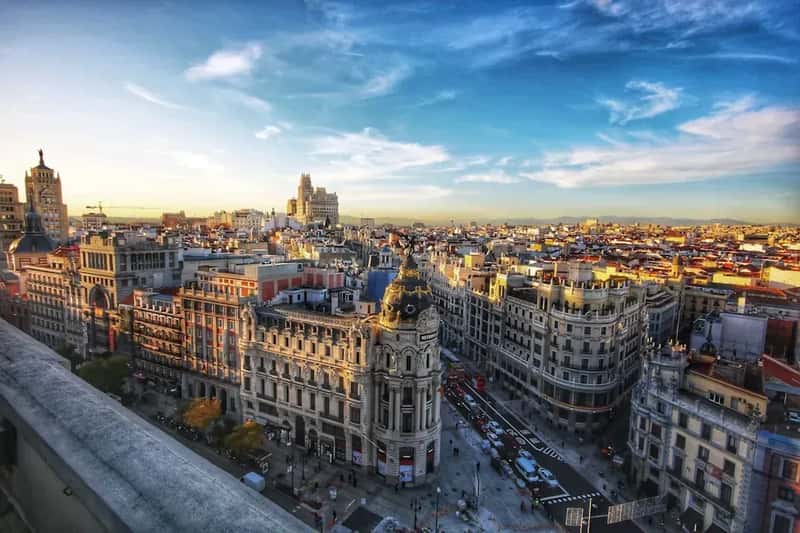
It’s unclear whether last year’s protests had a direct impact, but 15.5 million tourists stayed overnight in Barcelona in 2024 – 100,000 less than in 2023, official figures show. Maybe the protests are working. Maybe people are choosing different destinations. Or maybe this is just the beginning of a much bigger conversation about how we travel.
Residents’ reactions tend to evolve as overtourism intensifies. They may tolerate it at first, then voice concerns, sometimes turn confrontational, and ultimately search for ways to adapt and push for constructive change. And along this path, tourists often become scapegoats. It’s not really about hating tourists as individuals – it’s about a broken system.
The destinations that made us fall in love with travel are buckling under the weight of their own success. Spain, Greece, and Turkey are all grappling with the same fundamental question: how do you preserve what makes a place special when millions of people want to experience it? Right now, nobody has a good answer. But one thing is certain – the era of unlimited, consequence-free tourism is over. What comes next will define whether these places survive as living, breathing communities or become nothing more than open-air museums for visitors who destroyed what they came to see.