Most travelers know the golden rule: stick to bottled water in certain parts of the world. Yet what surprises people again and again is just how far that warning actually stretches. It’s not just about taking a sip at dinner. We’re talking about the water hitting your lips in the shower, the ice in your cocktail, and yes, the water you rinse your mouth with every morning.
The scale of this issue is genuinely staggering. Approximately 2.1 billion people still lacked access to safely managed drinking water services in 2024, mainly in low-income countries with pronounced urban-rural disparities. That’s not a distant statistic. It directly shapes the experience of millions of travelers every single year. Here are 10 destinations where the tap is a real gamble, with evidence to back every warning up. Let’s dive in.
1. Mexico: The Most Famous Warning in Travel History
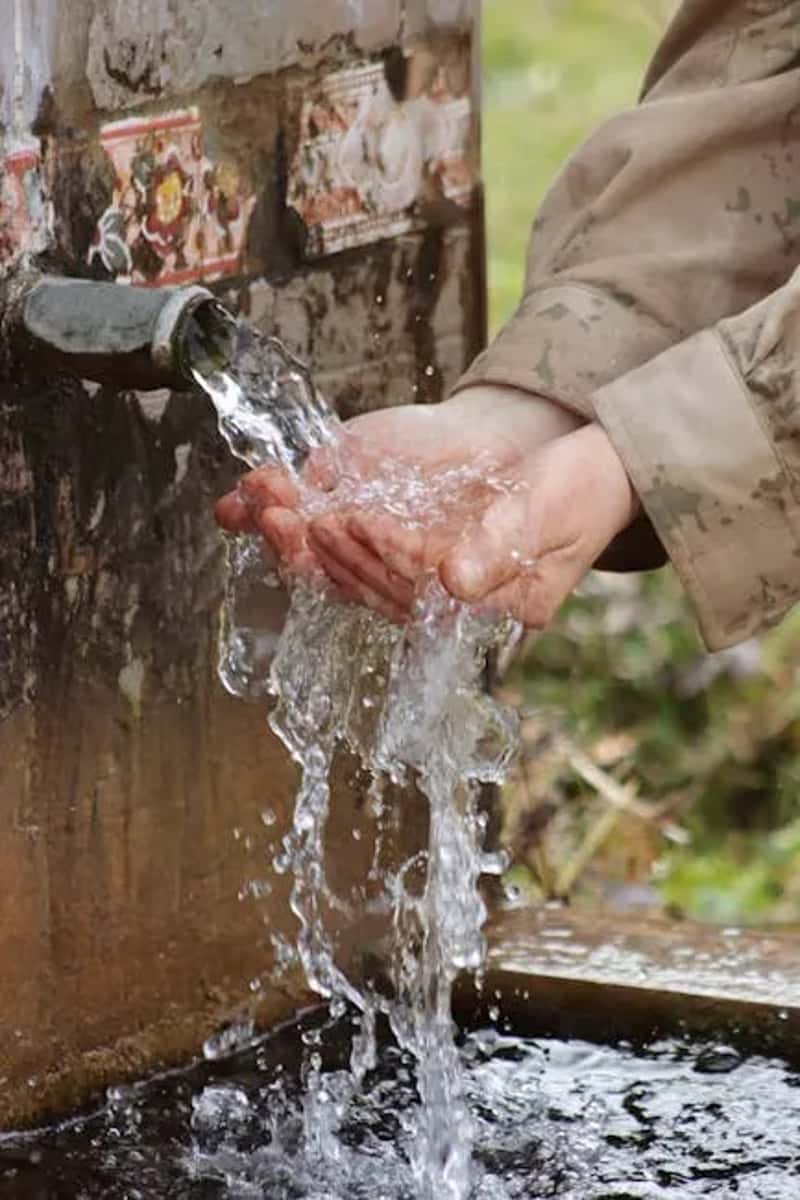
Mexico is probably the most well-known entry on this list, and the reputation is absolutely earned. Tap water quality in Mexico varies widely, but even in major cities like Mexico City, Guadalajara, and Monterrey, the water supply is often not considered safe for direct consumption. Factors like old infrastructure, potential contamination during distribution, and inconsistent municipal treatment contribute to concerns about tap water safety.
Approximately 70% of travelers to Mexico City experience gastrointestinal issues, often due to unsafe drinking water. The issue goes deeper than tourist discomfort, too. The city’s old infrastructure and leaky pipes contribute to water loss and contamination, with up to 40% of water lost before it ever reaches a faucet. Honestly, that number alone is enough to make you reach for the bottled stuff. Tap water in many areas is not safe to drink. Bottled water is safe and should be requested at restaurants and hotels. You may want to request no ice in your drinks since it may be made from tap water, according to the U.S. State Department’s own travel advisory.
2. India: A Nation-Wide Urban Water Crisis
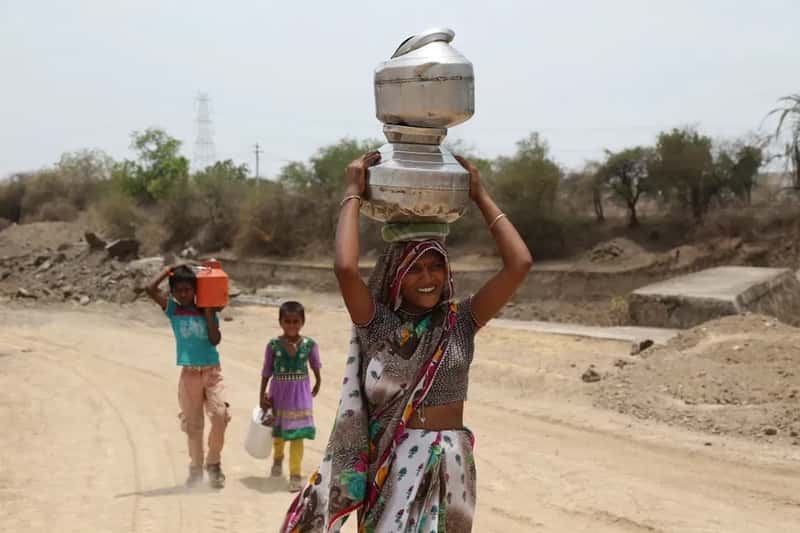
In most parts of East and South Asia, including popular destinations like India, tap water is generally considered unsafe for drinking. It can contain bacteria, viruses, and heavy metals due to inadequate filtration and treatment processes. India is a dream destination for millions of visitors, but its water situation is sobering.
The numbers from recent reporting are alarming. Between January 2025 and January 7, 2026, at least 5,500 people fell ill in 26 cities, including 16 state capitals, across 22 states and Union territories after consuming sewage-contaminated piped drinking water. At least 34 people died. That’s not a rural problem hiding in distant villages. Diarrhoea was the most commonly reported illness, followed by typhoid, hepatitis and prolonged fever. Across cities, the cause has been strikingly similar. In almost every case, contamination was traced to sewage mixing with drinking water, often because ageing or poorly laid water pipelines run dangerously close to sewer lines. For tourists, bottled water is non-negotiable here, even in five-star hotels.
3. Indonesia: Fecal Contamination on a Massive Scale
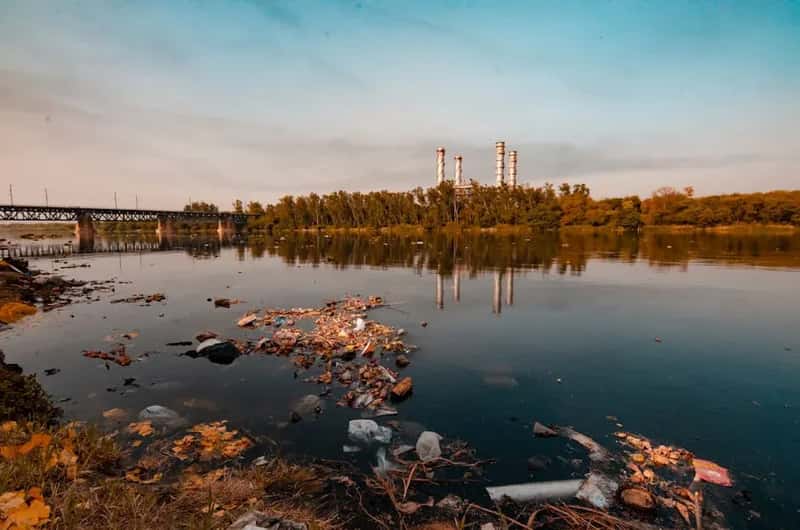
Indonesia is one of Southeast Asia’s most magical destinations, with Bali drawing millions of visitors each year. The water, though, tells a very different story. According to a UNICEF study, around 70% of household drinking sources are contaminated by fecal waste in Indonesia. The country doesn’t have dependable sources of piped water, and locals don’t drink water directly from the tap. It’s safe to shower with, but you should boil or use filters when quenching your thirst.
Tap water in Indonesia is not potable. It’s not even recommended to brush your teeth with tap water in Indonesia. Ice in Indonesia is generally safe to consume. Even so, travelers should avoid tap water in Indonesia in all cosmopolitan areas. Think about that the next time you absentmindedly reach for the tap while brushing your teeth in a Bali villa.
4. Vietnam: Beautiful Country, Risky Water
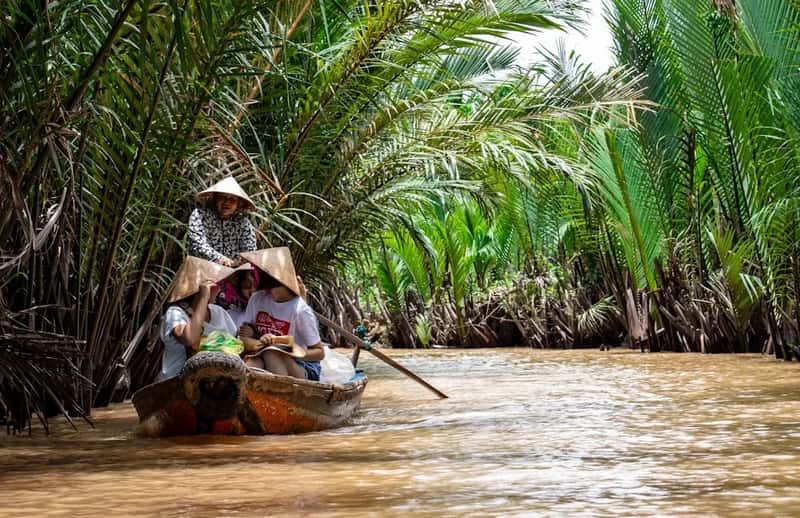
Vietnam has become one of the hottest travel destinations in Asia, and it absolutely deserves the hype. The food, the scenery, the culture. It’s all incredible. The water, however, is a different chapter entirely. Water in Vietnam is considered unsafe to drink unless it’s been boiled or filtered. In big towns and cities, Vietnamese tap water may be okay for brushing your teeth but should be avoided in more rural areas.
In many parts of the world, particularly where water treatment, sanitation, and hygiene are inadequate, tap water can contain disease-causing agents, including bacteria, viruses, parasites, and chemical contaminants. Consequently, tap water might be unsafe for drinking, preparing food and beverages, making ice, cooking, and brushing teeth. Vietnam fits this description well outside of major urban centers. The CDC consistently flags the country for water precautions, and experienced travelers know to never let tap water near their mouths.
5. Egypt: Treated, But Still Risky for Visitors
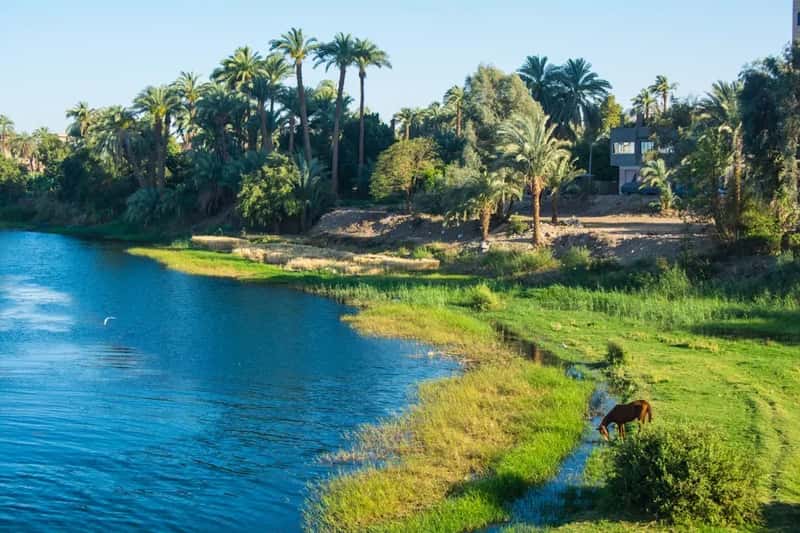
Egypt is an absolute bucket-list destination. Ancient pyramids, the Nile, remarkable history at every corner. Yet when it comes to water, even the treated supply poses real risks. In many countries across the Middle East, including Egypt, tap water safety varies significantly. While some wealthier Gulf countries have invested heavily in water treatment and desalination technologies, it’s often recommended that travelers stick to bottled water. The difference in mineral content and treatment processes can still cause discomfort for those not accustomed to it. In more rural areas or less developed regions, tap water can be contaminated due to inadequate treatment facilities or outdated infrastructure.
Here’s the thing. Even when water is technically treated, a traveler’s immune system simply isn’t prepared for local microbial variations. One of the most common questions travelers ask is why drinking water in other countries makes you sick even when locals drink it without issues. In many cases, it is not just about whether water is “clean.” It is also about exposure to different microbes and pathogens that a traveler’s immune system is not used to. Locals may have built up tolerance over years of repeated exposure, while visitors may react strongly after even a small amount. Egypt is a textbook example of this dynamic.
6. Nigeria and Sub-Saharan Africa: A Continental-Scale Crisis
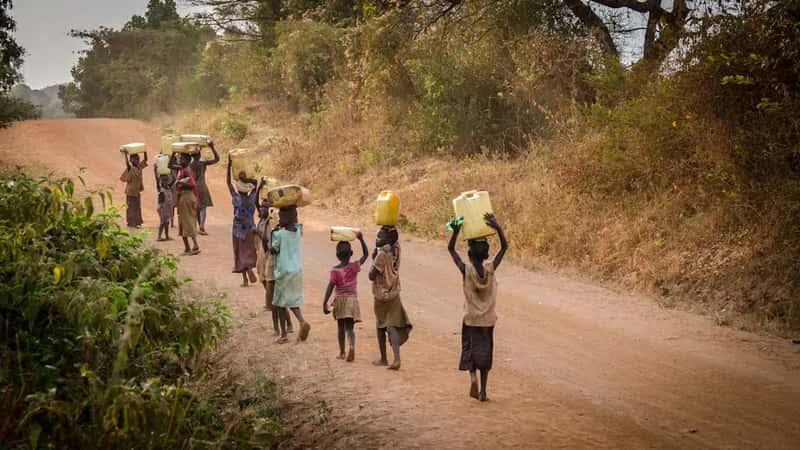
Much of sub-Saharan Africa deals with a water safety crisis that goes far beyond inconvenience for tourists. African countries, including tourist destinations like South Africa, Kenya, and Tanzania, have tap water that is not safe for drinking. Nigeria in particular faces acute challenges. The African Region reported 95,763 cases of cholera and 2,317 deaths between November 2022 and January 2023. These cases were witnessed in countries including Nigeria, Kenya, Burundi, Cameroon, Ethiopia, Malawi, and Zambia.
As reported by the United Nations, Africa is currently going through a water catastrophe. West and Central Africa tends to be one of the most water-insecure and climate-impacted regions globally. The countries majorly affected include Cameroon, Chad, Nigeria, and Somalia, among others. For travelers visiting Nigeria for business or tourism, no amount of caution is too much. Sealed, factory-bottled water only. Even when brushing your teeth.
7. Brazil: The Country That Shouldn’t Have a Water Problem
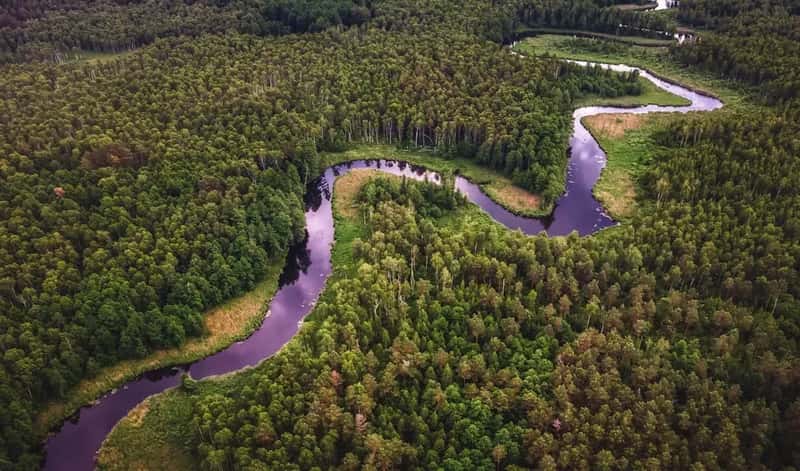
This one genuinely surprises people. Brazil is home to the Amazon, roughly a twelfth of the entire planet’s fresh surface water reserves. Yet the water coming out of taps tells a completely different story. Brazil is counted amongst countries with unsafe tap water. Around 35 million people of this South American country have no access to drinking water at all. It’s surprising because Brazil has 12% of the planet’s fresh surface water reserves.
In South American countries such as Brazil, tap water quality varies greatly. In some urban areas, such as São Paulo, it might be treated and technically safe to drink, but it still poses a risk due to bacteria that travelers might not be accustomed to. Rural areas often lack proper treatment facilities, making tap water unsafe. The infrastructure gap between São Paulo’s upscale neighborhoods and the rest of the country is enormous. Travelers should treat all Brazilian tap water with skepticism and prioritize sealed alternatives throughout the country, not just in obviously rural spots.
8. Thailand: Popular, Stunning, and a Definite No on Tap Water
Thailand attracts tens of millions of tourists per year. Bangkok’s street food scene, the island beaches of Koh Samui and Phuket, the temples of Chiang Mai. The draw is obvious. What’s less obvious to first-time visitors is that while most countries in the region have decent treatment plants that clean water to international safety standards, they often have ageing plumbing systems both inside buildings and underground. These pipes can be corroded, damaged, or even full of holes, allowing plenty of pathogens, particles, and heavy metals to leech into the water before it reaches your tap.
Countries like Thailand have widespread bacterial contamination risks. Boiling, filtering, or using purification tablets is essential. What catches travelers off guard is that a resort may have perfectly clean water in the tank, but by the time it travels through old building plumbing, it picks up contaminants along the way. The rule in Thailand is simple: bottled water for everything, including teeth brushing. No exceptions.
9. The Caribbean (Haiti and the Dominican Republic): Paradise With a Water Warning
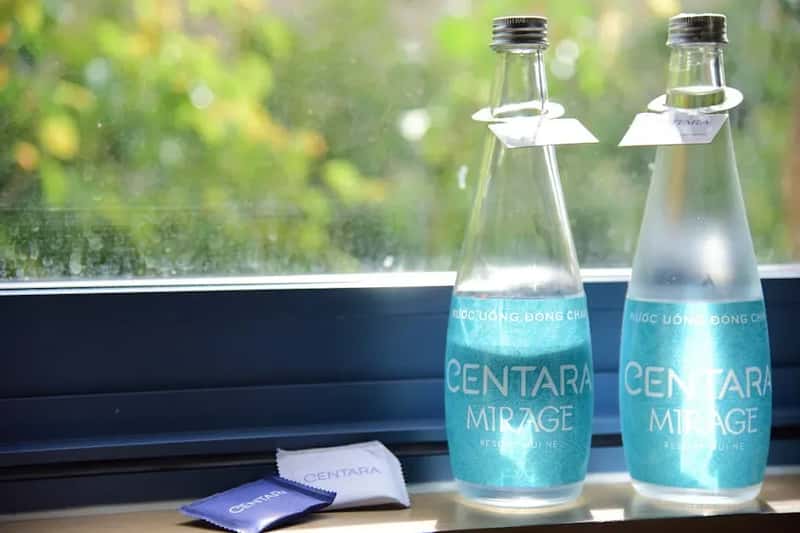
The Caribbean looks like paradise, and in many ways, it is. However, several Caribbean nations carry persistent water safety warnings that travelers often underestimate. In Caribbean destinations, it is recommended to drink bottled or filtered water. Limited natural freshwater resources and desalination processes can affect the safety of tap water.
Haiti sits at the extreme end of this spectrum, still dealing with waterborne disease outbreaks in the wake of years of infrastructure collapse. Drinking tap water in unsafe destinations can lead to various health issues including gastrointestinal infections. Bacteria like E. coli and Salmonella can cause severe diarrhea, vomiting, and dehydration. Parasites such as Giardia can lead to long-term digestive problems, and heavy metals and other pollutants can result in chronic health issues affecting the liver, kidneys, and nervous system. Even in the Dominican Republic, where resort infrastructure is generally stronger, travelers are routinely advised to stick to bottled water exclusively. The resort bubble does not make you immune from water risks beyond its perimeter.
10. Bangladesh: One of the World’s Most Acute Water Safety Challenges
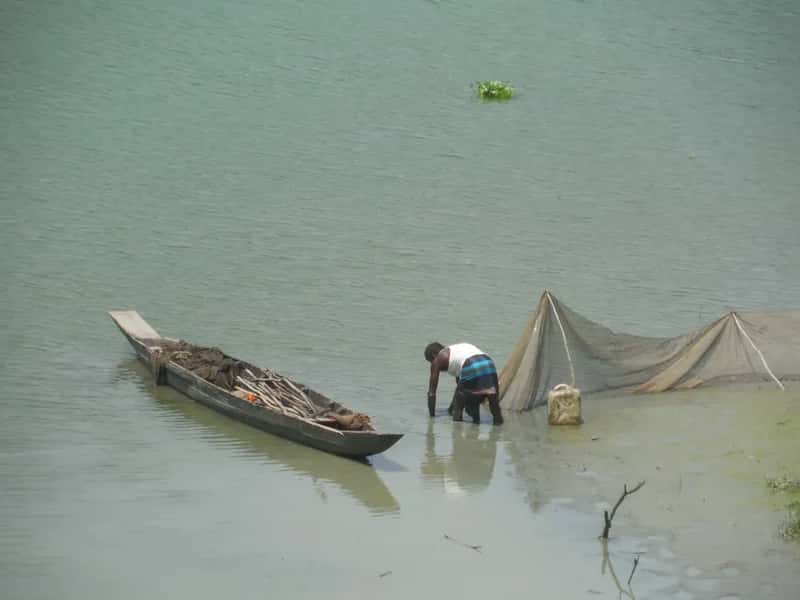
Bangladesh is not a mainstream tourist destination compared to some others on this list, but it sees significant business travel and receives volunteers and aid workers in large numbers. It also represents one of the most acute water contamination challenges on the planet. According to WHO and UNICEF data from 2025, 3.4 billion people globally still lacked safely managed sanitation. Improving access to water, sanitation, and hygiene can save 1.4 million lives per year.
Bangladesh’s groundwater is heavily affected by naturally occurring arsenic contamination, a problem distinct from the bacterial risks found in most other destinations on this list. Populations are exposed to waterborne infectious diseases, such as diarrhea and typhoid, as well as chronic health risks from chemical contaminants, including arsenic, fluoride, and lead. Arsenic cannot be seen or tasted, and it cannot be neutralized by boiling. It requires specialized filtration. You can get sick if you use contaminated water for cooking, washing food, preparing drinks, making ice, or brushing your teeth. Contact with contaminated water, such as wading or swimming, can also lead to illness. In Bangladesh, that warning applies in its fullest, most literal sense.
The Rule That Applies to All 10 Destinations
Across every single destination on this list, one principle holds firm. In areas where tap water could be unsafe, use only commercially bottled water from an unopened, factory-sealed container or water that has been adequately disinfected for drinking, preparing food and beverages, making ice, cooking, and brushing teeth, per the CDC’s own guidance. That’s not overcaution. That’s just the minimum.
Not only is it important to have safe drinking water, but you also want to ensure the water is safe that you use for brushing your teeth, as ice in drinks, for cleaning fruits and vegetables, and washing dishes. It only takes a small amount of contaminated water to cause a serious issue. And drinking unsafe tap water can lead to gastrointestinal infections, parasitic diseases, and exposure to harmful chemicals, making safe drinking practices essential. Travel smart, stay hydrated with the right water, and never assume that a beautiful hotel room means the tap is safe. Sometimes the most dangerous things in travel are the most ordinary-looking ones.
Which destination on this list surprised you the most? Drop your thoughts in the comments.