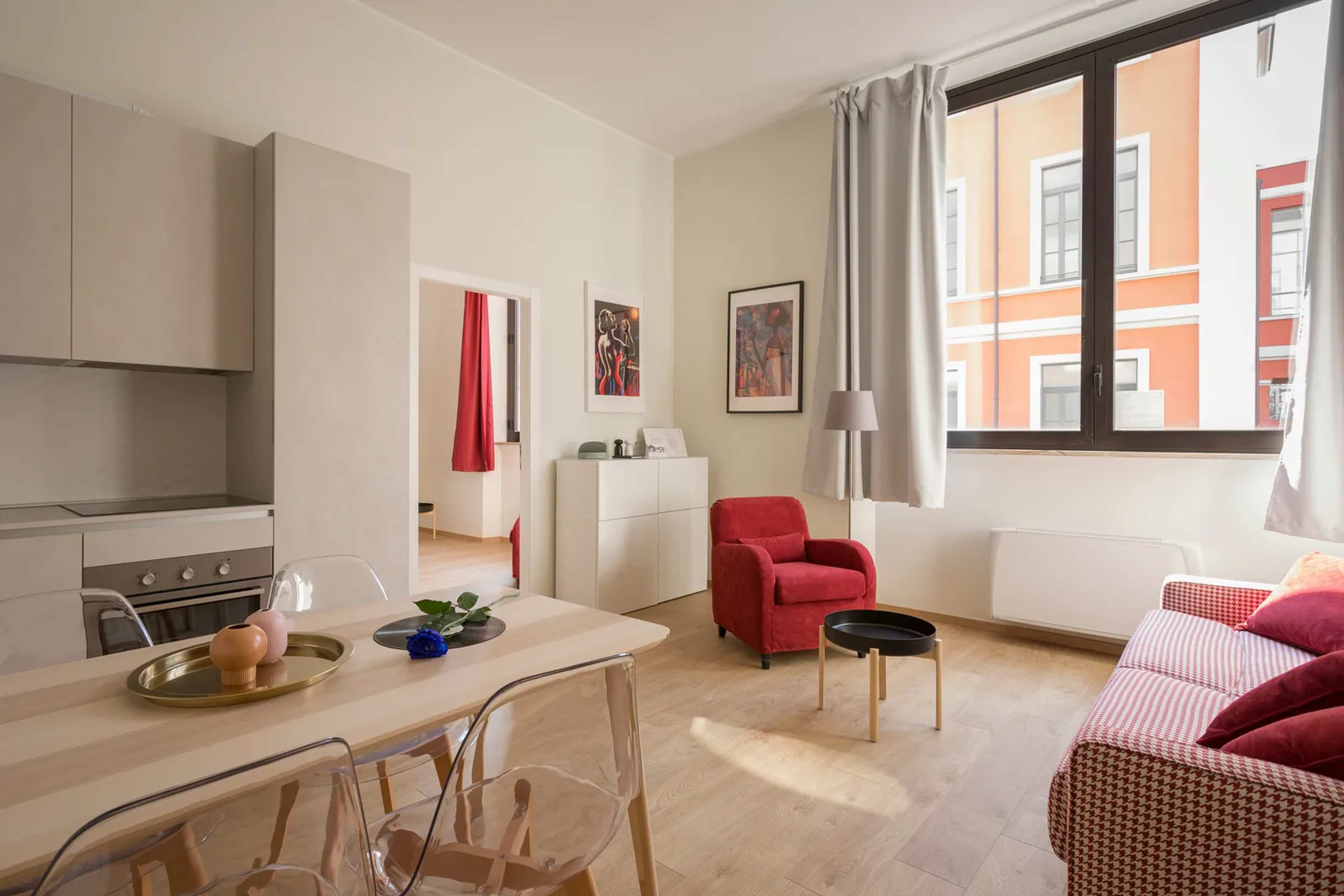
Most travelers walk into a hotel room, drop their bags on the bed, and immediately reach for the TV remote. It’s a habit. A routine. But what if that simple act of unpacking before doing a quick check could expose you to bed bugs, hidden surveillance, faulty fire alarms, or even a compromised lock on your door? The risks inside hotel rooms are far more real than most guests ever think about.
There is a concept that seasoned travelers and safety professionals quietly refer to when they talk about finding truly safe, well-managed accommodation destinations. It involves something called the Purple Flag. Understanding what it means, and knowing what else to look for before you even think about unpacking, could genuinely change how you travel. Let’s dive in.
What the “Purple Flag” Actually Is – and Why It Matters
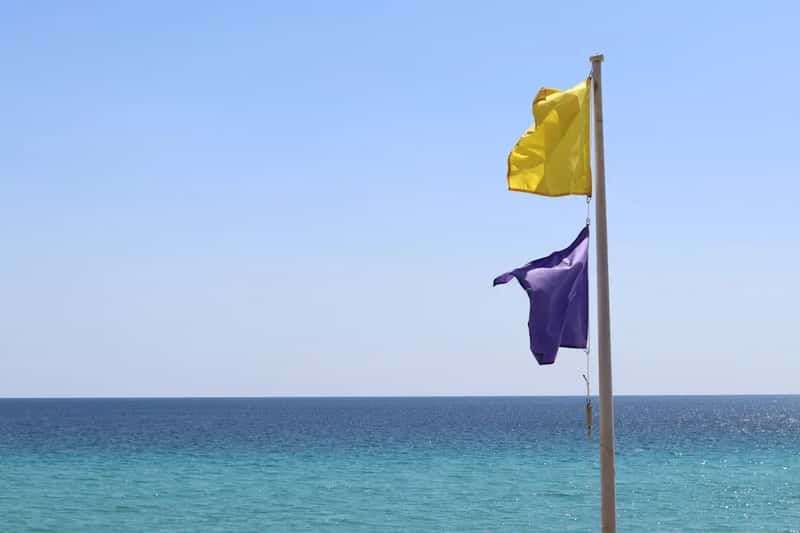
Most people have heard of the Blue Flag for beaches – a sign that a coastal area meets high safety and environmental standards. The Purple Flag works in a similar way, but for the evening and night-time economy of towns and cities. Purple Flag is an accreditation process similar to the Green Flag award for parks and the Blue Flag for beaches, and it leads to Purple Flag status for town and city centres that meet or surpass the standards of excellence in managing the evening and night time economy.
It is a positive initiative that indicates an entertaining, diverse, safe and enjoyable night out throughout the UK and Ireland, now being taken up internationally. Town and city centres that achieve a Purple Flag will be those that are safe, diverse, vibrant, appealing, well-managed and offering a positive experience to consumers.
The Association of Town Centre Management launched the scheme in October 2009 after eight years of research and development, showing that the benefits of a scheme might include the attraction of current non-users of town centres after dark, the increase in trade, the reduction of crime and increased user and resident satisfaction. For travelers, this is genuinely important: staying in a Purple Flag destination means the area around your hotel has been independently assessed for safety, management, and visitor wellbeing. That’s the kind of context that should inform your hotel choice before you even get to the room. There are 100 Purple Flag destinations around the world including world-renowned tourist destinations and small market towns.
The Door Lock Check Most Guests Skip Entirely
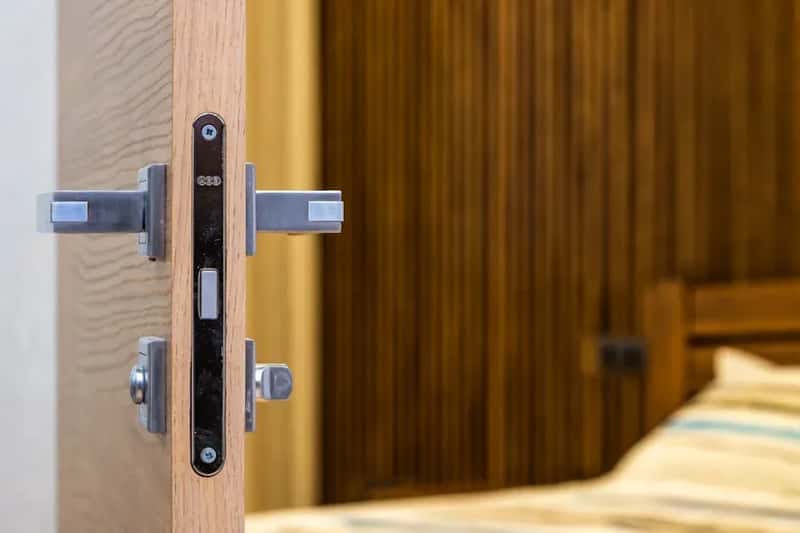
Here’s the thing: the hotel room door is your single most important line of defense. Yet the vast majority of guests just swipe their key card, push the door open, and walk in without a second thought. That is a mistake.
The guest room door is the primary line of defense. Physically test the main lock from both inside and outside the room to ensure it engages securely. Verify that the deadbolt and any secondary security latches are fully functional and firmly attached to the door and frame.
Always inspect your hotel room door. If the deadbolt on your room shows any visible signs of damage or tampering, ask for a different room or find a safer hotel. Honestly, this takes about thirty seconds and could save you from a genuinely frightening situation. Although most upscale hotels invest in quality locks, it doesn’t hurt to bring an extra temporary door lock or door stopper for good measure. While you are in the room, keep the deadbolt and lock or doorstop on at all times.
Bed Bugs: The Star Rating Offers Zero Protection

I know it sounds like the kind of thing that only happens at sketchy roadside motels. But the data is genuinely alarming. Bed bugs do not care about how expensive your room is or how many chandeliers are in the lobby.
A recent survey conducted by Sleep Doctor found that roughly one in seven U.S. travelers encountered bed bugs in 2024, and Forbes reports that roughly a fifth of those sightings happened in five-star hotels. Let that sink in for a moment. A 2024 industry survey also found that nearly nine in ten pest control professionals have treated bed bugs in upscale hotels.
You can’t tell whether a building or hotel room has them based on cleanliness – the bugs can thrive anywhere there are cracks and crevices to hide in. So before you unpack, pull back the sheets and inspect the mattress seams, the headboard area, and even the corners of the box spring with your phone flashlight. When you first enter your hotel room, resist the urge to immediately unpack or place your belongings on the bed. Instead, place your luggage in the bathroom or on a hard luggage rack away from carpeted areas.
The Mirror on the Wall Could Be More Than Decorative
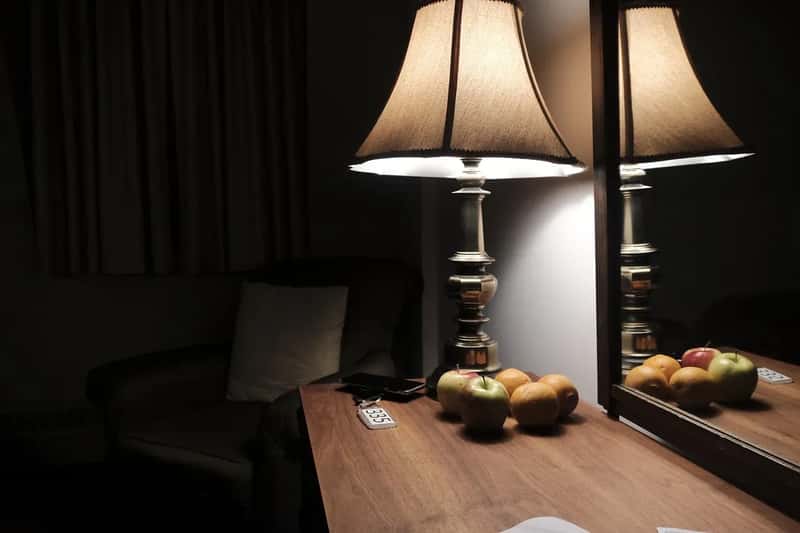
This one might surprise you, and it is frankly unsettling. Not every mirror in a hotel room is just a mirror. Some hotels and short-term rental properties have been found to use one-way mirror film – a material that looks like a normal reflective mirror from your side but allows someone to see through from the other side.
In recent years, tales of two-way mirrors in accommodation have surfaced. A user on the Money Saving Expert Forum detailed a strange experience in 2024, explaining that a hallway mirror posed a suspicious problem. The mirror appeared to be a see-through film that looks like a mirror on one side but could allow the corridor to be viewed through the other side.
There is a simple way to check this. Put your finger up against the mirror. If there is a space between your finger and its reflection, you are good to go. A real mirror has a gap. A two-way mirror has none. Takes two seconds, and every traveler should know this trick. While you are at it, scan the room for anything that looks slightly out of place – a clock radio pointed at the bed, a smoke detector that seems brand new, or a USB charger that nobody left behind by accident.
Hidden Cameras: A Growing and Documented Threat
The threat of hidden surveillance has grown significantly in recent years. The data from rental properties and hotels is deeply concerning, and the problem is spreading fast.
A major survey found that more than half of Americans are worried about hidden cameras in rentals. The worry appears justified, as nearly half say they have discovered a camera in a rental property – a significant increase from just roughly a quarter in 2023. These numbers are staggering. The trend is only going in one direction.
While many security tips are mostly common sense, some hotel guests aren’t fully aware of the broad spectrum of dangers they face. For example, many don’t know that hotel Wi-Fi leaves you open to digital theft. It’s best to assume that the Wi-Fi network is public and that your information can easily be accessed. Use a VPN whenever connecting through hotel internet, and always check your room for unfamiliar devices plugged into wall sockets or USB ports before settling in for the night.
Fire Safety: The Detail That Could Save Your Life
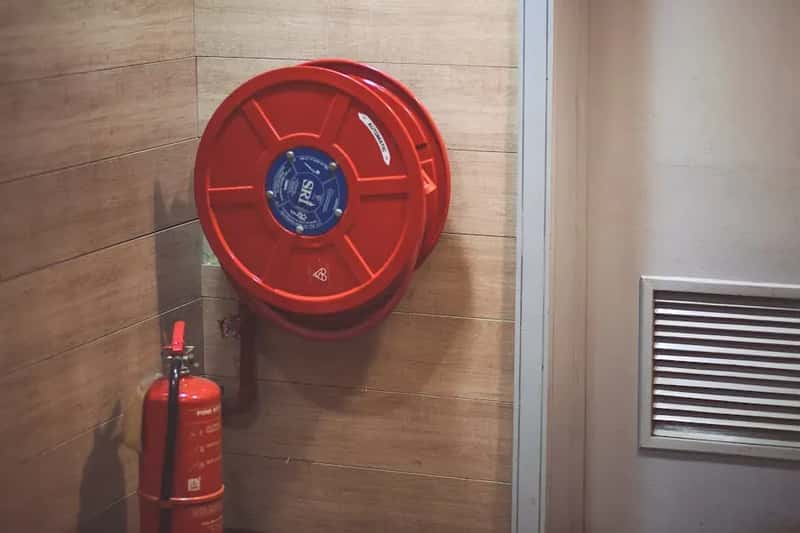
This one rarely gets talked about at the check-in desk, but it absolutely should. Fire risk in hotels is more common than most people realize, and the consequences can be catastrophic when safety systems fail.
In January 2025, a devastating fire broke out at the Grand Katal Hotel in a ski resort in Turkey. Sixty people were killed in the blaze, which started in a kitchen on the fourth floor. Despite the hotel holding a fire safety certificate, guests reported that no alarms sounded as the fire took hold. That detail should make every traveler pause.
In England alone, over 6,400 hotel fires were reported within four years. Among the main causes listed were electrical equipment and cooking oils and fats used in on-site restaurants. When you arrive at your room, verify fire safety equipment as a critical, life-saving step. Press the test button on every smoke detector to confirm the alarm actually sounds. Count the doors between your room and the nearest fire exit. It is a simple mental exercise that could be worth more than any insurance policy.
The Neighborhood Check: Why the Purple Flag Still Wins
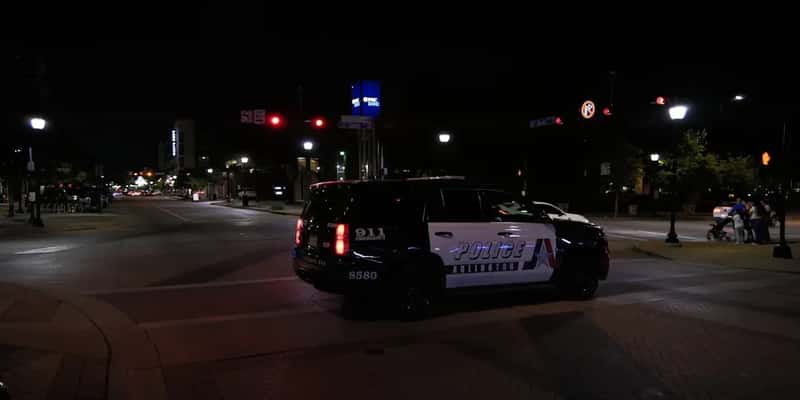
Let’s be real. A safe room inside an unsafe neighborhood is not actually a safe stay. And this is exactly where the Purple Flag concept circles back with full force. The area surrounding your hotel matters just as much as the deadbolt on your door.
Purple Flag accredited areas typically experience increased footfall and reduced crime levels within their evening and night-time economy. Purple Flag aims to raise the standard and broaden the appeal of town and city centres between the hours of 5pm and 5am. Before booking, a quick search to see whether your destination holds Purple Flag accreditation tells you a great deal about what kind of environment you will be walking into after dinner.
As part of the Purple Flag accreditation, venues implement the Ask for Angela scheme, ensuring staff are trained to provide discreet support to anyone who feels unsafe, making nights out both enjoyable and secure. Exeter city centre, for example, was awarded Purple Flag accreditation as a nationally recognised mark celebrating towns and cities which offer a safe, well-managed and vibrant evening and night-time economy as recently as early 2026. These are real, independently audited safety indicators – not marketing spin. Choosing your hotel within a Purple Flag destination adds a meaningful layer of verified protection that most travelers completely overlook.
Conclusion: Thirty Seconds That Change Everything
Nobody books a hotel room expecting trouble. That optimism is understandable. Traveling should be exciting and joyful, not an exercise in paranoia. Still, spending thirty to sixty seconds on a few deliberate checks when you first walk into a room is the kind of low-effort, high-reward habit that every traveler should have.
Check the lock. Lift the sheets. Test the smoke alarm. Run your finger across the mirror. Glance for unfamiliar devices. And before you even book, look up whether your destination carries a Purple Flag. These are not the habits of a fearful traveler. They are the habits of a smart one.
The hidden “Purple Flag” is really about something bigger than any single certification. It is about shifting the way you approach every hotel stay – from passive consumer to informed guest. The risks are documented, the checks are simple, and the peace of mind is genuinely priceless. So, next time you push open that hotel room door, will you just reach for the TV remote – or take one minute to actually look around first?