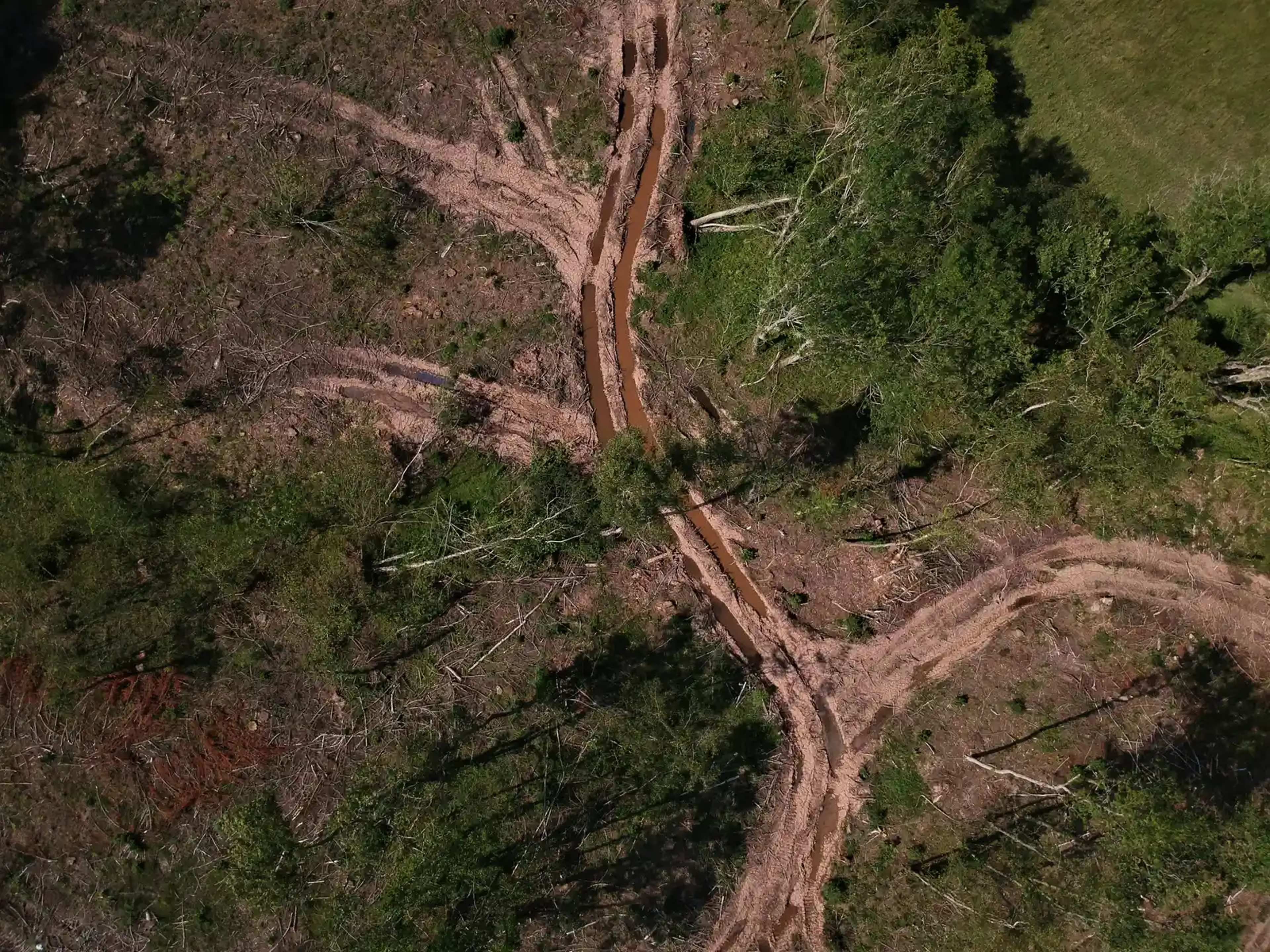
Most travelers plan their Asian adventures around the dry season from November to March, chasing blue skies and perfect weather. Yet savvy explorers have discovered a secret: the so-called rainy season might be the continent’s best-kept travel secret. Tourism authorities across South-east Asia are intensifying efforts to reposition the May-October Green Season as a commercially viable travel period, citing lower costs and reduced crowd levels. What was once dismissed as monsoon season has transformed into an enticing alternative that offers dramatic savings without sacrificing the experience.
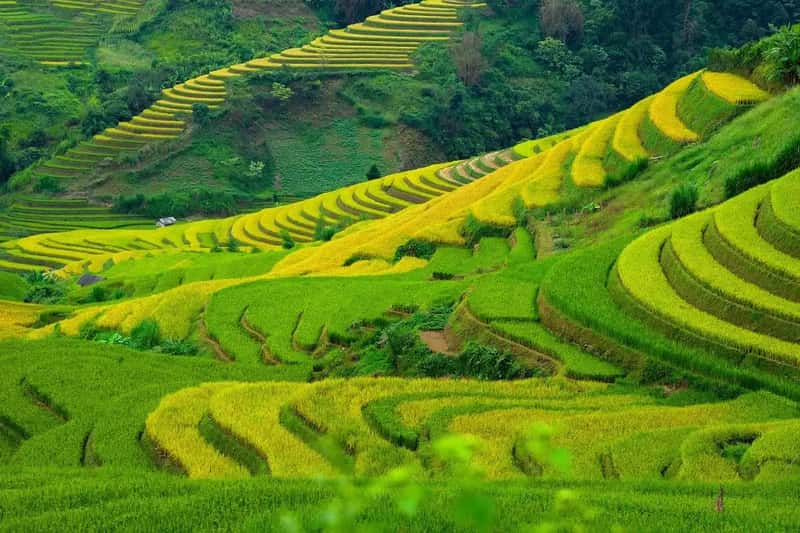
The term “green season” captures what this period truly delivers. Rather than endless downpours, it brings lush landscapes, vibrant rice fields, and waterfalls at their most spectacular. Instead of battling crowds during peak season, more and more travelers are choosing off-season travel to enjoy a more relaxed atmosphere, fewer tourists, and lower costs. This shift reflects changing attitudes among experienced travelers who understand that rain doesn’t mean travel plans need washing away.
The Real Cost Savings: Beyond Hotel Discounts

Hotel room rates advertised in Asia-Pacific are expected to be 11% lower in the first half of 2025 relative to the same period of 2024, according to Lighthouse hospitality research. However, the actual savings during green season extend far beyond accommodation. Hotels in Chiang Mai offer discounts of 18-30% during this time. In Phuket, normally a very popular tourist destination, you can find 20-35% discounts during the rainy season. These aren’t marginal differences – they represent substantial budget relief that can extend your trip or upgrade your experiences.
In comparison to the peak summer travel season, we have witnessed a drop in hotel tariffs for monsoon favourites by approximately 20-40 per cent, according to industry reports from India’s monsoon travel surge in 2024. Flight prices follow similar patterns. Even monsoon season (June–September) can bring steep discounts, though the weather may be less favorable. Months like May, June, and September frequently offer lower fares, with discounts of up to 30% compared to peak travel times. Tour operators also reduce prices significantly, making activities and experiences more accessible to budget-conscious travelers.
Weather Reality Check: It Doesn’t Rain All Day
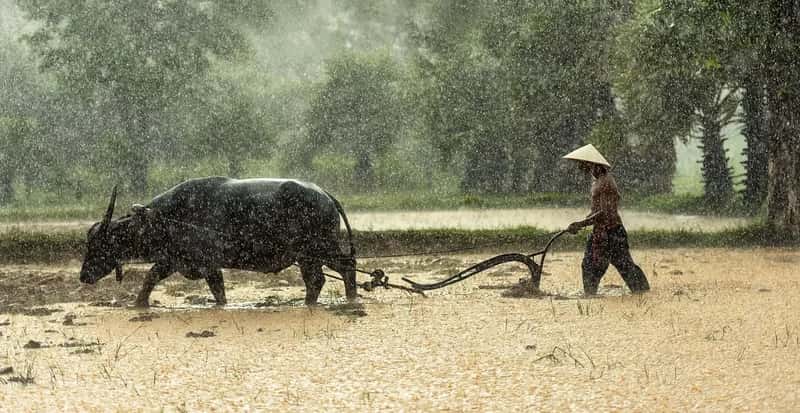
The biggest misconception about Asia’s green season is that it rains constantly. The reality is that monsoon showers in Southeast Asia are usually short and intense, rather than endless drizzles. This means the weather can be quite predictable, with clear skies in the morning and a 60% chance of rainfall typically occurring in the mid to late afternoon. These quick showers are far from a day-ruiner; instead, they usually pass quickly, leaving behind a refreshed atmosphere. This pattern allows travelers to plan effectively – sightsee in the morning, enjoy lunch during afternoon showers, then head back out when skies clear.
The benefits of this rainfall pattern are numerous: For one, temperatures become pleasantly cooler, providing a comfortable environment for exploration. Additionally, the rain contributes to the region’s lush landscapes, making the scenery even more vibrant and photo-worthy. Rather than sweltering through forty-degree days in April and May, green season visitors enjoy temperatures around twenty-eight to thirty-three degrees Celsius. The rain brings relief from heat, washes away pollution, and creates stunning natural displays that simply don’t exist during the dry season.
Empty Temples and Exclusive Experiences
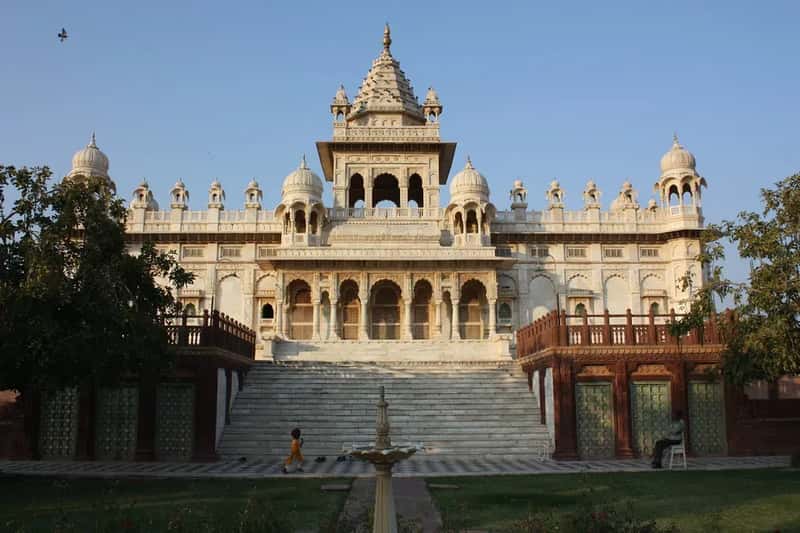
Picture standing at Angkor Wat without fighting through crowds for photos, or walking through Bangkok’s Grand Palace in relative peace. Famous landmarks and deserted beaches all to yourself – yes, please! Southeast Asia has never been as popular as it is now – with iconic locations such as Halong Bay, Angkor Wat and Gardens by the Bay high on people’s radars. The pitfall of this popularity is that you can rarely enjoy these epic spots without being one of a hundred tourists jockeying for the same photo. Green season changes this dynamic entirely.
The difference in crowd levels is dramatic and measurable. The actual main tourist spots of Myanmar like Bagan, Inle Lake and the Northern Shan states only get rainfall on 25% of all days during this season, yet visitor numbers plummet. This creates a paradox where you often get better conditions than expected with far fewer people. Activities become more personal – cooking classes have smaller groups, boat tours feel private, and interactions with locals are more genuine without the tourist rush. The psychological benefit of exploring without crowds shouldn’t be underestimated; it fundamentally changes the travel experience from feeling like you’re checking boxes to genuine discovery.
Nature’s Peak Performance Season
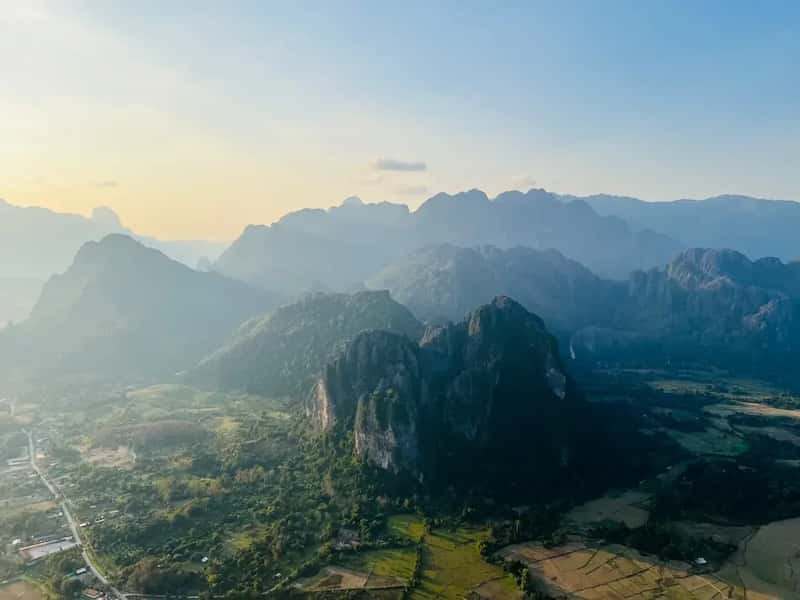
During the Green Season, Laos offers very high tourism potential, with lush landscapes, waterfalls at their best, and beautiful natural scenery, according to the Laos Ministry of Culture and Tourism. This isn’t marketing spin – it reflects ecological reality. Rice paddies glow electric green, jungles thrive with life, and waterfalls transform from trickles to thundering cascades. There is something intensely special about seeing Ankor Wat in the monsoon season. Not only does the rain bring an almost surreal lushness to the surrounding jungle and varying hues of intense greens to the moss and lichen covered temple stones, but the crowds are much lighter during the monsoon season.
Photography enthusiasts find green season particularly rewarding. Dramatic cloud formations, rainbow appearances after storms, and saturated colors create conditions impossible to replicate during dry months. The rainy season is a festive and joyous time in Southeast Asia! People across the region mark the rainy season with several important festivals and celebrations. After the long, hot dry season, the rain is welcomed – especially by people in rural areas where it plays an important role in the rice cultivation cycle. The Rocket Festival in Laos and Northern Thailand marks the start of the rainy season. Vassa (Buddhist Lent) is celebrated in Myanmar, Laos and Thailand for three months during the rains and boat races take place across the region to celebrate the end of monsoon season. These are all exceptional times to immerse yourself in local culture and make some truly special travel memories.
Strategic Timing and Regional Variations
Understanding regional weather patterns lets you optimize green season travel. Traditionally, the monsoon season stretches from June to October in Thailand, Laos, Vietnam, Cambodia, Myanmar and the Philippines. In Malaysia, Indonesia and Singapore, the season spans October to March. This creates opportunities to chase favorable conditions across the continent. When northern Southeast Asia experiences rain, Indonesia’s dry season is in full swing.
Even during the peak of monsoon season, most areas are welcoming of tourists – you can even get big discounts on accommodation and tours. The key is flexibility and understanding that not all green season months are equal. June and July typically see lighter rainfall than September, which tends to be the wettest month. As the rain in Southeast Asia is so predictable (it usually rains in the afternoon and at night), it’s easy to plan around the weather. This means there’s not so much of a problem in traveling to Southeast Asia during the off-season, as long as you know what to expect and plan well. Arriving prepared with quick-dry clothes, waterproof phone cases, and a positive attitude transforms potential inconvenience into adventure.