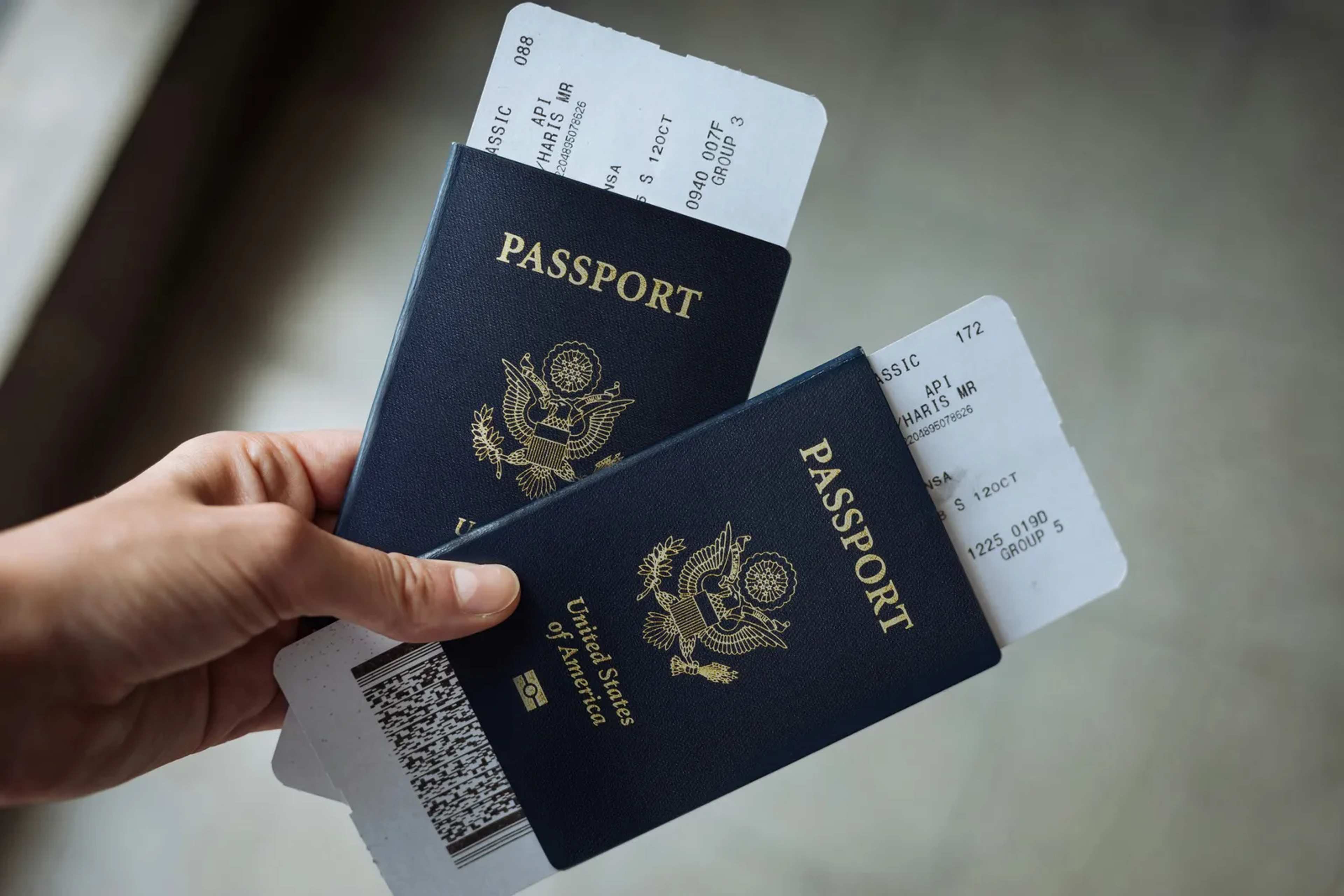
Hotels are busy, layered worlds where thousands of tiny interactions happen every single day. Staff notice everything. Honestly, more than most guests would ever guess. There’s a running mental catalog that experienced hotel employees keep, one built not out of judgment, but out of pure pattern recognition after years behind the front desk and the housekeeping cart.
After more than a decade in the business, certain tourist behaviors surface over and over again like clockwork. They’re not always dramatic. Sometimes the most telling habits are the quiet ones. So if you’ve ever wondered what hotel staff are actually thinking when you check in, you’re about to find out. Let’s dive in.
1. The Loud, Demanding Check-In Performance

You’d be surprised how quickly the mood at a front desk can shift the moment certain guests walk through the door. Many guests shoot themselves in the foot right from check-in with habits that scream “problem ahead,” whether it’s snapping fingers, demanding upgrades before saying hello, or treating staff like servants. That energy sets the tone for the entire stay, and the team notices. Every time.
Here’s the thing: politeness genuinely goes a long way in this industry. People who skip basic courtesy, make unreasonable complaints, or demand too much are remembered. Conversely, polite and considerate guests often receive better treatment, complimentary perks, or upgrades, without even asking. The irony is that the guests who demand the most usually get the least.
2. Treating Stolen Towels and Robes Like a Souvenir Game
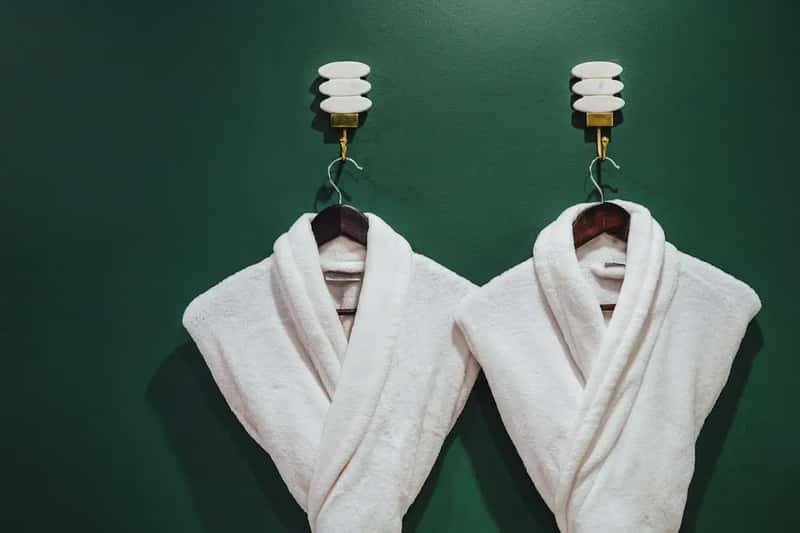
Few habits are as universally spotted by hotel staff as guests who pack away items that clearly don’t belong to them. A whopping 93% of respondents in a YouGov survey said taking home items from the hotel, like towels, coat hangers, or Bibles, is unacceptable, making it the most disliked hotel behavior among the 25 actions listed in the survey. That’s an overwhelming consensus. Almost everyone agrees it’s wrong.
Items like robes, beach umbrellas, pillows, and in-room kitchenware such as coffee makers and tea cups are not for guests to take. You’ll be charged a substantial fee if housekeeping notices the missing items, and you may even be banned from the individual hotel or hotel chain. Staff are trained to spot this. The inventory check after checkout is more thorough than most guests imagine.
3. Ignoring the “Do Not Disturb” Sign Logic
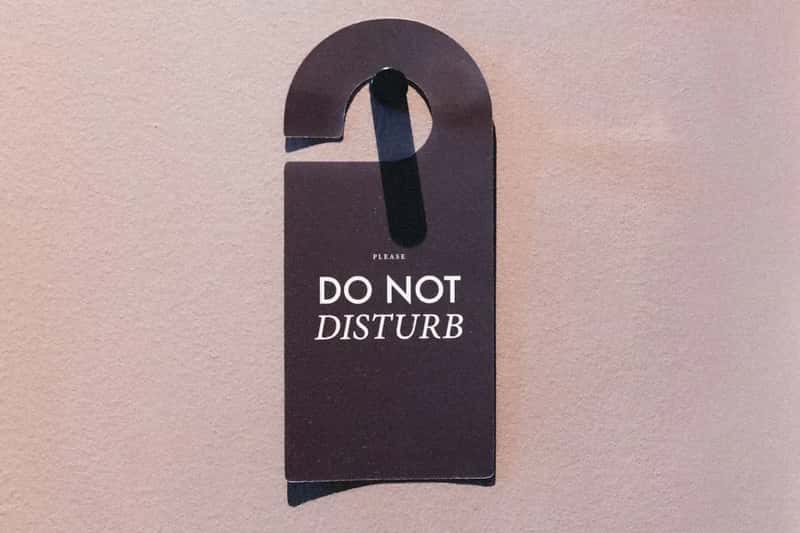
The “Do Not Disturb” sign seems simple enough, but guests manage to misuse it in ways that create genuine operational problems. After two to three days, management will likely contact a guest or even enter despite the sign. This isn’t about invading privacy, it’s about ensuring guest safety and preventing property damage like water leaks or other hazards. Safety protocols simply cannot be overridden by a door sign indefinitely.
I think the bigger issue is what happens when guests want service but keep the sign up anyway. Guests sometimes call down asking for fresh towels or trash pickup while the sign is still on the door. As one hotel employee put it, “We cannot do both. If you want service, the sign has to come off.” It creates a no-win situation for the housekeeping team every single time.
4. The Late Checkout Without a Heads-Up
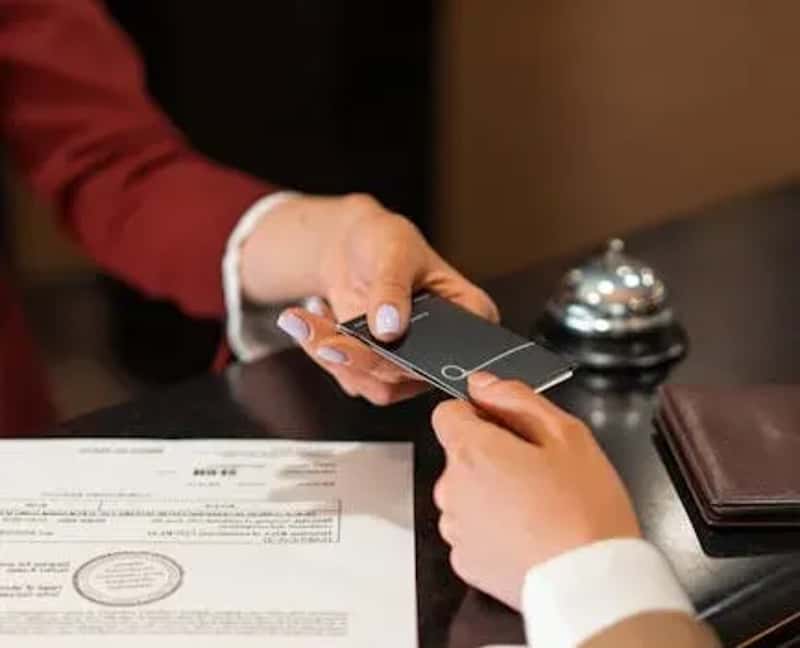
This one might seem minor, but inside a hotel, late checkouts without notice can unravel an entire day’s scheduling like pulling a single thread from a sweater. In the YouGov survey, roughly four out of five respondents said that checking out of a hotel more than an hour late without prior notice is downright rude. It’s not just staff opinion. It’s a widely shared public view.
Housekeeping and new guests depend on timely checkouts to keep things running smoothly. Staying late without approval inconveniences both staff and incoming guests. Think of it like a relay race. The whole chain breaks when one runner just stops in the middle. If you need a late checkout, request it the night before. If you can’t leave on time, inform the front desk as soon as possible. It takes thirty seconds and saves everyone a headache.
5. Treating the Room Like a Disaster Zone
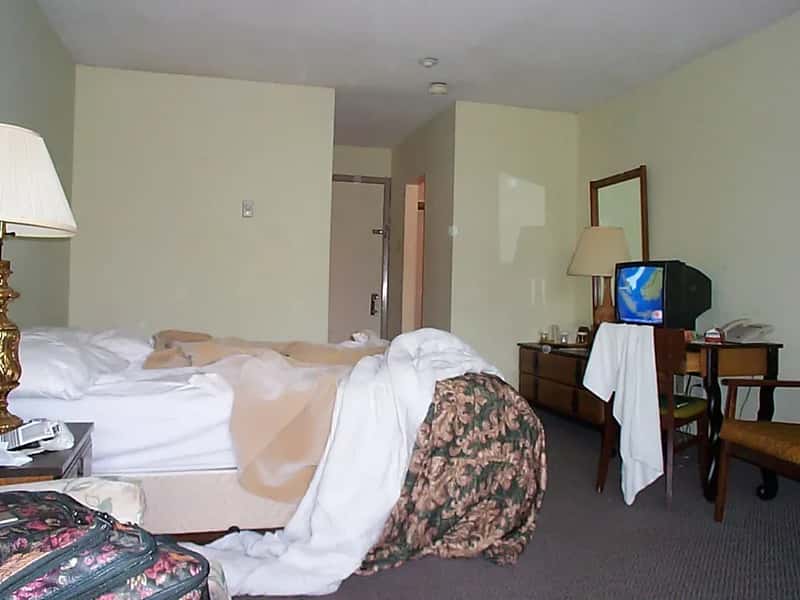
Housekeepers are professionals, not miracle workers with unlimited time. Housekeepers talk, and rooms that consistently require extra cleaning time get flagged. While nobody expects hotel-perfect tidiness, there’s a difference between normal living and deliberate disregard for basic cleanliness. Staff immediately notice rooms with food smeared on furniture, excessive trash scattered everywhere, or towels used for cleaning spills rather than calling for assistance.
Soaked towels, according to one housekeeping supervisor, are a consistent challenge. Towels saturated with makeup, hair dye, or cleaning products often require extra wash cycles or have to be thrown out entirely. The cost of replacing ruined linen adds up fast. The myth that “it’s their job to clean up” misunderstands hotel housekeeping. Their role includes changing linens and sanitizing surfaces, not managing hazardous conditions or spending triple the allotted time on a single room.
6. Chair-Hogging at the Pool Without Actually Being There

It’s practically a competitive sport at resort pools: the pre-dawn towel drop. People set personal items on several loungers at the crack of 7 a.m. and then disappear for hours. In the early morning, guests often venture down to the pool area before it opens to place personal items on chairs to reserve them for their party. But if the rest of the party isn’t arriving promptly, it’s considered polite to give up those seats when the pool area is busy.
Some hotels actually have strict rules against reserving chairs. Instead of operating on a first-come, first-served basis, these hotels place a time-stamped token on chairs with belongings. Items left alone for a certain period, say an hour, will be removed and held by staff for the owners to retrieve, allowing fair use of the pool for everyone currently present. Staff notice repeat offenders very quickly. It’s hard to miss the same guest leaving the same towels in the same spot at 6:45 a.m. every morning.
7. Vague, Unactionable Complaining

There’s a particular brand of guest complaint that hotel staff find deeply frustrating, not because the guest is upset, but because the complaint leads absolutely nowhere. It usually sounds something like: “Everything just feels off.” Hard to fix. Impossible to resolve. Hotels track complaint patterns by room and by guest. Those who consistently offer vague dissatisfaction often receive minimal compensation compared to guests who clearly articulate specific, fixable issues. The difference isn’t personal; it’s about actionable information.
The hospitality industry is actually built for problem-solving. The hospitality industry is all about delivering a seamless customer service experience. One bad customer experience can have an immense impact on the reputation of a hotel. Hotels that do all in their power to avoid frequent problems have a higher chance of keeping clients and maintaining an unblemished image. Give staff something specific to work with. That’s truly all it takes to get a real resolution.
8. Treating Cleanliness Like Someone Else’s Responsibility
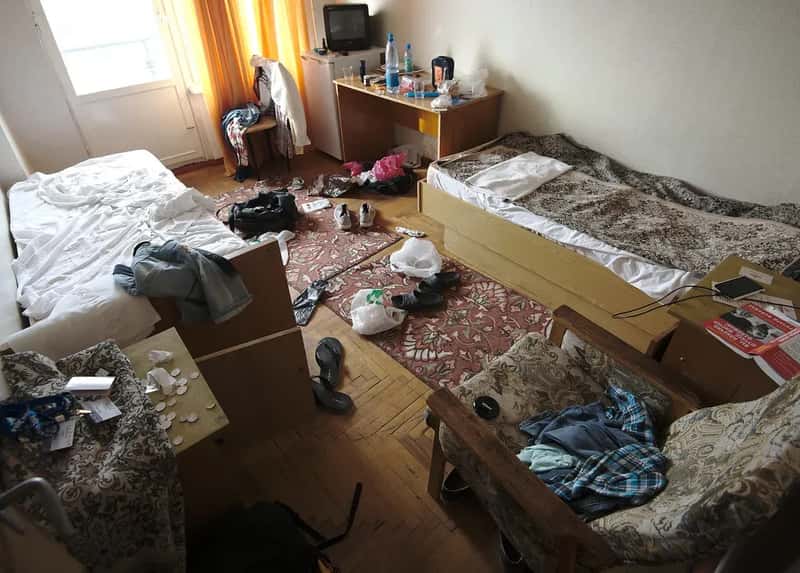
Cleanliness is, without question, the number one priority for hotel guests when choosing where to stay. A national survey conducted by the American Hotel and Lodging Association found that out of nine options, frequent travelers most often prefer cleanliness as the most important factor when choosing their next hotel stay. So it’s a fascinating contradiction that some guests actively create the mess they would complain loudest about finding.
If trash is not in the bin, housekeeping staff cannot assume it is trash. They are trained not to throw away guests’ belongings. Neatly stacked wrappers, bottles, or food containers often get left behind because staff cannot risk tossing something important. Guests then complain the room was not cleaned properly. It’s a frustrating loop. The fix is genuinely as simple as putting rubbish in the bin.
9. Being Rude or Dismissive to Housekeeping Staff

Let’s be real: the way a guest treats housekeeping staff reveals more about their character than almost anything else during a hotel stay. From industry experience, bad guest behavior has reportedly become more common recently because people are arriving at hotels already tired or irritated. Travel, lines, waiting around, unexpected itinerary changes, long flights, and an unfamiliar environment all contribute to increased tension. That much is understandable. What’s not excusable is directing that frustration at people simply doing their jobs.
Many travelers assume that paying for a room means they can treat the space however they want. The idea that “the customer is always right” can lead to entitled behavior that frustrates staff and disturbs other guests. Blasting music in a shared space or making excessive demands isn’t just impolite, it’s disruptive. Hotel workers are professionals, and they remember. The hotel industry directly employs more than 2.1 million people in the United States alone, and every single one of those workers deserves basic human dignity. That’s not a rule. It’s just decency.
What Kind of Guest Do You Actually Want to Be?

After 12 years in hospitality, the pattern is unmistakable. The guests who are remembered fondly aren’t the ones who spent the most or stayed the longest. They’re the ones who showed up with a basic sense of respect, communicated clearly, and treated the people serving them like human beings rather than furniture.
It’s hard to say for sure what makes someone a truly great hotel guest, but it’s definitely not about perfection. It’s the small things. A please and thank you at the front desk. Trash in the actual bin. A quick call ahead if checkout is going to run late. These things take almost no effort and make an enormous difference.
The hotel experience really is a two-way street, and the guests who understand that tend to have better stays, get better service, and leave better impressions, not because the rules favor them, but because mutual respect simply works. What would you change about the way you stay at hotels? Tell us in the comments below.