You walk into a hotel lobby, step up to a restaurant host stand, or approach an airport information desk – and before you even hand over your passport or open a map app, the person across from you already knows. You’re a tourist. It takes them maybe five seconds. Honestly, it might take even less.
Travel workers have an uncanny sixth sense for this. Hotel receptionists, tour guides, taxi drivers, airline staff – they see hundreds of visitors a week and have developed a finely tuned radar for the exact phrases people use that give away their outsider status immediately. It’s not about clothes or luggage, either. It’s the words. The phrasing. The questions.
What do those phrases actually sound like? And more importantly, are you saying them without realizing it? Let’s dive in.
1. “Where’s the Nearest Tourist Attraction?”
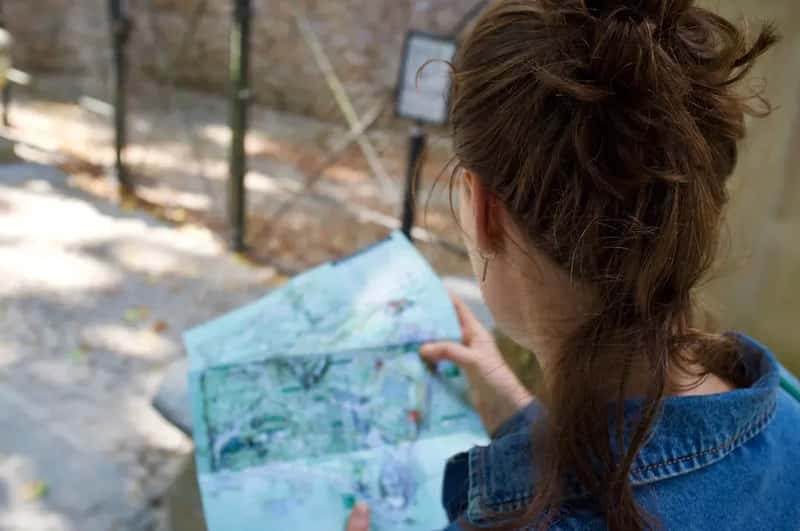
Let’s be real – locals almost never use the phrase “tourist attraction.” They say the name of a place. They say “the market,” “the old quarter,” or “the cathedral.” The moment you ask a hotel concierge or a street vendor where the nearest tourist attraction is, you’ve essentially handed them a flashing neon sign that reads “visitor.”
The word “attraction” in tourism vocabulary specifically refers to places of interest that are often visited by tourists, such as museums or amusement parks. It’s industry language, born from the travel business itself. Locals live in a city. They call things by their names, not by their category.
Think of it this way: if someone in your hometown asked you where the nearest “residential structure for human habitation” was, you’d give them a strange look. Same logic applies. Using generic categorical terms instead of specific names is one of the clearest giveaways in any destination worldwide.
2. “Is the Tip Included?”

This question seems perfectly reasonable – and in fairness, it is – but it immediately signals to a seasoned restaurant worker or taxi driver that you come from somewhere with very different customs. Tipping culture varies wildly across the globe, and confused questions about it are a reliable tourist marker.
In Mexico, for example, it is very important to tip in restaurants. On the other hand, in Japan, tipping is not customary and can even be considered insulting. Travel workers in both countries will spot the confusion in your voice a mile off. A local in either place simply knows the norm and acts accordingly, no question needed.
The irony is that asking this question is actually the responsible thing to do – it shows you care about doing things correctly. Still, the fumble around the topic, combined with that slightly worried tone, is something servers and drivers hear dozens of times a day and associate almost exclusively with people who arrived that morning.
3. “How Far Is It? In Miles?”
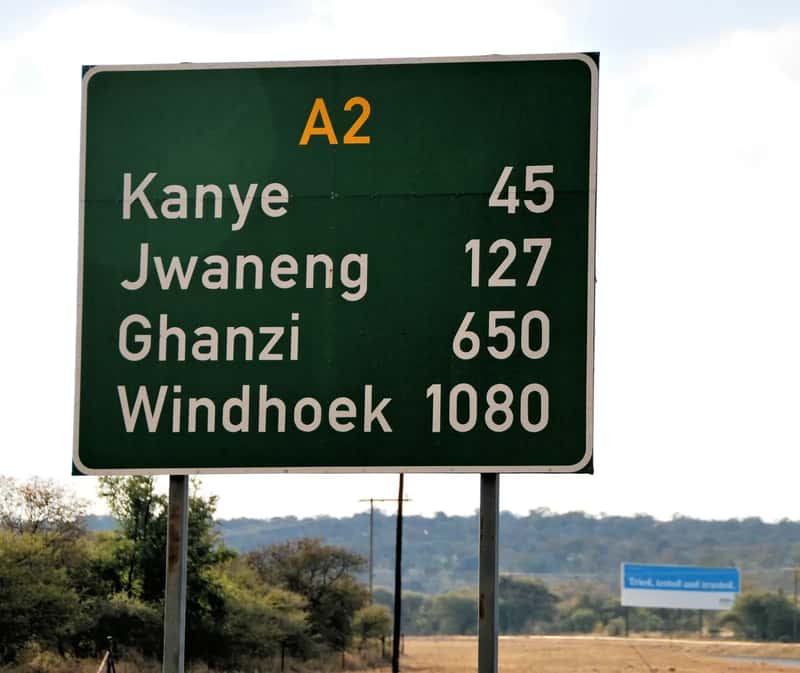
Asking for distances in the wrong unit is a dead giveaway. Most of the world uses kilometers. The United States, and to a lesser degree the United Kingdom, still cling to miles. English is the universal language of travel, and tourists from all over the world often rely on it to communicate – but the unit of measurement they ask in reveals their home country almost immediately.
If you work in the tourism sector, a solid grasp of English ensures smoother interactions, reduces misunderstandings, and enhances customer satisfaction. Tourism staff are trained to bridge these gaps, but they absolutely notice them. Tour guides in Paris or Rome receive this question constantly from American visitors, who then struggle to mentally convert the answer back.
It’s a tiny thing. A completely forgivable thing. Yet experienced travel workers say it’s one of the most consistent micro-signals they hear. The follow-up confusion in someone’s eyes when they’re given a kilometer estimate? That seals the deal entirely.
4. “Do You Accept Dollars?”

Asking whether a business accepts US dollars – or any foreign currency, really – in a country that uses a completely different monetary system is one of the most classic tourist phrases in existence. It surfaces everywhere from street markets in Southeast Asia to hotel bars in Eastern Europe. Currency refers to the particular type of money used in a country or region. And yet, a surprising number of visitors arrive without having exchanged a single note.
This phrase does double duty as a tourist marker. First, it shows you haven’t done the most basic pre-trip research. Second, it often comes with an expression of genuine surprise when the answer is no. Hotel cashiers and restaurant managers who deal with international visitors report this as one of the most frequently heard opening lines from new arrivals, particularly at airports and city center hotels.
Here’s the thing – in some destination cities near US borders or in highly touristic areas, the answer actually might be yes. But the fact that you’re asking as a general question, rather than knowing specific exchange points to use, is the tell. A savvy traveler knows the currency situation before landing. The instant tourist asks at the front desk.
5. “Can You Recommend a Good Restaurant That’s Not Too Touristy?”
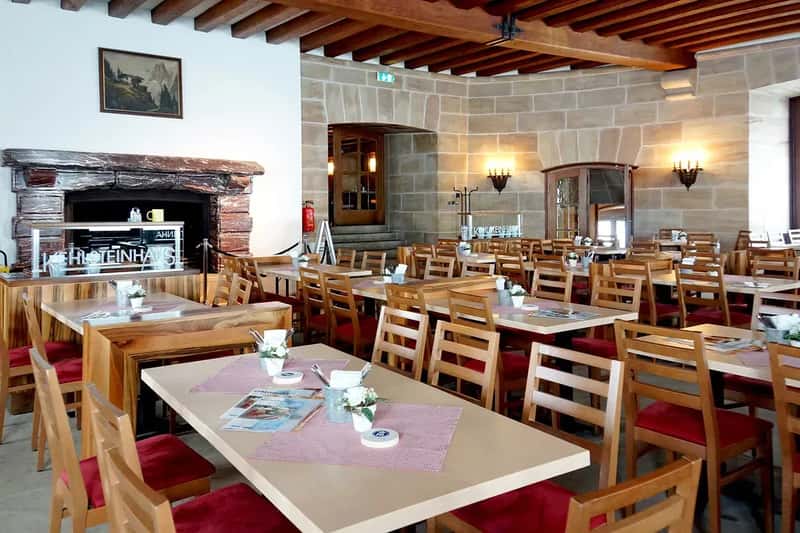
Oh, the delicious irony of this one. A tourist asking a hotel employee – whose entire job exists because of tourism – to direct them away from tourist-facing restaurants. Travel workers hear this phrase so often it has almost become a genre of its own. The phrase itself is earnest and completely understandable, but it broadcasts your outsider status at full volume.
While traveling, we cannot behave the same way as we would at home. Learning how to be a better tourist will make your travels more meaningful and fun. If we don’t want to be bad tourists, we should be mindful of the local culture, people, and environment at all times. That’s good advice – but demanding “authenticity” from a concierge who curates experiences specifically for guests is a bit like asking a theme park employee for tips on avoiding theme parks.
Tour guides and hotel staff around the world say this is one of the most common requests they receive, particularly from Western travelers. The good news is that experienced local staff can actually give you genuinely good answers. The bad news is that you’ve already telegraphed your tourist status before they even open their mouth to respond.
6. “Where Can I Get the Best Selfie?”
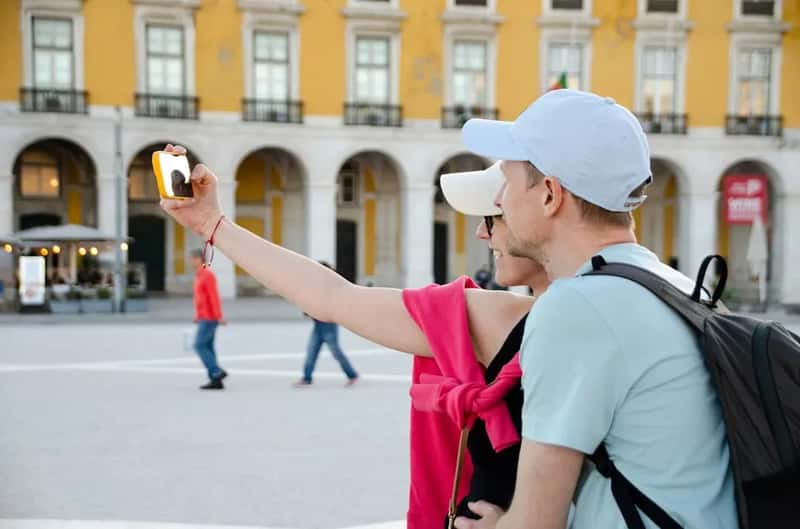
This question has exploded over the last decade, and travel workers are acutely aware of it. It would have been unthinkable twenty years ago. Now it rolls off visitors’ tongues as casually as asking for directions. Museum attendants, tour guides, and park rangers hear it constantly – particularly from younger travelers. It is, without a doubt, a 2020s tourist hallmark.
Instagram tourism has been implicated as a cause of overtourism at iconic locations worldwide – a phenomenon so serious that destinations are now erecting barriers and implementing visitor limits in response. Authorities of one overrun town in Japan, whose popularity skyrocketed among tourists since it fully lifted its pandemic travel restrictions, erected a barrier in spring 2024 to prevent tourists from snapping selfies with Mount Fuji.
Travel workers in photo-heavy destinations have quietly started referring to visitors almost entirely by their camera behavior. If you’re walking in with a phone tripod and asking for the best angle before you’ve even looked at the actual landmark in front of you, every staff member in a five-meter radius already knows everything they need to know about you as a visitor.
7. “Is This Area Safe?”
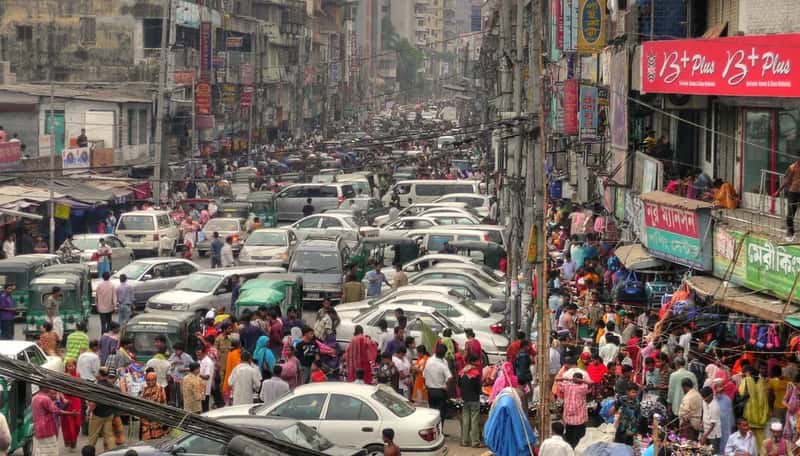
This phrase is understandable, reasonable, and genuinely useful. It also instantly marks you as someone who has arrived from elsewhere and formed impressions primarily from news reports or travel forums rather than from actual local knowledge. Hotel staff, tour guides, and taxi drivers all report this as one of the first questions they hear from fresh arrivals, usually within minutes of check-in.
The question itself isn’t the problem. It’s the framing. Asking a broad, sweeping safety question about an entire city or neighborhood reveals that you have no frame of reference beyond general anxiety. Before visiting a new place, doing some research will help you pack appropriate clothes, find out about the regional laws or entry requirements, and know what to expect. A more informed traveler comes armed with context and asks much more specific questions.
Locals never ask if their own area is safe. They know. And travel workers who live and work in a destination know it too – so the broad safety question lands immediately as a first-timer’s opening line. It’s harmless, of course, but it’s reliable as a tourist signal every single time.
8. “How Long Does It Take to See Everything?”
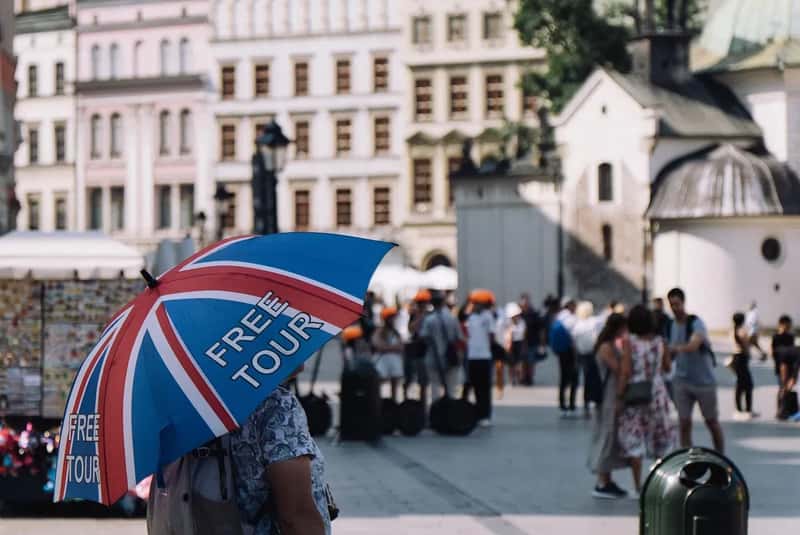
Any seasoned tour guide will gently suppress a smile when this comes up. The question is endearing in its ambition and revealing in its naivety. A local would never frame an entire city – or even a major museum – as something to be “seen” in a quantifiable block of time. It reflects the tourist mindset of treating a destination like a checklist to be completed rather than a place to be experienced.
To gauge what’s on the minds of present-day travelers, McKinsey surveyed more than 5,000 of them. The findings reveal disparate desires, generational divides, and a newly emerging set of traveler archetypes. One of the clearest patterns? Time pressure. Modern tourists travel harder and faster than ever before, trying to pack more into shorter trips. On average, travelers allow roughly thirty percent less travel planning time when researching and booking trips.
Tour guides say this question can come from any nationality and any age group, but it’s nearly always a visitor. It comes from a good place – a desire not to miss out – but it exposes the outsider’s relationship with a destination as fundamentally transactional. You’re passing through. The workers serving you live there. That difference in relationship shows up instantly in how you phrase your time.
9. “Is There a Shuttle to the Hotel?”
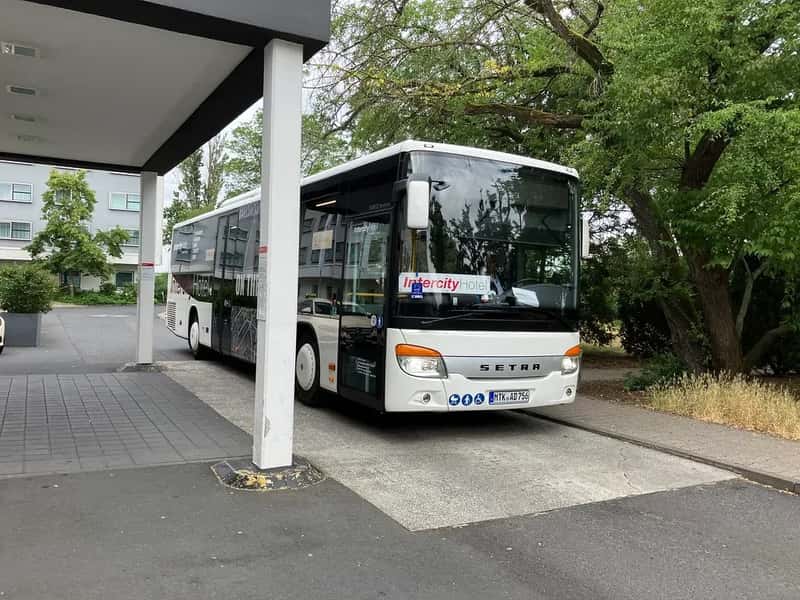
This is the airport arrivals version of the instant tourist test. The moment those sliding doors open and someone scans the information desk looking for a shuttle option, travel workers peg them right away. It’s not the question itself – shuttles are a real and useful thing – but the specific way it’s framed, combined with the wide-eyed scan of the arrivals hall, that does it.
The information desk is where you can learn everything you need to know about getting around the airport. That’s exactly where tourists head first – which is sensible – but experienced travel workers working information desks say the shuttle question is one of their most-repeated interactions, delivered almost identically each time by people who clearly haven’t checked the hotel’s website or looked at any transport options before landing.
Meanwhile, sixty-six percent of travelers surveyed by McKinsey said they are more interested in travel now than before the COVID-19 pandemic, and millennials and Gen Zers are traveling more and spending a higher share of their income on travel than their older counterparts. More first-time international visitors than ever are entering popular destinations, many of them encountering unfamiliar transit systems for the first time. The shuttle question is, in many ways, the sound of global tourism expanding.
10. “But in My Country, We Do It This Way…”
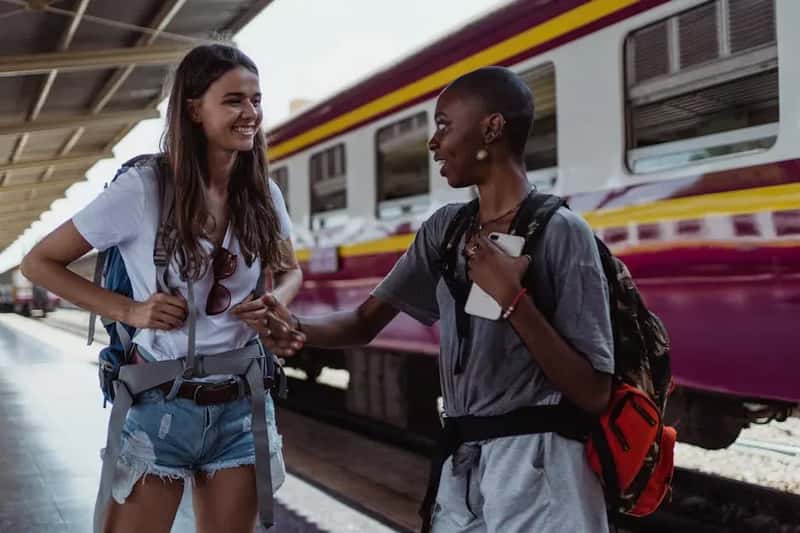
Here it is. The one that makes travel workers exchange the most knowing glances. The phrase that follows a moment of confusion or frustration and begins with a comparison to home. It might be about tipping, queuing, portion sizes, opening hours, noise levels, or any of a thousand other cultural habits. Once you’re at your destination, respecting the local culture and customs matters. Every country is different.
Travel workers in heavily visited destinations report this as one of the most telling phrases they encounter – not because it’s rude (it often isn’t intended to be), but because it reveals a visitor who hasn’t fully switched into discovery mode yet. Tourists’ behavior can exacerbate the situation when they disrespect local customs, vandalize sacred sites, or intrude on local life. The comparison phrase is the milder end of that spectrum, but it still signals: this person is measuring us against somewhere else.
The best travelers – the ones travel workers genuinely love – are the ones who arrive curious rather than comparative. They ask questions instead of making statements. They say “that’s interesting, tell me more” instead of “that’s not how we do it.” That subtle shift in framing is the difference between being a traveler and being a tourist. And experienced travel workers notice it within the very first sentence.
A Final Thought

None of these phrases are shameful. Every experienced traveler in the world started out saying most of them. They’re the natural language of someone encountering something new, and there’s a kind of honesty and even charm in them. A good way to show that you respect locals is simply making an effort. The effort counts, even when the phrasing gives you away.
What’s genuinely fascinating is how quickly and accurately travel workers can form a complete picture of a visitor from just a handful of words. Good communication is key to delivering outstanding service and creating memorable experiences for guests. The best travel professionals use these signals not to judge, but to calibrate exactly how much help you’re going to need – and how to make your experience as smooth as possible.
So the next time you walk up to a hotel desk or a tour guide stand, know that the person across from you has probably already passed their own instant tourist test on you before you’ve finished your first sentence. The question worth sitting with: does it matter? What would you change about how you arrive somewhere new?