You’ve probably seen the images floating around online – ghostly white coral skeletons where vibrant life once thrived. The question on everyone’s mind isn’t if the Great Barrier Reef is dying anymore. It’s when. Some scientists are now saying we might have less than half a decade left to witness this natural wonder in anything resembling its former glory. Let’s be real, that’s a terrifying timeline.
Catastrophic Bleaching Events Have Become the New Normal
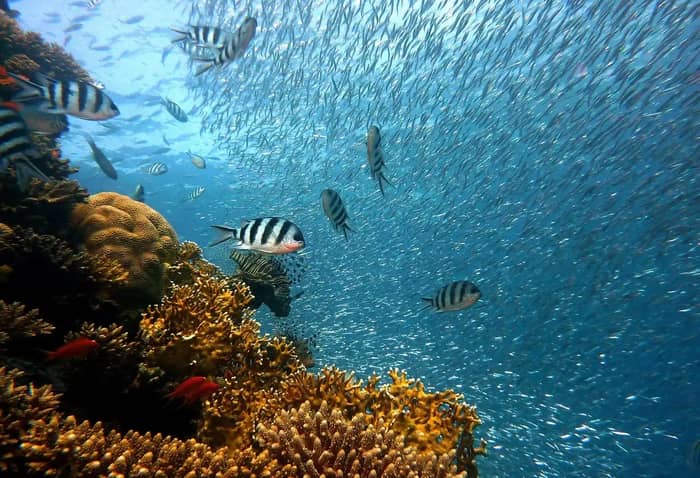
In 2025, the Great Barrier Reef experienced its sixth mass bleaching since 2016, which means we’re now watching bleaching happen almost every other year. Think about that for a second. By February 2024, sixty-six percent of coral colonies were bleached, and by April, that number jumped to eighty percent, with forty-four percent of bleached colonies dead by July.
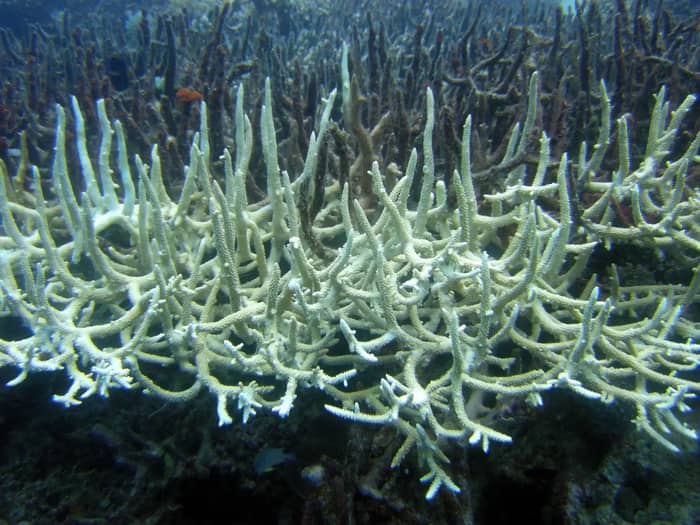
Honestly, it’s hard to say for sure, but the acceleration is undeniable. Some coral genera, such as Acropora, experienced a staggering ninety-five percent mortality rate. These aren’t just numbers on a page – they represent an ecosystem that supports thousands of species and provides livelihoods for countless coastal communities.
The reef that tourists flock to see? It’s becoming a graveyard faster than anyone predicted.
Ocean Temperatures Have Hit 400-Year Highs
The average sea surface temperature for the Great Barrier Reef has warmed by nearly one degree Celsius since 1900. Seems small, right? Wrong. A temperature increase of just one degree Celsius for only four weeks can trigger bleaching. When you’re living that close to your thermal limits, every fraction of a degree becomes a death sentence.
The 2024 marine heatwave didn’t just break records. The 2023-2024 global marine heatwave was extreme in triggering coral bleaching and high mortality. Even corals previously considered heat-resistant couldn’t handle the sustained pressure.
We’re Losing Coral Faster Than It Can Recover
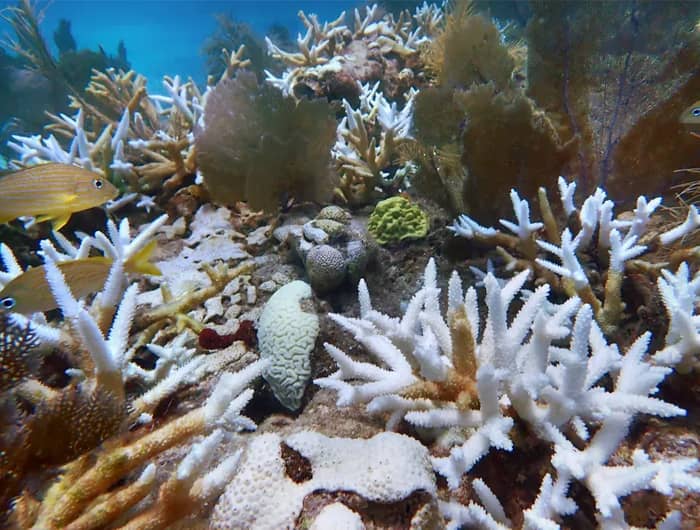
Recovery takes time. Coral reefs need at least a decade of calm conditions to bounce back from severe bleaching. The return period for global bleaching events has decreased from twenty-seven years in the 1980s to only 5.9 years now.
The fast-growing Acropora corals that drove recent recovery efforts? They’re the first to go when conditions turn deadly. Recent recovery has been dominated by fast-growing Acropora corals that are vulnerable to disturbances, creating a fragile foundation that collapses under heat stress.
The Southern Reef Finally Got Hammered
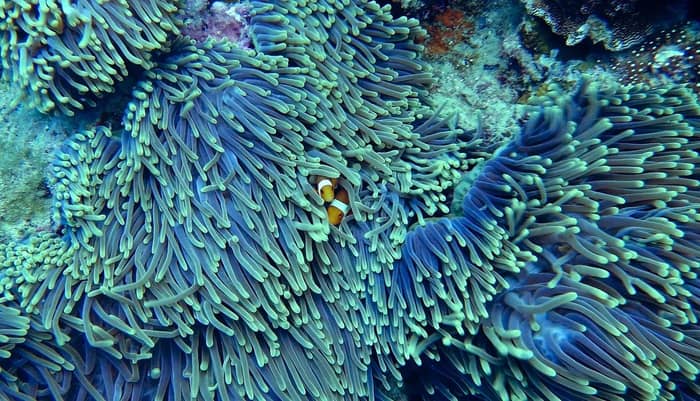
For years, the southern Great Barrier Reef dodged the worst impacts. Not anymore. For the first time in decades, bleaching was severe in the southern GBR, with some areas recording bleaching scores exceeding ninety percent.
The southern Great Barrier Reef, despite its protected status, was not immune to the extreme heat stress that triggered this catastrophic bleaching event. One Tree Island, a protected research site roughly 100 kilometers offshore, saw devastating losses. Protected status meant nothing when ocean temperatures soared.
Researchers tracked individual coral colonies there over 161 days. By July, more than half of the observed bleached colonies had died, and only sixteen percent showed signs of recovery. Even reefs isolated from mainland pollution and tourism couldn’t escape. Here’s the thing – if pristine offshore reefs can’t survive, what hope do more vulnerable inshore areas have?
Global Projections Paint a Grim Picture
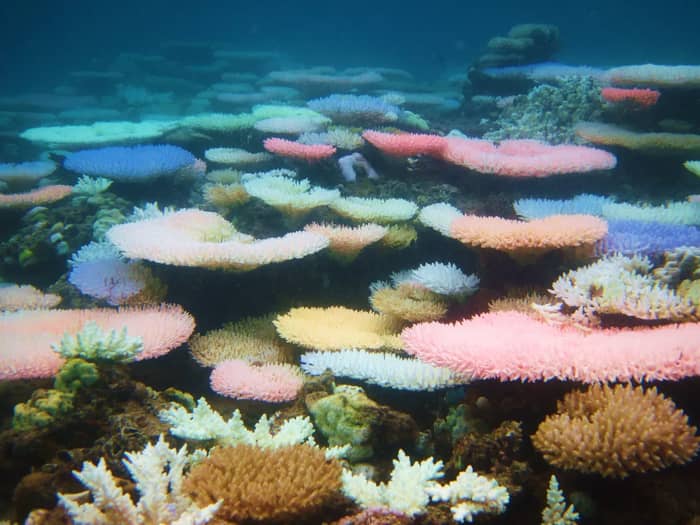
Advanced modeling predicts the Great Barrier Reef will experience rapid coral decline before mid-century under all emissions scenarios. That includes even the most optimistic climate pathways. Scientists at the University of Queensland simulated different futures, and none of them looked good.
We forecast a rapid coral decline before the middle of this century regardless of the emissions scenario, one researcher stated bluntly. The only variable is how catastrophic it gets. Coral reefs are projected to decline by seventy to ninety percent at 1.5°C of global warming and by ninety-nine percent at 2°C of global warming.
We’re already past one degree of warming. The window to prevent collapse is closing fast, possibly within the next five years, based on current trajectories. Global warming of 1.5°C relative to 1850-1900 is likely to be reached by 2035 without deep and rapid reductions in emissions.
Mass Bleaching Is Now a Global Crisis
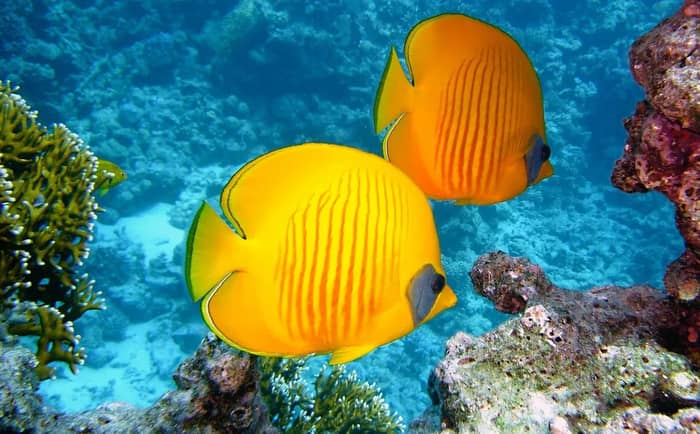
Australia’s Great Barrier Reef isn’t suffering in isolation. Coral mortalities reached up to ninety-three percent in areas like the Pacific coast near Mexico. Regions such as Florida experienced complete die-offs in some reefs, where water temperatures rose to 101°F.
Scientists from the International Coral Reef Society expressed concern that ocean temperatures may not drop below bleaching thresholds in the foreseeable future. Translation? We might be entering a permanent state of bleaching stress. That’s not a future I want to imagine.
Multiple Stressors Are Compounding the Damage
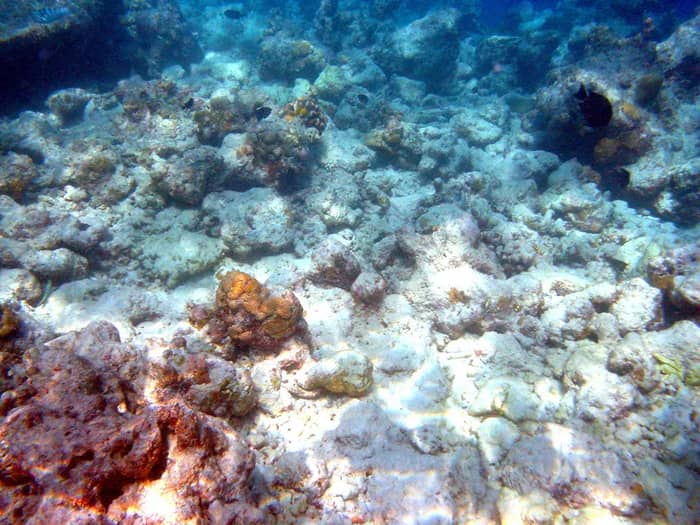
Heat stress isn’t the only killer. Goniopora corals developed black band disease, contributing to the high mortality rates observed. This rare bacterial infection, typically found in the Caribbean, appeared on the Great Barrier Reef in 2024 after bleaching weakened coral defenses.
This combination led to mass mortality, with about seventy-five percent of colonies dying within a year. Cyclones Jasper and Kirrily in late 2023 and early 2024 physically damaged reefs already stressed by heat. Floods delivered sediment-laden freshwater onto coral communities.
These declines are primarily attributed to coral mortality from the 2024 mass coral bleaching event, compounded by the cumulative impacts of two cyclones, freshwater inundation, and some crown-of-thorns starfish activity. It’s death by a thousand cuts. Even if corals survive bleaching, disease, storms, or predators often finish them off before recovery begins.
The Biggest Annual Decline in Nearly 40 Years
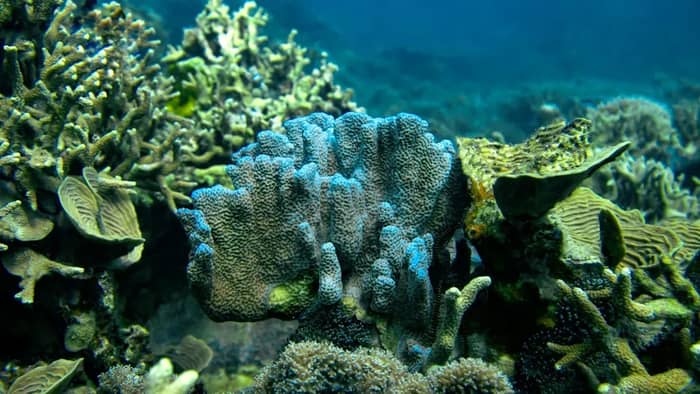
The Australian Institute of Marine Science reported that over a third of the live hard coral around Lizard Island and Cooktown in the northern Great Barrier Reef had been killed off, determined to be the largest annual drop in nearly forty years of records. Let that sink in. Four decades of monitoring, and 2024 was the worst single year on record.
The declines in the north and south were the largest in a single year since monitoring began thirty-nine years ago. Some individual reefs lost up to seventy percent of their coral cover in just twelve months. The AIMS coral monitoring program leader, Dr. Mike Emslie, characterized the event as having created a graveyard of corals.
Regional declines ranged between fourteen and thirty percent compared to 2024 levels, with some individual reefs experiencing coral declines of up to 70.8 percent. The recovery we celebrated just years ago has evaporated almost overnight. This isn’t a gradual decline anymore – it’s a freefall.
Is There Any Hope Left?
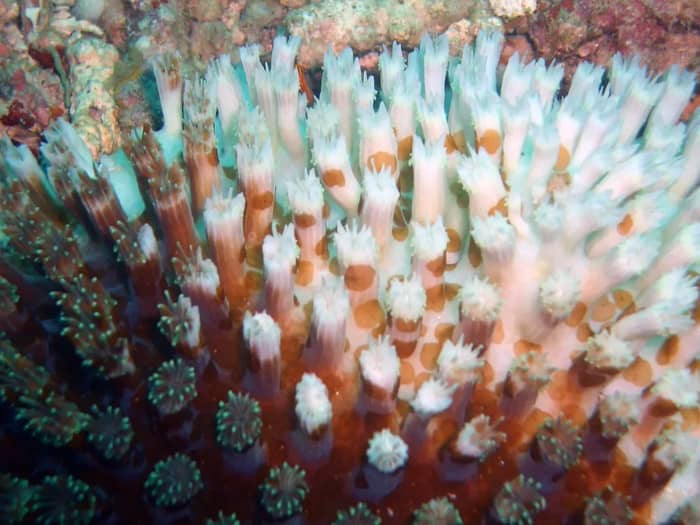
I know it sounds crazy, but scientists haven’t completely given up. Model projections under a high-emission scenario find that upwelling mechanisms will stay active in a warming climate, and these regions are likely to remain approximately more than 1°C cooler than surrounding waters until at least into the 2080s. Climate refugia – cooler pockets of reef – might provide temporary sanctuaries.
Restoration efforts are ramping up worldwide. Coral nurseries, assisted evolution techniques, and interventions like shading and cooling are being tested. The Great Barrier Reef Foundation and partners are working frantically to develop resilient coral strains and scale up restoration.
Still, let’s be honest – these are Band-Aids on a gunshot wound. Emission reduction alone is no longer enough to guarantee the survival of coral reefs. We need both immediate interventions and rapid global emissions cuts. This is the critical decade for climate action. The next five years will determine whether future generations get to experience the Great Barrier Reef as a living ecosystem or only see it in photographs.
What would you have guessed – five years or fifty? The science suggests we’re running out of time faster than most people realize, and the window to act decisively is closing before our eyes.