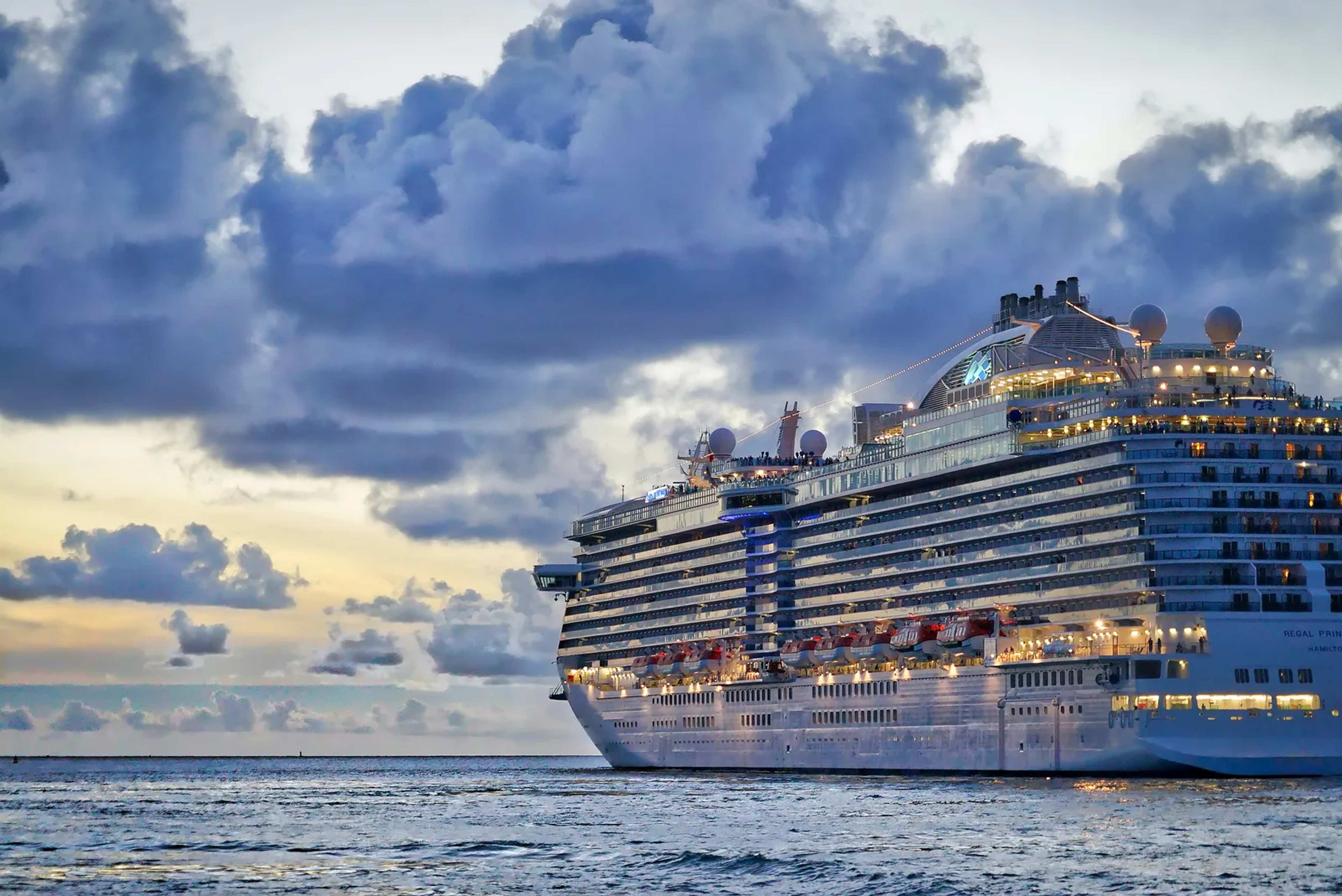
Split, Croatia’s second-largest city and the gateway to the Dalmatian coast, is preparing to pull the plug on late-night drinking in a move that could reshape the way millions of summer visitors experience the Adriatic. Local officials have proposed a citywide curfew on alcohol sales that would silence off-license bottle shops and supermarkets during the exact hours when tourist nightlife typically peaks. It’s the latest and arguably the boldest example yet of a broader European trend: cities that once welcomed round-the-clock partying are now drawing a hard line after dark.
The plan puts Split alongside a growing list of Mediterranean destinations that have decided enough is enough when it comes to alcohol-fueled tourism. What makes the Split proposal notable is its scope and timing, arriving just as the city gears up for another peak season and just as neighboring regions tighten their own rules in parallel.
What the New Split Curfew Actually Proposes
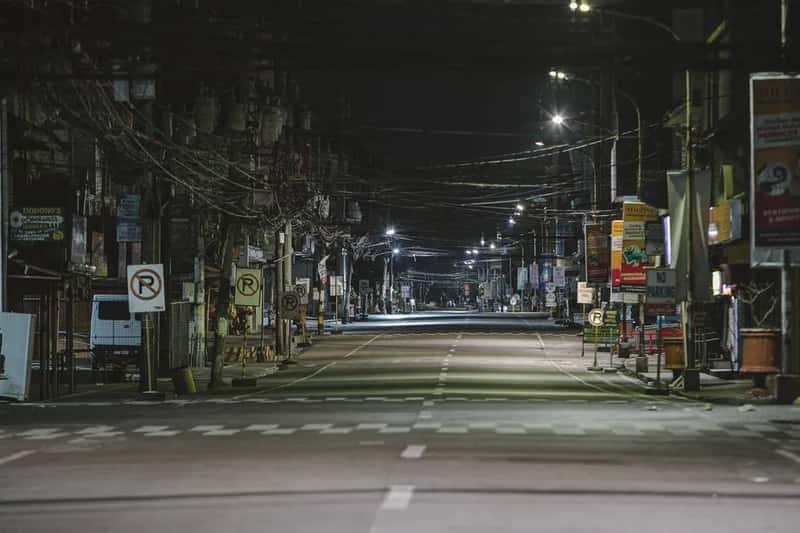
Under the plan put forward by Croatian officials, alcohol sales in shops would be banned between 8pm and 6am, cutting off exactly the window when tourists tend to stock up on cheap drinks before heading out for the night. The city of Split is proposing a ban on the sale of alcohol between the hours of 8 p.m. and 6 a.m., while licensed venues such as bars, restaurants and nightclubs would remain exempt. That distinction matters because it means the measure targets retail-driven street drinking rather than the hospitality industry itself.
The proposal would formally amend national trade legislation rather than simply rely on local ordinances, giving it more permanence than a seasonal bylaw. Economy Minister Ante Šušnjar announced the plan, which would amend the country’s Trade Act. Framing the change as a public health and heritage issue rather than an anti-tourism gesture, officials have been careful to link it to residents’ wellbeing as much as visitor behavior.
Why Split Says It Needs This Now
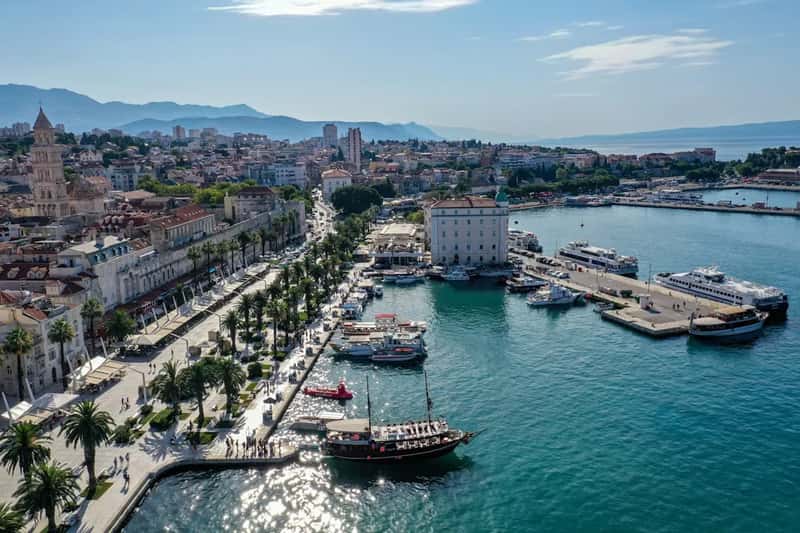
Split has spent the last decade transforming from a workaday ferry port into one of Croatia’s most visited cities, largely thanks to its Roman-era old town built inside Diocletian’s Palace. That popularity has come with a cost, as late-night noise, litter, and rowdy behavior have increasingly spilled into residential streets that sit just steps from the historic core. Officials argue the curfew is less about punishing tourists and more about restoring some normalcy to everyday life inside a UNESCO World Heritage site.
The government’s own explanation leans heavily on public health language rather than economic protectionism. “This is primarily for the health of our citizens, especially children and young people, to preserve public order and protect the environment and cultural heritage,” said Šušnjar. That framing echoes similar justifications used elsewhere in Croatia and Spain, where local governments have increasingly positioned nightlife restrictions as heritage protection rather than simple crowd control.
A Wider Crackdown Beyond the Old Town
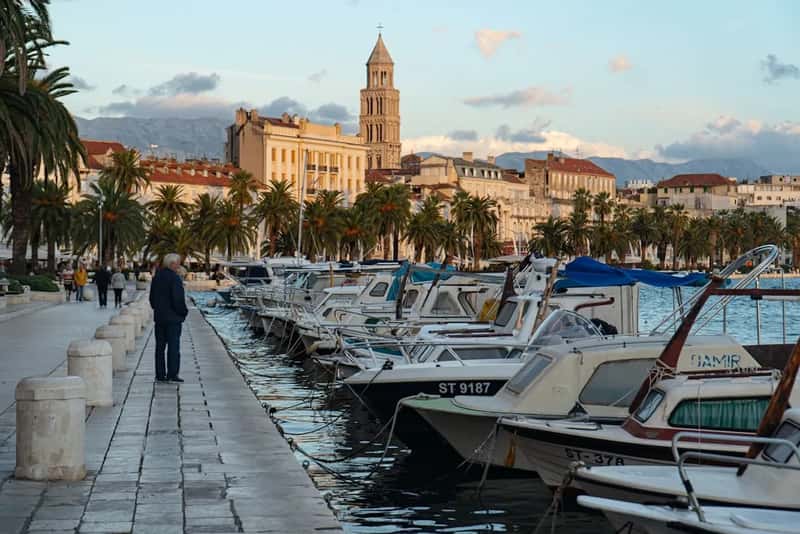
Split’s proposed curfew is not happening in isolation. Local authorities have already been tightening rules around public conduct in the historic center, part of a package of measures aimed at cleaning up behavior that residents say has gotten out of hand during peak season. Particular attention is given to central zones of the city, historic sites, and areas near educational institutions, where tourists and residents alike are required to consume alcohol only in designated locations, with breaking this rule resulting in fines of up to €300.
The city has also gone after so-called anti-social conduct that officials say has become common in the peak summer months. Displaying behaviour such as walking shirtless in non-beach areas, sleeping on benches or in public thoroughfares, and similar conduct that may be considered disrespectful or disruptive is now subject to fines as part of a broader effort to maintain orderly public spaces. Taken together with the proposed sales curfew, it paints a picture of a city trying to reset expectations for what a night out in Split should look like.
Dalmatia’s Islands Are Following the Same Script
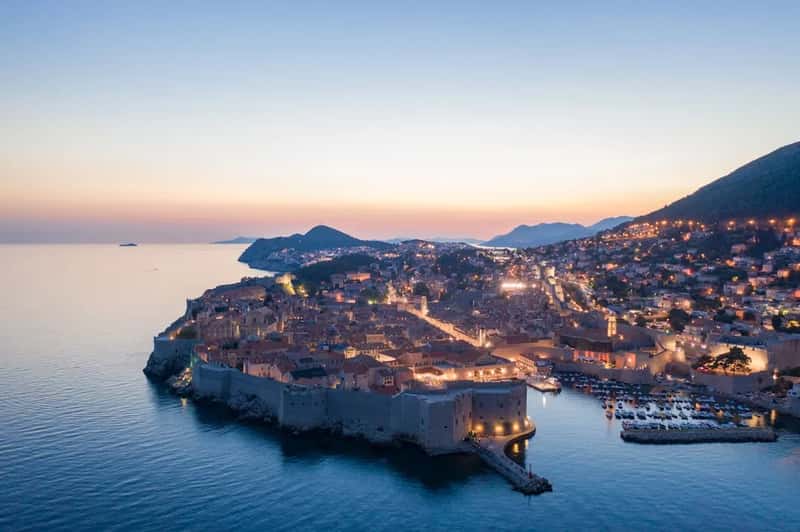
Split isn’t the only part of the Croatian coast rethinking nightlife rules. Nearby islands, which rely just as heavily on summer tourism, have already put similar restrictions in place, particularly around noise. Split’s approach is not isolated, as neighbouring areas have taken similar steps to curb disorder linked to tourism, with islands such as Hvar enforcing strict noise limits during evening and nighttime hours, particularly in summer months when music, parties, and large groups of tourists are common.
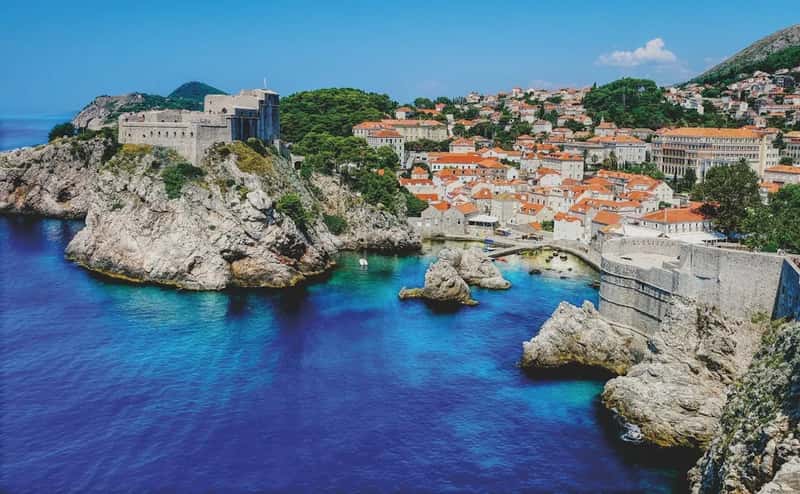
Dubrovnik, arguably Croatia’s most famous tourist city, has run its own version of a nighttime curfew for years, though it targets sound rather than alcohol sales directly. The city enforces a strict outdoor amplified-sound curfew of 23:00 in summer, which means any bar on the Stradun or tucked into an alley has to kill its speakers at eleven or pull the crowd inside. That precedent likely gave Split officials some confidence that a comparable measure could work without collapsing the local nightlife economy entirely.
The Balearic Islands Set the Template
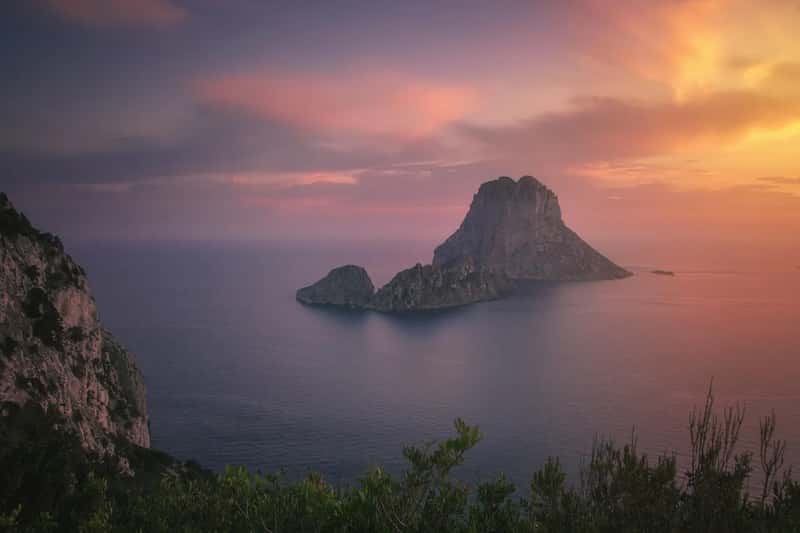
If Split’s plan feels familiar, that’s because Spain’s Balearic Islands pioneered almost the exact same approach back in 2024, and it has only gotten stricter since. Palma, Magaluf, and Sant Antoni in Ibiza were the first to experiment with cutting off retail alcohol sales during the busiest overnight hours. Spain’s Balearic Islands, including the popular party islands of Majorca and Ibiza, introduced new laws effective from May 2024 to curb excessive tourism and alcohol-fuelled rowdiness, with the archipelago’s government voting to ban the sale of alcohol in shops between 9.30pm and 8am in areas such as Llucmajor, Palma, Calvia (Magaluf) and Sant Antoni.
That original 2024 law has since been extended and reinforced rather than rolled back. The changes will remain in effect until at least 1 January 2028. By 2026, the restrictions had expanded even further to include strict drink limits at all-inclusive resorts. Several regions in Majorca, specifically Magaluf, El Arenal, and Playa de Palma, now enforce strict rules regarding all-inclusive alcohol consumption, with packages limited to a maximum of six alcoholic drinks per day, three with lunch and three with dinner.
Venice and Others Already Have Their Own Version
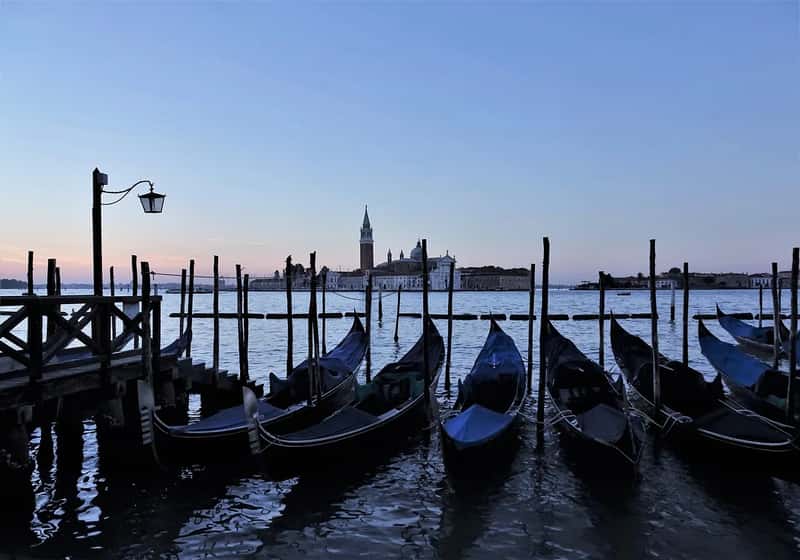
Croatia and Spain aren’t the only countries experimenting with nighttime alcohol restrictions in tourist-heavy areas. Italy has quietly had similar rules in place in Venice for some time, though they’re framed slightly differently than the Split proposal. Laws like these are nothing new to high-traffic tourist areas, as Venice has had a nightly ban on public alcohol consumption after 7pm. That earlier restriction shows how normalized these kinds of nighttime rules have become across some of Europe’s most visited cities.
Portugal has taken its own path too, layering behavioral codes on top of alcohol rules in coastal resort towns. Various coastal towns in Portugal, such as Albufeira, have also introduced behavioural codes of conduct aimed at maintaining public decency and order, including prohibitions on wearing swimwear outside beach or pool areas. The common thread across all these destinations is a shift from vague guidance toward enforceable, ticketed rules with real financial consequences.
Residents and Business Owners Don’t Always Agree
Not everyone in these tourist-dependent economies is thrilled about the new restrictions, even if residents broadly welcome the quieter streets. Local business associations have voiced worry that cutting off late-night alcohol sales could dent revenue during the few months of the year that keep many shops and bars afloat. In the Balearics, officials have tried to soften that blow with targeted investment in enforcement rather than blanket bans on nightlife itself.
Part of that investment has gone toward extra staffing and monitoring rather than punitive fines alone. The legislation comes with a €14m funding package for security, inspections and advertising, with officials saying it is part of an overall plan to promote responsible tourism. Whether Split adopts a similarly resourced approach remains to be seen, but the Balearic model offers a rough playbook for balancing enforcement with economic reality.
What Travelers Visiting Split Should Expect in 2026
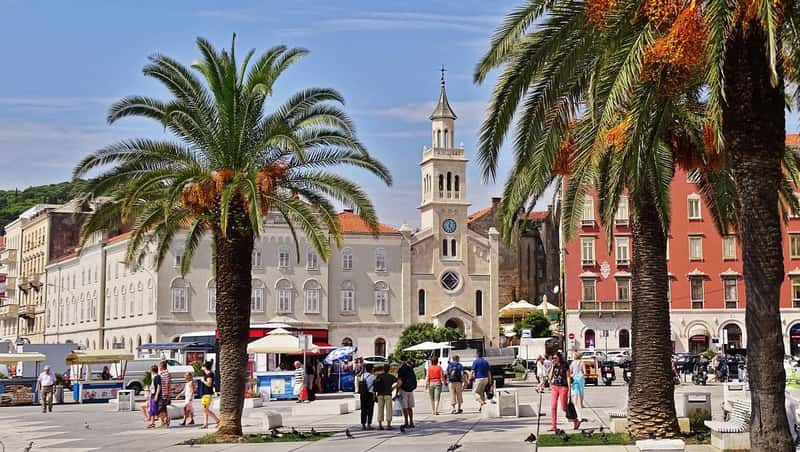
For anyone planning a summer trip to Split, the practical impact of the proposed curfew is fairly narrow but still worth knowing about before you land. Shops and supermarkets would stop selling alcohol between 8pm and 6am, meaning stocking up on cheap beer or wine for a balcony drink after dark won’t be an option in the same way it has been in previous years. Bars, restaurants, and nightclubs would remain unaffected, so anyone happy to pay bar prices rather than shop prices won’t notice much difference at all.
Travelers should also expect the existing public drinking and conduct rules already in force to be enforced more visibly as the city ramps up its broader crackdown. Given that similar rules elsewhere carry fines running into the hundreds of euros, it’s worth treating these restrictions as more than just symbolic gestures. Split’s old town, dense and residential as it is, seems likely to be the area where enforcement is strictest.
Part of a Bigger European Reckoning With Overtourism
Split’s proposed curfew fits neatly into a much larger story unfolding across Europe in 2026, where cities from Amsterdam to Barcelona are rewriting the rules of engagement with mass tourism. Barcelona has taken one of Europe’s toughest positions on short-term rentals, confirming plans to eliminate tourist apartment licenses by 2028, alongside intensified inspections of illegal listings in central neighborhoods. That kind of structural change, aimed at housing rather than nightlife, shows how broad the overtourism backlash has become.
The common denominator across all these cities, whether it’s Split’s alcohol curfew, Dubrovnik’s noise limits, or Barcelona’s rental freeze, is a growing willingness among local governments to prioritize residents over unlimited visitor growth. It suggests that the era of anything-goes European nightlife tourism, at least in its most crowded and famous destinations, is quietly coming to an end.
The Bottom Line for Anyone Planning a Trip
Split’s nighttime alcohol curfew, if formally adopted, would mark one of the clearest signals yet that major European destinations are done tolerating unchecked party tourism at the expense of the people who live there year-round. It won’t shut down nightlife entirely, since bars and clubs remain untouched, but it does close off one of the cheapest and most common ways tourists have fueled late-night chaos in the city’s historic core.
Travelers who plan ahead, respect local rules, and treat these cities as places people actually live in rather than open-air theme parks are unlikely to notice much disruption at all. For everyone else expecting the old free-for-all, Split’s message is becoming as clear as the Adriatic itself: the party has a curfew now, and it isn’t going away.