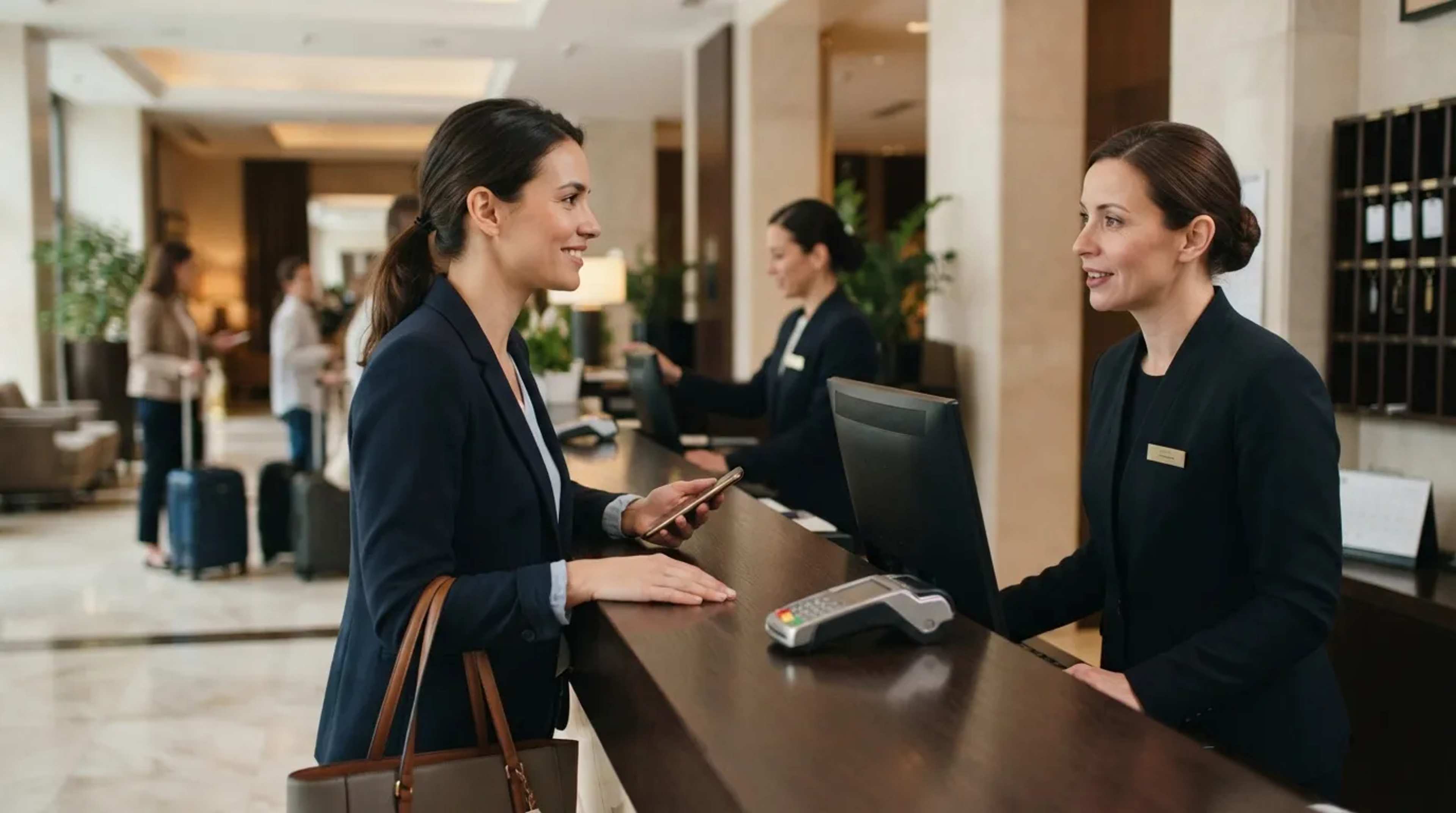
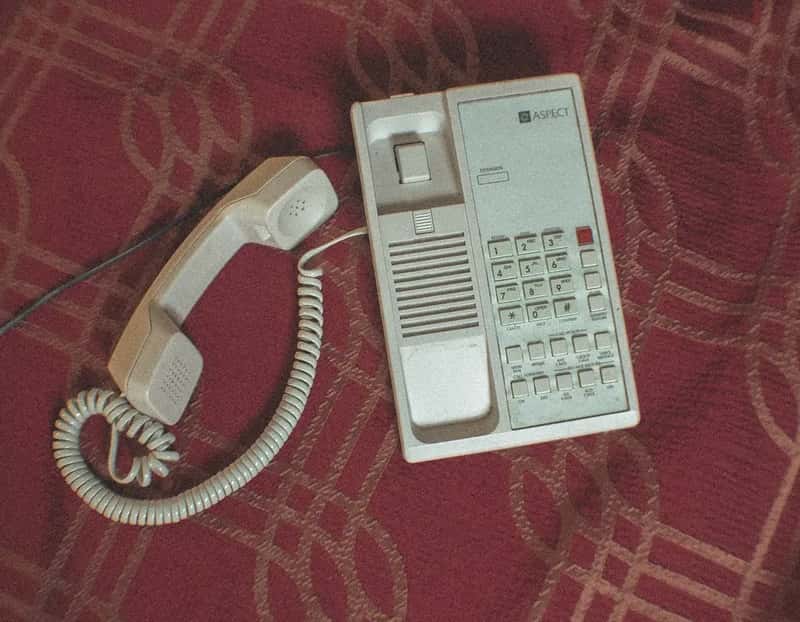
You check into your hotel room after a long day of travel. Your suitcase is half unpacked, and exhaustion has already begun to settle in. The room phone rings at some ungodly hour, jolting you from near-sleep. A voice claiming to be from the front desk apologizes profusely for disturbing you but insists there’s an urgent issue with your credit card.
Sounds legitimate enough, right? Actually, you’ve just encountered one of the most insidious scams currently plaguing the hospitality industry. This deceptive tactic has been catching even the most vigilant travelers off guard, and it’s spreading like wildfire across hotels nationwide. Let’s explore how this nightmare unfolds and what you can do to protect yourself when you’re at your most vulnerable.
The Classic Setup: How the Scam Actually Works

The caller is NOT the front desk attendant, the caller is a fraudster who calls hotels and asks to be transferred to random room numbers. These scammers have perfected their pitch to sound exactly like legitimate hotel staff. The scammer calls your hotel room pretending to be from the front desk, and says there’s a problem with your credit card so they need you to verify your credit card information.
The phone rings and the caller, claiming to be the front desk, advises you that for some reason the card you gave them at check-in was not accepted. The excuse given is a glitch in their computer system or something along those lines. They’ll be incredibly apologetic and reassuring, telling you that you don’t need to come down to the lobby. Instead, they offer the “convenience” of handling everything over the phone. Here’s the thing, though: once you hand over that information, your problems have truly begun.
Why This Scam Works So Well on Travelers

Timing is everything with this con. Scammers will call hotel rooms late at night impersonating the front desk person. Think about it. You’ve just endured hours of travel, navigated unfamiliar territory, and finally reached your room. Your guard is down. Your brain is functioning at half capacity.
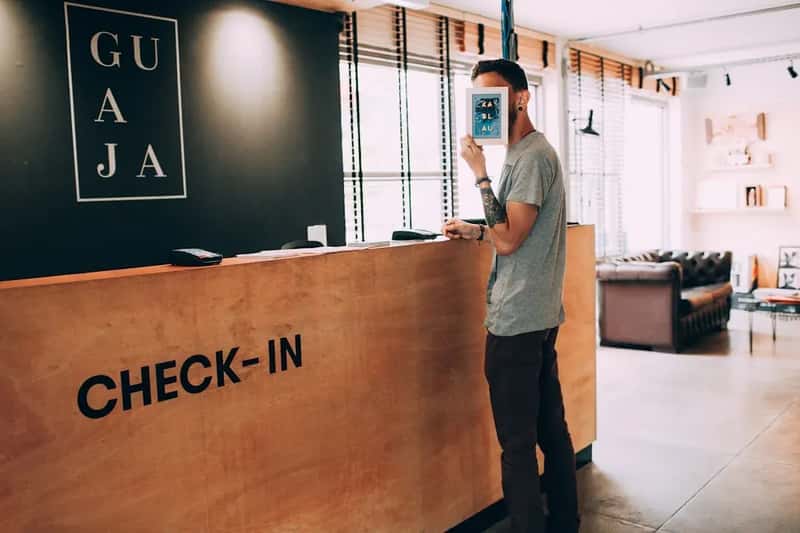
Often, you arrive at the hotel, tired and fatigued from a busy day, and use your credit card to check in at the front desk. The fraudsters know this pattern well. They’re counting on your exhaustion to cloud your judgment. When you’re disoriented and half asleep, you’re far less likely to question the legitimacy of the call or remember that hotels already have your payment information securely stored in their system.
The Alarming Rise in Hotel Phone Scams
Financial experts are sounding the alarm over a so-called “front desk scam” in which callers try to trick hotel guests into divulging their credit card information over the phone. Recent warnings from financial institutions and security experts indicate this isn’t just an isolated incident or two. This has become a coordinated, widespread operation targeting travelers across the country.
Clever thieves pretending to be hotel staff have tricked guests out of huge amounts of money through a sophisticated phone scam. The scheme has spread across U.S. hotels, emptying bank accounts. Criminals call hotel switchboards and ask to be connected to random rooms. When someone answers, they make up stories about urgent payment issues that need immediate attention.
The sophistication level is genuinely unsettling. They trick people by making the hotel’s real phone number show up on caller ID screens.
Travel Fraud Statistics Paint a Disturbing Picture
The numbers behind travel-related scams are frankly shocking. Americans lost a whopping $2.6 million between April 2024 and April 2025. That’s just from reported cases analyzed from Better Business Bureau tracking data. The actual financial damage is likely far higher, considering many victims never come forward out of embarrassment or uncertainty.
In 2024, the fraud rate during the early stages of trip planning increased more than 12% compared to the previous year. Hotels specifically have seen increased targeting. Online travel fraud has surged, accounting for $1 trillion in global financial losses in 2024. Travel fraud has now become such a massive problem that it accounted for $274 million in U.S. consumer losses in 2024.
Behind the Scenes: Hotel Data Breaches Fuel Scams
Here’s something most travelers don’t realize: many of these scams are made possible by massive data breaches at hotels and hotel management companies. Threat actors accessed Otelier’s Amazon S3 cloud storage via stolen credentials, reportedly downloading 7.8 terabytes of data, including hotel guest reservations, financial records, and employee emails. Marriott, Hilton, and Hyatt are among the brands affected.
Once the criminals infect the booking system, they can access guest data, and payment information, enabling them to impersonate hotels and reach guests directly. This means scammers sometimes have real reservation information, making their calls seem even more legitimate. Marriott, for example, paid a $52m settlement after its breach exposed data from 339 million guests worldwide.
These aren’t small-scale operations. The breaches give criminals everything they need to craft convincing scams.
What Hotels Will Never Do Over the Phone
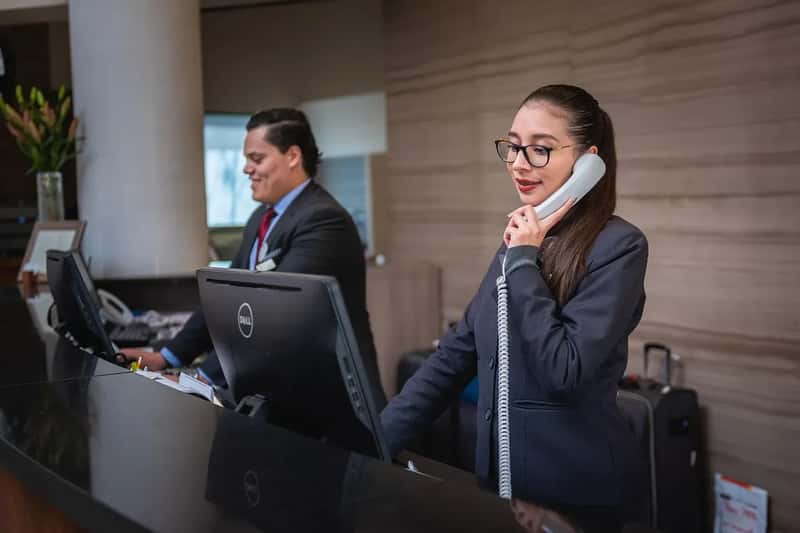
Let’s be absolutely clear about hotel policies. No legitimate hotel will ever do that. They will never request financial information over the phone, even if they claim to be the front desk. This is universal across the industry. No exceptions. No legitimate circumstances.
We’ll know right when you check in that that card’s not a valid card, and we’ll ask you at that time to provide a different method of payment. Credit card authorization happens instantly in modern systems. Front desk employees rarely call guests about billing issues. If there truly is a problem, they’ll address it when you check in or when you check out, never in the middle of the night via phone.
How to Respond if You Receive “The Call”

So what should you actually do if your hotel phone rings with this request? The answer is beautifully simple. NEVER give your card information over the phone. If you receive this type of call, hang up. Don’t engage in conversation. Don’t try to verify details. Just hang up immediately.
Contact the front desk yourself to verify there is an actual problem with your card. If so, proceed to the front desk to take care of it. Walk down to the lobby if you’re genuinely concerned. Tell the caller that you will come down to the front desk to clear up any problems. Then, go to the front desk and ask if there was a problem. Chances are overwhelming that the real staff will have no idea what you’re talking about, confirming the call was fraudulent.
The Broader Context: Vishing and AI Voice Scams
This hotel scam is part of a larger trend security experts call “vishing,” or voice phishing. Vishing, which may incorporate AI-generated voices, is the malicious targeting of individuals using voice memos. The technology has advanced dramatically. For vishing, malicious actors are more frequently exploiting AI-generated audio to impersonate well-known, public figures or personal relations to increase the believability of their schemes.
Tens of billions of dollars, if not more, are being stolen using voice calls, voicemails and prompts to potential victims to call a phone number. This isn’t a minor nuisance anymore. Voice-based social engineering is a huge threat to your work and personal environments. It’s everywhere all the time!
Protecting Yourself: Practical Prevention Strategies
Prevention starts with awareness. First, never assume a call is legitimate just because it comes through the hotel phone system. Some hotels allow guests to direct dial to other rooms, which means a con artist who took up residence in such an establishment could potentially run this fraud on others staying there by simply placing calls from his room rather than an outside line.
It is therefore a good idea to always be mindful of the potential for fraud and to make it your own personal policy to never give out credit card information to anyone who calls asking for it, no matter who that person claims to be. Adopt a verify-first mentality. If someone needs your payment information, you should be the one initiating contact through official channels, not responding to unsolicited requests.
What the Industry and Travelers Must Do Moving Forward
Research from the Mastercard Economics Institute has found that fraud spikes by up to 28% during peak travel seasons. Hotels need to take more aggressive action to warn guests about these scams. Simple placards in rooms explaining that staff will never call requesting credit card information would help immensely.
Report the call to the actual front desk so they may warn other guests. If you receive a scam call, speaking up helps protect fellow travelers. The hotel needs to know their guests are being targeted. Meanwhile, travelers should remain skeptical of any unexpected communications. Trust your instincts. If something feels off about a late-night phone call requesting financial information, it probably is.
Your safety while traveling depends on vigilance. The “midnight desk” call preys on exhaustion and trust, but awareness is your strongest defense. What would you do if your hotel phone rang at 2 AM claiming there was a card problem? Think about that now, before you’re too tired to think clearly.