Picture this. You’re at the airport, passport in hand, flight booked, ready to board. Then someone stops you. Why? Because you’re a woman, and you don’t have a male guardian’s written consent. Sounds like something from another century, right? Yet for millions of women worldwide, this isn’t history. It’s today.
Many Middle East and North Africa countries still prevent women from moving freely in their own country or traveling abroad without the permission of a male guardian. While progress has been made in certain regions, the restrictions remain startlingly real in several nations, trapping women in cycles of control and dependence. Let’s dive into these countries and see what women are truly facing when they simply want to cross a border.
1. Afghanistan: The Most Extreme Example
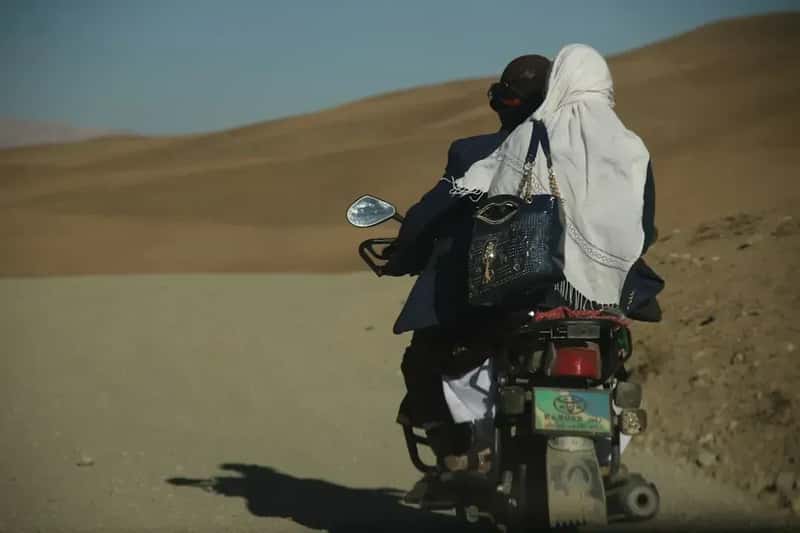
The most extreme example of women’s travel restrictions exists in Afghanistan, where the Taliban announced a law on the promotion of virtue and prevention of vice that prohibits women from traveling or using public transportation without a male guardian. There are no official laws about male guardianship in Afghanistan, but the Taliban have said women cannot move around or travel a certain distance without a man who is related to her by blood or marriage. This makes Afghanistan unlike anywhere else on Earth right now. In Paktia province, the Vice and Virtue Ministry has stopped women without mahrams from accessing health facilities since December. Women who are unmarried or lack a mahram face crushing restrictions, essentially becoming prisoners in their own homes.
2. Iran: Written Consent Required from Husbands
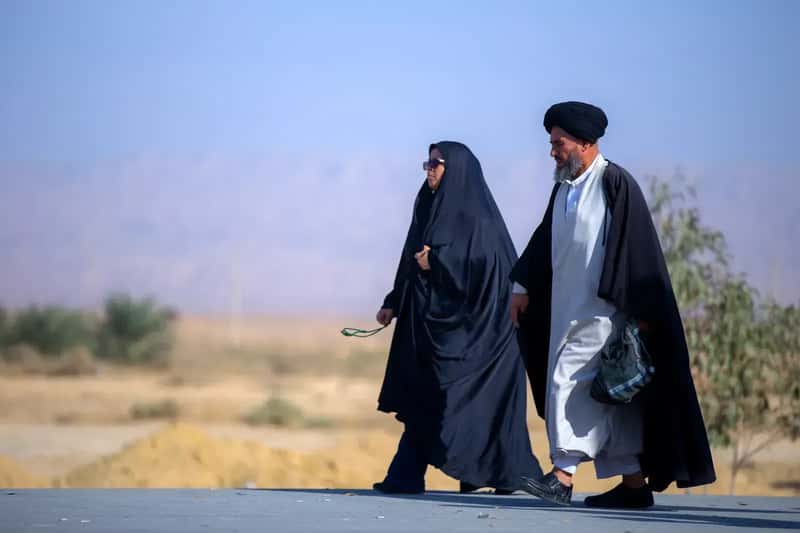
A woman requires a husband’s permission to obtain a passport or travel outside the country. A married woman requires her husband’s written consent to secure a passport or travel abroad, and in Iran, married women must show their husband’s permission to obtain a passport and to travel. Honestly, the distinction between single and married women here matters less than you’d think, since both situations trap women in dependence on men. December 2024 saw these restrictions tighten even further, making Iran one of the most oppressive environments for women globally. Women have tried to work around this by including travel rights in their marriage contracts, yet even that doesn’t always work in practice.
3. Yemen: Policy Over Law Creates Confusion
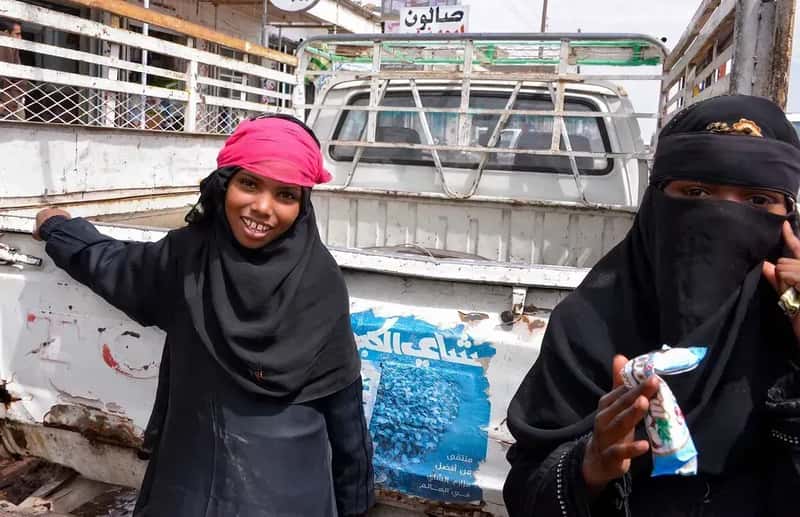
Yemen requires, as a matter of policy, but not law, that women of all ages need to show permission from their male guardian in order to obtain a passport. The situation in Yemen is particularly complicated because different authorities control different regions, yet they all agree on restricting women. In August 2022, Houthi authorities in Yemen, who control large parts of the country, expanded restrictions so that women cannot travel or leave their areas within the country or travel abroad without a mahram. The authorities are barring women from traveling between governorates, and in some cases from travel abroad, without a male guardian’s permission or being accompanied by an immediate male relative. This has forced many female aid workers to leave their jobs, directly impacting humanitarian efforts in one of the world’s worst crises.
4. Qatar: The Gulf’s Remaining Holdout
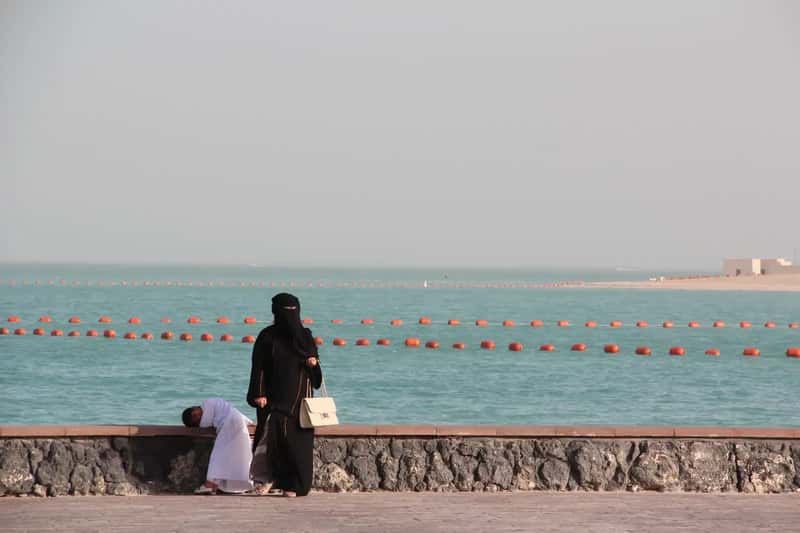
Here’s the thing: Qatar remains an outlier in the Gulf. Qatar is the only remaining country in the Gulf region which continues to require male guardianship for women’s travel. Qatar’s interior ministry rules, but not law, require unmarried Qatari women under age 25 to show permission from their male guardian (in person or an exit permit) to travel abroad while allowing Qatari men to travel without such permission from age 18. In 2020, Qatari airport officials stopped some women under 25 years old who had valid exit permits, as well as women over 25, who should not require such permission under current rules, and demanded to call their male guardian to prove that they were not “escaping.” The exit permits can be issued through a government mobile app, which sounds modern but still enforces control.
6. Iraq: Unofficial but Enforced Practices
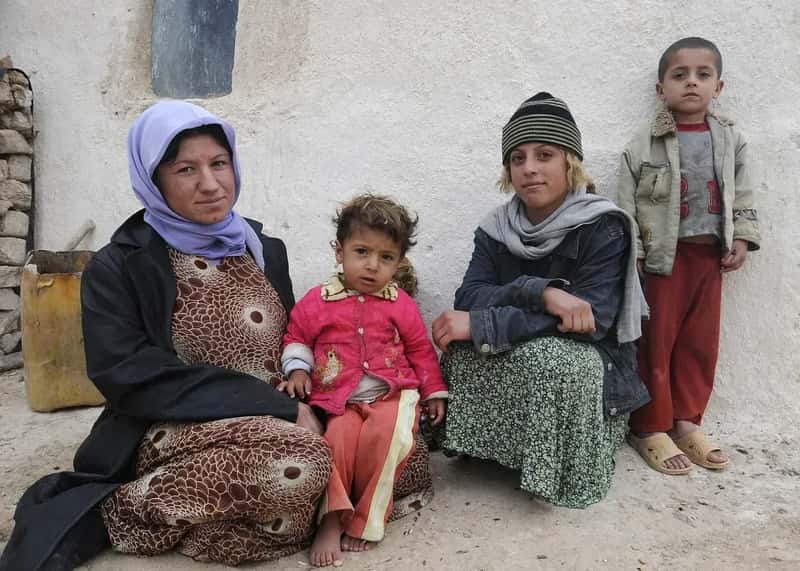
Even in countries where such restrictions may not be official policy, in practice some women reported that officials insisted on guardian permission such as in Iraq. The gap between what the law says and what actually happens at airports and checkpoints creates uncertainty for Iraqi women. They may legally have the right to travel, but enforcement depends heavily on who they encounter at checkpoints or government offices. Hotels and accommodation facilities in Iraq also sometimes prevent women from renting rooms without a male guardian present, creating barriers even for those who manage to obtain travel documents.
7. Kuwait: Progress with Persistent Gaps
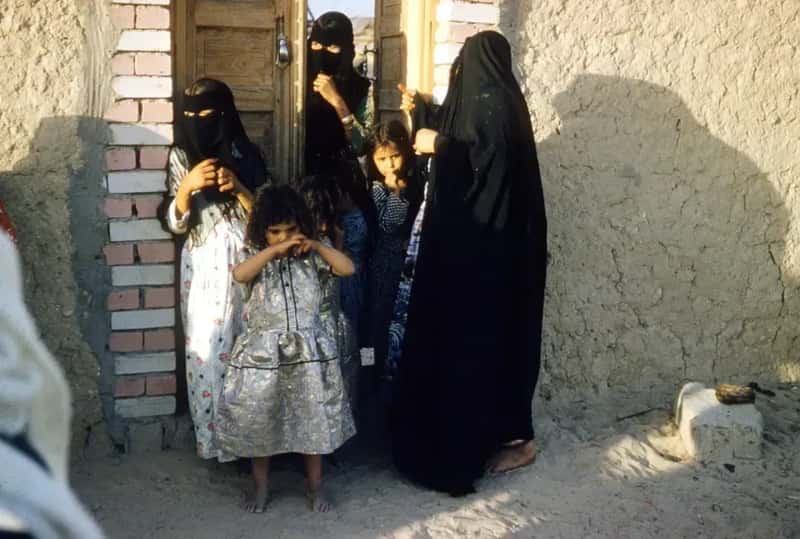
Kuwait presents a nuanced case where official policies have evolved, yet practical restrictions persist. The country has made progress in some areas – Kuwaiti women gained the right to travel without a guardian’s permission in 2009. However, implementation remains inconsistent, and women still face challenges when trying to exercise these rights. In Jordan, Kuwait, Qatar, and Saudi Arabia, male guardians and other family members can also report women to the police for being “absent” from their homes, which can lead to their arrest and forcible return home or administrative detention. In Algeria, Saudi Arabia, Kuwait, Iran, and Yemen there are the most stringent regulations, and sometimes even obtaining a passport or a permit to travel abroad depends on a male guardian or from a court.
8. Saudi Arabia: Reforms with Remaining Loopholes

Saudi Arabia has made headlines with reforms in recent years. Saudi Arabia issued new laws Friday that loosen restrictions on women by allowing any citizen to apply for a passport and travel freely without male consent, and the new rules approved Friday allow any person 21 and older to travel abroad without prior consent and to apply for a passport on their own. This sounds promising, and it is. Still, there’s more to the story. Saudi authorities allow male guardian to obtain court orders or simply notify the authorities to issue travel bans on women under their guardianship. However, the new regulations do not positively affirm the right to travel abroad, leaving open the possibility that male guardians could seek a court order to restrict female relatives’ travel. The reforms created progress for women over 21, but loopholes and guardian controls remain embedded in the system.
9. Gaza (Palestine): Court Orders and Guardian Bans

Hamas authorities in Gaza issued restrictions in February 2021 that means an unmarried woman, even if able to leave Gaza amid sweeping Israeli and Egyptian movement restrictions, can be prevented from traveling as soon as her male guardian applies for a court-ordered ban. The situation in Gaza adds another layer of complexity because women face both the guardianship restrictions imposed by local authorities and the broader movement limitations created by the Israeli and Egyptian blockades. This double restriction effectively traps many women, particularly unmarried ones, who have no legal recourse if their guardian decides to prevent their travel.
The Ripple Effects Beyond Travel
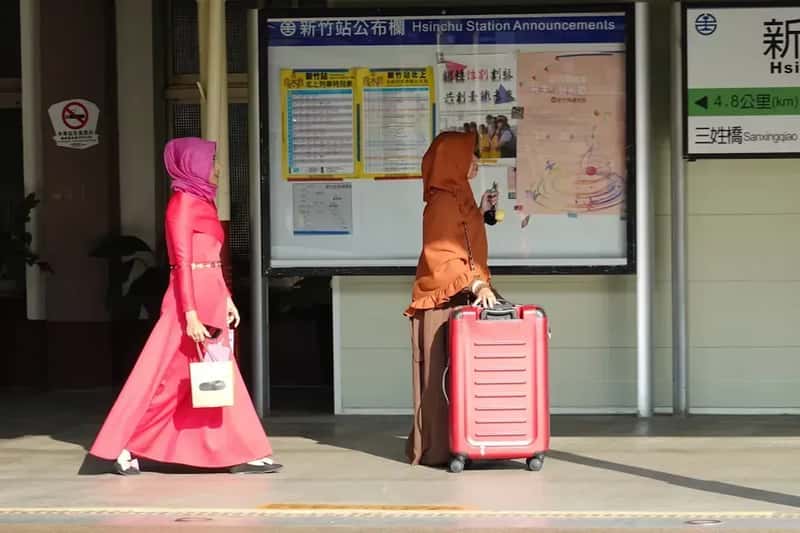
Let’s be real. These restrictions aren’t just about inconvenience at airports. These restrictions trap women in abusive marriages, prevent them from accepting educational opportunities abroad, block them from visiting dying relatives, and force them into economic dependence. Hotels, in countries like Egypt, Iraq, Kuwait, Morocco, Qatar, and Yemen, either because of state policy or in practice, prevent some women from renting a hotel room without a male guardian. Some countries maintain family laws that consider women leaving the home, including traveling abroad, without their husbands’ permission as “disobedience,” and based on these laws they can lose their right to spousal maintenance from their husbands, and potentially can also impact their access to divorce and decisions relating to their children’s residence. The consequences extend far into every corner of women’s lives, from career opportunities to personal safety.
Looking Forward

Fifteen countries in the region still apply personal status or family laws that require women to either “obey” their husbands, live with them, or seek their permission to leave the marital home, work, or travel. According to Human Rights Watch research conducted between January 2020 and July 2023, the landscape of women’s movement restrictions across the Middle East and North Africa remains deeply troubling. While some nations have made reforms, others have tightened controls, and even where laws change, practice often lags behind. Women’s rights activists continue fighting for basic freedoms, sometimes facing imprisonment for their advocacy. The question isn’t just about travel anymore. It’s about dignity, autonomy, and the fundamental right to control one’s own life. What would you do if you couldn’t leave your city without asking permission?