

There’s a moment right before every trip when the suitcase lid won’t quite close, and you have to decide whether to sit on it or take something out. Most people choose the sitting. It’s a small, familiar scene that repeats itself in bedrooms all over the world, and it points to a habit that’s stubbornly resistant to good intentions, no matter how many minimalist packing videos we watch beforehand.
The Habit That Refuses to Die
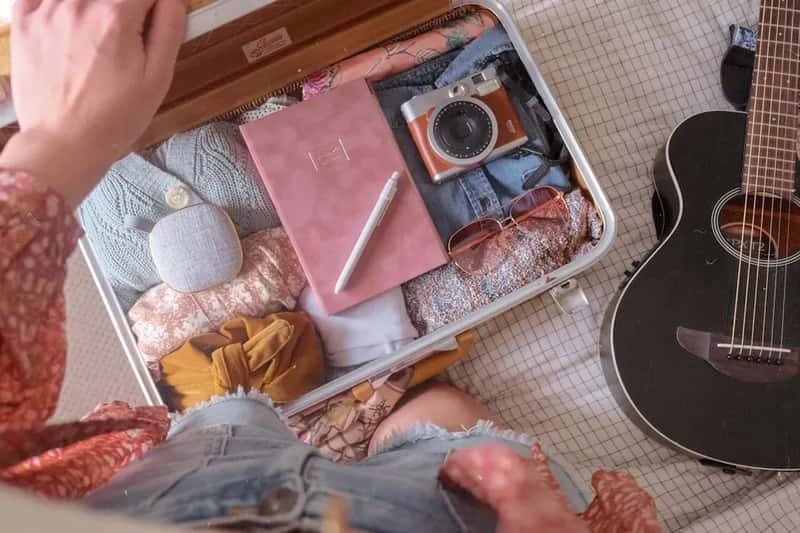
Overpacking isn’t a new problem, but it’s remarkably persistent. Global Rescue surveys show overpacking remains the most common travel mistake year after year, with nearly one in three travelers admitting they overpack. Other research paints an even starker picture, with one study finding that 71.7% of people have overpacked for a trip and 40% say they have come home with clothes they didn’t even wear.
What’s striking is that this mistake shows up regardless of how experienced the traveler is. A separate Global Rescue survey found that 75% of respondents admit to overpacking for a trip. People who have crossed a dozen borders make the same call as first-time flyers: pack the extra sweater, the backup shoes, the “just in case” everything.
Why Your Brain Sabotages Your Suitcase
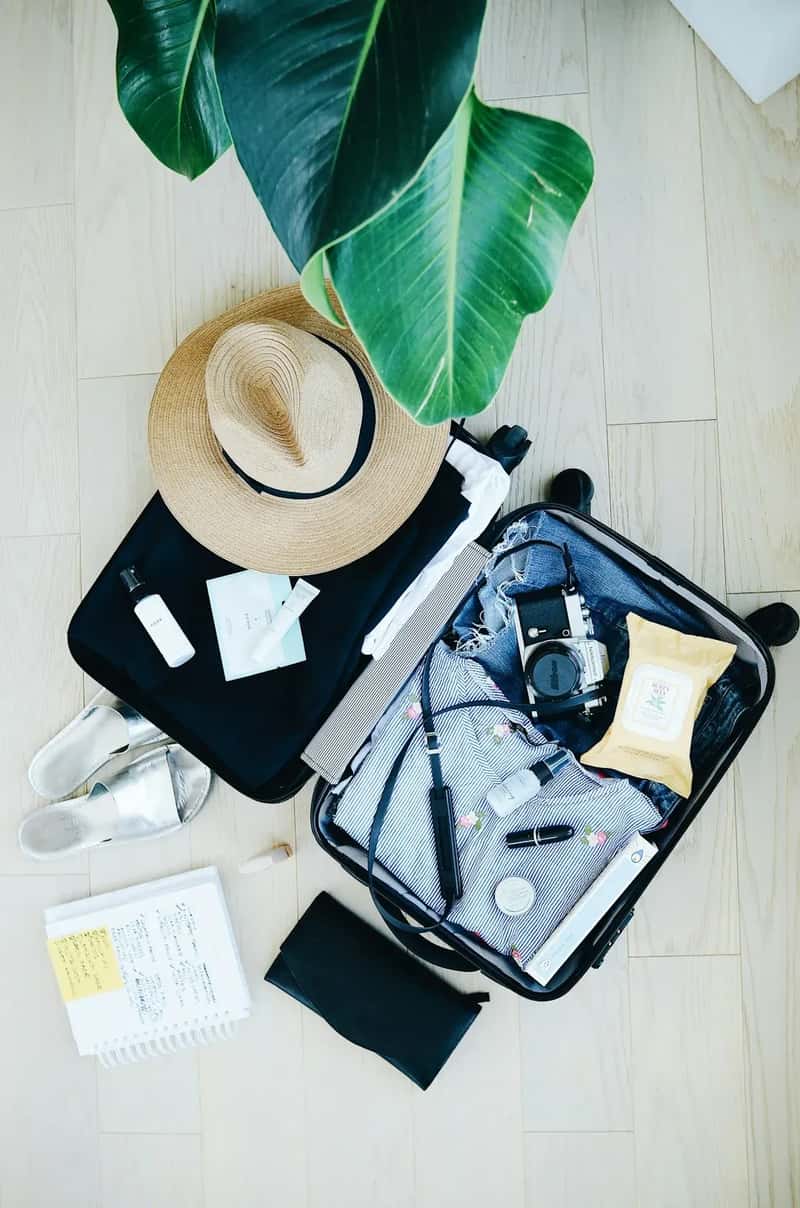
The reasons behind overpacking have less to do with logistics and more to do with psychology. Psychologists and travel experts suggest the persistence of overpacking has more to do with psychology than logistics, with anxiety, attachment and past experiences all playing a role, along with fear of forgetting something essential and unpredictability like sudden weather changes. In other words, the extra jacket isn’t really about the weather. It’s about managing worry.
This tendency to pack for fear rather than for actual need explains why even seasoned travelers fall into the trap. It’s rarely about a single bad decision. It’s a slow accumulation of “what if” items that each feel reasonable on their own but add up to a suitcase that won’t zip.
What Overpacking Actually Costs You at the Airport
The financial side of this habit has gotten noticeably worse. Airline baggage fees have hit record highs, with the Bureau of Transportation Statistics showing U.S. airlines brought in more than $7.4 billion in passenger baggage fees in 2025, a 162 percent increase over five years. That’s not a small shift. It reflects a broader move by airlines toward charging separately for almost everything beyond the seat itself.
The most visible example came from a carrier that had built its entire brand around not charging for bags. Southwest’s increases come one year after the airline announced that only select customers would qualify for free checked bags, the very perk on which it had built its brand. A heavy or extra bag today is rarely just an inconvenience. It’s a direct hit to the travel budget.
Airlines Are Getting Stricter, Not More Generous
It’s tempting to assume carry-on bags are a safe workaround, but that loophole has been narrowing too. Travelers should no longer assume a free carry-on bag is automatically within their luggage allowance if they’re purchasing a basic economy ticket, since basic economy usually only covers transportation and some form of small bag. Even the personal item under the seat has limits that vary by airline.
Checked bag prices have moved in one direction over the past two years. Major U.S. airlines have started charging at least $5 more for checked bags since the beginning of 2024, and Southwest began charging most passengers $35 for their first checked bag and $45 for their second, ending its longstanding free checked bag policy. Multiply that across a family of four and the numbers stop feeling minor.
The Fix Starts With Outfits, Not Items
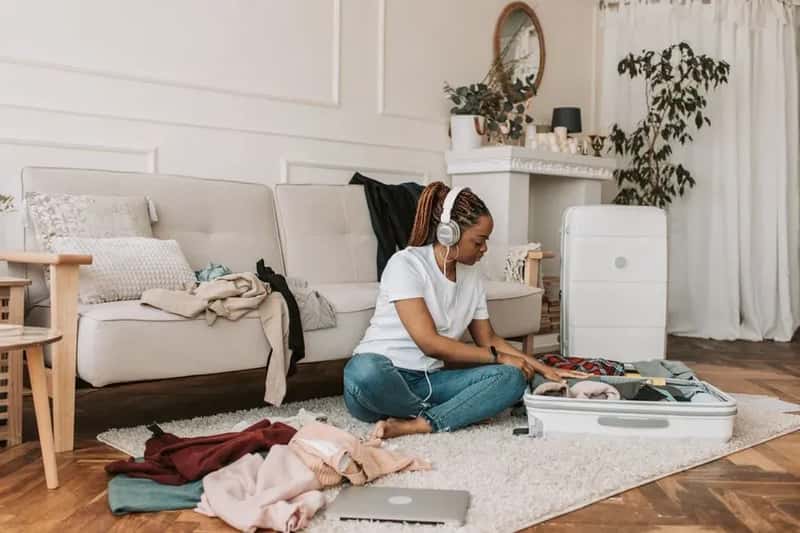
The most effective correction isn’t a stricter packing list. It’s a change in how you think about clothes before they ever go in the bag. Travel writer Pauline Frommer, who has spent years covering how people actually pack, points to a simple habit: assembling and trying on every outfit for the trip before deciding what makes the cut. One game-changing method that prevents overfilling luggage is to actually put together and try on every outfit planned for the trip, since thinking through activities, weather, duration of wear, and comfort level gives a more realistic sense of what will actually get worn.
A similar version of this shows up as a simple ratio. Try the 3:1 ratio, three tops for every bottom, and stick with a consistent color palette. The logic is straightforward. If every piece can pair with almost everything else, you need far fewer pieces overall, and the suitcase stops filling up with clothes that only work with one specific outfit.
Packing Tools Aren’t Just Gimmicks
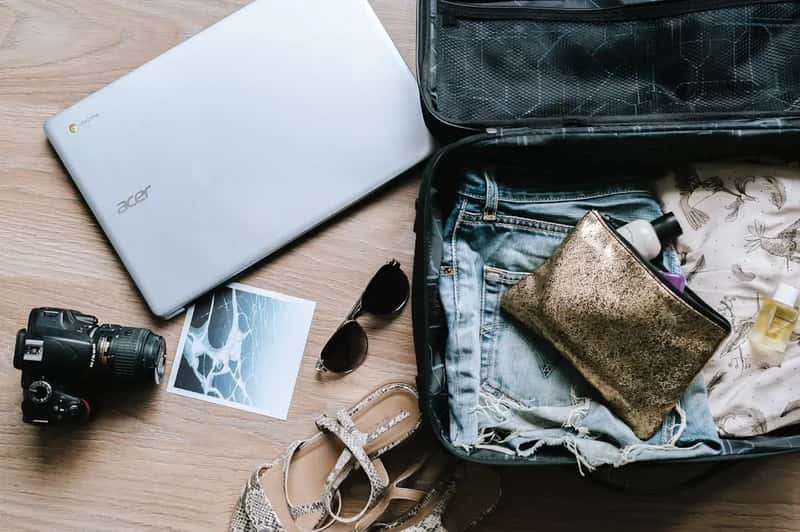
Compression cubes and packing organizers get dismissed sometimes as unnecessary gadgets, but they solve a real problem: space that gets wasted by loose, shifting clothes. Using cubes, compression bags or rolling techniques helps maximize space inside a suitcase. The benefit isn’t just fitting more in. It’s also being able to find things without unpacking the entire bag at security or in a hotel room.
The same logic applies to smaller space-saving habits that add up quickly. Packing cubes or compression bags help minimize bulk by making it easier to organize and access belongings, and laying everything out a day or two before departure to evaluate what can be removed leads to smarter decisions and lighter luggage. Giving yourself that extra day to reconsider often catches items that seemed essential the night before but clearly aren’t in the cold light of morning.
Shoes Are the Real Space Thieves
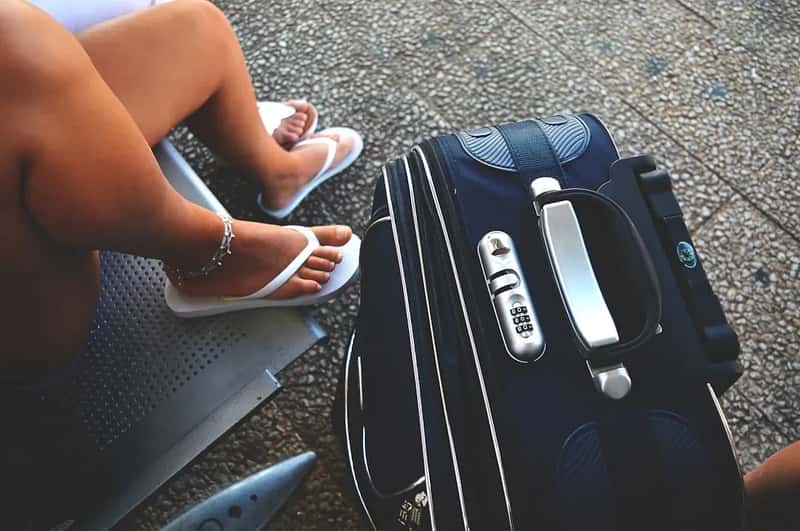
Footwear rarely gets blamed for a bulging suitcase, but it’s often the biggest culprit. Shoes are dense, oddly shaped, and hard to compress, which makes them disproportionately expensive in terms of space compared to almost anything else you’d pack. Footwear is the silent space stealer in luggage, with bulky sneakers, just in case dress shoes, and backup sandals consuming valuable real estate, when most trips need only two or three pairs covering walking, casual, and one dressier option.
There’s a simple trick that solves two problems at once. Wearing the bulkiest shoes while traveling frees up suitcase space that would otherwise be lost. Combine that with sticking to neutral colors that match multiple outfits, and the footwear section of the packing list shrinks dramatically without anyone feeling underdressed.
The Liquids Trap and Toiletry Overload

Toiletries sneak up on travelers because each bottle feels small on its own, until they’re all lined up and taking over a third of the bag. There’s also a rule that trips people up constantly at security. Beyond making sure liquids don’t flood the luggage, anything larger than 3.4 ounces must be stowed in checked baggage unless it’s medicine or baby food.
The fix here is less about packing smarter and more about packing less in the first place. Opting for travel sizes or relying on hotel amenities instead of full-size toiletries removes one of the most avoidable sources of bulk. Solid alternatives, like bar soap or shampoo bars, sidestep the liquid limit entirely and take up a fraction of the space.
A Written List Beats Memory Every Single Time
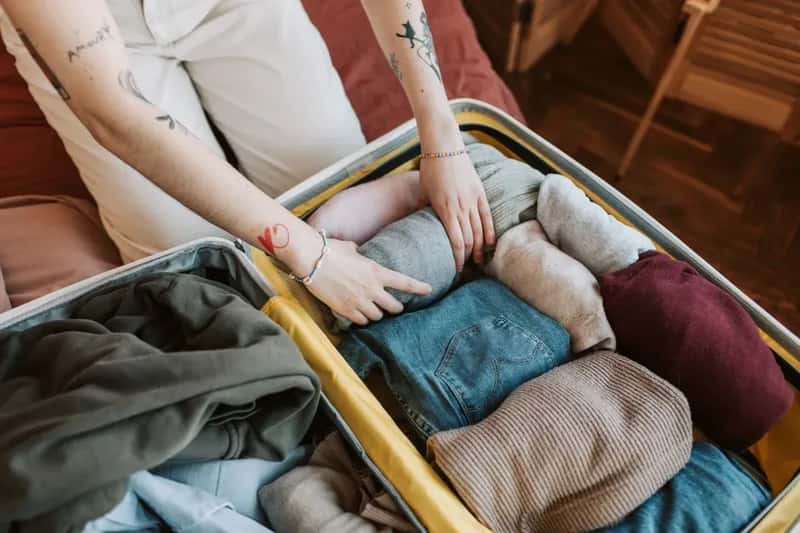
The irony of overpacking is that people who bring too much still forget things. The majority, 84.5 percent of people, say they worry about forgetting things when packing for a trip, and people forget an average of two essential items each time they pack. That gap between anxiety and outcome is exactly why a written list matters more than instinct.
Forgetting isn’t a free mistake either. People typically spend $53 replacing items they’ve forgotten to pack. A short, specific list checked the night before catches the predictable gaps, chargers, medication, a swimsuit, without requiring the kind of over-preparation that leads to an overstuffed bag in the first place.
Balance Is the Actual Goal, Not Minimalism
It’s worth being honest that the opposite mistake exists too, and it’s not harmless. While overpacking may be the most common mistake, underpacking can be equally disruptive, since forgetting a key item such as medication, weather appropriate clothing, or a critical electronic device can derail even the best laid travel plans. The goal isn’t to travel with the absolute minimum possible. It’s to travel with exactly what gets used.
Getting there takes a bit of homework before the suitcase ever opens. Prioritizing intentional packing by focusing on versatile items, carefully considering the destination, and allowing room only for the extras that genuinely add value tends to produce the best results. That’s really the whole fix in one sentence: pack for the trip you’re actually taking, not the one your anxiety is imagining.
Packing well isn’t about willpower or a fancier suitcase. It’s about noticing the pattern, the extra shoes, the untested outfits, the toiletries bought “just in case,” and making one deliberate change before the trip instead of during the frantic ten minutes before leaving for the airport. The next time that lid won’t close, it’s worth asking what’s really in there, and why.