American tourism is experiencing something honestly quite unusual. While the rest of the world watches travel numbers explode, certain U.S. cities are watching their visitor counts plummet. It’s not just a few disappointed hotel owners noticing the change.
The numbers paint a stark picture. The U.S. is set to lose $12.5 billion in international visitor spending this year, according to the World Travel and Tourism Council. The U.S. is the only country among 184 economies analysed by WTTC and Oxford Economics forecast to see international visitor spending decline in 2025. Millions of travelers are choosing destinations elsewhere, and a handful of American cities are bearing the brunt of this shift. Let’s dive into which cities are feeling the pain most acutely.
New York City Watches International Arrivals Drop Sharply
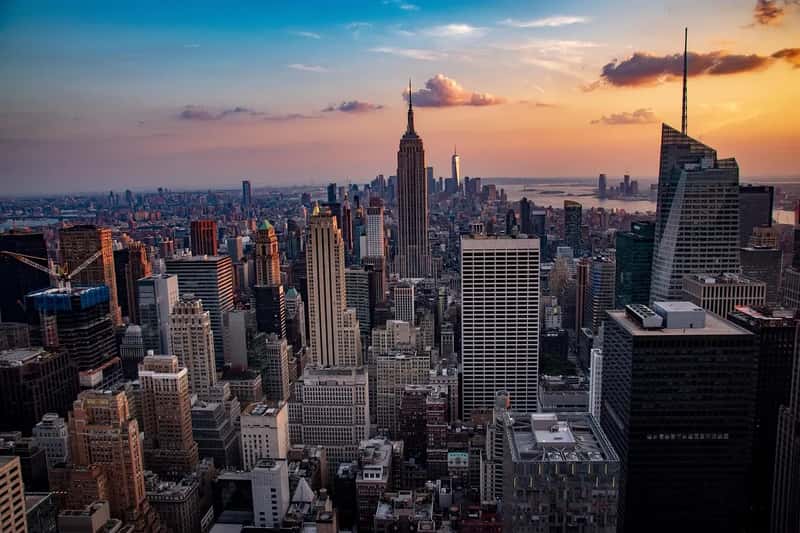
The city that never sleeps is facing some restless nights when it comes to tourism. New York City Tourism + Conventions cut its forecast for international tourists in 2025 by 17%, with the city expected to host 2 million fewer international travelers this year than in 2025. This is particularly troubling when you consider that international tourism only makes up 20 percent of total visitation but accounts for 50 percent of visitor spend.
Tour operators in the city are seeing the impact firsthand. Business relies heavily on international tourism, especially Canadian student groups, but Canadian travel agents have told operators their clients are avoiding the States because they’re unnerved by threats of tariffs or turned off by comments about making Canada the 51st state. Times Square may still have crowds, yet the composition of those crowds has shifted dramatically. The absence of big-spending international tourists means the economic impact extends far beyond just hotel bookings.
Las Vegas Sees Visitor Volume Plunge
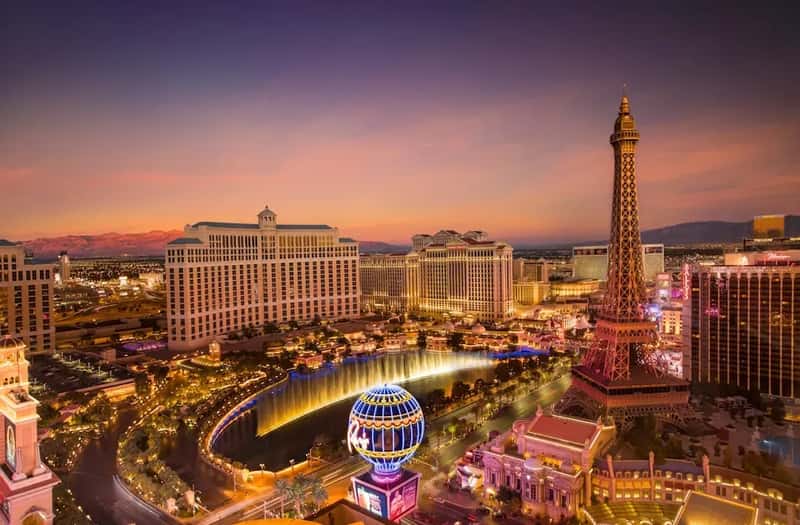
Sin City is experiencing anything except luck when it comes to 2025 tourism numbers. The Las Vegas Convention and Visitors Authority’s latest data available from January to July 2025 shows overall visitor volume is down 8% compared to the same period the year before. Las Vegas experienced an 11.3% decline in visits in June 2025 compared to the same month in 2024.
The Canadian market, traditionally one of Vegas’s most reliable sources, has essentially disappeared. There’s been an 18% decline in flights this year from Canadian carriers, and Canada is the city’s largest source of international visitors. The casinos, shows, and convention centers that rely on international high rollers are feeling a financial squeeze that domestic tourism alone can’t solve. Local businesses report that the types of visitors coming now tend to spend less than the international tourists they’ve lost.
Los Angeles Struggles With Tourism Recovery Crisis
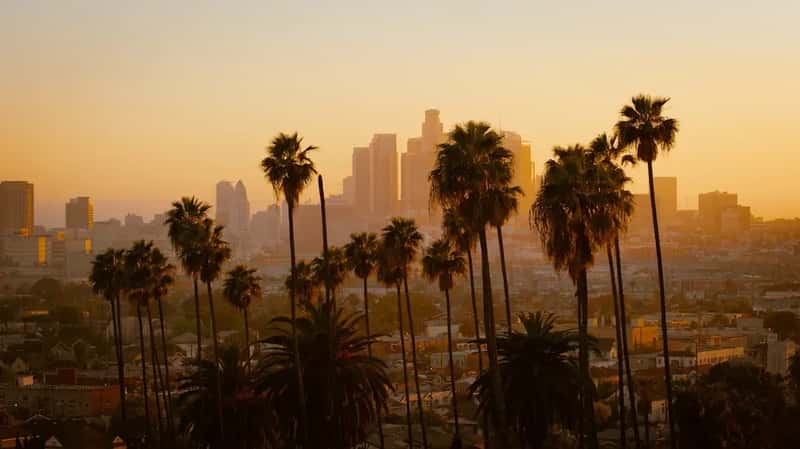
The City of Angels is facing what some are calling a perfect storm. The LA Tourism and Convention Bureau is anticipating year-over-year reductions in total international visitors to LA by between 25 and 30%. Los Angeles is at the bottom of the list of major cities recovering from the COVID-19 pandemic, reaching only 79% of 2019 levels.
The wildfires earlier this year certainly didn’t help, yet that’s only part of the story. Flight bookings from Canada to the U.S. fell by more than 70% in early 2025, forcing airliners to reduce 300,000 seats from LAX through October. Mexican air tourism was also down roughly one quarter. International visitors represent 23% of overnight visitation in Los Angeles but account for more than 49% of overnight visitor spending. The Hollywood sign and Santa Monica Pier are still beautiful, yet international tourists are choosing to admire them from afar.
San Francisco Battles Perception Despite Crime Improvements
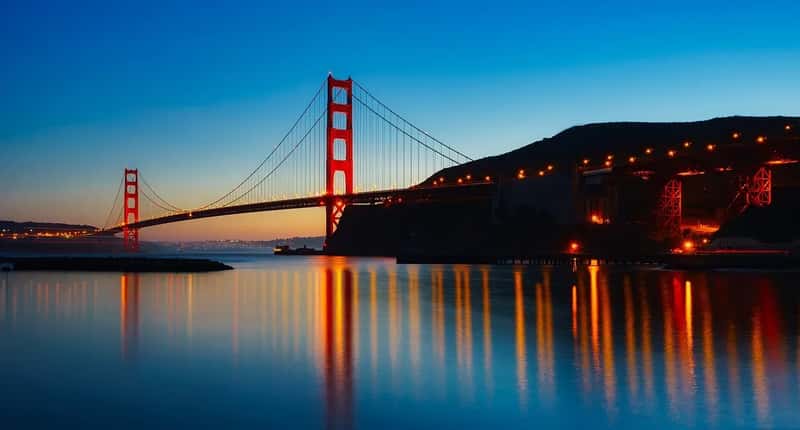
Here’s where things get really interesting. San Francisco has made remarkable progress on many fronts, yet international tourism is still declining. Crime fell dramatically in 2025, with total violent incidents declining more than 25% from the previous year, and the city recorded 27,321 crimes through Sunday versus 36,633 during the same period in 2024. Homicides are experiencing their biggest decline in 70 years.
Still, perception lags behind reality. A decline in international tourism is dampening an otherwise resplendent rebound in San Francisco, and despite a rise in international tourism spending globally, the U.S. saw a 6% decline in foreign visitors in 2025. Overnight international visitors are projected to drop 3.2% this year to 2.26 million from 2024, while international spending will drop 2.7% to $4.89 billion. The unrest at the international level stands in contrast to what many see as marked improvements locally, including crime reductions to all-time lows.
Seattle Feels Canadian Visitor Absence Acutely

The absence of Canadians has been felt acutely in the United States, especially in cities like Seattle close to the northern border. Border towns and gateway cities that historically relied on weekend trips and shopping excursions from Canadian visitors are now dealing with empty hotel rooms and quiet retail districts.
Land-border entries by Canadians dropped nearly 32% in March 2025 compared to a year earlier, with half a million fewer crossings logged in February. The Pike Place Market still bustles on summer days, but local business owners know the composition has changed. Canadian license plates, once ubiquitous in Seattle parking lots, are now a rarity. The Space Needle may still offer stunning views, yet fewer Canadians are there to enjoy them.
Miami Watches Key Markets Evaporate
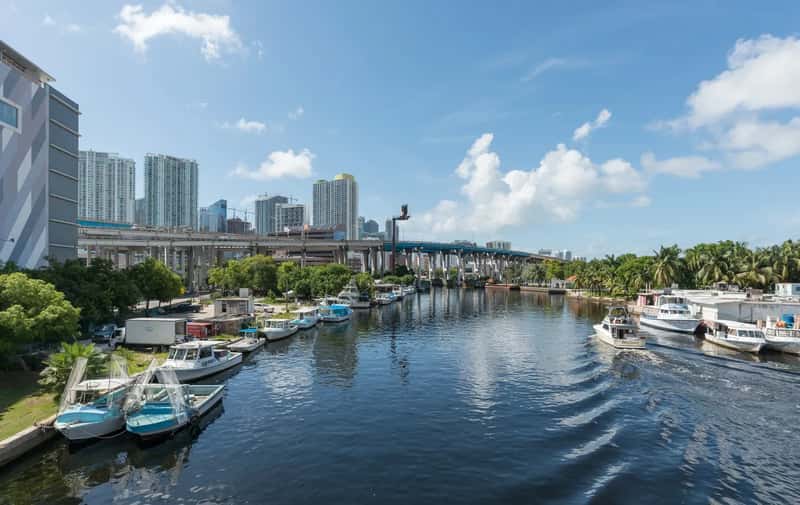
Miami’s tourism industry has always thrived on its appeal to Latin American and European travelers. Cities like New York City, Los Angeles, Miami, and Las Vegas that have historically attracted the most international visitors appear to be suffering the most from the loss of foreign tourists. The city’s position as a gateway to Latin America made it especially vulnerable to shifting travel patterns.
During Trump’s first term in office, Mexican visits to the U.S. fell by 3%, and in February this year, air travel from Mexico had already fallen 6% when compared to 2024. For a city where Art Basel, cruise departures, and South Beach nightlife depend heavily on international visitors with deep pockets, this represents a serious economic challenge. The beaches are as beautiful as ever, but the international jet set is increasingly choosing Caribbean islands or European coastal towns instead.
Orlando Theme Parks Face International Visitor Shortfall
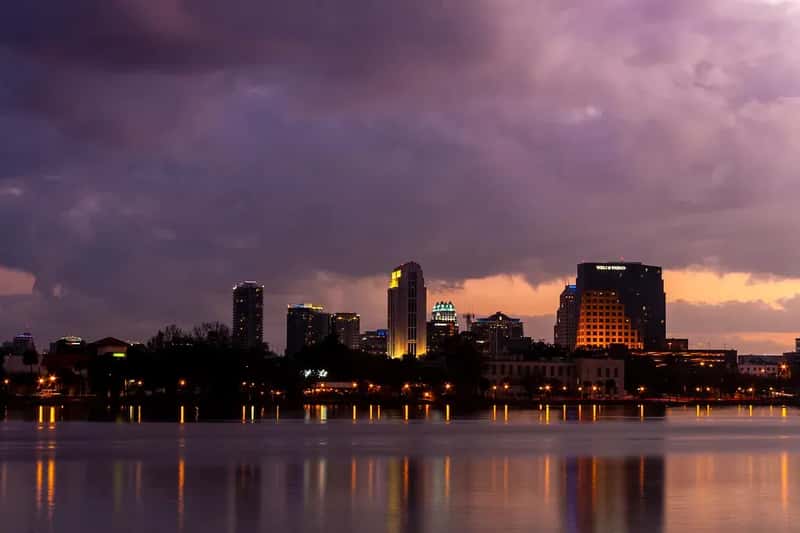
The theme park capital of the world is discovering that even Mickey Mouse can’t overcome geopolitical tensions. Orlando, known for its theme parks and global appeal, is facing a downturn in foreign tourist arrivals. Canadians have also pulled back from other favorite destinations across the country, including Orlando, home to the nation’s largest cluster of theme parks.
International families planning their dream Disney or Universal vacation are reconsidering. The math is simple yet brutal for Orlando’s hospitality industry. When a family of four from Europe or Canada decides to skip their Florida vacation, that’s thousands of dollars in hotel bookings, restaurant meals, theme park tickets, and souvenir purchases that simply vanish. The Magic Kingdom may promise dreams come true, yet for Orlando’s tourism sector, the reality in 2025 has been more nightmare than fairy tale.
Chicago Sees European Tourist Numbers Decline
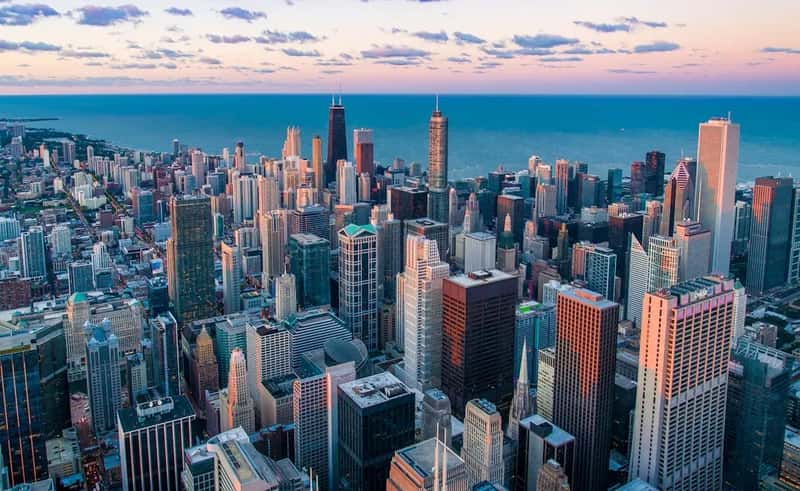
Cities such as San Francisco, New York and Chicago and national parks such as Yosemite have attracted international tourists for decades, but Chicago is now watching that historical draw weaken significantly. Visitors from Western Europe declined 5.5 percent compared to the same month one year earlier, while arrivals from Africa plummeted 15.6 percent.
The Windy City’s world-class museums, architecture tours, and deep-dish pizza aren’t enough to overcome broader concerns about U.S. travel. The reduction in visitor numbers was concentrated among travelers from a handful of regions around the world, particularly Western Europe, Africa, and the Caribbean. The Bean at Millennium Park still attracts selfie-takers, yet increasingly they’re domestic tourists rather than international visitors. Chicago’s tourism industry is learning that global perception matters more than local reality.
Border Towns Across America Face Economic Pain
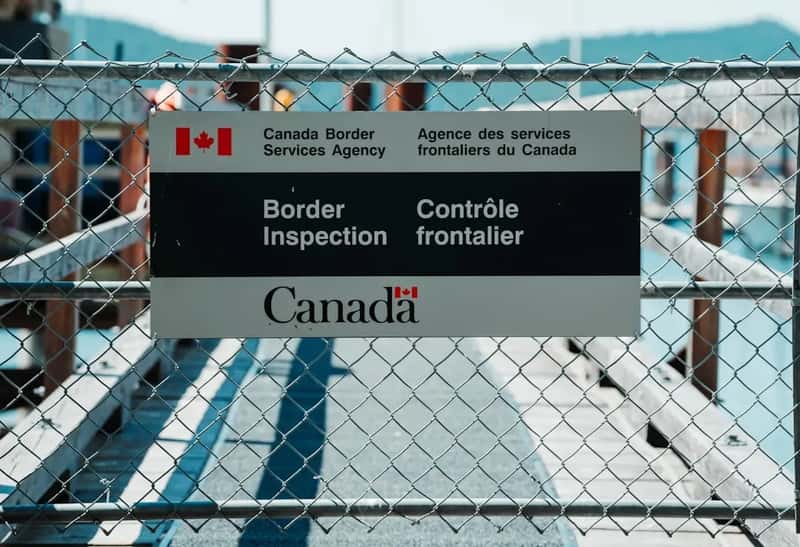
Towns near the Canadian border are also reporting massive decreases in tourism. Small communities that built their entire economic model around cross-border shopping, weekend getaways, and easy access are now struggling. In towns like Jackson, Moab, Oakhurst, and Springdale, tour guides, gear shops, and local hotels are having similar conversations, with June and July not picking up as quickly as they usually do.
A 10% drop in Canadian tourism could mean a $2.1 billion loss for the U.S. travel economy. These aren’t just statistics. They represent empty storefronts, laid-off workers, and communities watching their tax bases shrink. The impact ripples beyond lodging into retail, recreation, and local services. International travelers contribute to these rural economies far more than many realize, especially when their absence ripples beyond lodging and into retail, recreation, and local tax bases.
What This Means for American Tourism
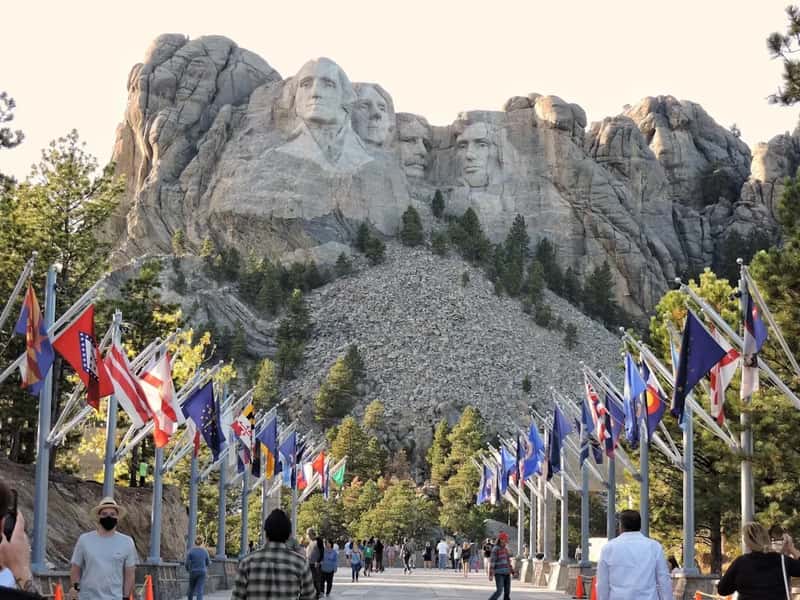
The decline isn’t happening in isolation. The $250 “visa integrity” fee introduced by the Trump Administration, as well as higher national park fees for international travelers, is one of the highest such fees of any destination worldwide. ESTA fees have nearly doubled, increasing cost and friction for markets that have historically been reliable contributors to U.S. visitation.
International visitation to the U.S. dropped again last month, making November the seventh straight month with a year-over-year decline, and visitation from overseas dropped 3.5% to 2.5 million for the month. Recovery to pre-pandemic tourism levels isn’t expected until 2029, according to several forecasts. The question facing these nine cities and countless others is whether they can weather this storm and what long-term damage it might do to America’s reputation as a premier travel destination. What do you think will it take to bring international tourists back?