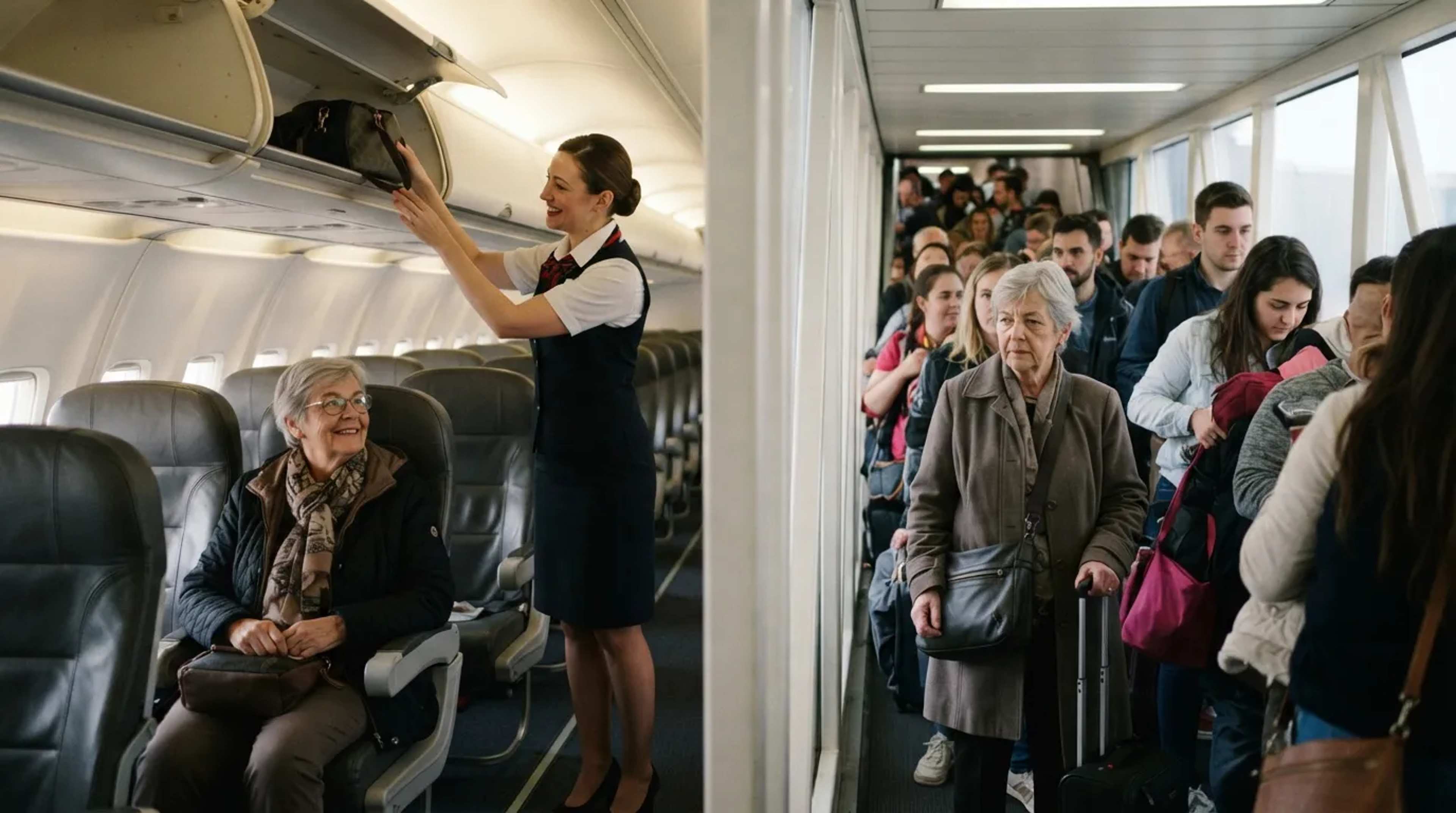
Millions of people step off a plane each year feeling drained, nauseous, or on the brink of a cold – and most of them blame the recycled air. It’s the obvious culprit, right there in the cabin, circulating among hundreds of strangers. But the science tells a more complicated story. The real reasons your body breaks down after a flight run deeper than airborne particles, touching everything from your oxygen levels and inner ear to your gut bacteria and immune cells. Understanding these mechanisms doesn’t just satisfy curiosity – it can actually help you protect your health the next time you fly.
Cabin Pressure Quietly Starves Your Body of Oxygen
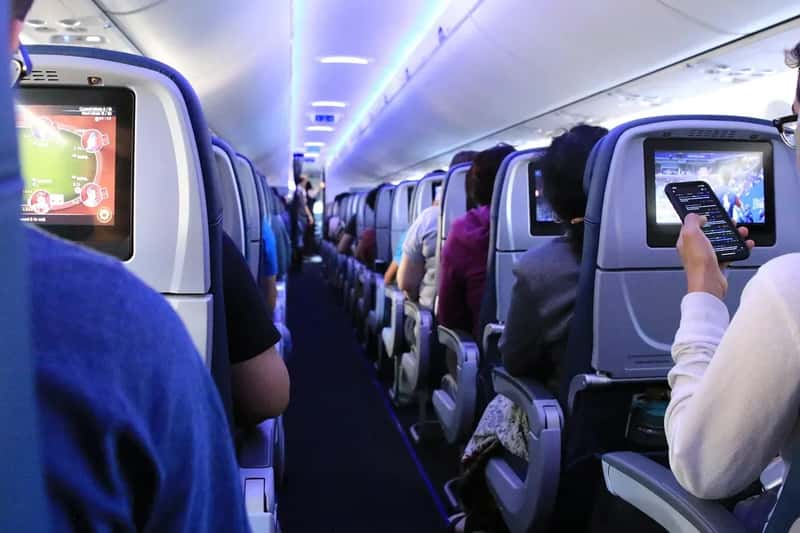
Air pressure is lower at higher altitudes, which means your body takes in less oxygen. Airlines pressurize the air in the cabin, but not to sea-level pressures, so there’s still less oxygen getting to your body when you fly, which can make you feel drained or even short of breath. This mild oxygen deficit – known as hypoxia – is something most passengers never consciously register, yet it is silently working against them for the entire duration of the flight. Airworthiness regulations state that pressurized cabins must be equipped to provide a cabin pressure altitude of not more than 8,000 feet at the maximum operating altitude under normal operating conditions, and most aircraft maintain a cabin altitude of around 6,000 to 7,000 feet during normal operation.
The lower oxygen pressure found in an aircraft cabin is equivalent to 6,000 to 8,000 feet of altitude, similar to that of Mexico City. At that pressure, your cardiovascular system has to work noticeably harder. When you fly, your circulation becomes impaired because you’re sitting for prolonged periods in unnatural, cramped positions and your blood oxygen levels decrease because of cabin pressure. Reduced blood oxygen levels are also responsible for the fatigue you experience during your flight. These two factors cause blood to pool in your body and circulation to slow. Blood circulation is essential for overall health, as it’s responsible for spreading oxygen, nutrients, and protective immune cells throughout the entire body. The fatigue you feel after landing isn’t just tiredness from travel – it’s your body recovering from hours of physiological strain.
Extreme Dryness Disarms Your First Line of Defense
The air inside airplane cabins is notoriously dry, with humidity levels often dropping below 20%, significantly lower than what your body is used to. Many passengers report feeling sick after flying specifically because of this. For comparison, most homes maintain humidity levels between 30% and 60%. This extremely dry environment affects one of your body’s most important defense mechanisms: the mucous membranes that line your nose, throat, and airways. Those membranes are essentially your internal security guards, trapping and neutralizing pathogens before they can establish an infection. When they dry out, that security system fails.
Low humidity levels in the airplane also dry out sinuses and mucous membranes, which play an important role in protecting your body from airborne diseases. Newer aircraft are attempting to address this. The Boeing 787 and Airbus A350 do a better job than comparable models controlling cabin humidity by retaining the water vapor produced by human breathing and perspiration, rather than expelling it from the aircraft. Consequently, they maintain as much as 22 percent humidity levels, compared to the 2 to 7 percent found in other airliners. On most commercial jets, though, passengers are still sitting for hours in conditions drier than many deserts.
Your Immune System Takes a Measurable Hit at Altitude

In a study simulating a long-haul flight at cabin-altitude conditions (8,000 ft) in healthy volunteers, there was a measurable drop in lymphocyte proliferative responses within days after exposure. This suggests that flying can alter your immune system and increase susceptibility to respiratory infections and symptoms of other illnesses. Lymphocytes are the white blood cells central to fighting off viral and bacterial threats – so a drop in their responsiveness is not a trivial event. It’s a real, quantifiable weakening of your defenses. It is well established that hypoxia induces dysregulation of the human immune system, in generally a sensitized and pro-inflammatory fashion.
Travel often disrupts sleep patterns, increases cortisol, and shifts routines. Elevated stress hormones suppress immune-defense mechanisms and shift resources away from repair and immune resilience and toward survival. This means your body is managing two stressors simultaneously: the physiological stress of the cabin environment and the psychological stress of travel itself. The culprit is a compromised immune response due to the bodily impacts of flying. Increased exposure to pathogens combined with a weakened immune system equals a body unable to fight off infections. The combination is what makes post-flight illness so common.
Motion Sickness Is More Complex Than You Think
Airplane sickness is a type of motion sickness triggered when the brain receives conflicting signals from the body. During a flight, your inner ear senses movement from turbulence or changes in altitude, while your eyes may see a still environment inside the cabin. This mismatch confuses the brain, which can trigger nausea and dizziness. According to the Centers for Disease Control and Prevention, motion sickness occurs when the inner ear and visual system send conflicting information to the brain, causing symptoms such as nausea, cold sweats, and vomiting. Even seasoned travelers are not immune to this phenomenon, especially during turbulence or on longer routes.
Flying can predispose you to dehydration, fatigue, stress, motion sickness, and sometimes rapid changes in atmospheric pressure. These factors do not act independently – they amplify each other. When you’re dehydrated, fluid volumes in your body can decrease, affecting blood volume, inner ear fluids, and electrolyte levels. Fatigue can amplify the feeling of low energy and instability, which may worsen symptoms. This is why some passengers who have flown dozens of times without issue suddenly feel wrecked on a long-haul red-eye – the conditions converge in the worst possible way.
Jet Lag Throws Your Gut Microbiome Into Disarray
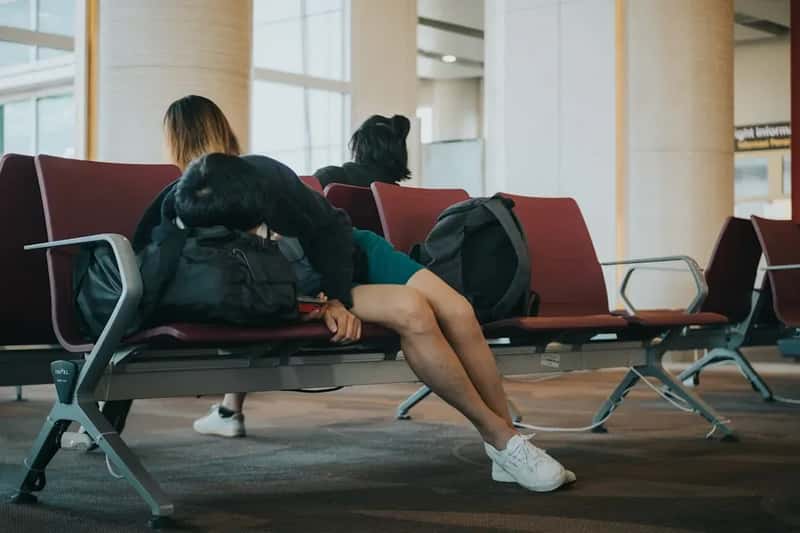
Jet lag occurs when a traveler crosses multiple time zones, disrupting the body’s natural circadian rhythm, which regulates sleep, digestion, body temperature, and hormone cycles. According to the Sleep Foundation, jet lag is a form of circadian misalignment that causes fatigue, poor concentration, digestive issues, and insomnia after long-distance travel. Most people accept this as straightforward tiredness, but the downstream effects go much further than that. The disruption reaches all the way into your intestines. Epidemiological and clinical observations consistently demonstrate that circadian disruptors, such as jet lag and rotating shift work, are strongly associated with microbial dysbiosis, an imbalance in the microbial community.
Disruption of the core clock, as seen in sleep deprivation or jet lag models, frequently leads to increased gut permeability, a pro-inflammatory state, and dysbiosis. In plain terms, jet lag can literally make your gut leaky and inflamed. Persistent jet lag, an obesogenic diet, and clock gene deficiency can affect the composition and metabolism of gut microbiota. Gut microbiota dysbiosis reduces the production of metabolites, including short-chain fatty acids and bile acids. These metabolites play a critical role in immune regulation and gut barrier integrity, so losing them is not a minor inconvenience – it’s a meaningful disruption to systemic health that can explain the bloating, nausea, and digestive distress so many travelers experience after crossing time zones.
The Stress of Travel Itself Suppresses Your Body’s Recovery
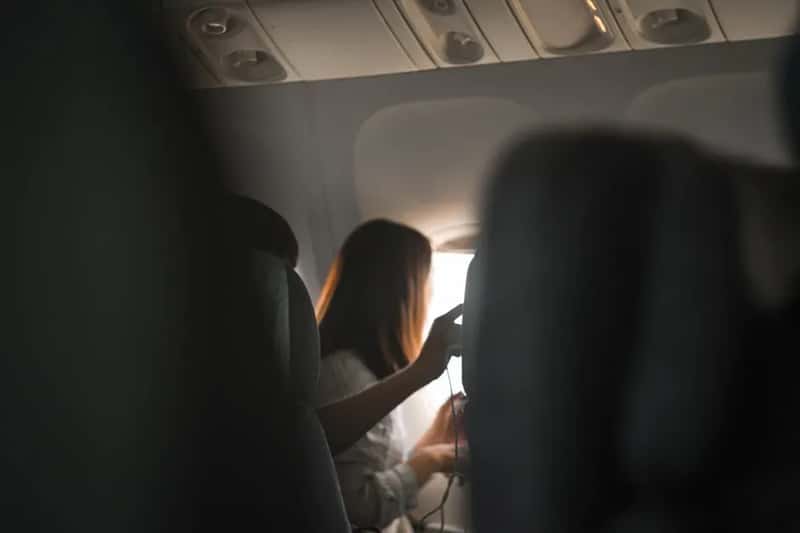
Long flights, disrupted sleep, new foods, and unfamiliar environments can place a strain on your immune system. When daily routines are altered, gut microbiome balance shifts, stress hormones rise, and your body becomes more vulnerable to unwanted pathogens. Travel stress is not just a mental state – it has measurable physiological consequences. The cortisol released during airport delays, time pressure, and hours of immobility in a cramped seat actively suppresses immune function. Sitting too long also affects the digestive system and slows the movement of food on its way through the intestines. Without physical stimulation, the intestines slow down significantly.
There’s also cabin air that can make your throat, nose, and skin feel dry, and air pressure changes that can affect your sinuses. Worst case, flying could become deadly if a blood clot forms in your extremities and moves to your lungs, a life-threatening event called a pulmonary embolism. That is the most severe end of the spectrum, but it illustrates just how seriously sustained immobility in pressurized conditions can affect the circulatory system. A study undertaken by the WHO found that occurrences of deep vein thrombosis were two to three times more likely following a flight of more than four hours in duration. The combination of physiological stress, circadian disruption, and immune suppression explains why so many travelers feel legitimately unwell for days after a flight – and why the recycled air is only a small part of a much bigger picture.