Choosing where to retire is one of the biggest decisions you will ever make. Pick the wrong city and your golden years can quickly turn into a financial and emotional grind. Pick the right one, and life gets genuinely good.
The data is increasingly clear: not all cities are created equal for retirees. To identify the best and worst places for Americans to live during their post-work years, WalletHub compared the retirement-friendliness of 182 U.S. cities across key dimensions including affordability, activities, quality of life, and healthcare. What they found about the cities at the bottom of that list is eye-opening. Let’s dive in.
1. San Bernardino, California – Dead Last, and For Good Reason

Here’s a city that keeps showing up at the absolute bottom of retirement rankings, year after year. San Bernardino, California, came in last place out of 182 cities in WalletHub’s rankings, with the California cities of Stockton, Rancho Cucamonga, and Bakersfield rounding out the bottom four. That is not a one-year fluke. That is a pattern.
Just as Orlando held on to its top overall ranking, so did San Bernardino on the other end of the spectrum. It ranked 174th for healthcare, 171st for quality of life, 157th for activities, and 128th for affordability. There is almost no category in which this city performs well for seniors. Think of it as the retirement equivalent of drawing every bad card in the deck simultaneously.
2. Stockton, California – Bankruptcy Scars That Still Hurt

Stockton has a genuinely troubled financial history, and that history never quite went away. Stockton went through a bankruptcy, which affected public services significantly. Despite these economic issues, housing costs in Stockton remain high, not aligning with the quality of life or services provided. That mismatch alone should give any budget-conscious retiree serious pause.
WalletHub ranked four California cities as the worst cities to retire in, with San Bernardino at the bottom, followed by Stockton. The combination of elevated housing prices and deteriorated services is, honestly, a nightmare scenario for someone living on a fixed income. You pay for a city that can no longer pay for you.
3. Rancho Cucamonga, California – Not What the Name Promises

The name almost sounds pleasant, doesn’t it? The reality for retirees is a different story. Thanks largely to low across-the-board rankings, and particularly being penalized on affordability and healthcare, six California cities landed in WalletHub’s bottom 10, including the bottom four. Rancho Cucamonga is consistently in that group.
Riverside, a neighboring California city, scores poorly in terms of activities for older adults, which can impact the overall retirement experience. The city’s amenities and services for the elderly are not as developed as they could be. Much of the same applies in the broader Inland Empire region, including Rancho Cucamonga. For retirees craving community, recreation, and accessible senior services, California’s inland cities routinely fall short.
4. Bakersfield, California – Heat, Taxes, and Little Else

Bakersfield rounds out the grim California quartet near the very bottom of retirement rankings. The bottom portion of WalletHub’s 2025 ranking featured Bakersfield, California at 180th, followed by Rancho Cucamonga at 181st, Stockton at 182nd… with San Bernardino holding the last spot. Getting ranked this low across all four key retirement categories is a remarkable failure of livability.
California is also among the least tax-friendly states for retirees overall. States like Texas and Florida with no income tax let retirement savings go further, while high-tax cities like Honolulu and Newark eat into money fast. California lands firmly in that expensive camp, with Bakersfield offering none of the coastal lifestyle appeal that might at least soften the financial blow for some retirees.
5. Newark, New Jersey – High Costs, Low Returns
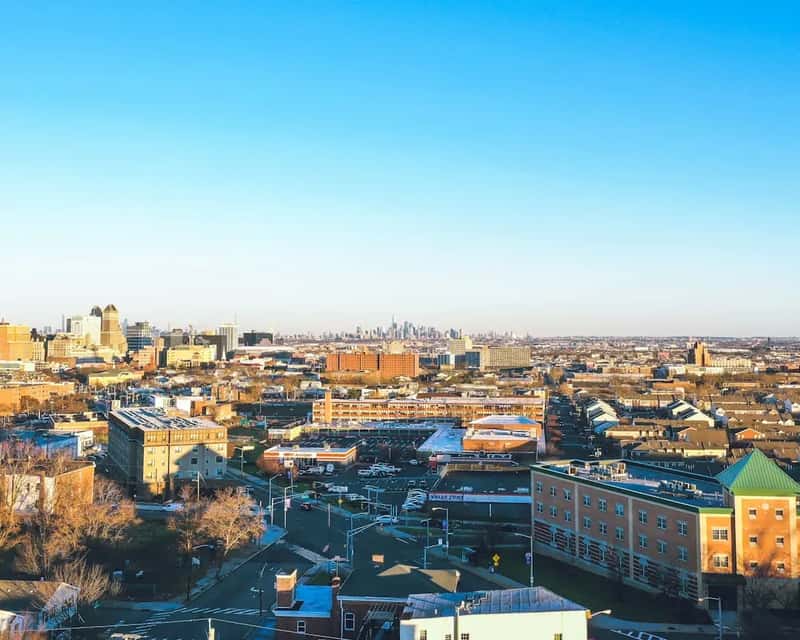
Newark is a city where the numbers simply do not add up for most retirees. The cost of living in Newark, particularly for housing and taxes, is significantly high. This financial strain can be challenging for retirees on fixed incomes. Additionally, the city has limited access to quality healthcare, which is a critical concern for the elderly.
WalletHub ranked Newark, New Jersey, as the next worst retirement city after the California cluster. The proximity to New York City brings the cost without bringing the amenities. I think a lot of retirees assume “near a major metro” means good services and convenience. In Newark’s case, it more often means punishing taxes and limited senior-focused infrastructure.
6. Detroit, Michigan – Safety and Infrastructure Remain a Challenge

Detroit has been a cautionary tale in urban decline for decades now, and its retirement ranking reflects that long story. Once a booming industrial city, Detroit has faced a severe economic decline that affects city services and infrastructure. High crime rates further make the city a risky place for retirees looking for peace and stability in their retirement years.
Detroit, Michigan, has the third-highest murder rate among cities of similar size. It also remained near the top across several violent crime categories, continuing its long struggle with high crime rates rooted in decades of economic decline, population loss, and inadequate resources following the city’s 2013 bankruptcy. For seniors, personal safety is non-negotiable. Detroit, despite genuine revitalization efforts in pockets of the city, still struggles to provide that peace of mind.
7. Memphis, Tennessee – Crime Rates That Define the City
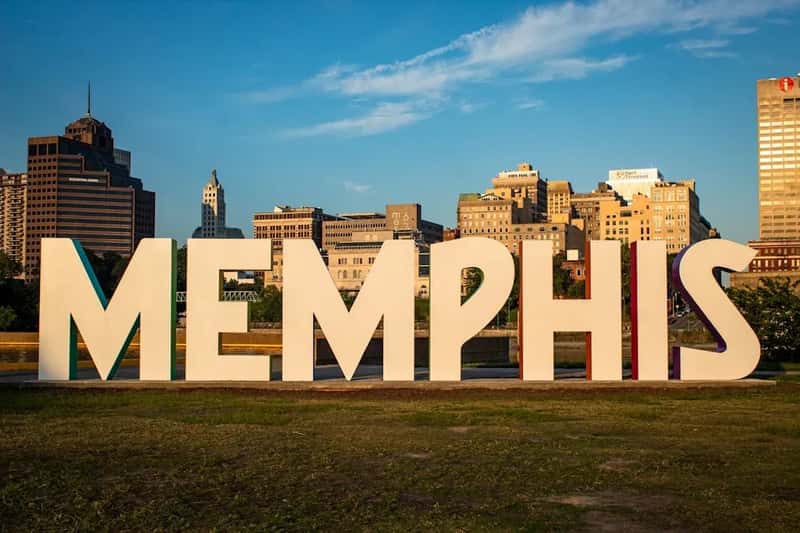
Memphis has beauty, soul music, and a rich cultural history. It also has one of the most alarming crime pictures in the country. Memphis, Tennessee, stands out with a total crime rate more than three times the national figure. For a retiree weighing where to spend their later years, that statistic is nearly impossible to overlook.
Memphis ranked among the top large cities for both violent and property crimes, leading in aggravated assault, larceny-theft, and motor vehicle theft. There are signs of recent improvement, and credit is due for that progress. Still, safety concerns and limited healthcare make Memphis a less favorable option for retirement. The gap between what the city offers culturally and what it offers in terms of senior safety is, honestly, too wide for most retirees to bridge.
8. Baltimore, Maryland – A City Trying to Turn the Corner
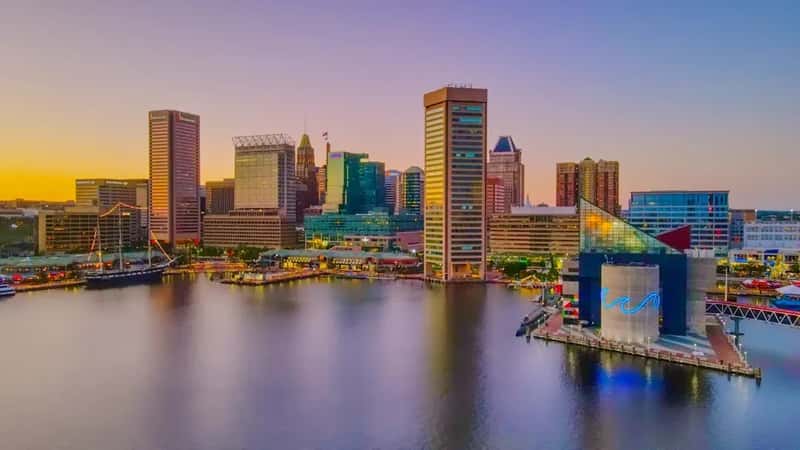
Baltimore is a city of genuine contrasts. Beautiful waterfront neighborhoods sit close to areas with some of the nation’s highest crime rates. Baltimore faces safety issues with high rates of violent crime, which is a major concern for anyone, especially retirees. The cost of living is relatively high, making it a financial challenge for those on fixed retirement incomes.
Baltimore leads the U.S. in murders and robberies per 100,000 residents. It’s hard to say for sure how much that is improving in real-time, but recent data confirms the city still carries the weight of that reputation. Baltimore’s crime challenges stem from decades of economic decline, the opioid crisis, and other systemic issues. A retiree should not have to navigate those systemic failures during what is supposed to be the most peaceful chapter of their life.
9. Chicago, Illinois – Taxes, Crime, and Brutal Winters

Chicago is a world-class city in many ways. The food, the architecture, the cultural scene. Let’s be real though: for retirees on fixed incomes, it punishes in almost every direction. The combination of high taxes and crime rates alongside severe winters makes Chicago less desirable for retirees.
Illinois residents experience frigid winters that make outdoor living a challenge during a large part of the year. Safety in Illinois has improved in recent years, but there are still a troubling number of violent crimes per capita. Despite hosting one of the Midwest’s most renowned cities, the combination of budget issues, crime, climate, and lagging public health make Illinois a difficult state for retirees. Chicago is, in many ways, the most glamorous city on this list. It is also, for most retirees, genuinely impractical.
10. Philadelphia, Pennsylvania – Crime Undermines the Charm

Philadelphia has history, cheesesteaks, and world-class museums. It also has persistent challenges that make it a difficult retirement destination. Philadelphia reports high crime rates, which can deter retirees looking for a safe living environment. The city also struggles with healthcare, having poor hospital rankings that may affect the quality of care available to retirees.
The concern about healthcare quality is especially important given the realities of aging. As people age, medical services and insurance premiums typically rise. Medicare provides a foundation for those 65 and older, but it does not cover everything. Out-of-pocket costs for copayments, deductibles, medical supplies, prescriptions, dental, vision, and potential long-term care can be substantial. In a city where hospital quality lags and crime weighs on daily life, the retirement equation gets very difficult very fast.
11. Seattle, Washington – A Boomtown That Lost Its Way

Seattle used to be the kind of city retirees might not have thought about, but would have been pleasantly surprised by. That window appears to have closed. When it comes to affordability, Seattle ranked 178th out of 182 cities in WalletHub’s retirement index. That is a staggering number for a city that still carries a premium price tag.
Seattle ranked worst in the nation for burglary, continuing a troubling trend. Seattle’s overall property crime rate of 5,007.6 per 100,000 residents is 184.5 percent higher than the national average. For retirees, property crime is not just a financial concern. It is a daily stress that erodes quality of life in ways that are hard to quantify but impossible to ignore. Add the notoriously grey, rainy winters and sky-high housing costs, and Seattle becomes a very tough sell.
12. New York City, New York – Iconic, Expensive, and Exhausting

Nobody doubts that New York City is one of the most extraordinary places on earth. Retiring there is, for most people, another matter entirely. With New York City consistently ranked among the most expensive places to live in the United States, retirement in the Empire State can present serious challenges. Residents will find some of the highest state and local taxes in the country, coupled with outrageous housing costs.
Los Angeles is the worst offender for the income-housing gap nationally, but New York is close behind, with the annual income needed to buy a home surpassing residents’ actual income by a massive margin. City living is a bonus for some, but the fast-paced life may not be desirable for most retirees. Many cities within New York State are plagued with high costs of living, low employment rates, and high crime rates. The city that never sleeps is perhaps the wrong place for people who finally, legitimately, want to rest.
What All 12 Cities Have in Common

Looking across this entire list, a clear pattern emerges. The key factors driving poor retirement scores are affordability, weather, and neighborhood safety, which influenced overall rankings the most in major research studies. Every city on this list fails in at least two of those three critical areas, and most fail in all three.
Analysis from the Health and Retirement Study found that living independently in the community without some assistance is out of reach for most older adults. Nearly half of adults aged 60 and older had household incomes below the Elder Index value for where they lived, meaning their average income was below the standard needed to afford basic needs. Choosing a city that drains rather than stretches a fixed income is not just an inconvenience. It is a genuine threat to financial security in retirement. So do your homework, trust the data, and choose wisely. Your future self will thank you for it.
Which of these cities surprised you the most? Drop your thoughts in the comments.