It sounds bizarre. Almost silly, if you think about it for a second. Why on earth would a seasoned traveler stuff a shoe into a hotel safe alongside their passport and credit cards? Yet, this quietly brilliant hack has taken the travel world by storm, shared widely across social media, and endorsed by flight attendants who spend more nights in hotel rooms than most of us spend at home.
The truth is, this is not really about the shoe. It’s about the psychology of forgetting – and the surprisingly high stakes of what gets left behind. Let’s dive in.
The Viral Origin of the Shoe Hack
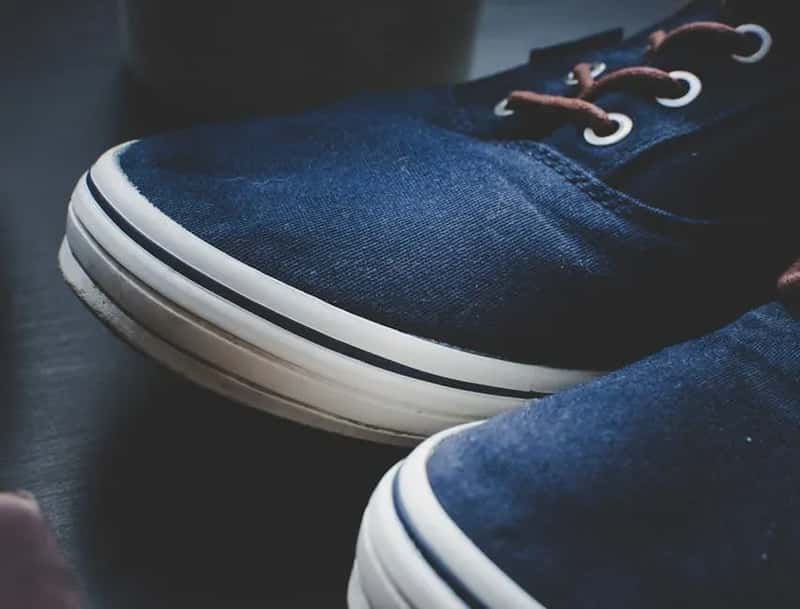
The hack comes straight from flight attendant and TikTok creator Esther Sturrus, whose simple yet brilliant approach ensures travelers won’t forget their most important belongings in the rush of travel. Her video quickly racked up more than 1.1 million views, in which she describes six hotel room hacks using everyday travel items.
Along with working for Dutch airline KLM, Esther has a TikTok account where she shares helpful travel hacks, and she calls the shoe trick a “game-changer.” The core logic is deceptively simple: since your footwear is an essential part of your daily attire, you physically cannot forget it – meaning you also won’t leave anything else in the safe with it.
Why Your Brain Fails You at Hotel Checkout
Nothing ruins a vacation quite like that sinking feeling at airport security when you reach for your passport and find an empty pocket. Travel anxiety often peaks during checkout when you’re juggling luggage, schedules, and countless details. Honestly, it’s one of the most mentally chaotic moments of any trip.
Memory experts note that “prospective memory is really hard, and it gets even harder as we get older or when we are under stress, so if you realize you only have 15 minutes to get to the airport and your driver just canceled, your prefrontal cortex will be shut down, making it very difficult to think about the fact that you are likely to leave something behind.” That’s a fancy way of saying: stress literally breaks your ability to remember things.
The Scale of What Travelers Actually Leave Behind
According to a survey conducted by Motel 6, around 54 percent of travelers admit to leaving items behind at a hotel, with clothing, toiletries, and electronics being the most common items. That is more than half of all guests. Let’s be real – that number is shocking.
Over a third of hotels surveyed say that guests leave behind items in their rooms on at least 25 percent of their stays. According to Hotels.com’s 2024 Hotel Room Innsights Report, based on data from more than 400 hotels across the globe, some of the most unusual items left behind include a Rolex watch, a watch worth $6 million, a Hermes Birkin bag, keys and documents for a luxury car, an engagement ring, stacks of cash, and even a pet lizard.
The Specific Danger: Valuables Forgotten in the Safe

Whenever you leave your hotel room, you probably stash all your valuables in the safe to keep them protected – but the downside is they’re so well-hidden that you might completely forget you put them there when checking out. The safe, ironically, becomes the very reason things go missing.
It’s especially important to check safety lockers, since guests often keep their valuable items there and forget to take them in the rush to catch a flight or train – and the locker stays unattended until housekeeping visits the room for the next check-in. Data also suggests that roughly 7 percent of hotel thefts involve the theft of identity documents such as passports.
The Psychological Genius Behind One Shoe
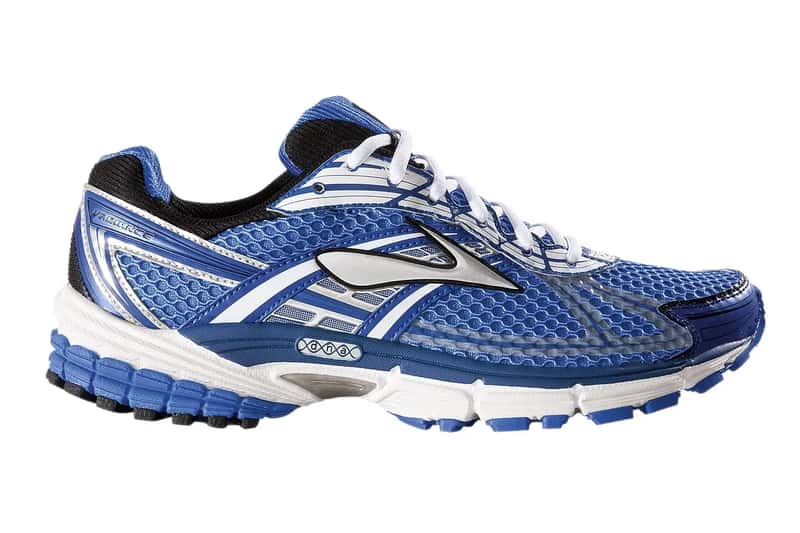
Flight attendants discovered that placing one shoe inside the safe creates an impossible-to-ignore reminder – you literally cannot leave your room with just one shoe on your foot, and your brain automatically notices when something feels off. It works because it creates a physical, unavoidable trigger. Think of it like a string tied around your finger – except you absolutely cannot ignore it.
After just a few trips using this method, you’ll instinctively place your shoe in the safe without thinking about it, as your brain creates a mental checklist that includes checking the safe before departure – and consistency prevents those occasional lapses in memory that happen to even the most organized travelers. Of course, this trick works using any important article of clothing like a coat or a belt – the shoe is just the most foolproof choice.
How Safe Is the Hotel Safe, Anyway?
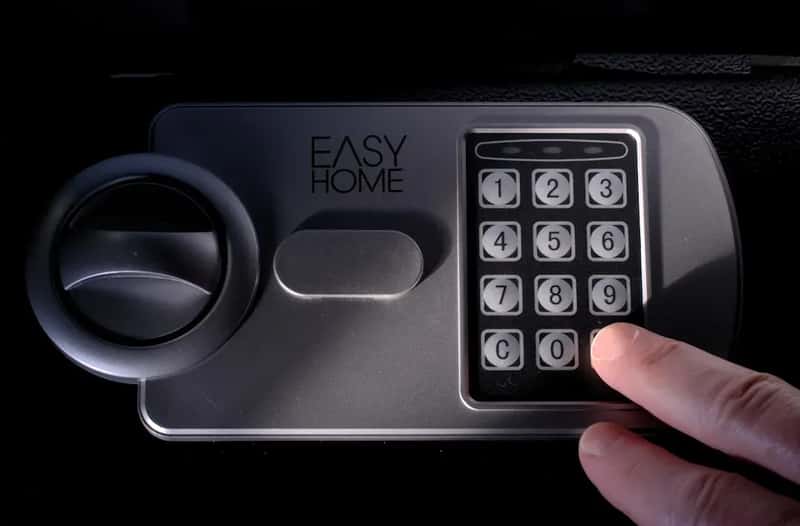
Here’s something the hotel industry would rather you not think too hard about. Hotel room safes are among the least secure storage options available, with vulnerabilities that allow access in seconds using techniques so simple they barely qualify as hacking – and most hotel safes share master codes known to staff, respond to override sequences available online, or can be opened using basic tools requiring no special skills.
Most travellers feel confident after setting their own PIN, but if the safe’s factory override code was never updated, a thief – or anyone with that generic code – could open the safe in under 30 seconds, meaning the safe might open for everyone if a crucial installation step was skipped, leaving your passports, gadgets, and holiday money vulnerable while you’re out enjoying your trip. Hotel safes come from the factory with a very simple universal master code, and researchers found the factory codes for two popular hotel safes in several places on the internet, as well as in the owner manuals that come with the safe.
Insider Theft: The Risk That Rarely Gets Talked About
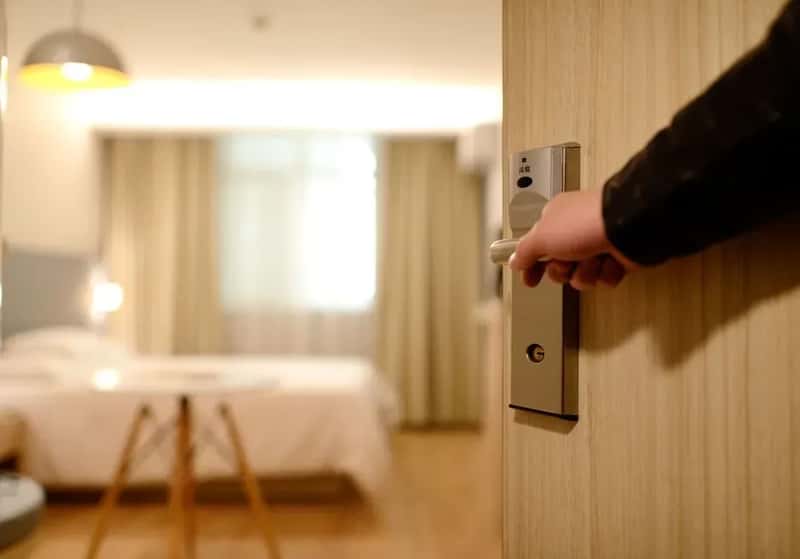
While hotel theft is often assumed to be the work of outside intruders, some experts say that many incidents are inside jobs – with lodging security director Michael Moske estimating that 60 to 70 percent of hotel thefts are committed by staff members. It’s hard to say for sure whether that figure reflects the full picture, but it’s a number that demands attention.
Data also shows that hotel cleaning staff are implicated in roughly 20 percent of reported internal thefts, and around 22 percent of budget motel guests report missing personal belongings. Hotel employees typically have access to safes in the event a guest locks themselves out, and many brands of safe are the subject of YouTube videos detailing how they can be defeated and opened – so while it’s better than leaving valuables out on the table, they still carry some risk.
Smarter Travel: Going Beyond the Shoe
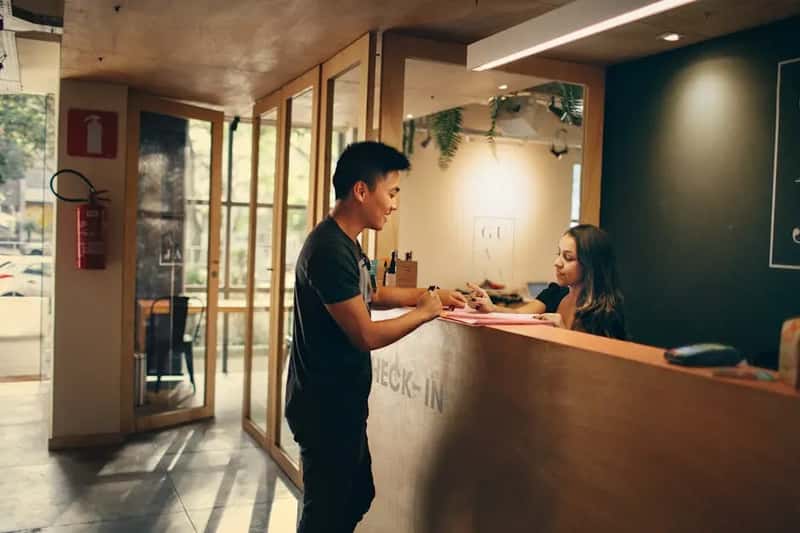
The shoe hack is a starting point, not a complete strategy. Travel expert Patricia Hajifotiou recommends checking the three important B’s before leaving any hotel room: bed, bathroom, and balcony. Pair that with the shoe-in-safe trick and you have a genuinely solid departure routine.
Employees know that many guests set very simple access codes like 1234 or 0000, so the first piece of advice is to make your code a random series of numbers like a birthday or house number that only you would know. If you seek an extra layer of security, one obvious option is to carry your passport and other valuables with you at all times – though, of course, that exposes you to the risk of loss and robbery in other places. There’s no perfect system. What there is, though, is the humble shoe. Simple, free, and impossible to forget.
What would you have guessed was the number one reason travelers lose valuables at checkout? Drop your thoughts in the comments – you might be surprised by how many fellow travelers have had a near-miss of their own.