
Most travelers heading to Central America still funnel straight to Costa Rica, and with good reason. It’s comfortable, well-organized, and feels predictable in the best way. Yet there’s a growing sense among more adventurous visitors that something is shifting just a few borders away, somewhere smaller, less polished, and frankly, far cheaper.
Guatemala has been sitting in plain sight for decades. Volcanoes, Mayan ruins, cobblestone colonial streets, and some of the most striking lake scenery in the Western Hemisphere, all at a fraction of the price of its more famous neighbors. For a long time, it barely registered on the radar of mainstream international tourism. That’s changing fast, and 2025 and 2026 have made that clearer than ever.
The Numbers Don’t Lie: Guatemala’s Arrival on the World Stage
Guatemala closed 2025 with 3.36 million visitors, roughly eleven percent growth year on year, and more than one billion US dollars in tourism revenue, surpassing global trends. Those figures are no accident. In the first half of 2025 alone, the country welcomed over 1.6 million international visitors, an eight percent increase compared to the same period in 2024, while overnight stays rose by seven percent.
Guatemala’s Travel and Tourism GDP is forecast to grow by over six percent in 2026, with international visitor spending projected to rise by more than nine percent, according to the World Travel and Tourism Council. The broader Central and South America region is forecast to grow its tourism GDP at four point one percent in 2026, well ahead of the global average of three point two percent, with international visitor spending projected to increase by nearly eight percent, more than double the global rate. Guatemala is contributing meaningfully to that story.
Antigua Guatemala: A Colonial Gem That Keeps Drawing People Back
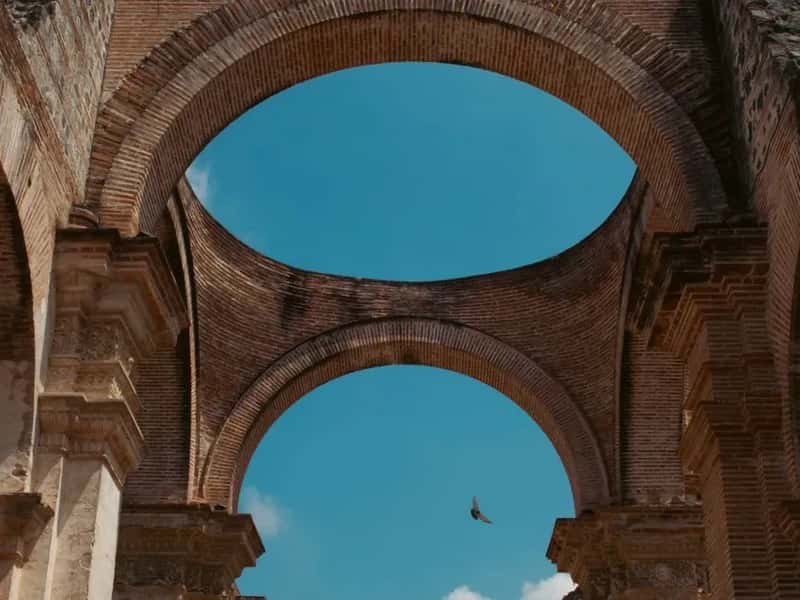
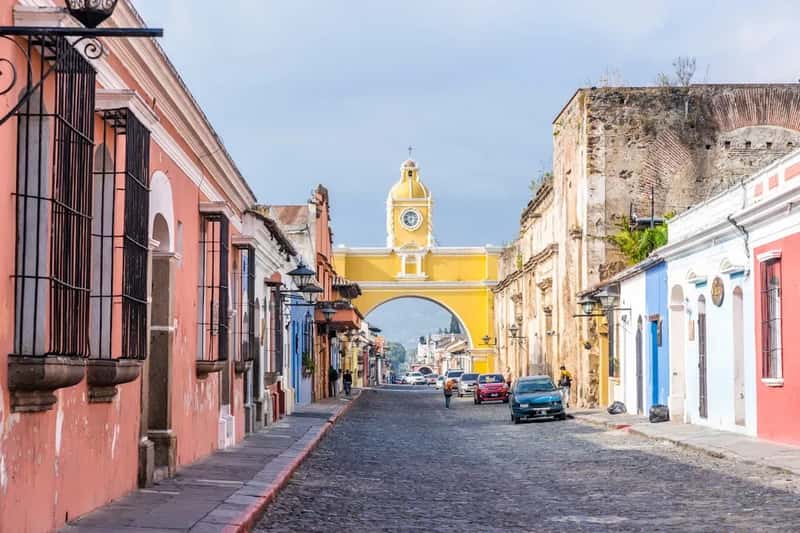
The historic streets of Antigua, a UNESCO World Heritage Site, draw visitors in with well-preserved Spanish colonial architecture, and fascinating cultural attractions and activities. Antigua Guatemala is celebrated for its well-preserved colonial architecture, cobblestone streets, and cultural heritage. It’s one of those places that genuinely earns its reputation without needing to oversell itself.
Antigua continues to draw visitors for its cobblestone streets, colonial churches, and vibrant local culture, alongside a thriving coffee culture and artisan workshops that offer a unique experience. In late 2025, the MICHELIN Guide awarded Guatemala its first-ever MICHELIN Keys, recognizing four hotels for exceptional quality and guest experience, marking a transformative shift in the country’s global reputation.
Lake Atitlán: The Landscape That Stops People in Their Tracks
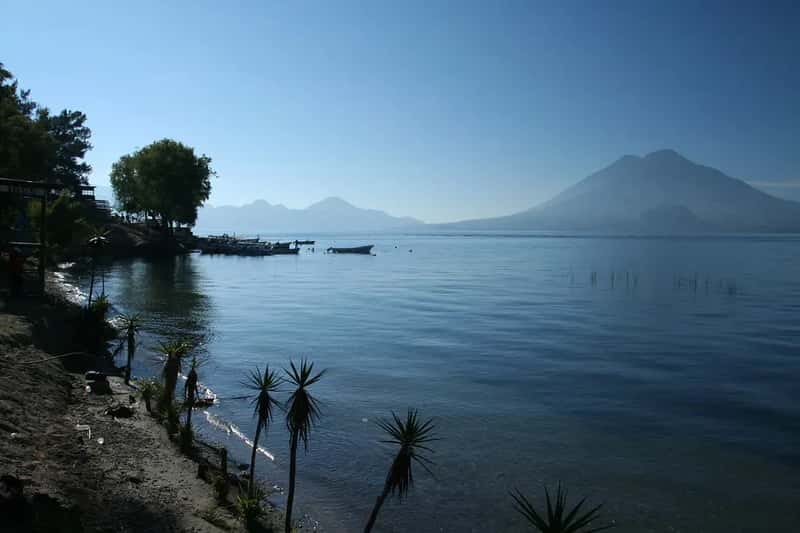
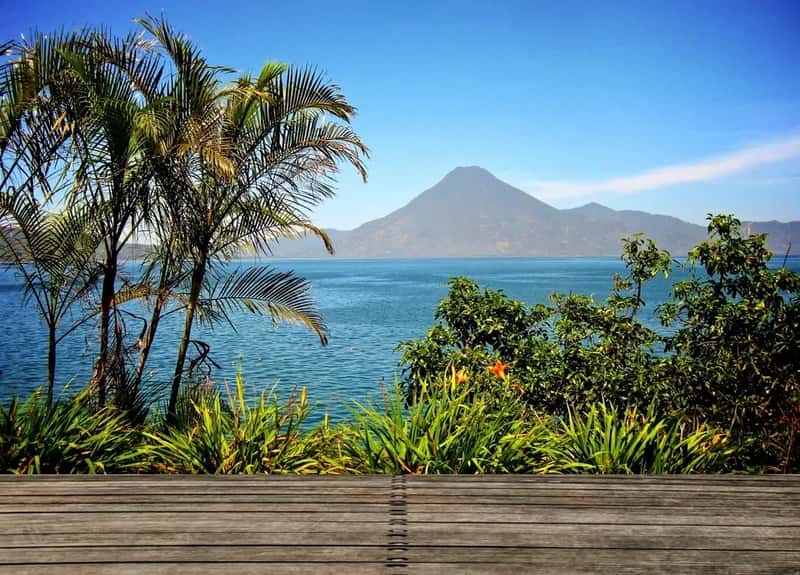
Surrounded by volcanoes and traditional villages, Lake Atitlán is often called the most beautiful lake in the world. That’s a bold claim, but it’s one that travelers who have visited rarely argue with. The lake is framed by volcanoes and picturesque indigenous villages, offering hiking, birdwatching, and opportunities to visit traditional craft markets where local artisans sell textiles, pottery, and handcrafted goods, while the tranquil setting promotes sustainable eco-tourism.
Lake Atitlán community-based tourism initiatives distribute revenue directly to indigenous Kaqchikel, K’iche’, and Tz’utujil Maya communities, with roughly a third of lodge and restaurant revenue flowing into local employment and cultural programming. That’s not just good ethics. It’s also the kind of authentic travel experience that modern visitors are increasingly willing to pay for.
Tikal and the Ancient Mayan World
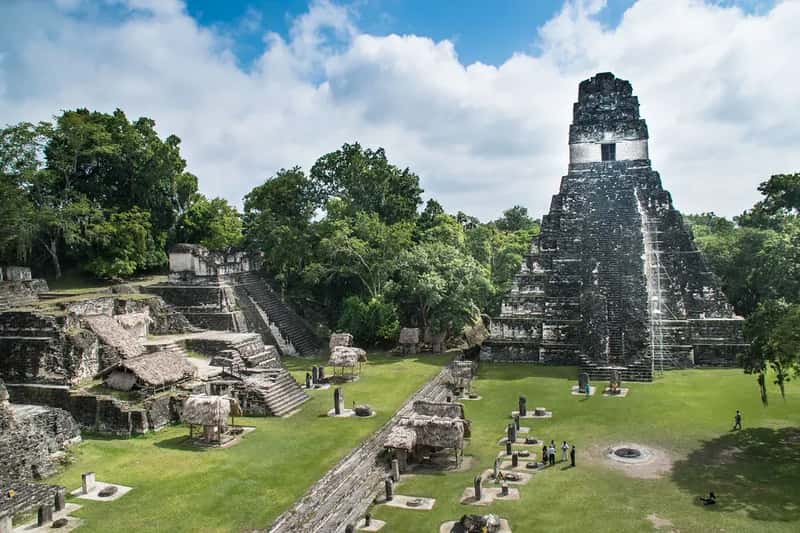
The ancient Mayan city of Tikal offers travelers the chance to explore extensive archaeological remains set within dense jungle. Among the best-known Mayan ruins, Tikal still draws tourists to its towering pyramids and history, nestled in the dense rainforest of Petén, offering a unique experience for anyone who enjoys ancient civilization against a backdrop of greenery.
Rising interest in Guatemala’s hidden gems has also grown, including the atmospheric Ceibal ruins, the turquoise terraces of Semuc Champey, and the dramatic limestone caves of Lanquín. Travelers are no longer just ticking off Tikal and leaving. They’re staying longer, going deeper, and exploring regions that barely registered on tourist maps a decade ago.
A Culinary Scene Finally Getting the Recognition It Deserves

Guatemala’s culinary scene is rising to prominence, with three Guatemala City restaurants now celebrated among the region’s best. From coffee tours to historical churches to colorful markets, visitors can take a journey through the country’s vibrant past, while culinary tourism is also on the rise, as tourists seek out local dishes.
Antigua’s thriving coffee culture and artisan workshops offer a unique experience, with visitors able to tour coffee plantations, sample local brews, or even participate in workshops on traditional crafts like weaving and pottery. Guatemala is, after all, one of the world’s most respected coffee-producing nations, and that agricultural heritage is now becoming a genuine part of the visitor experience.
New Air Routes Are Opening the Door for International Travelers

Improved air connectivity is a critical factor contributing to Guatemala’s tourism growth, with increased access to Guatemala City playing a pivotal role in attracting visitors from both neighboring countries and international markets. JetBlue introduced daily flights between Fort Lauderdale and Guatemala City in 2025, complementing its existing routes from New York. Air Canada also introduced a new non-stop flight from Montreal to Guatemala City in October 2025, allowing Canadian travelers to reach Guatemala directly without stopovers in the United States.
In December 2025, a high-profile round table organized by UN Tourism and Guatemala’s tourism institute brought together representatives from Southwest Airlines, Air Canada, Avianca, Flair Airlines, Viva, Volaris, WestJet, United Airlines, and others to consolidate Guatemala’s positioning as a competitive and accessible destination. That kind of aviation investment signals confidence. Airlines don’t add routes to places they don’t believe in.
El Salvador Next Door: Guatemala’s Surprising Travel Partner
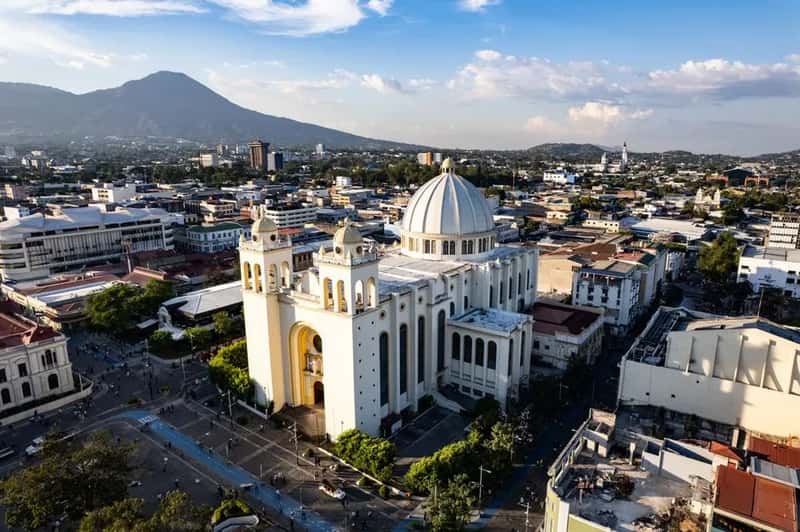
Guatemala doesn’t exist in a vacuum. Its neighbor El Salvador has been undergoing its own remarkable transformation, and the two countries are increasingly part of the same travel conversation. El Salvador welcomed 3.9 million tourists in 2024, a figure that nearly doubled compared to visitor numbers from the period between 2013 and 2016, according to a report from Santander. The tourism surge has been linked to dramatically improved safety conditions and a sharp reduction in homicides, while tourism now contributes roughly eleven percent of El Salvador’s GDP.
Regional tourism research points to a distinctive corridor already operating between Guatemala and El Salvador, with around sixty percent of arrivals to Guatemala now coming from the region, and El Salvador alone representing a substantial portion of total visitors. An Amadeus study found that El Salvador jumped to second place in search volume regionally, while Guatemala City emerged as one of the fastest-growing searched destinations. The two countries are fueling each other’s growth.
The Luxury Pivot: Not Just a Backpacker Destination Anymore
Specialist operator Journey Latin America reported a significant rise in demand for holidays to Central America, with Guatemala emerging as one of 2026’s fastest-growing destinations. Long beloved by backpackers for its affordability and adventure, Guatemala has traditionally flown under the radar for luxury travelers, though that is now rapidly changing. Marriott Bonvoy has announced Ritz-Carlton Reserve, Element, and AC Hotels locations in Guatemala City, Antigua, and Tikal gateway communities, while Hyatt brands are expanding accessible luxury positioning.
Properties like Casa Palopó, a boutique hotel overlooking Lake Atitlán’s volcanic skyline, and Villa Bokéh, an elegant estate near UNESCO-listed Antigua, are fast becoming favorites among design-minded travelers. The 2025 results have also strengthened the starting point for implementing Guatemala’s Sustainable Tourism Master Plan, covering the decade from 2026 through 2036, consolidating tourism as a genuine driver of economic growth.
Why Guatemala Still Feels Like a Discovery
Guatemala remains a budget-friendly destination, with daily travel costs ranging from roughly thirty to eighty US dollars depending on travel style, and tourist areas are generally safe when basic precautions are followed. The rise of low-cost airlines and regional carriers has made it easier to link Guatemala City with neighboring hubs, and travelers are increasingly weighing the possibility of balancing itineraries between higher-priced Costa Rica and the lower-cost alternatives nearby.
Travelers are looking for destinations that blend authenticity, adventure, and depth, and Guatemala delivers this in abundance. As availability tightened in Costa Rica, tour operators placed greater emphasis on alternative Central American destinations, and travelers responded with enthusiasm. The country still has that rare quality of feeling genuinely unfinished as a destination, not underdeveloped, but unhurried. The volcanoes aren’t going anywhere, and neither, it seems, is the momentum building around them.