Healthcare quality varies wildly from one country to the next, and it rarely lines up with wealth alone. Some nations spend a fortune per patient and still leave people waiting months for basic care, while others manage to deliver fast, affordable treatment on a fraction of that budget. Looking at where systems excel and where they struggle reveals a lot about what actually makes medicine work for ordinary people.
1. Taiwan

Taiwan has held the top spot in global healthcare rankings for several years running, and 2025 was no exception. According to the 2025 CEOWORLD Health Care Index, Taiwan once again ranks as the country with the best healthcare in the world, maintaining its top position with an overall score of 78.72. A separate 2026 index from Numbeo backs this up, giving Taiwan the highest score of any country surveyed.
What makes Taiwan stand out is not lavish spending but smart design. Taiwan ranks first overall with an index score of 87 while spending roughly $2.4K per person annually on healthcare. The country runs on a single-payer National Health Insurance model, and its healthcare system operates under a single-payer model through the National Health Insurance program, covering preventive care, primary and specialist consultations, hospitalization, mental healthcare, and a wide range of prescription medications.
2. South Korea

South Korea sits right behind Taiwan in most current rankings, and its reputation for speed and technology is well earned. South Korea scored 77.7 in the 2025 index, placing it second overall. Patients there are used to getting answers quickly rather than sitting on waiting lists for months.
The system runs through a National Health Insurance Service that pools contributions from nearly the entire population. South Korea’s medical system is known for speed, high satisfaction, and advanced technology, funded through the National Health Insurance Service, which ensures that everyone contributes and benefits, and it leads in preventive healthcare with some of the world’s best survival rates for major diseases like heart problems and cancer. The tradeoff, as some guides note, is that patients must carefully understand which services are covered by NHI and which require additional private payment.
3. Australia

Australia rounds out the top three in the CEOWORLD index, and its Medicare system remains a global reference point for blending public coverage with private choice. Australia scored 74.11, remaining in third place. The country pairs universal public coverage with a robust private insurance market, giving residents flexibility that pure single-payer systems sometimes lack.
Life expectancy in Australia remains among the highest in the world, and its hospital network is generally well resourced compared to peer nations. Preventive care and chronic disease management programs have also been credited with keeping long-term health outcomes strong. The system is not without strain, particularly in rural and remote regions, but it consistently ranks near the very top of global comparisons.
4. Singapore

Singapore’s healthcare model is often cited as one of the most efficient in the world, mixing mandatory savings accounts with government subsidies. According to one index, Singapore ranks first for healthcare, followed by Japan in second place and South Korea in third. That kind of top billing shows up repeatedly across different ranking methodologies, even when the exact order shifts.
The city state’s Medisave and MediShield Life programs require citizens to set aside funds for medical expenses while the government caps out-of-pocket costs for major illnesses. This structure keeps overall healthcare spending relatively modest while still delivering strong outcomes in cancer survival, maternal health, and life expectancy. Singapore’s hospitals are also known for attracting medical tourists from across Asia seeking advanced surgical care.
5. Japan

Japan’s healthcare system consistently earns praise for combining universal coverage with cutting edge medical technology. Japan consistently ranks among the best healthcare systems worldwide, with universal insurance coverage combined with healthy lifestyle habits resulting in the highest life expectancy of any major country. That longevity is not an accident; it reflects decades of investment in preventive screening and elderly care.
Every resident is required to carry health insurance, and out-of-pocket costs are capped to prevent financial hardship. Medical advancements, highly skilled professionals, and efficient infrastructure have further enhanced Japan’s healthcare system, which remains at the forefront of medical innovation, incorporating initiatives such as advanced cancer treatments and cutting-edge robotics in surgery. The country does face a demographic challenge, since the strong increase in life expectancy has produced so many elderly people that the pension system is practically unable to cope, forcing the government to keep raising taxes.
6. Switzerland

Switzerland rounds out this list as a system built on mandatory private insurance rather than a single government payer. Switzerland has ranked first in one list of countries with the best healthcare in the world, combining high standards of care with a focus on accessibility and efficiency through a universal coverage model funded by mandatory health insurance. Every resident buys basic coverage from a private insurer, which keeps competition alive while guaranteeing access.
What sets the Swiss system apart is patient choice. Switzerland’s system also places an emphasis on choice for residents, and patients can select their own doctors and hospitals, giving them greater autonomy. The tradeoff is cost. Premiums and out-of-pocket expenses in Switzerland run higher than in most European neighbors, but the quality of care and speed of access consistently justify the price tag for residents.
Syria

Syria currently sits at the very bottom of global healthcare rankings, a direct consequence of over a decade of civil war. Syria ranks last overall with a healthcare index score of 35, reflecting years of war and damaged medical infrastructure. Hospitals that once served entire regions have been reduced to rubble or forced to close for lack of funding.
The scale of the collapse is staggering when broken down by numbers. In Northern Syria, for example, only 1 in 16 public hospitals is now fully functional, and it was widely expected that 68 health facilities across the country would run out of funding in the first half of 2025. Compounding the crisis, cuts to funding from the USA have seen more than 150 health facilities across the country shut down, while an increasing risk of disease due to poor sanitation, unsuitable shelter, lack of access to safe water and overcrowding puts additional strain on an already faltering health system.
Venezuela
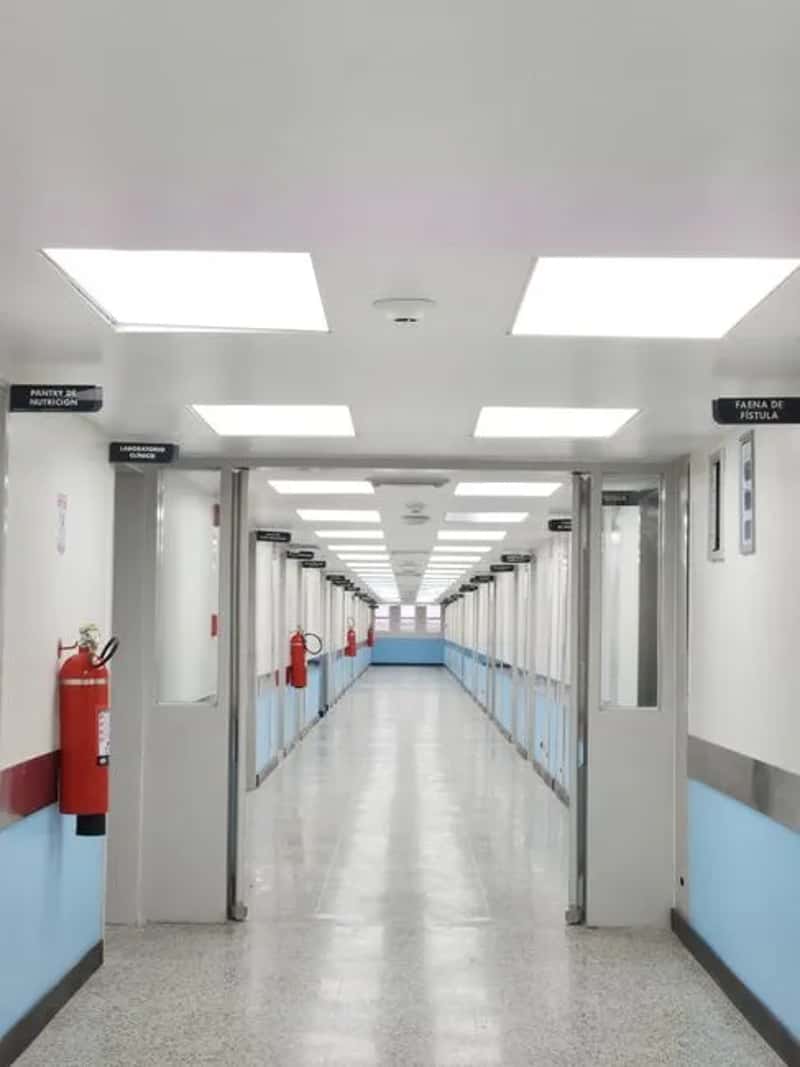
Venezuela’s healthcare crisis has been building for years, tied closely to the broader economic collapse the country has experienced. Venezuela is currently the second-worst country in the world for healthcare on the Numbeo rankings, scoring 39.6. Shortages of medicine, equipment, and trained staff have become routine rather than exceptional.
Many Venezuelan hospitals operate with intermittent electricity and running water, forcing doctors to improvise basic procedures that would be straightforward elsewhere. A large share of the country’s trained physicians have emigrated in search of stable work, leaving remaining facilities short-staffed. The situation has pushed many Venezuelans to seek treatment abroad or rely on informal, unregulated care when formal options fail them.
Bangladesh

Bangladesh ranks third from the bottom on the Numbeo healthcare index, and the numbers behind that ranking are sobering. Bangladesh is the third-worst country for its healthcare system on the Numbeo rankings, scoring a 41.7. The core problem is simple arithmetic: too many patients and not nearly enough medical staff to see them.
Recent data paints a stark picture of that imbalance. Bangladesh has only 0.83 doctors per 1,000 people, with around 90,000 practicing physicians, while nursing shortages are even more severe, with only 56,734 nurses employed against a need of 310,500, just 28% of the requirement. Funding hasn’t kept pace either, since the Health Sector Reform Commission has recommended allocating at least 15% of the national budget to health, but only 5.3% was allocated in the 2025–26 fiscal year. The consequences are visible in patient care itself, where on average, a doctor in Bangladesh spends just 48 seconds with a patient.
Iraq
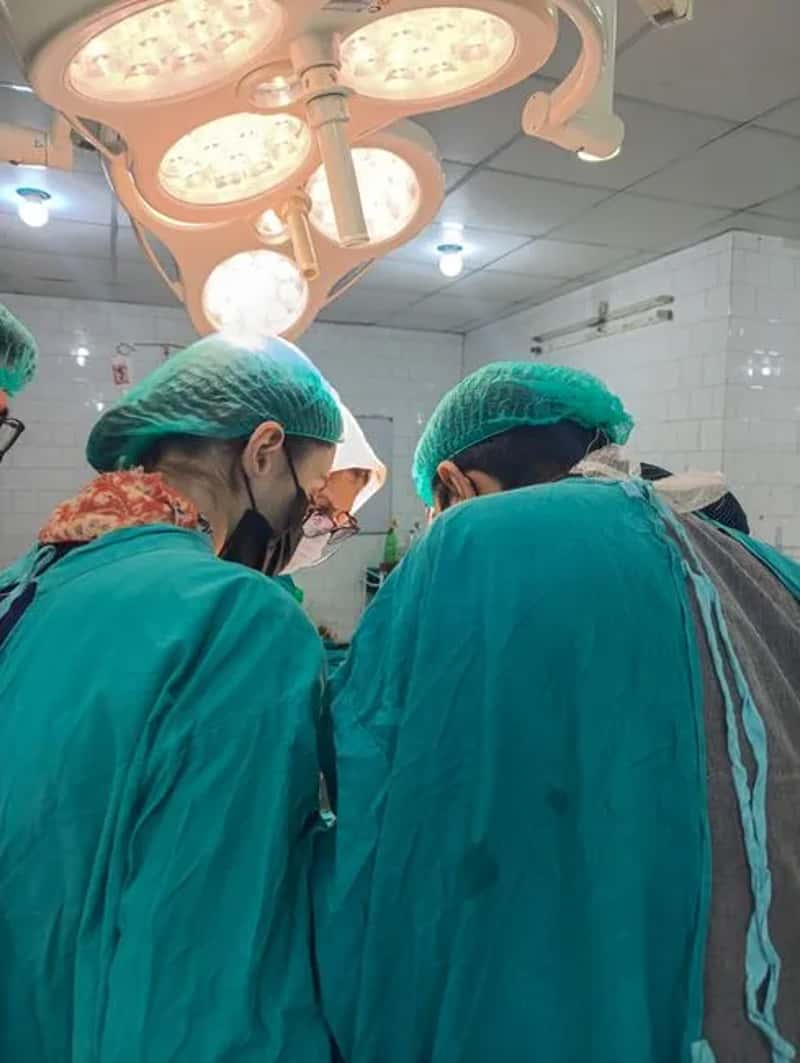
Iraq’s healthcare system continues to struggle under the weight of decades of conflict, underinvestment, and workforce shortages. Analysis has found that Iraq has a severe shortage of healthcare professionals, with only 10 healthcare workers per 10,000 people, significantly lower than the WHO recommendation of 25 per 10,000. That gap leaves hospitals stretched thin, especially outside major cities.
Financial strain adds another layer to the crisis, since patients often carry the burden themselves. Out-of-pocket healthcare costs account for 48 to 81% of total health expenditure, and only 12% of Iraqis are covered by private health insurance, leaving the majority vulnerable to financial hardship. Rural regions bear the brunt of these shortfalls, as rural regions are disproportionately affected, with fewer facilities and healthcare staff. The Kurdistan Region has fared somewhat better than the rest of the country, but even there, resources remain limited relative to demand.
The gap between the countries at the top of these rankings and those at the bottom is not just about money. Taiwan spends a fraction of what the United States does per patient and still outperforms it on most measures, while Syria, Venezuela, Bangladesh, and Iraq show what happens when conflict, instability, and chronic underfunding collide with a growing population’s basic medical needs. The lesson from both ends of the spectrum seems to be the same: how a system is built and funded matters just as much as how much is spent on it.