Coffee has always had its household names. Brazil, Colombia, Ethiopia, and Costa Rica dominate the conversation whenever someone talks about origin, terroir, or that perfect cup of pour-over. Yet beneath these familiar names, a quieter revolution is brewing in places most coffee drinkers have never thought to look. From war-scarred mountain villages to volcanic Chinese provinces, a handful of overlooked coffee cultures are rewriting the rules of specialty coffee, one harvest at a time.
These are not manufactured trends or marketing gimmicks. They are real shifts in production, pricing, and global demand, backed by export data and buyer behavior that specialty roasters are watching closely. Here are seven coffee cultures that deserve far more attention than they currently get, and that are already quietly reshaping how the world drinks coffee.
1. Yemen’s Qahwa Renaissance
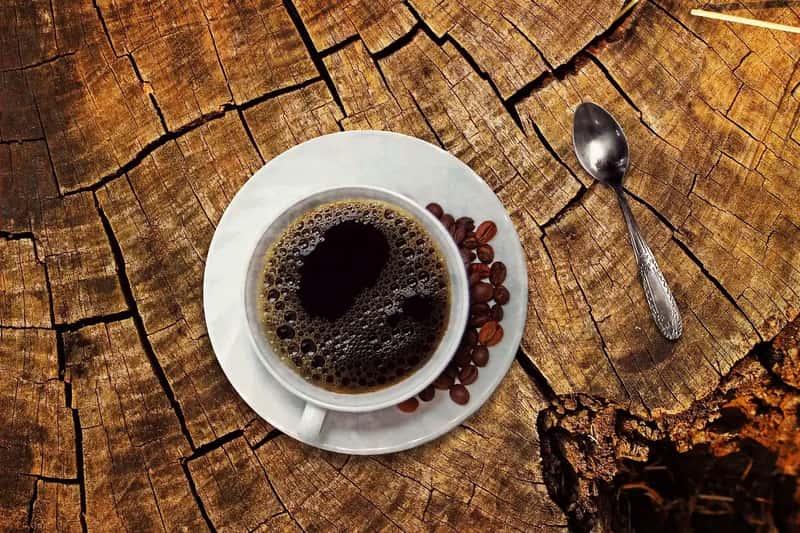
Yemen gave the world the word “mocha,” yet for decades its coffee sector sat in the shadow of conflict and neglect. That is changing fast. Coffee-growing regions in Yemen’s western and central highlands benefit from high altitudes ranging from 1,000 to 2,500 meters above sea level, ample rainfall, and fertile, well-drained soils ideal for Arabica. Most of this coffee still comes from tiny family farms, since the vast majority of Yemeni coffee is grown by small-scale farmers cultivating plots averaging just one to two hectares.
What makes Yemen’s story remarkable is how specialty buyers have responded. Specialty grade Yemeni green coffee typically sells for thirty to eighty dollars per kilogram, roughly eight to fifteen times the standard commodity price. Rare lots go even further, with a 2025 record of 1,878 dollars per kilogram paid for a natural Yemenia lot grown in Sana’a. That demand has spilled into diaspora cafe culture too, since Qahwah House, founded in 2017 in the US, now operates 23 locations from Texas to New York.
2. Yunnan, China’s Silent Coffee Giant
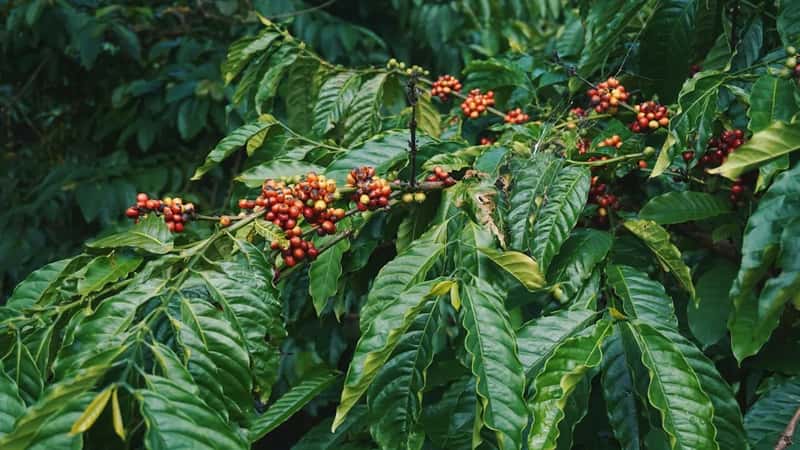
Few coffee drinkers realize China grows its own beans, let alone that it’s becoming a serious specialty exporter. Almost all of that production is concentrated in one province, since Yunnan accounts for about 98 percent of national coffee production. By late 2024, Yunnan’s coffee plantations covered over 1.26 million mu, or roughly 84,000 hectares, with production exceeding 140,000 tonnes, exported to 29 countries and regions. The quality shift has been just as dramatic, with the specialty coffee ratio in Yunnan rising from 8 percent in 2021 to 31.6 percent by the end of 2024, while deep processing surged from 20 percent to 80 percent.
Export numbers tell an even bigger story. In 2024, Yunnan exported 32,500 tonnes of coffee, a year-on-year increase of 358 percent. That momentum has continued, since coffee exports from Yunnan surged 122 percent in the first quarter of 2025 to 310 million yuan, or roughly 43 million dollars. Even China’s biggest coffee chain has taken notice, having established a green coffee bean processing plant in Baoshan in early 2024.
3. Rwanda’s Thousand Hills Comeback

Rwanda’s coffee sector just posted numbers that would make far larger producers jealous. In 2025, Rwanda exported 23,860 tons of green coffee, up 39 percent year-on-year, while export revenues surged 65 percent to more than 148.6 million dollars. That marks a huge leap from just a year earlier, since 2024 saw the country export 17,142 tonnes valued at more than 89.8 million dollars. Farmers themselves have felt the benefit directly, as NAEB states farmers earned an average of Rwf900, about 62 cents, per kilogram of coffee cherries in 2025, above the baseline farm gate price.
Rwanda isn’t stopping there. Officials credit emerging markets like the Middle East as key drivers for 2025’s huge increase in exports, along with strengthening niche specialty markets in Europe and North America. The average price per kilogram has climbed too, since the average export price of Rwandan coffee rose by 19 percent to 6.2 dollars per kilogramme in 2025 compared to 2024. With around 400,000 smallholder households depending on this crop, Rwanda is quietly proving that small East African nations can command real leverage in the specialty market.
4. Vietnam’s Fine Robusta Movement
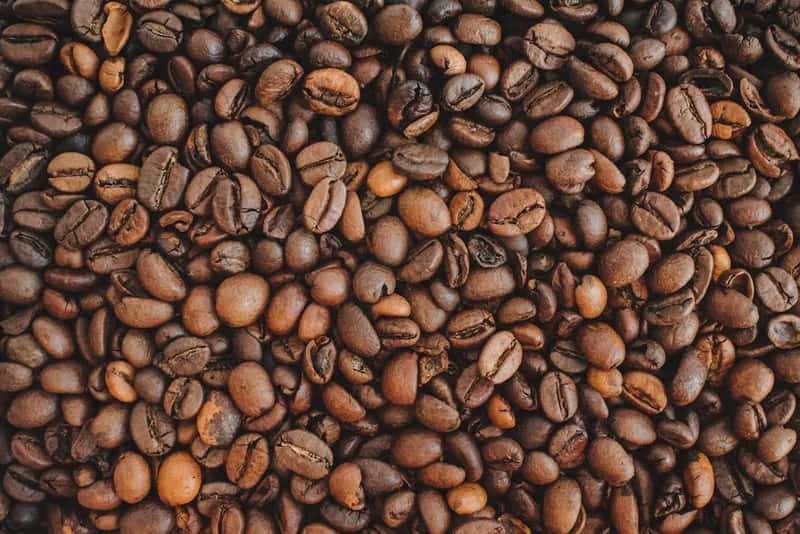
Vietnam has long been dismissed as a robusta country good only for instant coffee and cheap blends. That reputation is being dismantled. Vietnam produces approximately 30 million bags of Robusta annually, making it the largest producer in the world, yet historically up to 95 percent of this output has been exported as green coffee, limiting value capture at origin. Producers are now flipping that script through what’s called Fine Robusta, a category built on selective harvesting, controlled fermentation, and improved processing methods that result in a more refined and expressive cup profile.
International recognition is following quickly. At the Global Coffee Awards 2025 Origin Edition, held in Houston, Every Half Coffee Roasters was named Gold in Filter Coffee, Robusta Category, for its Fine Robusta from Cu M’gar, Dak Lak. This shift lines up with a much bigger global pattern, since the market for robusta has seen astonishing growth in the last few decades, rising from 25 percent to 40 percent of global demand in the last 30 years, according to World Coffee Research. Vietnam is positioning itself to capture that growth at the premium end rather than the bargain bin.
5. Papua New Guinea’s Highland Growers

Tucked into the volcanic highlands of the South Pacific, Papua New Guinea remains one of coffee’s best-kept secrets despite decades of quiet quality. The country’s coffee production has stayed relatively stable over the past decade, averaging around 1 million 60-kilogram bags annually. Growing conditions favor small producers, since the primary coffee-growing regions are the highlands provinces, particularly Eastern Highlands, Simbu, and Western Highlands, known for unique microclimates. Many farms still rely on traditional methods, and coffee farmers use hand-pulping and sun-drying, which works in their favour as the coffee develops a unique flavour profile.
Recent numbers show the sector gaining real momentum. In 2023, Papua New Guinea exported 963,074 sixty-kilogram bags of green coffee, earning K803.4 million, and by 2025 Papua New Guinea exported approximately K1.3 billion worth of coffee. The government is betting big on continued growth too, with officials aiming for more than three million bags annually and over K10 billion in export revenue under the National Agriculture Sector Plan. High global arabica prices have only sweetened the incentive, encouraging Highland farmers to replant and modernize.
6. The Democratic Republic of Congo’s Kivu Region

Around the shores of Lake Kivu, in the shadow of active volcanoes, coffee farming has survived decades of conflict, displacement, and broken infrastructure. The region’s volcanic soil and high elevation give its washed arabica a bright, fruit-forward character that specialty buyers have started to seek out deliberately rather than by accident. Cooperatives rebuilt with support from international development groups and direct-trade roasters have slowly restored quality control and traceability that had all but vanished during the region’s darkest years.
What makes Kivu coffee compelling isn’t just the cup profile, it’s the resilience behind it. Farming families here often work small plots passed down through generations, harvesting cherries by hand on steep hillsides with little mechanical support. As peace efforts stabilize parts of eastern Congo and specialty roasters continue building direct relationships with local washing stations, this origin is positioned to become one of Africa’s more talked-about comeback stories in the years ahead.
7. Bolivia’s Yungas Valleys

High in the eastern slopes of the Bolivian Andes, the Yungas valleys produce some of the least recognized great coffee on earth. Farms here often sit above 1,500 meters, where cool temperatures slow cherry maturation and concentrate sugars, producing a delicate, tea-like sweetness that’s distinct from neighboring Peru or Colombia. Much of the crop still comes from heirloom Typica trees, a variety many larger producing countries abandoned decades ago in favor of higher-yield hybrids.
Bolivia’s coffee sector remains tiny by global standards, which is precisely what makes it interesting to specialty buyers hunting for something genuinely rare. Limited road access and small farm sizes keep volumes low, but they also protect a slower, more traditional style of cultivation that larger industrial producers simply can’t replicate. As roasters chase authenticity and traceability, Bolivia’s quiet valleys are increasingly finding their way into single-origin lineups worldwide.
What ties these seven origins together isn’t geography or climate, it’s timing. Each one sits at the intersection of rising global coffee prices, a specialty market hungry for new stories, and producers willing to invest in quality rather than volume. Some, like Yemen and the Democratic Republic of Congo, are rebuilding coffee cultures interrupted by conflict. Others, like Yunnan and Vietnam, are proving that industrial-scale producers can pivot toward premium quality without abandoning their roots. Rwanda and Papua New Guinea show what happens when smallholder farmers gain real market access, while Bolivia reminds us that some of the best coffee in the world still comes from places too small to make headlines.
None of these markets will dethrone Brazil or Colombia anytime soon. Still, that was never really the point. The next great cup of coffee might not come from where you expect, and that’s exactly what makes this moment in coffee history worth paying attention to.