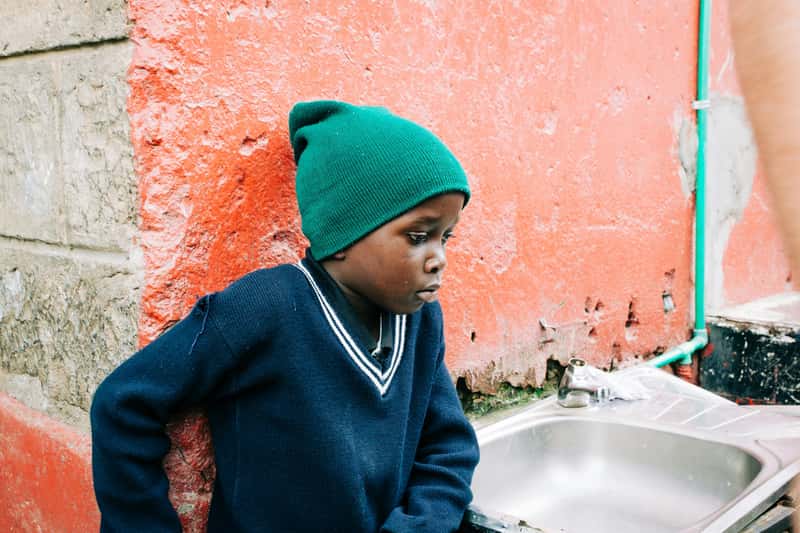
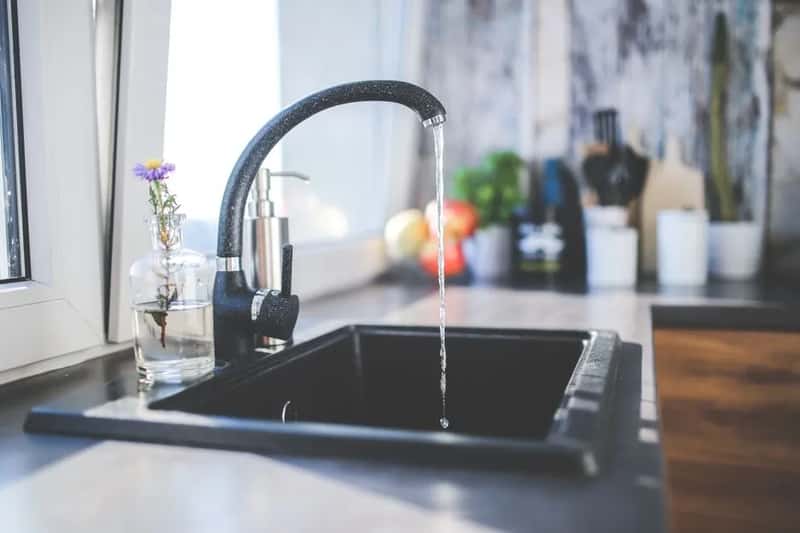
Turn on a faucet in Zurich and something else in Nairobi, and you’re not just getting two different glasses of water. You’re getting two entirely different relationships with infrastructure, geography, and public health investment that took decades to build. Some nations pour clean, safe water from nearly every tap in the country, while others still ask residents to boil, filter, or simply avoid what comes out of the pipe altogether.
Switzerland
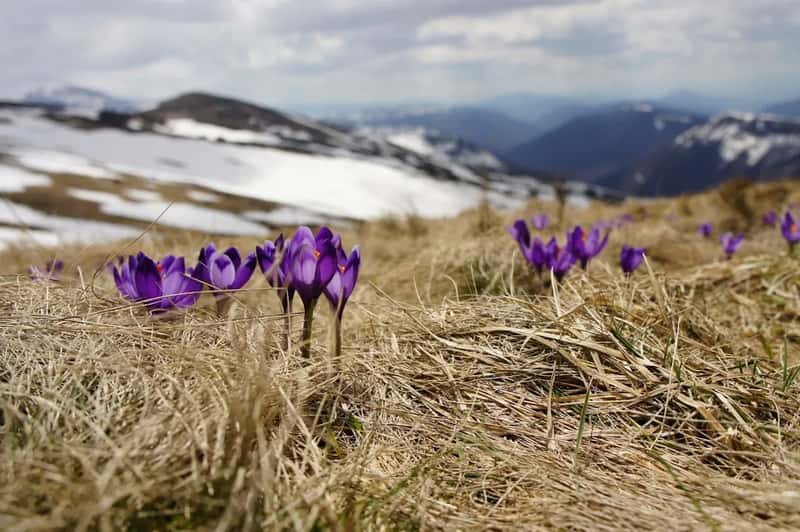
Switzerland benefits from an abundant supply of natural water sources, including pristine rivers and snow-capped mountains, and Swiss water authorities employ advanced purification techniques while the government enforces strict regulations to maintain water purity standards. Much of the country’s supply comes straight from alpine springs, meaning it often reaches taps with minimal treatment needed in the first place.
What sets Switzerland apart isn’t just the source but the consistency. Regulatory oversight applies uniformly across cantons, so a glass of tap water in a small mountain village tends to meet the same standard as one in Geneva or Zurich.
Iceland
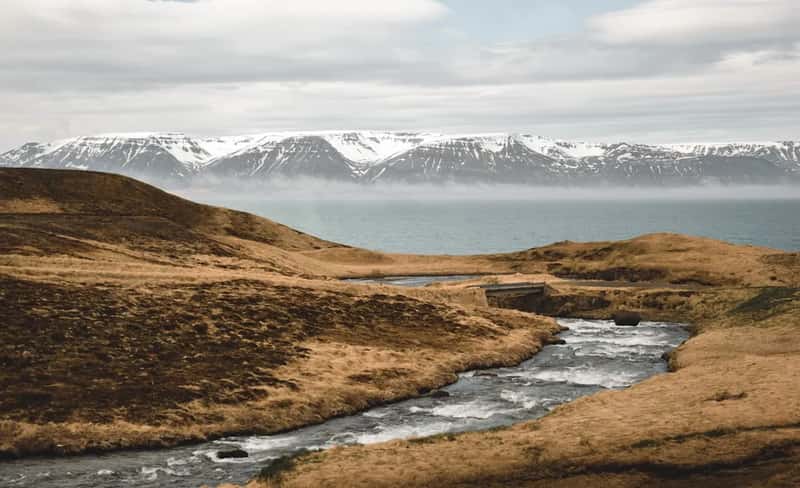
Pristine natural resources, including glacial melt, make Iceland’s tap water exceptionally pure and contaminant-free. Much of the population draws from underground sources that have been filtered naturally through volcanic rock long before any treatment plant gets involved.
There’s little industrial contamination to worry about given the country’s small population and limited heavy manufacturing. Icelanders rarely bother with bottled water at home, and visitors are generally encouraged to drink straight from the tap without hesitation.
Finland
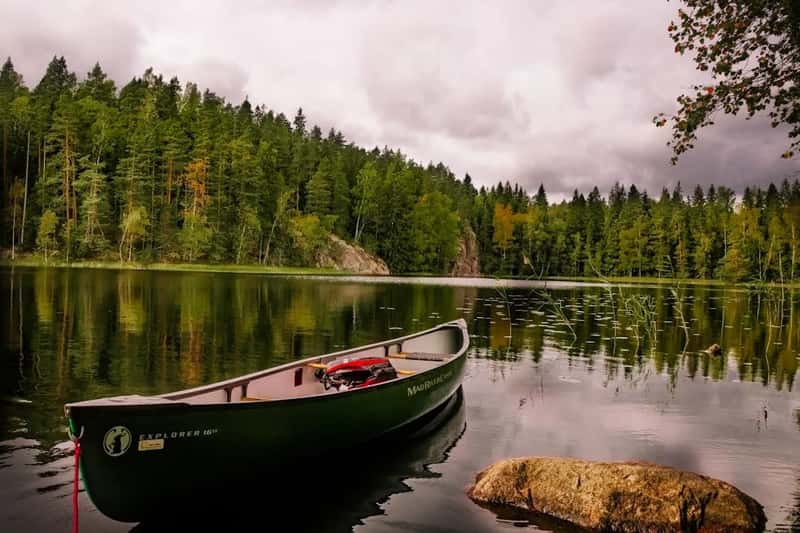
Much of Finland’s water is sourced from underground granite rocks and its 187 thousand lakes, and as groundwater collects in the rocks and is naturally filtered by sand and stone, very little contaminants make it into tap water. This geological luck, combined with strict enforcement, keeps the supply remarkably clean.
Tap water in Finland is reportedly delicious, and bottled water isn’t a huge market there because tap water is often tastier. That local preference says something about confidence in the system that few countries can claim.
Denmark
Approximately 90 percent of Danish drinking water comes from groundwater, sourced in a way that it is naturally filtered through different substances before it’s accessed, and rigorous testing along with high environmental standards means Denmark ranks high when it comes to clean tap water. The reliance on groundwater rather than surface water reduces exposure to runoff and industrial pollutants.
Danish utilities also skip heavy chemical treatment in many areas precisely because the source water arrives so clean already. It’s a quieter kind of success story, built less on flashy technology and more on protecting what nature already provided.
Germany
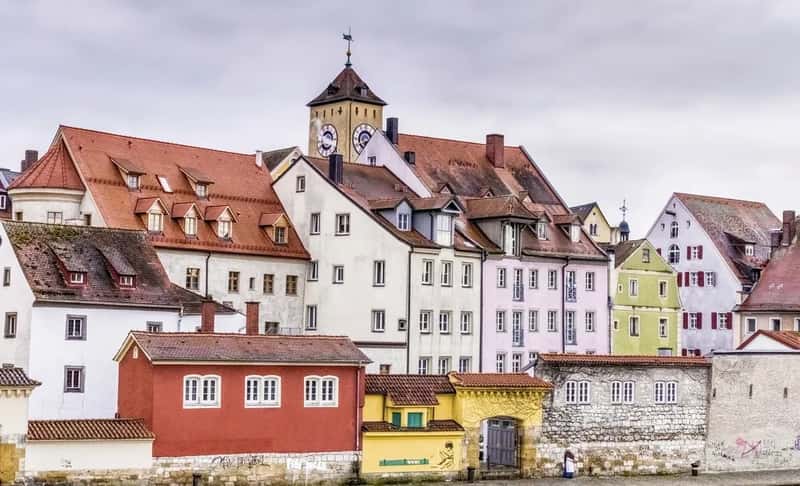
Germany’s tap water is sourced primarily from groundwater and natural springs, and with rigorous testing and state-of-the-art purification systems, it consistently ranks as some of the cleanest tap water in the world. The country treats drinking water regulation as a serious public health function rather than an afterthought.
Germany is among seven countries that earn a perfect score of 100 for tap water safety in recent global assessments. That places it firmly alongside its European neighbors at the very top of international rankings.
Singapore
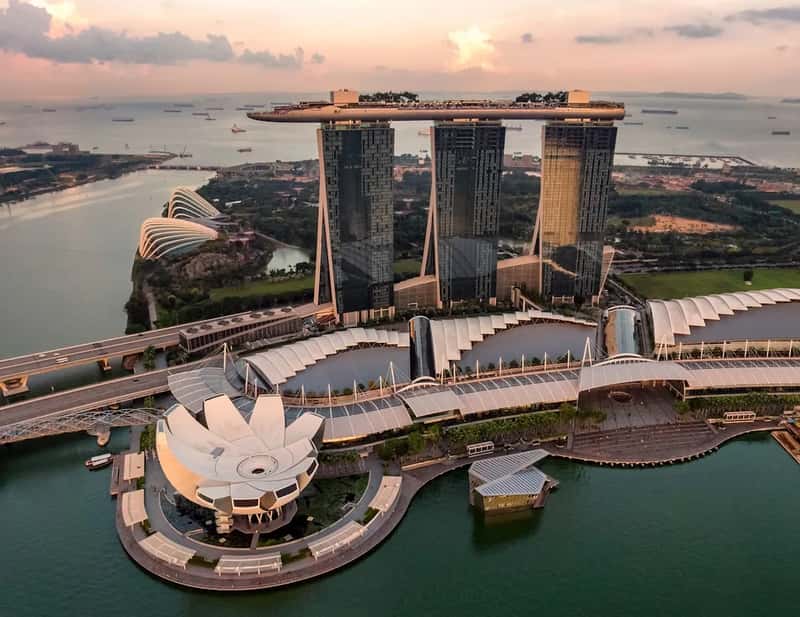
Singapore stands out for a different reason than countries blessed with abundant natural freshwater, having invested heavily in water technology through a combination of reservoir collection, desalination, and advanced recycled water treatment known as NEWater, producing extremely high-quality drinking water that demonstrates how technology can help deliver the cleanest water even in water-scarce regions. It’s a compelling case study in engineering a solution rather than relying on geography.
Given the city-state’s limited land and lack of natural aquifers, this level of investment wasn’t optional so much as necessary for survival. The result is drinking water that meets or exceeds the standards of countries with far more natural advantages.
Norway
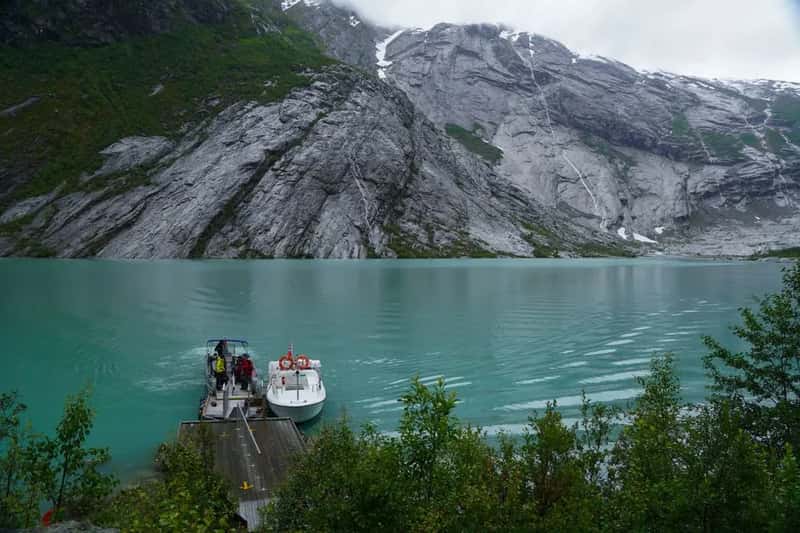
Norwegians benefit from an abundance of clean, fresh water from lakes and rivers, and the tap water is treated to meet stringent safety standards, ensuring a refreshing drink. Norway’s low population density relative to its water resources also means less pressure on any single source.
The country’s mountainous terrain naturally filters much of the runoff before it ever reaches a treatment facility. Combined with strict environmental protections, this gives Norwegian tap water a reputation that rivals its Nordic neighbors.
Canada
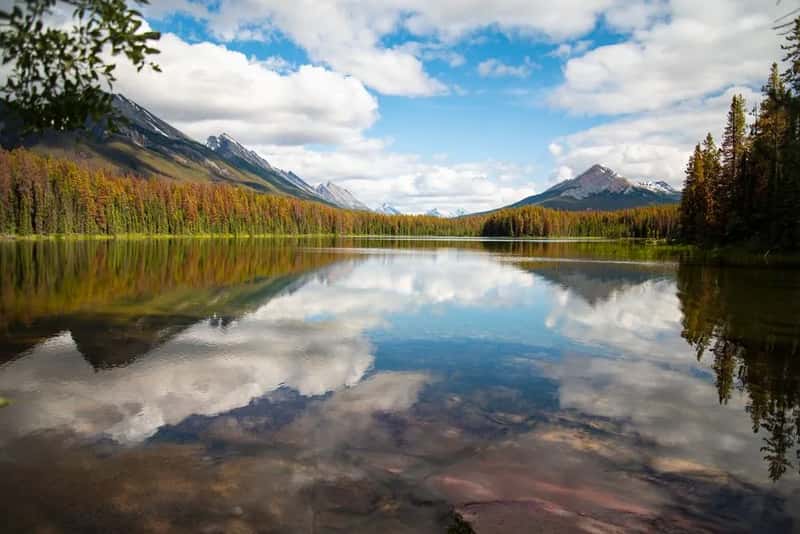
Home to over 20 percent of the world’s freshwater reserves, Canada is another leader in water quality, with Canadians benefiting from advanced filtration systems and strict water safety standards that ensure access to clean tap water. Few countries have as much raw freshwater to work with in the first place.
That abundance doesn’t guarantee perfection everywhere, since remote and Indigenous communities have at times faced boil-water advisories that stand in contrast to the national picture. Still, in major cities and most provinces, tap water quality remains consistently high by global standards.
India
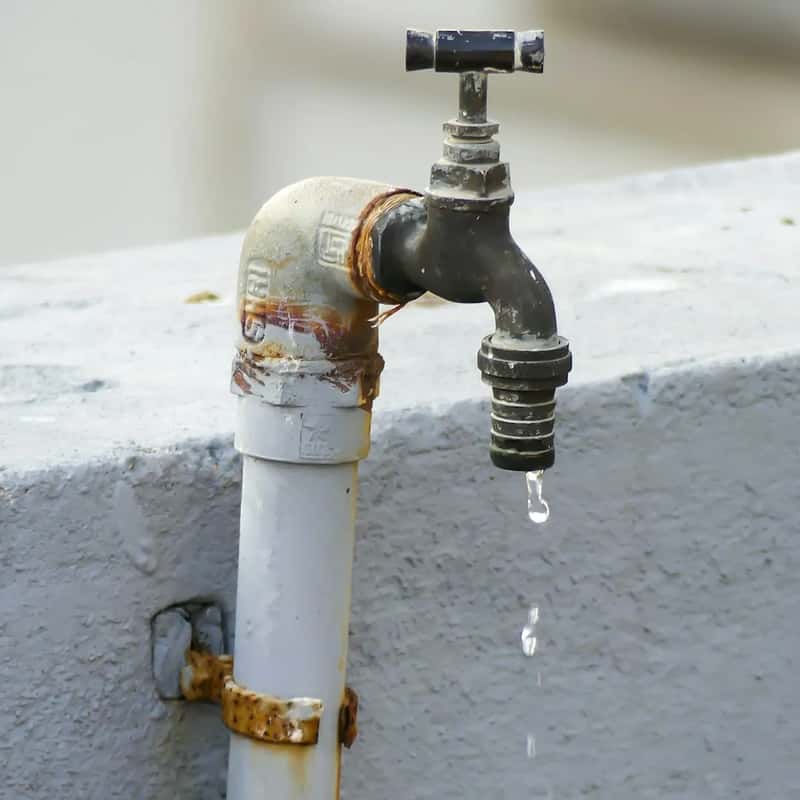
India is generally considered one of the countries with unsafe tap water, and a recent survey revealed that only 2 percent of Indians get potable tap water while 65 percent use a filtration system, with around 37.7 million people annually affected by water-borne diseases in the country. Aging infrastructure, inconsistent treatment, and contamination from industrial and agricultural runoff all contribute to the problem.
In July 2021, Puri in Odisha became the first city in India to have safe tap water, which underscores just how rare that achievement remains nationwide. Most residents and virtually all visitors are advised to rely on filtered or bottled water instead.
Mexico
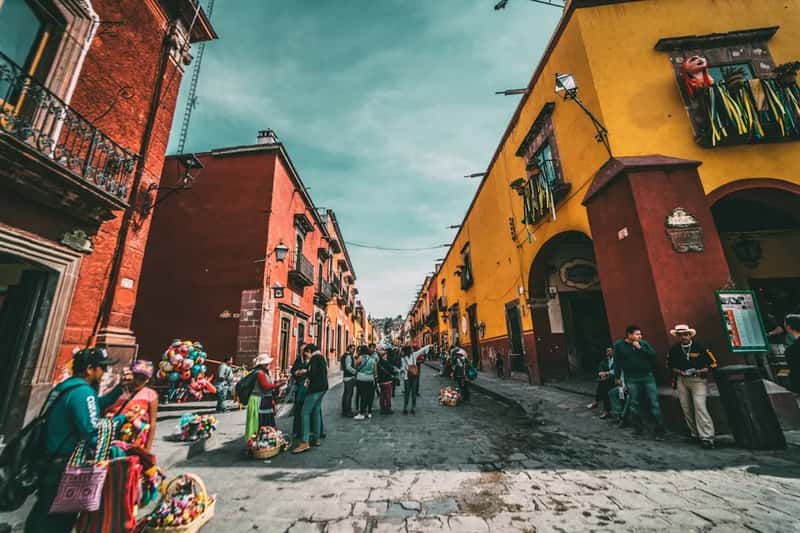
Mexicans themselves largely avoid tap water, making the country the top per-capita consumer of bottled water with roughly 8 in 10 Mexicans drinking from bottles, while the country also faces a major water crisis as reservoirs dry up. That statistic alone speaks volumes about how little trust locals place in their own municipal supply.
Mexico is one popular tourist destination that causes concern, since drinking water there is a common cause of traveler’s diarrhea, and sticking to sealed bottled water instead is generally recommended. Treatment infrastructure varies enormously between regions, and water that leaves a treatment plant clean can still pick up contamination on its way through aging pipes.
Indonesia
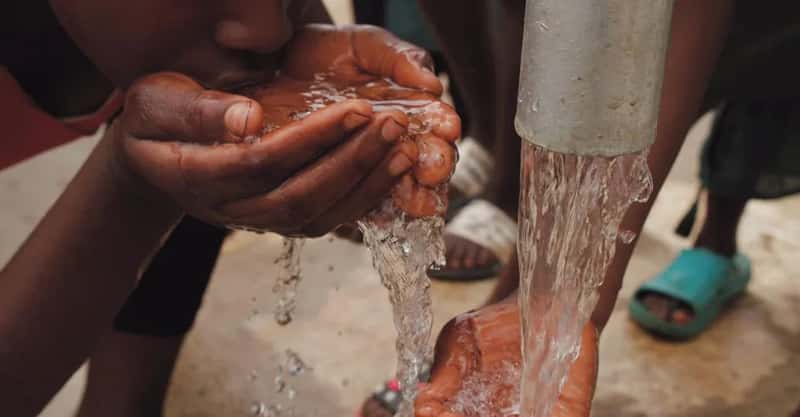
According to a UNICEF study, around 70 percent of household drinking sources are contaminated by fecal waste in Indonesia, making it one of the countries where you can’t drink water directly from the tap. That figure reflects both weak sanitation infrastructure and rapid, sometimes unplanned urban growth.
The country doesn’t have dependable sources of piped water, and locals don’t drink water directly from the tap, though it’s generally safe to shower with and travelers should boil or use filters when quenching their thirst. The gap between what’s safe for bathing and what’s safe for drinking is a distinction worth remembering when traveling there.
Brazil
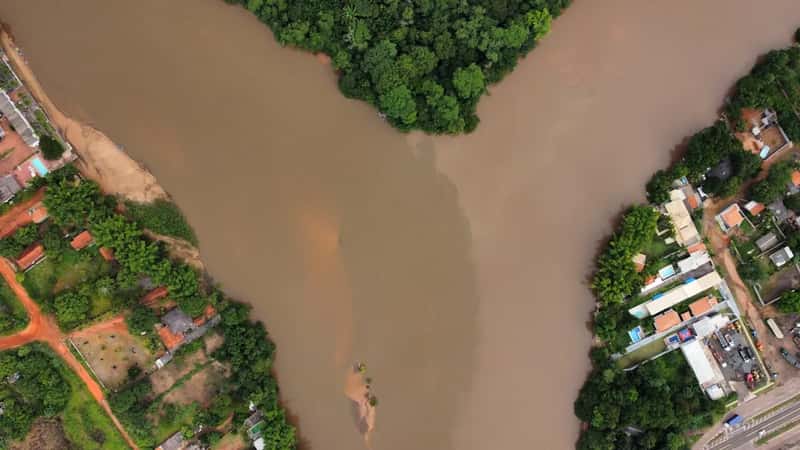
Brazil is counted among countries with unsafe tap water, with around 35 million of its 212 million people having no access to drinking water, a surprising fact given that Brazil holds 12 percent of the planet’s fresh surface water reserves. The paradox highlights how abundance alone doesn’t solve access or treatment challenges.
In 2020, residents of Rio complained of dirty and smelly tap water, and a year earlier pesticides were discovered in water sources across 1,400 towns. Urban centers generally fare better than rural areas, but neither is immune to contamination events.
Peru
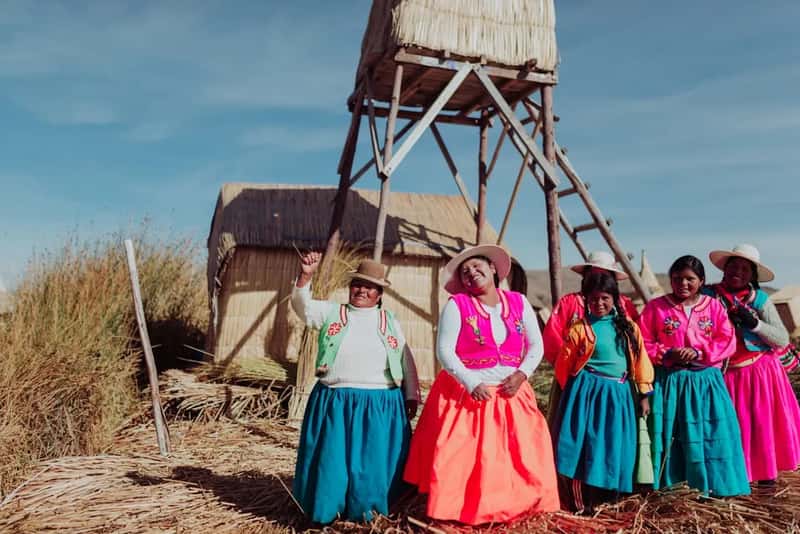
Peru is struggling with life-upending water scarcity and is counted among countries with unsafe tap water, with toxins detected in water sources across the country, making bottled or filtered water the safer choice. Mining activity in some regions has been linked to heavy metal contamination in local water supplies.
Travelers heading to sites like Incan ruins are advised to bring a water filter or purification tablets because the water isn’t potable, and anyone going on treks or camping should make sure water is boiled and disinfected. The combination of altitude, remoteness, and limited infrastructure makes self-reliance essential for visitors.
Kenya
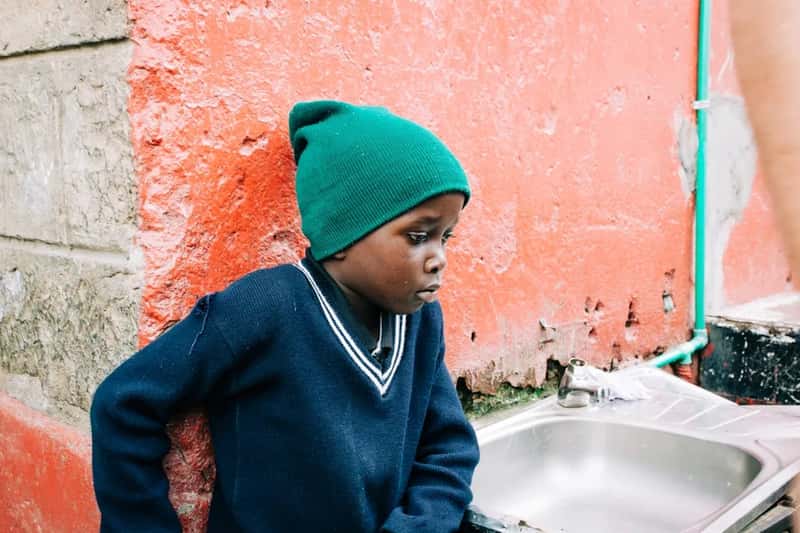
African countries, including tourist destinations like Kenya, have tap water that is not safe for drinking, with issues stemming from inadequate treatment, infrastructure problems, and pollution. Urban growth has outpaced the expansion of reliable piped water networks in many areas.
Even in Nairobi, intermittent supply means many households rely on stored water, which introduces its own contamination risks if containers aren’t properly cleaned. Bottled or boiled water remains the standard recommendation for both residents without reliable municipal access and for visiting travelers.
Access to clean tap water still divides the world sharply along lines of infrastructure investment and geography. Roughly two billion people globally live without safely managed drinking water, a reminder that the convenience of a clean glass from the faucet is far from universal. For travelers and residents alike, knowing which side of that divide a country falls on remains one of the most practical pieces of health information worth having before turning on any tap.