Every spring, researchers pore over millions of survey responses to figure out where people are living their best lives, and this year’s edition landed with a few surprises. The World Happiness Report does not set out to grade retirement destinations specifically, but its rankings of trust, healthcare, social support, and life satisfaction happen to double as a pretty solid checklist for anyone plotting their post-career years. Pull the top scorers from the 2026 report and you get a shortlist that mixes familiar Nordic strongholds with one unexpected Latin American entry.
1. Finland: the reigning champion of contentment
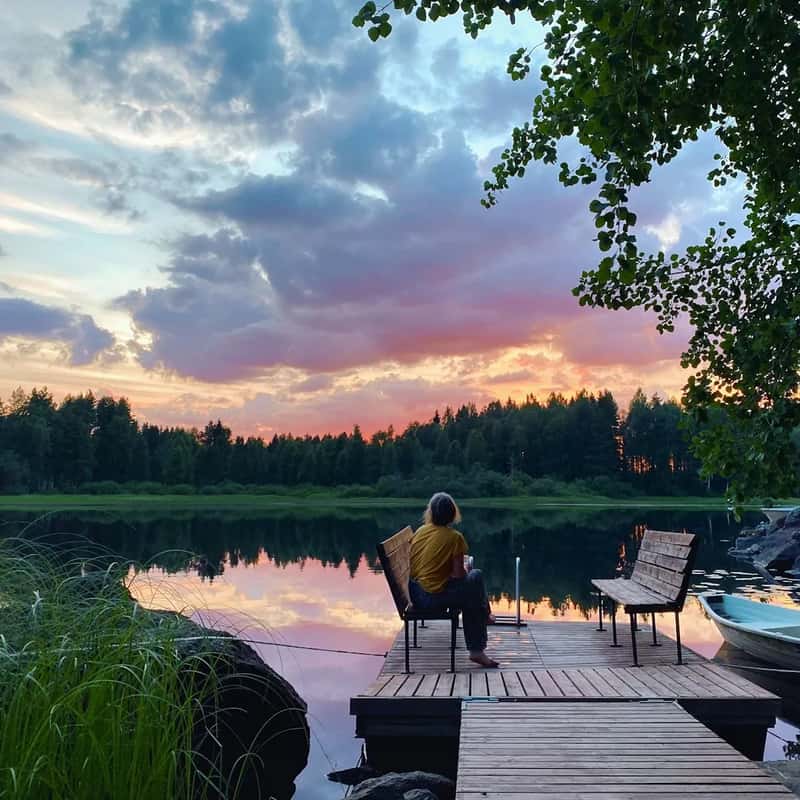
Finland has now topped the World Happiness Report for nine consecutive years, and its 2026 score of 7.764 keeps it well clear of the rest of the field. What makes this relevant for retirees is less about the ranking itself and more about the daily texture of Finnish life that produces it. Locals lean heavily on nature as a coping mechanism, and spending time outdoors, whether walking, skiing or simply being in nature, is a core part of daily life in Finland and a key factor in the country’s high levels of wellbeing.
For someone weighing a move abroad, Finland offers cold winters and a high cost of living, so it is not the obvious pick for budget-conscious retirees. What it does offer is an exceptionally functional society, with strong public services and remarkably low corruption perception scores. Retirees who prioritize order, quiet, and a sense that institutions actually work tend to find Finland reassuring rather than dull.
2. Iceland: a small island with an outsized leap

Iceland made one of the more notable jumps in this year’s report, climbing to second place after sitting steady at third for the previous three editions. According to the data, Iceland ranked as the third-happiest country in 2023, 2024, and 2025, but in this year’s rankings it leapt up to the No. 2 spot. That is a meaningful shift for a country with barely 400,000 people, and it points to consistently strong social cohesion rather than a fluke year.
One quirk worth noting for anyone curious about the country’s digital culture is how connected its population is. Iceland has the highest rates of social media usage of any European country for people ages 16 to 24 (98.4%) and ages 25 to 64 (92.9%). That heavy connectivity has not dented adult wellbeing the way it has elsewhere, which suggests Icelanders use these platforms differently than their peers in North America. For retirees, the appeal is less about internet habits and more about dramatic scenery, low crime, and a healthcare system that consistently ranks among the world’s best.
3. Denmark: steady, wealthy, and quietly trusting

Denmark landed in third place with a score of 7.539, close enough behind Iceland that the two nations are statistically almost tied. The country’s strength has always come from a combination of prosperity and social cohesion rather than either factor alone. As one analysis put it, the Danes boast one of the highest GDPs per capita in the world, levels of social support that other countries envy, and lengthy life expectancies.
Trust in institutions is another piece of the puzzle, and Denmark scores exceptionally well here too. There’s also very little perception of government corruption in Denmark; Danes typically feel they’re in good hands in terms of their leadership. For a retiree, that kind of institutional trust translates into predictable healthcare, transparent taxation, and a general sense that bureaucratic surprises are rare. The tradeoff, as with much of Scandinavia, is a high cost of living and a climate that rewards a good raincoat.
4. Costa Rica: happiness without the Nordic price tag
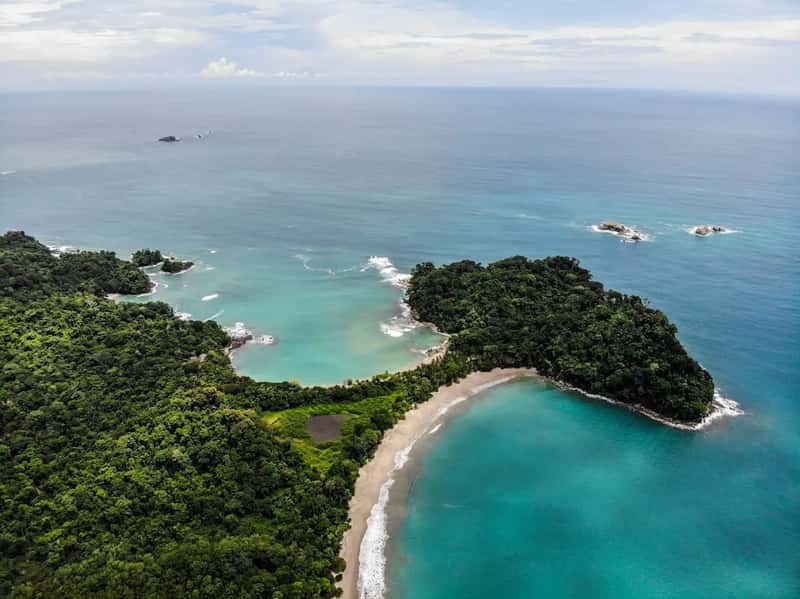
Costa Rica is the story of this year’s report, climbing to fourth place and setting a record for any Latin American nation. The country’s rise has been steady rather than sudden, moving from twenty third in 2022 up through the rankings each year since. What stands out most is that despite having the lowest GDP per capita of any country in the top 10, Costa Rica makes up for that fact with strong levels of social support and freedom to make life choices.
That combination of modest income and high wellbeing is exactly why Costa Rica has long attracted North American retirees. Although one in five citizens is estimated to live below the poverty line, all Costa Ricans have what is often missing in wealthier countries: a robust welfare system that includes universal access to healthcare, primary and secondary education, and relatively high pension benefits. For a retiree comparing options, this is the rare case where a lower cost of living does not mean sacrificing healthcare quality or community support. Add reliable weather and an established expat network in areas like the Central Valley, and it is easy to see why Costa Rica keeps climbing.
5. Sweden: work-life balance that carries into retirement
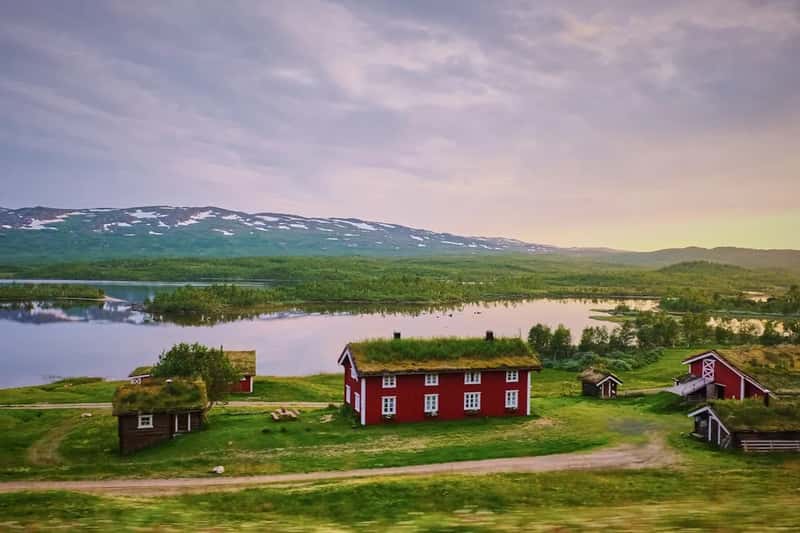
Sweden rounds out the group at fifth, tied closely with Norway near the top of the Nordic cluster. Much of Sweden’s reputation rests on institutional honesty and social affluence, but the country’s approach to time off is arguably its most exportable idea. Sweden has consistently ranked high on the World Happiness index, thanks to its affluence, strong social support networks, and the perceived honesty and accountability of its institutions.
Sweden also happens to have one of the more generous labor systems anywhere, which shapes the culture retirees eventually settle into. It offers one of the longest paid vacation periods of any country, with a legal minimum of 25 days that can reach over 40, while new parents can take up to 480 days, during which they receive approximately 80% of their salary. A society built around that much protected personal time tends to carry the same unhurried rhythm into its retirement years, with an emphasis on hobbies, nature, and family that many newcomers find easy to slip into.
6. Norway: wealth without the usual strings attached

Norway comes in just behind Sweden, part of a familiar pattern where Nordic countries dominate the middle and top of the rankings. Its wealth is substantial and well distributed, with strong GDP per capita and life expectancy figures that back up the happiness score. Norway’s strong GDP per capita ranks No. 9 worldwide, alongside high levels of social support, and a life expectancy that ranks in the top 20 worldwide.
Norway briefly held the very top spot in the World Happiness Report back in 2017, and while it has since settled a bit lower, the underlying social model has not weakened. While Norway has been slipping in the ranking, its social model remains an extraordinary success story. Retirees drawn to fjords, hiking culture, and a well-funded public pension system tend to overlook the harsh winters in exchange for genuine peace of mind about healthcare and safety.
7. The Netherlands: consistency even after a small slide
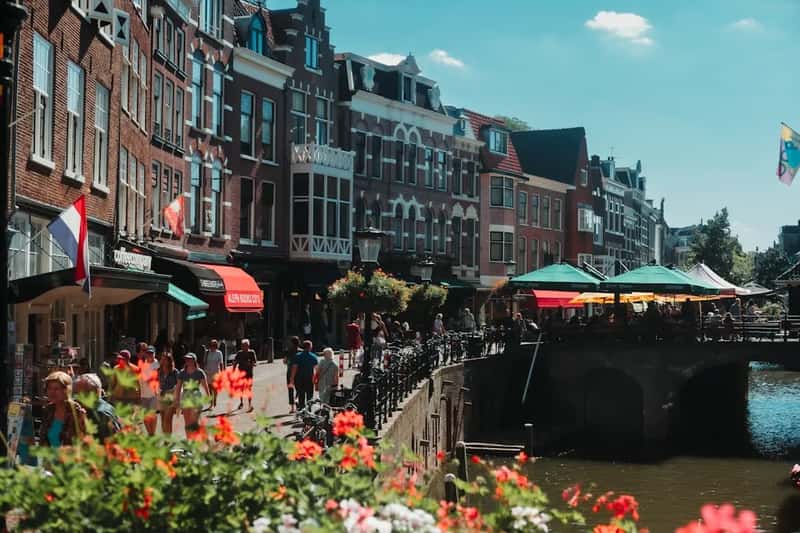
The Netherlands closes out the top seven, though it actually dropped a couple of spots compared to the previous year’s report. The Netherlands dropped two spots from No. 5 last year to No. 7 this year. A dip of that size rarely signals real trouble, since the underlying fundamentals barely moved.
What keeps the Dutch near the top year after year is a mix of prosperity and remarkably even distribution of wellbeing across the population. People throughout the Netherlands are generally content in each category in the study, as the nation boasts a high GDP per capita (ranking 14th in the world), good levels of social support, and a reasonably high life expectancy. Analysts have also pointed out that the gap between the happiest and least happy Dutch citizens is unusually narrow, meaning contentment is spread broadly rather than concentrated among the wealthy. For retirees, that translates into excellent healthcare access regardless of income bracket, along with compact cities that make aging in place genuinely manageable.