Walk into a café in Helsinki at eight in the morning and you’ll notice something odd: nobody is rushing. Coffee there isn’t a jolt before the day starts, it’s the day itself, paced out in small dark cups that keep appearing without anyone asking. That kind of quiet, structural devotion to coffee is exactly what separates the countries on this list from everywhere else.
Ranking coffee-loving nations sounds simple until you realize there are two very different ways to do it. Total volume rewards big populations, which is why the United States and Brazil tend to top those charts. The largest coffee consumer in the world is the United States, followed by Brazil and Japan.[1] Per capita consumption tells a very different story, one where small, cold, northern countries dominate almost entirely. This list uses that per capita lens, since it’s the measure most researchers agree actually captures how coffee-obsessed a population is.
1. Finland
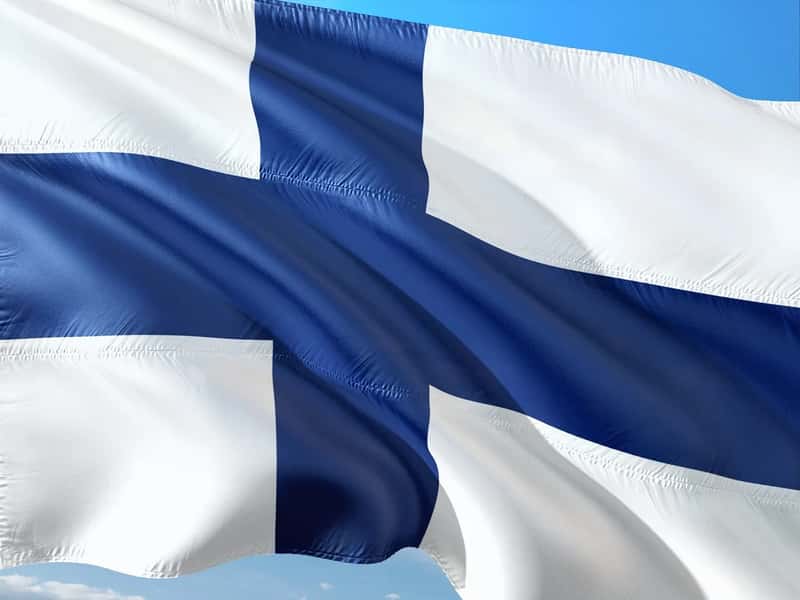
Finland isn’t just at the top of this list, it’s been there for decades, and the gap to second place is real. Finland with 12 kg coffee per person, is considered the world’s biggest consumer of coffee per person.[2] That works out to roughly four cups a day for every man, woman, and child in the country, which is a startling number once you factor in that plenty of Finns aren’t drinking coffee at all yet.
The habit is baked into the culture in a very literal, legal sense. In Finland, two 10-minute coffee breaks are legally mandated at workplaces per day.[2] Industry writers who’ve spent time in the country note that the national average likely undersells how much actual adult drinkers consume, since the national average of 12 kg per capita is probably on the low end for most in Finland, especially once you take children out of the calculation[3]. In other words, the official number is already staggering, and the real figure for working adults is probably higher.
2. Norway

Norway sits comfortably in second place, and the coffee culture here has a similarly long history tied to cold winters and short daylight hours. Next is Norway with 9.9 kg per person[2], a figure that has held remarkably steady across the various datasets researchers use. It’s less about specialty espresso bars, though those exist, and more about the everyday pot of filter coffee that shows up at breakfast, in offices, and after dinner.
Norwegian coffee culture also has a quirkier side that rarely makes it into the statistics. In rural parts of the country, there’s a traditional drink called karsk, described as “karsk”, a cocktail made with weakly brewed coffee and a hefty helping of vodka or moonshine[3]. It’s a reminder that behind the clean per-capita numbers, coffee habits are shaped by very local, very human traditions that don’t always translate neatly into a spreadsheet.
3. Iceland
Iceland’s placement at third makes sense once you understand the social role coffee plays there. Iceland with 9 kg per citizen[2] rounds out the top three, and the reasons behind that number are almost as interesting as the figure itself. Coffee is the most essential social drink in Iceland due to beer being illegal while wine is overpriced[2], at least historically, which pushed coffeehouses into the role that pubs or wine bars fill elsewhere.
What’s notable in 2026 is how independent Iceland’s coffee scene has stayed. Starbucks has no Icelandic stores as of 2026, and the Reykjavík café scene is dominated instead by smaller independent roasters and shops clustered within a few blocks of one another in the city center.[4] For a country of roughly 400,000 people, that’s an unusually dense and competitive specialty scene, one that regularly sends baristas to compete on the international stage.
4. Denmark

Denmark’s coffee habit is quieter than its Nordic neighbors but no less serious. Taking fourth place is Denmark with 8.7 kg per person[2], a number that’s stayed consistent across multiple independent tracking sources over the past few years. Coffee here tends to show up around the concept of hygge, the Danish idea of cozy, unhurried togetherness, which almost always seems to involve a warm cup and good company.
Danish workplaces also lean heavily on coffee as a social ritual rather than just a caffeine delivery system. Breaks are built around it, meetings often start with it, and the culture treats a shared pot of coffee as something close to a small daily ceremony. It’s a lower-key version of the Finnish approach, less about volume and more about the pause it creates in the day.
5. Netherlands
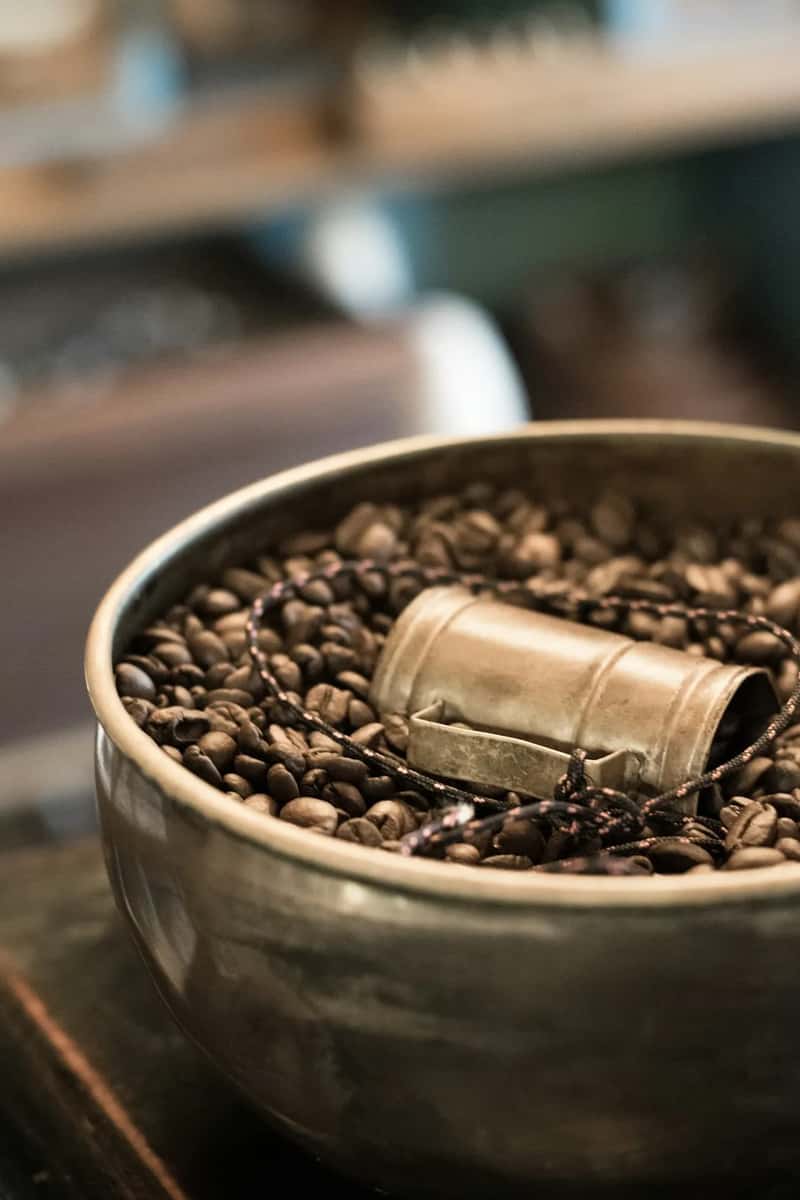
The Dutch have quietly built one of the most coffee-dependent populations in Europe. Sweden is just surpassed by the Netherlands with 8.4 kg[2], putting the country firmly in fifth place on most recent tallies. Some market research firms have even put the Netherlands at the very top in certain years, with people in the Netherlands drinking the most coffee, with per capita consumption estimated at 8.3 kilograms, making them among the most avid drinkers of coffee in the world[5] according to one Statista analysis.
The discrepancy between rankings, whether the Dutch land at fifth or first, comes down to methodology and the year of data collection, but the broader point holds either way. Coffee in the Netherlands isn’t a trend or a lifestyle statement, it’s closer to tap water in terms of how routinely it’s consumed throughout an average day, from the office break room to the family kitchen table.
6. Sweden
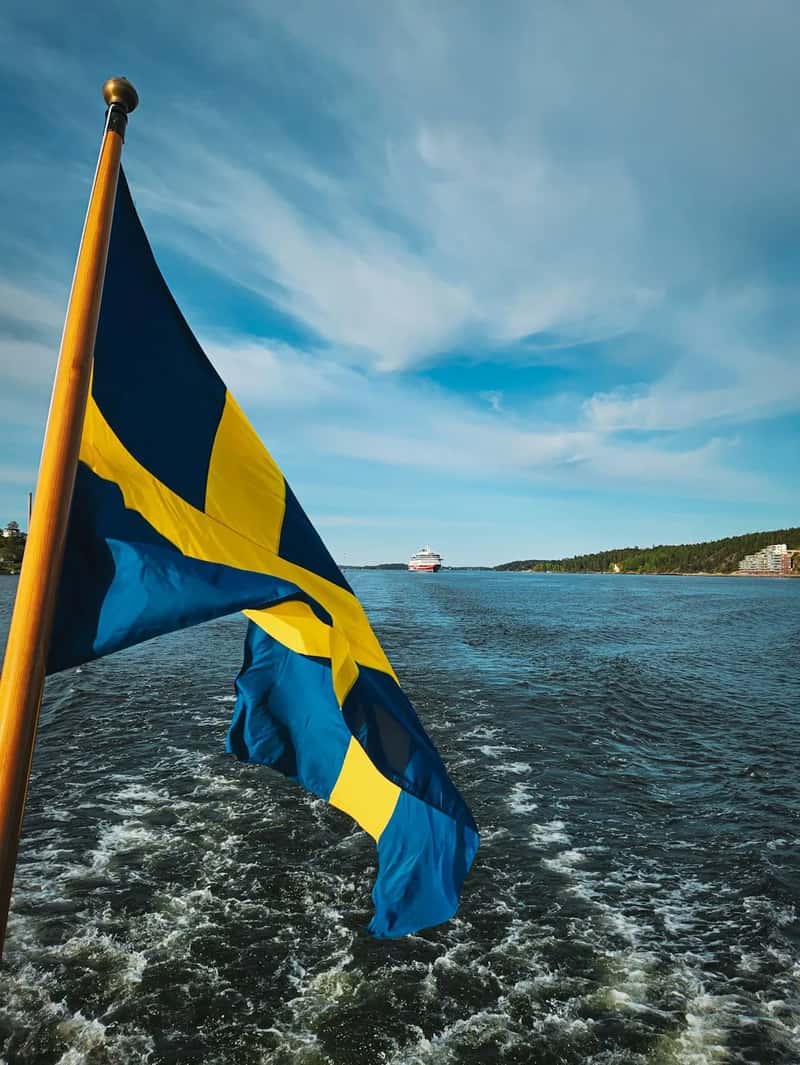
Sweden’s fika culture is probably the most famous coffee ritual in the world, even if the raw numbers put the country just behind its neighbors. Sweden’s 8.2 kg per resident[2] keeps it in the top ten globally, and fika itself, the daily coffee break built around conversation and usually a pastry, is treated less as a snack and more as a social obligation. Skipping it in a Swedish workplace can genuinely raise eyebrows.
What makes Sweden’s ranking interesting is how consistent the habit is across age groups and regions. Unlike some countries where coffee consumption skews heavily toward older adults, fika culture pulls in younger drinkers early, which helps explain why Sweden’s per capita number has stayed relatively stable rather than drifting downward as generational habits shift elsewhere.
7. Switzerland
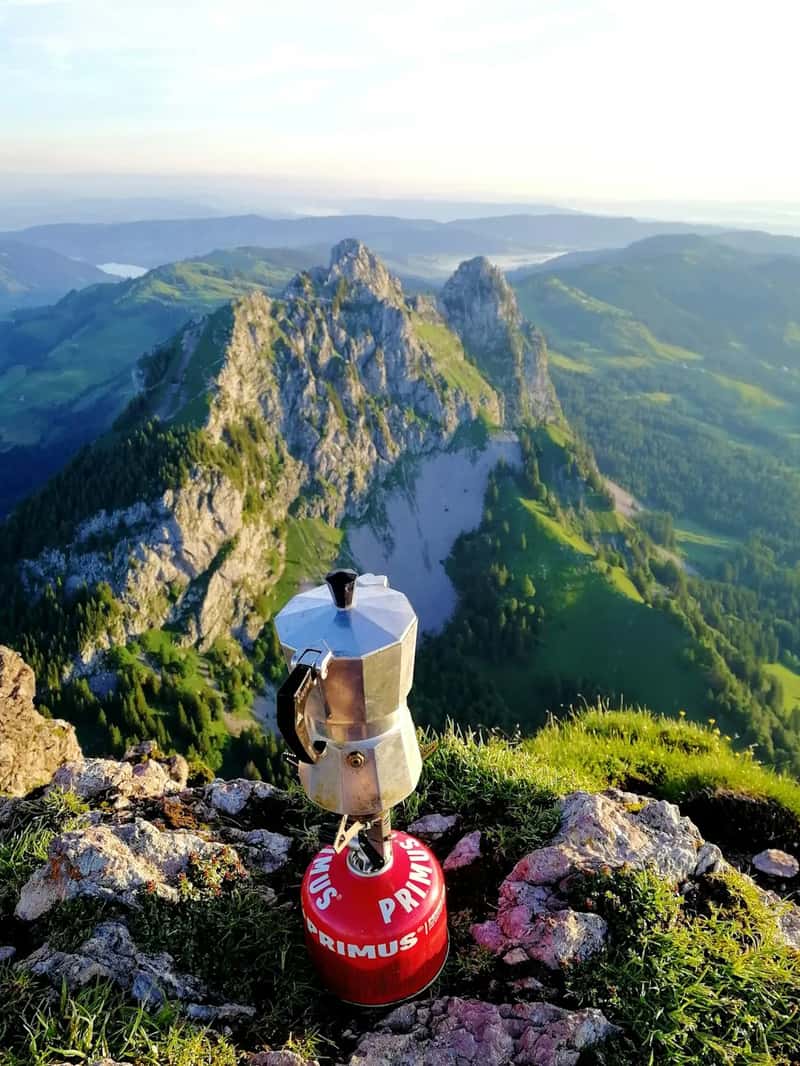
Switzerland lands in seventh place with a coffee culture that blends German, French, and Italian influences depending on which part of the country you’re in. Switzerland’s per capita figure sits at 7.9 kg per year[6], a number that reflects both the espresso-leaning habits near the Italian border and the milkier, filter-style preferences further north. It’s one of the more regionally varied entries on this list.
The Swiss also treat coffee as something worth paying a premium for, which tracks with the country’s overall cost of living. Cafés here tend to skew upscale even in smaller towns, and the emphasis on quality beans and precise preparation gives Swiss coffee culture a reputation for consistency that’s earned rather than accidental.
8. Belgium
Belgium rounds out the upper half of the ranking with a coffee culture that often gets overshadowed by its beer and chocolate reputation. Belgium comes in at 6.8 kg per capita[6], a solid figure that places it comfortably ahead of most non-Nordic European countries. The habit here tends to run through households rather than cafés, with home brewing machines a near-universal fixture in Belgian kitchens.
Belgian coffee culture also has a strong colonial-era trade history tied to the Congo, which shaped both taste preferences and the country’s long-standing role as a coffee import and roasting hub in Europe. That legacy still shows up in the density of independent roasters scattered across cities like Antwerp and Ghent.
9. Luxembourg
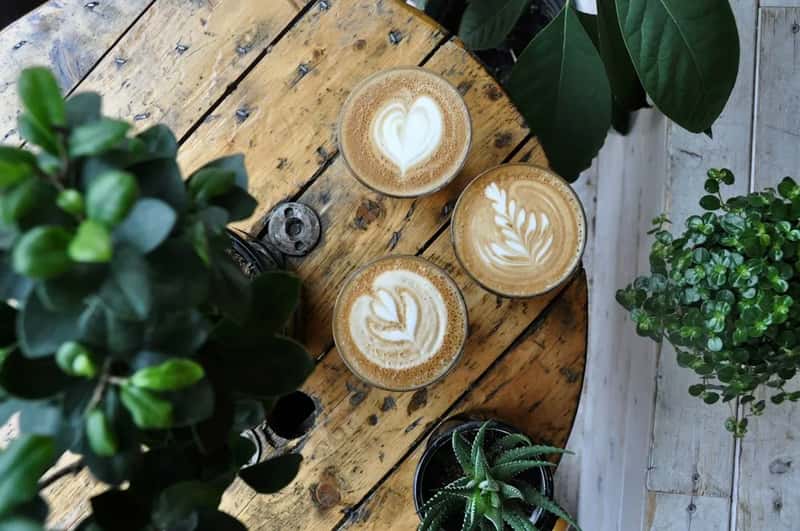
Luxembourg is where this ranking gets genuinely complicated. Some analyses put it at the very top of the world, with Luxembourg leading the world with 5.31 cups per day per person, far ahead of larger economies[7], while more conservative per capita measures place it closer to sixth or ninth depending on the source. Other tallies put Luxembourg at 6.5 kg per capita per year[6], which is a meaningful gap from the headline cups-per-day figure.
The reason for the confusion is almost entirely about population math. Luxembourg’s per-capita figure is boosted by its huge commuter workforce[7], since tens of thousands of people cross the border daily from France, Germany, and Belgium to work and buy coffee there, inflating the numbers against a tiny resident population. As one recent ranking put it plainly, the country with the single highest per-capita figure does not finish first, because that number is inflated by people who do not actually live there[8]. It’s a genuinely useful caution for anyone reading these lists at face value.
10. Canada
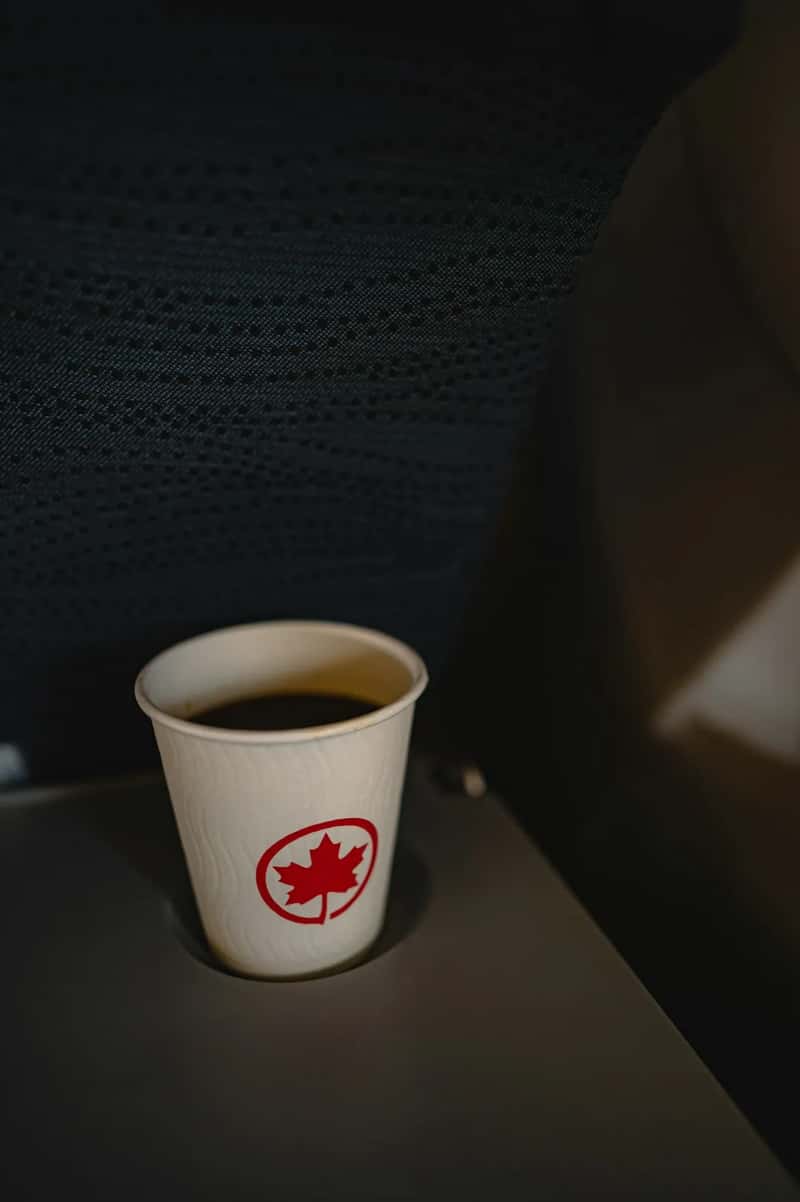
Canada closes out the top ten and holds the distinction of being the only non-European country to consistently make these rankings. Canada comes in at 6.2 kg per capita per year[6], a figure driven less by café culture and more by sheer convenience. Canada averages 1.57 cups per person per day, more than four times the global average of 0.36[8], and the explanation is fairly straightforward.
The cold helps, but the real engine is convenience, with drive-thru chains building drip coffee into the Canadian commute over decades[8]. It’s a different flavor of coffee obsession than Finland’s or Iceland’s, less ritual and more habit, but the end result lands Canada firmly among the world’s biggest coffee-drinking nations regardless of how it got there.
Final Thoughts

What stands out across this entire list is how little population size or coffee production actually predicts a country’s per capita habit. Northern European nations dominate the upper tiers, driven by a long-standing café culture and high per-capita spending, while large emerging markets drink far less per person despite being major producers[7]. Brazil, the country that grows more coffee than anywhere else on earth, doesn’t even crack the top fifteen on a per-person basis.
The takeaway for 2026 is that coffee culture is really a story about climate, workplace habits, and small population math more than it is about wealth or coffee-growing heritage. The countries at the top of this list didn’t get there through marketing or trend cycles. They got there by making coffee an ordinary, unremarkable part of every single day, which, in the end, is probably the most honest definition of a coffee-drinking nation there is.