Picture a world where childhood ends before it truly begins. That’s the reality for millions of girls across the globe who are married off before they turn eighteen. Child marriage remains one of the most persistent human rights violations of our time, robbing young girls of their education, health, and futures.
The statistics paint a troubling picture. Nearly 650 million women alive today were married or in a union before the age of 18, according to data from the World Bank and UNICEF. While progress has been made in some regions, the pace is far too slow. So which countries struggle most with this deeply entrenched practice? Let’s dive in.
Niger: The Heartbreaking Leader
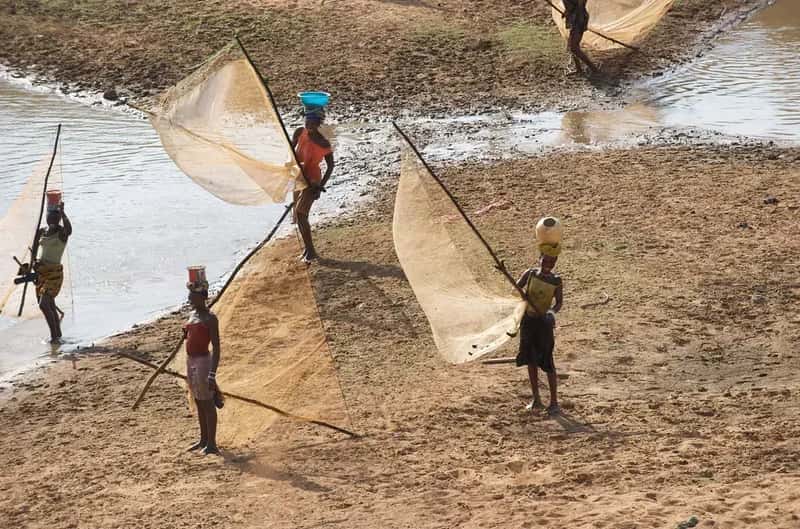
Niger has the highest child marriage rate in the world among girls, with more than three fourths of girls aged under 18 married, and nearly 30 percent of them being younger than 15 years old, according to 2024 data from Statista and UNICEF. This translates to 76% of girls getting married before turning 18 and 28% married by the age of 15. The reasons behind these staggering numbers are complex. Niger is one of the poorest countries in the world, where food shortages, a harsh natural environment and frequent droughts drive some families to marry off their daughters to men of wealth as a survival tactic. The country sits at the bottom of the Human Development Index, a position that reflects the desperate circumstances many families face.
Central African Republic: Crisis and Customs Collide
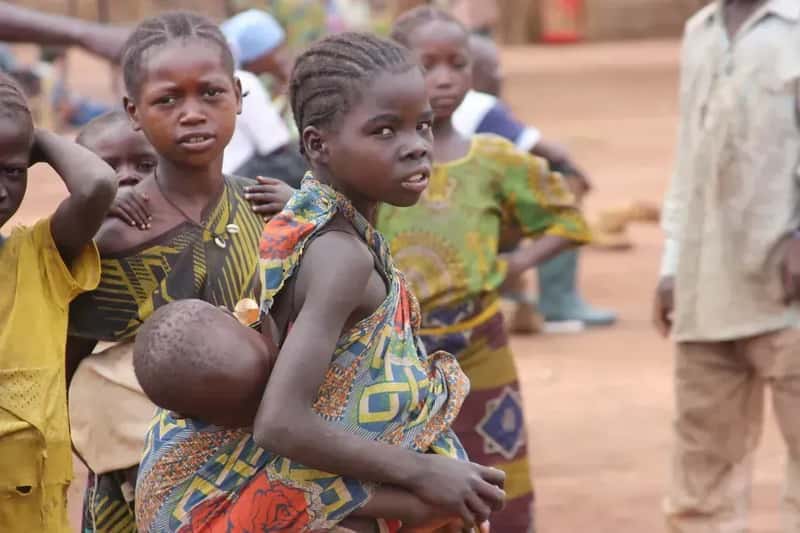
In the Central African Republic, 61% of children are married or in union before the age of 18 and 26% of Central African girls are married before the age of 15, according to a 2024 UNICEF report. The Central African Republic ranks among the worst fragility-child marriage hotspots in Africa, alongside Chad and South Sudan. Let’s be real, ongoing conflict and extreme poverty create conditions where families see marriage as protection for their daughters. With one of the lowest GDP in the world and high poverty rates, many families marry off their daughters in exchange for bride price and to reduce the perceived financial burden a girl places on her family.
Chad: A Sahel Nation Struggling With Tradition

Chad followed behind Niger and the Central African Republic with rates ranging from 61 to 54 percent of girls married before age 18, based on 2022 UNICEF data. Marriage below the age of 15 years is also very high in Chad, with prevalence rates over 25 percent. The country sits in the Sahel region, where prevalence is around 70%, with around 95% of married girls out of school and 9 in 10 giving birth before age 20. The legal framework doesn’t help much either. In Chad, the legal age is 15 years for females and 18 for males, reflecting deep gender inequality written into law itself.
Mali: Where Progress Stalls
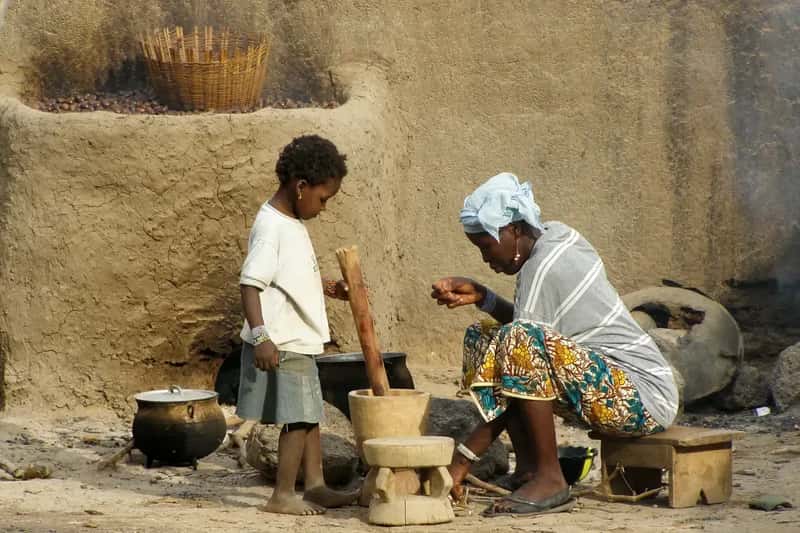
Mali followed behind with rates ranging from 61 to 54 percent according to Statista’s 2024 report on countries with the highest child marriage rates. Mali ranks among the six countries in West and Central Africa with the highest prevalence of child marriage in the world. Here’s the thing though: West and Central Africa, the region with the highest prevalence of child marriage, has made little progress over the last 25 years. Mali sits squarely within this challenging regional context where cultural norms, poverty, and limited educational opportunities for girls create a perfect storm sustaining early marriage practices.
Burkina Faso: Fragility Fueling the Practice
Burkina Faso ranks among the six countries in West and Central Africa with the highest prevalence of child marriage in the world, according to UNICEF. The country faces multiple overlapping crises. Multiple and interconnecting conflicts and crises, or a “polycrisis,” are threatening progress, as public-health crises, armed conflicts and climate change all contribute to a more precarious world in which families may seek ‘refuge’ for their girls in marriage. Burkina Faso exemplifies how instability and violence can actually drive child marriage rates upward rather than allowing them to decline, as families seek what they perceive as safety for their daughters in an increasingly dangerous environment.
Guinea: Persistent High Rates
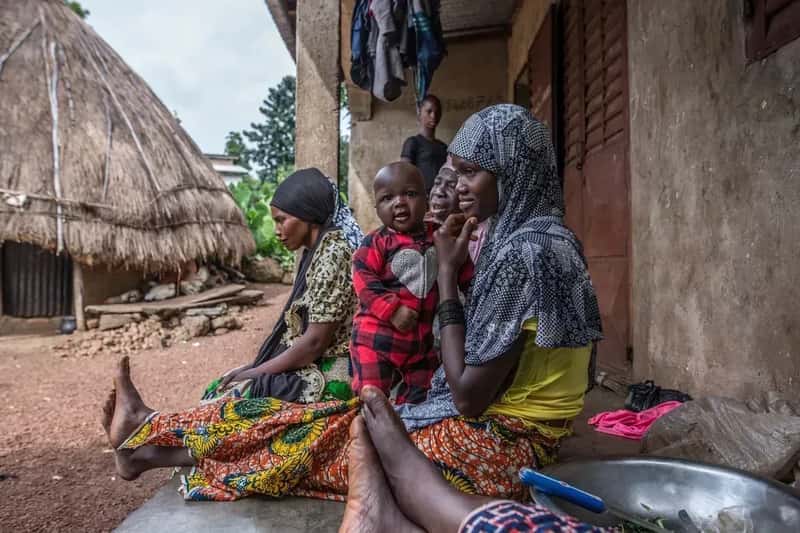
Guinea is among the six countries in West and Central Africa with the highest prevalence of child marriage in the world, according to UNICEF data. The legal framework itself reveals gender discrimination. In Guinea, the legal age for marriage is 17 for females and 18 for males, showing how unequal laws perpetuate the problem. Honestly, it’s hard to expect real change when the law itself treats girls and boys differently. Child marriage is often related to poverty, with poor families choosing to marry away their girls both in order to earn money as a wedding gift and as this means fewer mouths to feed, a pattern Guinea shares with other high-prevalence nations.
South Sudan: Conflict’s Devastating Impact
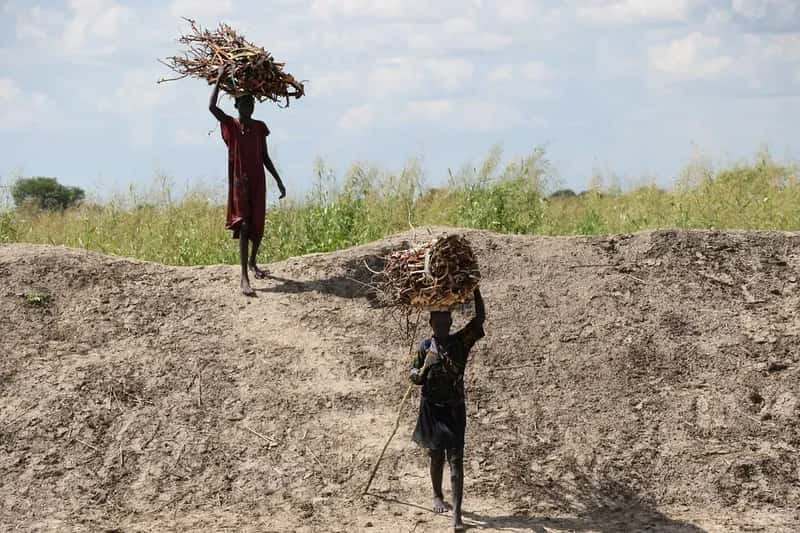
South Sudan ranks among the worst fragility-child marriage hotspots in Africa, alongside the Central African Republic and Chad, according to Save the Children’s 2024 Global Girlhood Report. The 36 million girls living in 15 countries ranked ‘extremely fragile’ by the OECD were twice as likely to marry under the age of 17 than girls in more stable countries. South Sudan’s ongoing civil conflict has created humanitarian catastrophe after humanitarian catastrophe. In such fragile settings, families may seek ‘refuge’ for their girls in marriage as public-health crises, armed conflicts and climate change all contribute to a more precarious world.
Somalia: Where Instability Meets Tradition
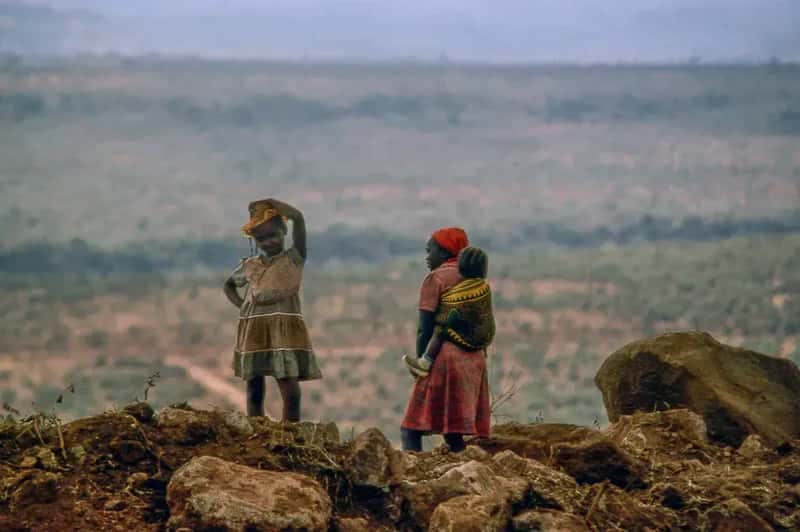
Somalia ranks among the worst fragility-child marriage hotspots in Africa, following the Central African Republic, Chad and South Sudan, based on Save the Children’s analysis. A girl is married every 30 seconds in countries ranked as fragile states and with high child marriage rates, with about 32 million adolescent girls living in these emergency hotspots. Somalia has endured decades of conflict, drought, and displacement. Public-health crises, armed conflicts and climate change all contribute to a more precarious world in which families may seek ‘refuge’ for their girls in marriage, a reality that defines daily life for many Somali families struggling to survive.
The Path Forward

The data tells a sobering story about where child marriage persists most severely. Across the globe, levels of child marriage are highest in West and Central Africa, where 1 in 3 young women were married before age 18. Overall, progress would need to be nearly 20 times faster to reach the target of ending child marriage by 2030, according to UNICEF’s 2023 assessment.
What’s striking is how poverty, conflict, and climate change intertwine to trap girls in early marriage. In 105 out of 110 countries with data available, female child marriage rates are higher for adolescent girls belonging to the poorest wealth quintile, with countries such as Cameroon, Madagascar, Mauritania, Mozambique, Nigeria, Panama, Senegal, and Tanzania seeing differences exceeding 40 percentage points. These aren’t just numbers on a page. They represent millions of childhoods stolen, millions of potential futures never realized.
The countries profiled here face immense challenges, yet change is possible. In India, the prevalence of child marriage among girls fell from 49.4 percent in 1993 to 22.3 percent in 2021, proving that substantial national-level progress can happen even in high-burden settings. Education remains one of the most powerful tools. Removing financial barriers to education, such as secondary-school scholarships for adolescent girls can increase the likelihood of staying in school and avoiding early marriage; in Niger, a large-scale scholarship-based intervention cut adolescent girls’ dropout and marriage rates in half.
What do you think it will take to finally end this practice? The answer likely lies in addressing the root causes driving families to make these desperate decisions. Until poverty, conflict, and gender inequality are tackled head-on, millions of girls will continue to have their childhoods cut short.