Have you ever wondered where people live the longest, healthiest lives? It’s not just about having great weather or eating well. The secret to longevity lies in a blend of factors that work together in remarkable ways. From tiny European principalities to bustling Asian metropolises, certain corners of the world have cracked the code to longer living. Let’s be real, the differences between countries can be astonishing, with some populations living nearly three decades longer than others. So where exactly do people enjoy the most years on this planet, and what makes these places so special?
Monaco: The Mediterranean Jewel Leading the World

Monaco tops the global rankings with an average life expectancy of 86.5 years, making this tiny European principality an absolute phenomenon. Males in Monaco live an average of 85.17 years while females reach 88.99 years, figures that leave most developed nations trailing behind. What makes this place so remarkable? Monaco possesses an excellent healthcare system combining public services managed by Caisses Sociales de Monaco and private care, while Monegasque cuisine emphasizes fresh ingredients like vegetables, seafood, and olive oil. The Mediterranean diet combined with wealth and world class medical facilities creates the perfect storm for longevity. I think it’s fascinating how this coastal state blends luxury with genuine health consciousness rather than just excess.
Hong Kong: Urban Density Meets Exceptional Longevity

Hong Kong follows closely with 85.6 years, and recent census data shows women living an average of 88.4 years and men 82.8 years. This Special Administrative Region of China proves that dense urban living doesn’t have to compromise lifespan. Men born in Hong Kong in 2023 will live on average 81 years while women reach 87 years, and the region boasts the lowest newborn mortality rate worldwide. Here’s the thing: Hong Kong demonstrates that economic development paired with extensive public transport networks naturally encourages physical movement throughout daily life. The city’s mild climate allows year round outdoor activities while extensive public transport encourages regular physical movement. The blend of Chinese culinary traditions emphasizing fresh ingredients with cutting edge healthcare creates something truly unique.
Japan: Where Ancient Tradition Supports Modern Longevity
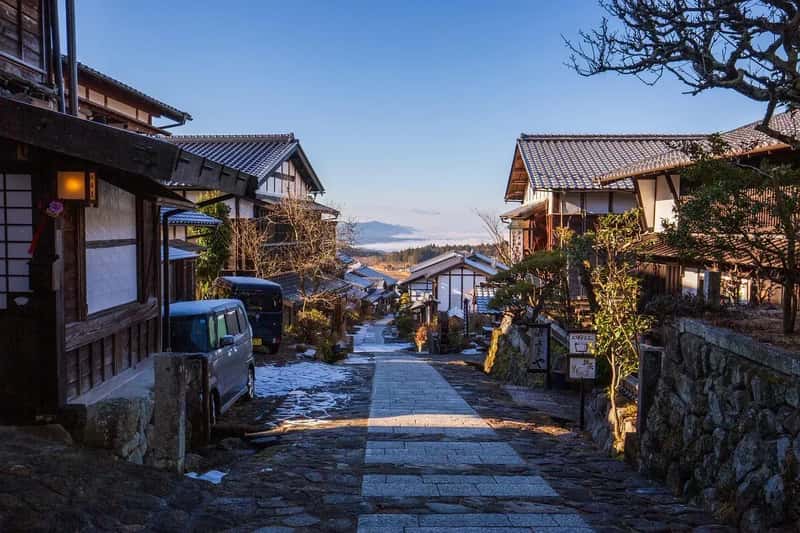
Japanese average life expectancy rose in 2023 to 87.14 years for women and 81.09 for men, bouncing back after pandemic related declines in previous years. Japan has long been synonymous with longevity, and for good reason. Life expectancy is now about 85 years in Japan, though the gap between life expectancy and healthy life expectancy has widened to over 11 years. The traditional Japanese diet rich in fish, vegetables, and fermented foods plays a massive role here. What strikes me most is how cultural attitudes toward aging differ significantly from Western societies, with elders remaining active participants in community life well into their later years. It’s not just about living longer but maintaining purpose throughout those years.
Singapore: The Engineered Longevity Hotspot
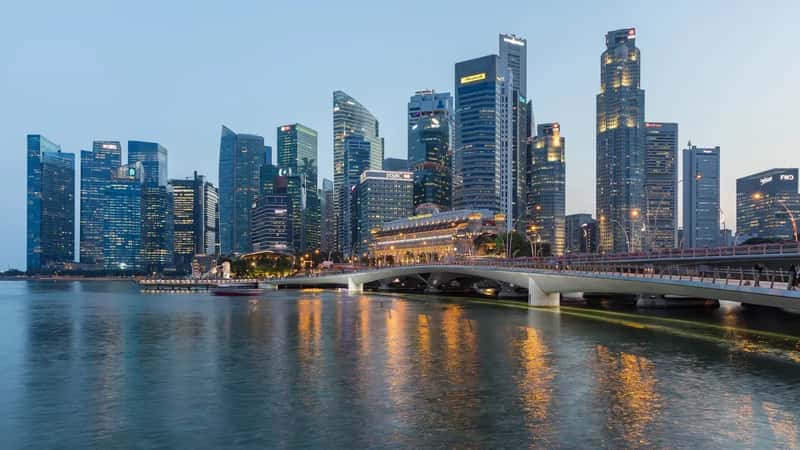
The average life expectancy in Singapore currently stands at 83 years, with women enjoying 85.2 years while men reach 80.7 years. This tropical island city state has transformed itself into what experts call an engineered Blue Zone. Proactive government policies through healthcare, dietary nudges, support for the elderly, and green spaces have been attributed for Singapore being named an engineered longevity hotspot. Life expectancy has seen significant growth over decades, rising from 72.5 years in 1981 to 83 years in 2023, an increase of roughly 14.5 percent. Singapore proves that deliberate policy making combined with urban planning can dramatically extend human lifespan within just a few generations. The government’s focus on preventative healthcare rather than just treatment makes all the difference.
Switzerland: Alpine Excellence in Health and Wealth
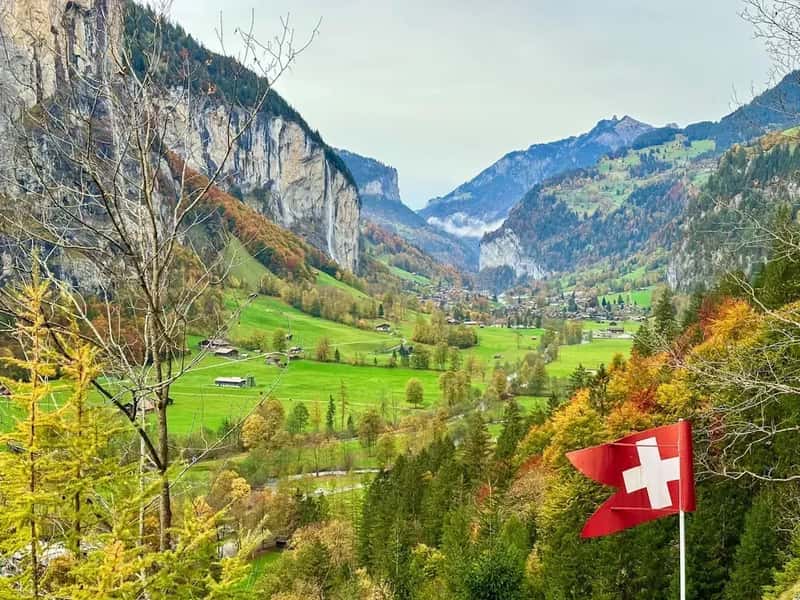
Switzerland demonstrates high life expectancy at 84.38 years, benefiting from one of the best healthcare systems in the world which is well funded, universal, and focused on prevention and early diagnosis. This Alpine nation combines natural beauty with systematic excellence in healthcare delivery. The country offers a high standard of living with excellent infrastructure, sanitation, and high quality air and water, while many residents enjoy an active lifestyle taking advantage of abundant outdoor activities. Let’s be honest, Switzerland’s combination of wealth, pristine environment, and health consciousness creates an almost ideal setting for longevity. The mountain lifestyle naturally promotes physical activity without feeling like forced exercise.
South Korea: Rapid Economic Growth Translates to Longer Lives
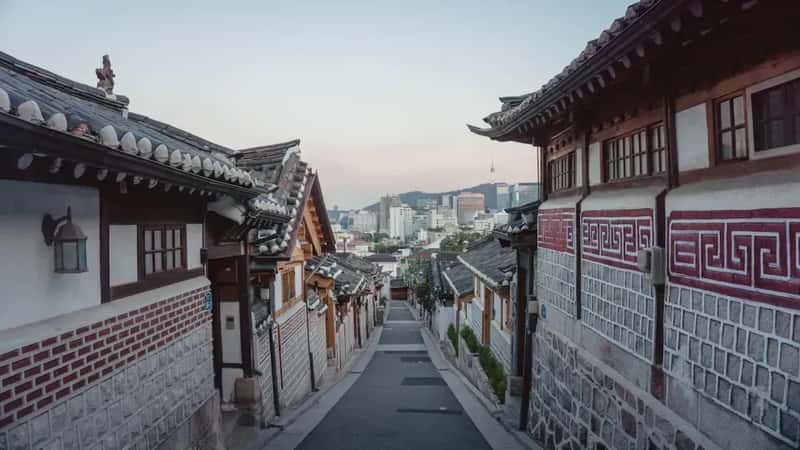
South Korea ranks among the top countries where men live an average of 80.83 years and women reach 87.23 years, for a combined life expectancy of 84.14 years. This East Asian nation has experienced one of the fastest increases in life expectancy globally. South Korea has seen notable increases in life expectancy in recent decades largely due to rapid economic growth since the 1980s, which raised living standards and supported a strong universal healthcare system embracing technological innovation. The population generally has low blood pressure, doesn’t smoke, and relies on public transport, while the traditional diet rich in fermented food and vegetables plays a key role. I know it sounds crazy, but South Korea’s transformation from poverty to longevity leader happened within a single lifetime, showing how quickly societies can change health outcomes with the right policies.
Italy: Mediterranean Lifestyle at Its Finest
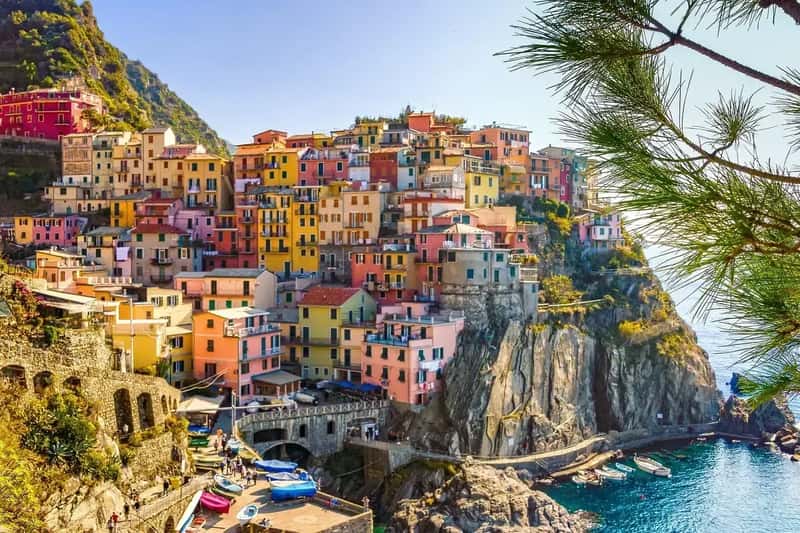
Italy demonstrates impressive life expectancy at 84.20 years, ranking among the world’s top nations. The Italian approach to life emphasizes quality over quantity in everything from food to social connections. Italy leads among major economies at 83.9 years, demonstrating how Mediterranean traditions support longevity. The famous Mediterranean diet originated in this region, emphasizing olive oil, fresh vegetables, fish, and moderate wine consumption. What’s remarkable about Italy is how lifestyle and tradition intertwine seamlessly. Meals are social events, not rushed affairs, and multigenerational living remains common in many areas. The combination of excellent healthcare, stress reducing cultural practices, and nutritious traditional cuisine creates a powerful longevity formula.
Australia: Sun, Sea, and Universal Healthcare

Australia ranks among global leaders at 84.1 years, demonstrating exceptional longevity among major economies. The land down under combines natural advantages with smart public health policy. The sun, sea, and sand play key roles keeping residents active and healthy, while Australia’s strong economy supports high living standards including a universal healthcare system focused on vaccination and disease prevention, with government running extensive public health campaigns targeting smoking, guns, drugs, and alcohol. Australia’s outdoor culture naturally promotes physical activity year round in most regions. The emphasis on preventative health measures, from early childhood vaccinations to public awareness campaigns, has created one of the healthiest populations on earth. It’s hard to say for sure, but the combination of natural beauty encouraging outdoor lifestyles with systematic healthcare excellence seems almost impossible to beat.
Conclusion
According to the United Nations Population Division, global average life expectancy rose from 46.5 years in 1950 to 71.7 years in 2022 and is expected to climb to 77.3 years by 2050, while life expectancy hit 73.3 years which is an 8.4 year increase compared to 1995. The countries leading the longevity race share common threads: universal healthcare systems, diets emphasizing fresh whole foods, cultures promoting physical activity, and strong social safety nets. Yet each nation achieves these results through unique cultural expressions and policy approaches. From Monaco’s Mediterranean luxury to Singapore’s engineered efficiency, from Japan’s traditional wisdom to Australia’s outdoor vitality, these countries prove that longer, healthier lives are achievable through deliberate choices at both individual and societal levels. The gap between highest and lowest life expectancy countries remains stark at over thirty years, showing how much work remains globally. Which approach resonates most with you? Share your thoughts on what you think matters most for longevity.