Airport security checkpoints have evolved dramatically since their inception, yet certain traveler behaviors continue to raise immediate red flags with TSA agents. With TSA intercepting over 6,781 firearms in 2024 alone, roughly 93 percent of which were loaded, security personnel remain hyper-vigilant for any behavior that deviates from normal passenger conduct. Understanding what TSA considers suspicious can save you from unnecessary delays and additional screening.
Inappropriate Clothing for Weather or Destination
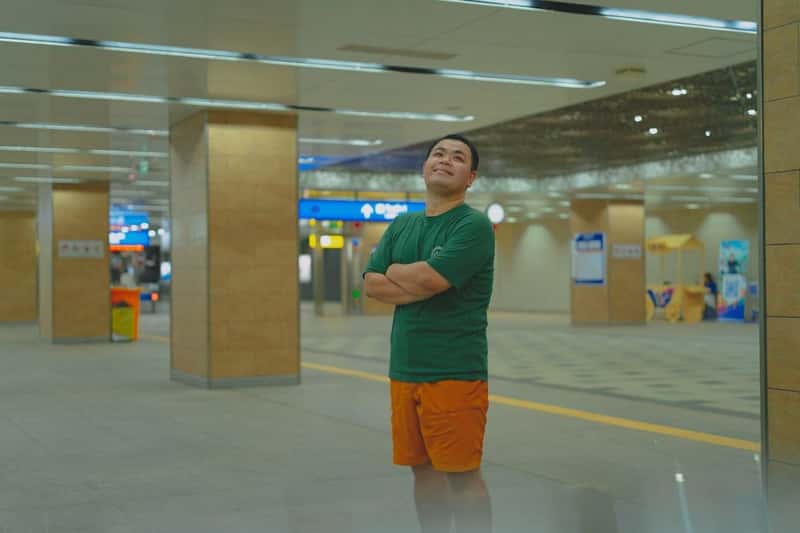
Transportation security experts identify weather-inappropriate clothing as one of the most common behavioral red flags that raise eyebrows among security personnel. Airport security coordinator Jeff Price notes this discrepancy often signals deeper concerns about a traveler’s true intentions or familiarity with their destination.
TSA agents specifically watch for travelers dressed inappropriately for the climate at their departure location or final destination, such as someone wearing flip-flops in freezing weather, which might suggest unfamiliarity with the location or no plans to stick around. This behavior pattern extends beyond simple wardrobe choices to questions about travel legitimacy.
Any behavior considered “out of the norm,” including wearing a ski parka in July, automatically registers as a warning sign with TSA personnel. The key lies in matching your attire to logical travel expectations rather than standing out for the wrong reasons.
Excessive Yawning and Physical Stress Indicators

Excessive yawning represents another common behavior that flags security personnel, as experts explain that stressed individuals tend to seek more oxygen. While yawning seems completely natural in airport environments, TSA training identifies this as a potential stress response rather than simple fatigue.
Security professionals recognize that yawning isn’t always a sign of tiredness but can indicate an involuntary response suggesting a person feels agitated. Combined with other suspicious behaviors, frequent yawning creates a pattern that draws unwanted attention from trained observers.
The TSA’s behavioral detection program specifically targets involuntary behaviors like yawning, whistling, and excessive blinking, alongside non-verbal cues such as excessive sweating and fidgeting. These physical manifestations often occur unconsciously when individuals experience high stress levels.
Excessive Talking or Conversation Attempts

Aviation experts note that excessive talking or attempting to engage security personnel in conversation can appear suspicious, as it may look like a distraction from job duties. TSA agents receive training to recognize when travelers might be attempting to divert their attention from screening procedures.
Security coordinator Jeff Price explains that many criminals try to avert security agents’ attention using conversational approaches, making overly talkative behavior a potential red flag. The goal involves maintaining professional distance during critical security operations.
Travelers hoping to sneak prohibited items through screening may attempt to distract agents by asking questions while X-ray images appear on scanners. Keeping interactions minimal with simple greetings and thank-yous demonstrates respect for security procedures while avoiding suspicion.
Baggy Clothing and Concealment Concerns
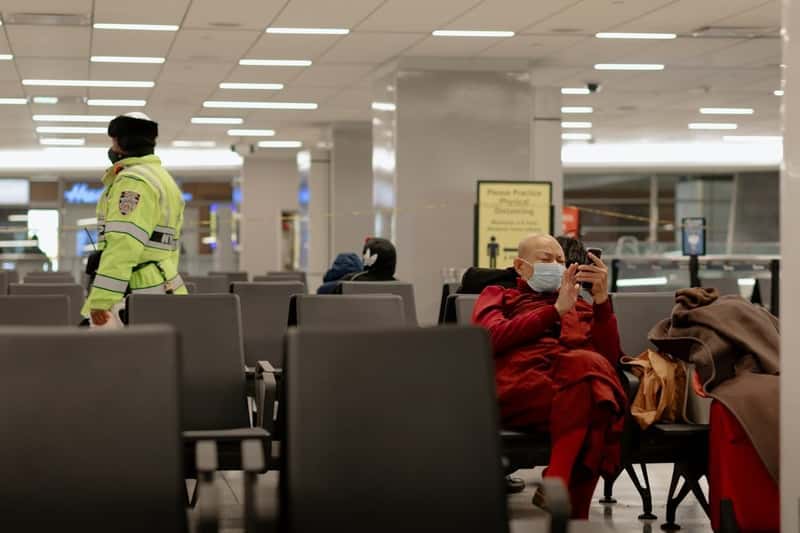
Wearing baggy clothes raises suspicion because security scanners cannot see underneath loose-fitting garments, potentially leading to mandatory pat-down searches. This practical concern stems from genuine security limitations rather than fashion preferences.
While baggy clothes provide comfort for frequent flyers, loose clothing may prompt additional screening as TSA agents cannot determine what travelers might be hiding underneath. Modern security technology addresses some concerns, but physical limitations remain.
TSA agents request the removal of jackets, suit coats, and clothing tied around waists because new body scanners can detect everything regardless of clothing layers, making it crucial to remove all items from pockets. Cooperation with these requests prevents unnecessary complications.
Poor Eye Contact and Unusual Staring Patterns

Common behavioral concerns include a lack of eye contact or displaying what experts call “the thousand-yard stare”. These visual cues often indicate internal stress or preoccupation that security personnel recognize as potentially problematic.
“Widely open staring eyes” and excessive gazing downward both earn points on TSA’s behavioral assessment system, requiring travelers to maintain a natural forward-looking posture. The challenge involves appearing natural without overcorrecting in either direction.
Mastering appropriate eye contact requires balance, as staring too intently at agents also raises red flags, with the recommended approach being to look straight ahead without focusing on anything particular. Natural behavior remains the safest approach through security checkpoints.
Arriving Late and Appearing Disoriented
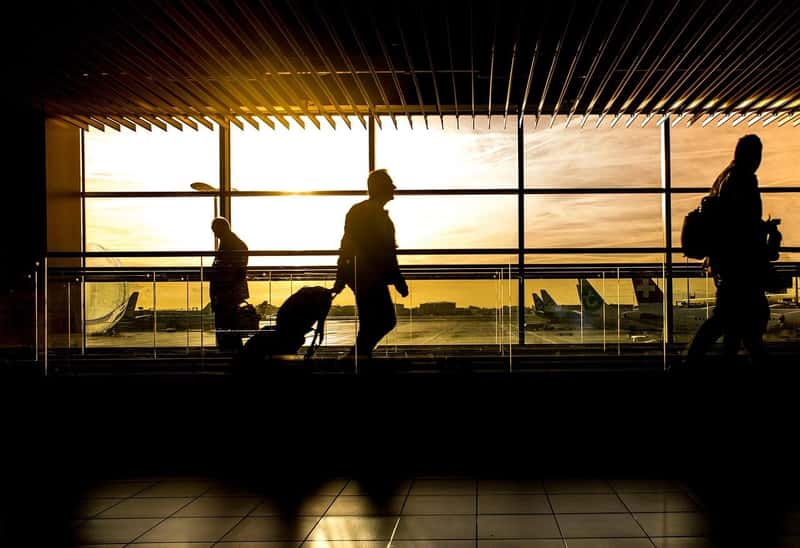
Arriving late or close to departure time while not knowing gate locations earns travelers four points on TSA’s suspicious behavior scale, despite the reality that most delayed passengers naturally feel disoriented. This scoring system reflects security concerns about rushed or unprepared travelers.
Security experts recommend arriving with plenty of time to spare and knowing exactly where you’re going to avoid missing flights while getting acquainted with TSA procedures. Preparation prevents both delays and unwanted scrutiny from security personnel.
Suspicious travel patterns include booking last-minute flights and purchasing one-way tickets without clear return plans, behaviors that prompt additional questioning from security officials. Planning states legitimate travel intentions while reducing screening complications.
Aggressive Behavior and Security Complaints
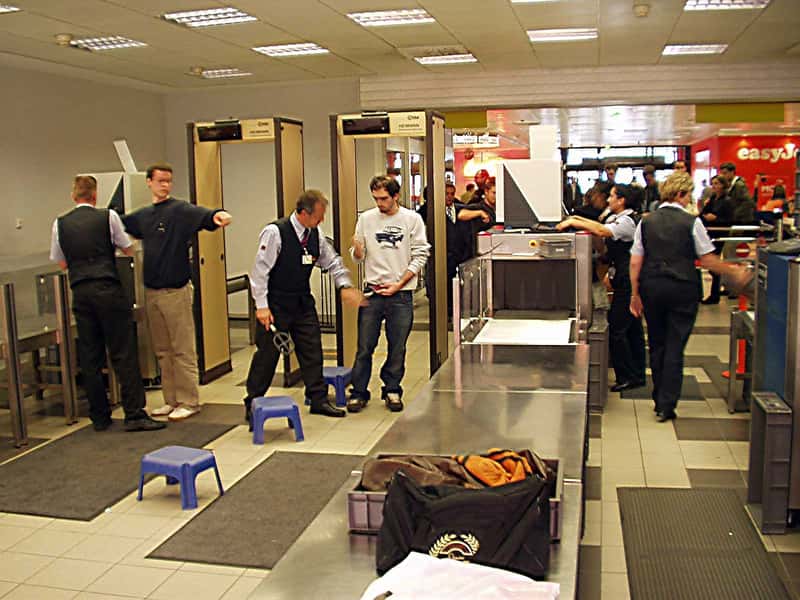
Displaying aggressive or threatening behavior definitely attracts security attention, even when travelers feel upset about screening processes or experience bad travel days. Understanding that security procedures can feel frustrating helps maintain appropriate responses during stressful situations.
Making excessive complaints about screening processes may temporarily remove problematic travelers from TSA lines, though this separation often leads to additional scrutiny rather than expedited processing. Patience proves more effective than vocal protests.
Violence and unruly behavior in transportation systems create significant delays at checkpoints, with TSA, airport personnel, and law enforcement working together to ensure safe travel, as assaulting TSA employees constitutes a federal offense. Cooperation and respect facilitate smoother experiences for everyone involved.
Airport security continues evolving with new technologies and procedures, yet these behavioral patterns consistently raise concerns among trained personnel. TSA’s Behavior Detection program trains agents to identify anomalous behaviors by comparing passenger actions to established baselines, to identify high-risk travelers for additional screening. Maintaining awareness of these triggers while behaving naturally represents the most effective approach to smooth airport security experiences. What behaviors surprised you most on this list?