Something strange happened to the math of the American summer vacation. Airfare climbed, hotel rates crept up, and even a rental car at a mid-size airport now averages well over eighty dollars a day. The average daily rental car rate across 100 U.S. airports was $82.90 for summer 2026, up more than 13% from summer 2025, with rates ranging from $182 a day in Anchorage to $45 a day in Tampa and Jacksonville.[1] Add in food, and the average cost of food for a traveler in the U.S. runs about $58 per day per person, with an average lunch for two costing around $32.[2]
Meanwhile, plenty of travelers are choosing to skip the trip altogether. Only 45% of surveyed Americans said they planned to take a summer holiday involving paid accommodation, the lowest level recorded by the survey in six years, with cost cited as a major reason some are staying home.[3] The irony is that a week spent going nowhere is not exactly free either, and in several countries abroad, a full day of food, a bed, and transportation can cost less than a single restaurant lunch back home.
Vietnam: street food, sleeper buses, and a currency that stretches
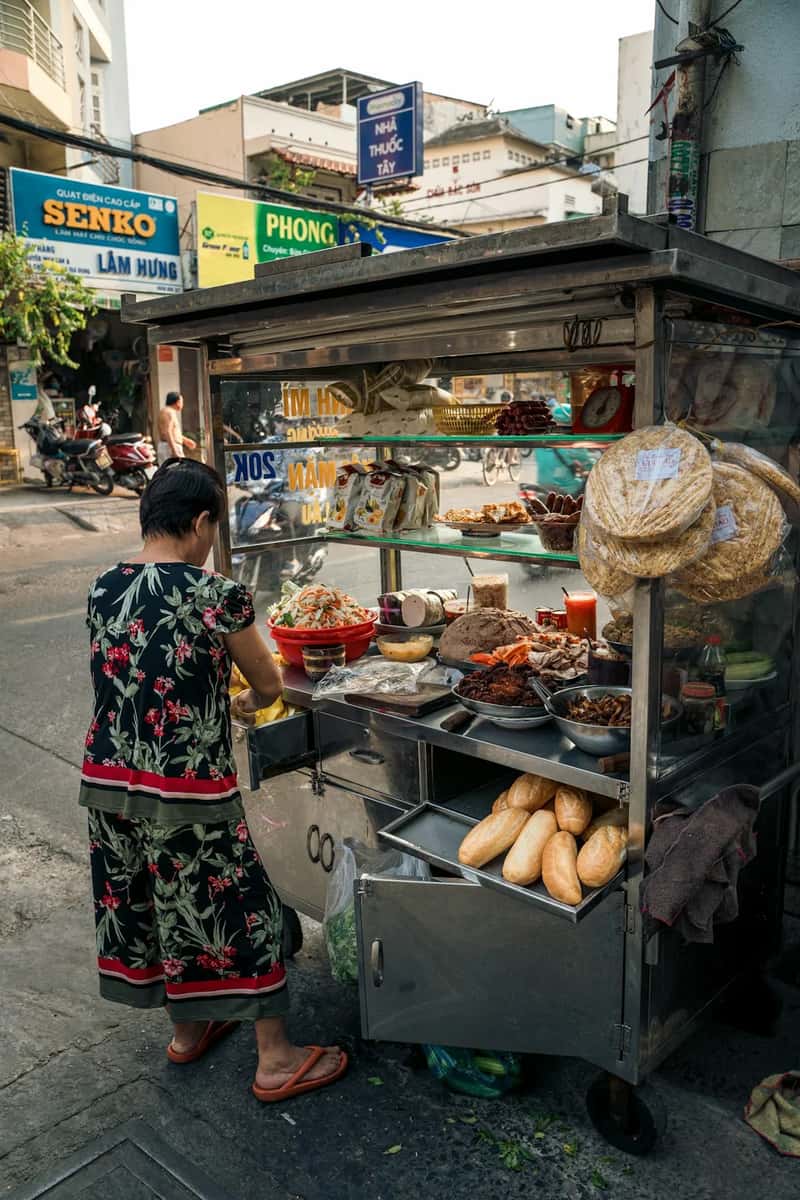
Vietnam remains one of the clearest examples of how far a modest budget can go. A backpacker budget runs $30 to $50 a day, mid-range travel sits at $80 to $150 a day, and a two-week mid-range trip typically totals somewhere between $1,400 and $2,800, not including international flights.[4] That covers dorms or basic hotels, sleeper buses between cities, and the kind of street food stalls that make Hanoi and Ho Chi Minh City famous.
The country is also busier than it has ever been, which is usually a sign that infrastructure has caught up with demand. In 2025, accommodation and catering services revenue grew 14.6%, travel services revenue grew 20.2%, and international arrivals reached 21.2 million, the highest in Vietnam’s tourism history.[4] Even with that growth, a comparable two-week trip still tends to land roughly 15 to 25% below Thailand at similar comfort tiers.[4]
Thailand: beaches and temples without the price tag

Thailand has spent decades earning its reputation as a value destination, and that reputation still mostly holds up. The country combines stunning beaches, colorful temples, vibrant nightlife, and famous cuisine, with backpackers favoring Chiang Mai for its affordable hostels and islands like Koh Samui and Koh Lanta offering good value outside peak season, all on an average daily budget of roughly $35 to $50.[5] Street markets keep individual meals down to just a few dollars, which adds up fast over a two week trip.
The north of the country tends to be the cheapest region to base a trip around. Chiang Mai and Chiang Rai are typically the most budget-friendly areas, with hostel dorms running $6 to $12 a night and basic private rooms landing between $15 and $30.[6] That leaves plenty of room in a modest budget for a cooking class, a day trip into the hills, or a flight down to the islands.
Indonesia: island hopping beyond the Bali crowds

Bali gets most of the attention, but the wider archipelago is where the real savings show up. Beyond Bali’s tourist bubble, islands such as Java, Sulawesi, or Flores offer excellent budget experiences ranging from outdoor adventures to local cultural immersion, with daily budget travelers able to target around $30 per day.[7] That figure covers simple guesthouses, local warungs serving rice and grilled fish, and ferries between islands.
What makes Indonesia interesting for a summer trip is the sheer variety packed into that budget. A traveler can go from volcanic hiking in Java to snorkeling near Flores without the price climbing much, since transport and food stay cheap almost everywhere outside the main resort strips. It is a country built for slow, unhurried travel, which happens to line up well with a tight daily spend.
Portugal: Western Europe at a fraction of the usual cost
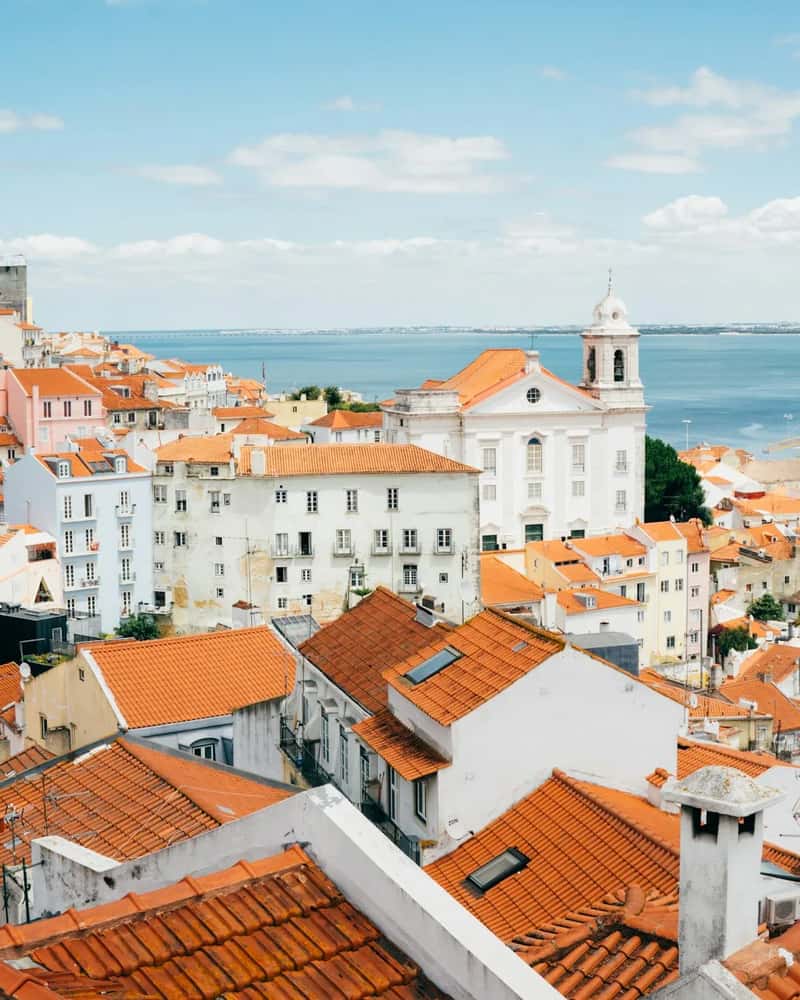
Portugal is the outlier on this list, a Western European country that still manages to undercut its neighbors by a wide margin. Budget travelers spend around $77 a day on average, mid-range travelers spend closer to $189 a day, and a typical traveler spends about $192 a day once accommodation, food, and activities are all included.[8] A one-week trip for two people, based on past traveler spending, works out to roughly $2,682.
A one-week trip to Portugal for two people costs, on average, $2,682.[8]
Compared with the rest of the continent, the gap is not subtle. Portugal is significantly cheaper than London, Paris, or Amsterdam and broadly comparable to Madrid or Athens, with food and transit particularly affordable while accommodation and fine dining sit at standard European prices.[9] For anyone who wants cobblestone streets, seafood, and Atlantic beaches without a Scandinavian price tag, Lisbon and Porto still deliver.
Mexico: a short flight and a much lighter bill
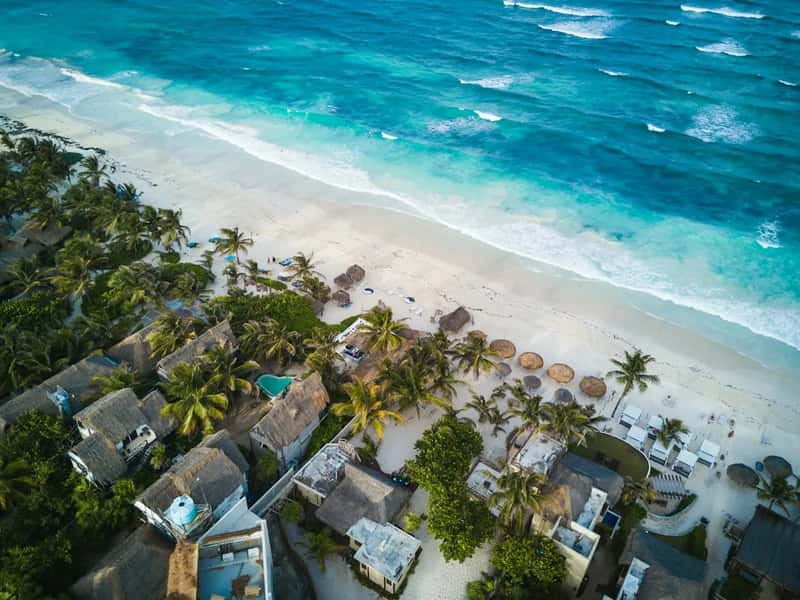
Mexico’s proximity to the United States makes it an easy comparison point, and the savings show up almost immediately after landing. It sits consistently among the affordable destinations in the Americas alongside Guatemala and Colombia[10], and travel writers who track budget destinations regularly place it in the same tier as Vietnam and Thailand for daily spending. In places like Vietnam, Thailand, Nepal, Mexico, or Guatemala, daily costs can be low enough to support longer trips or more comfort, including better hotels, tours, and dining.[10]
Beach towns along the Yucatan or the Pacific coast offer the kind of value that keeps travelers coming back year after year. Local markets, street tacos, and colectivo vans between towns keep daily costs modest even in areas that see heavy tourist traffic. It is the rare destination that offers a short flight time from most of the U.S. and a meaningfully lower cost of living once you land.
Guatemala: colonial towns and volcanoes on a shoestring
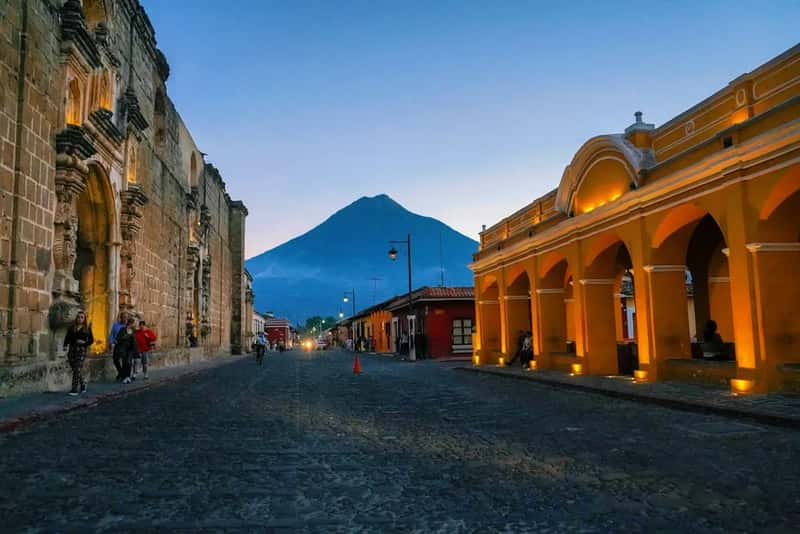
Guatemala rarely gets the attention that Mexico or Costa Rica receive, but the value is arguably better. Vietnam and Guatemala both land in the $25 to $40 a day range for on the ground costs, among the lowest daily budgets tracked for 2026.[10] That covers guesthouses in colonial Antigua, chicken buses between towns, and simple meals built around beans, corn, and eggs.
The country also pairs its low costs with dramatic scenery, which is not something every budget destination can claim. Guatemala blends rich indigenous culture and dramatic natural landscapes with bargain travel costs, making it a standout pick for budget adventurers in Central America.[7] Climbing an active volcano or wandering the ruins at Tikal costs a fraction of what a comparable adventure tour runs in the U.S. national park system.
Colombia: cities, coffee country, and Caribbean coastline
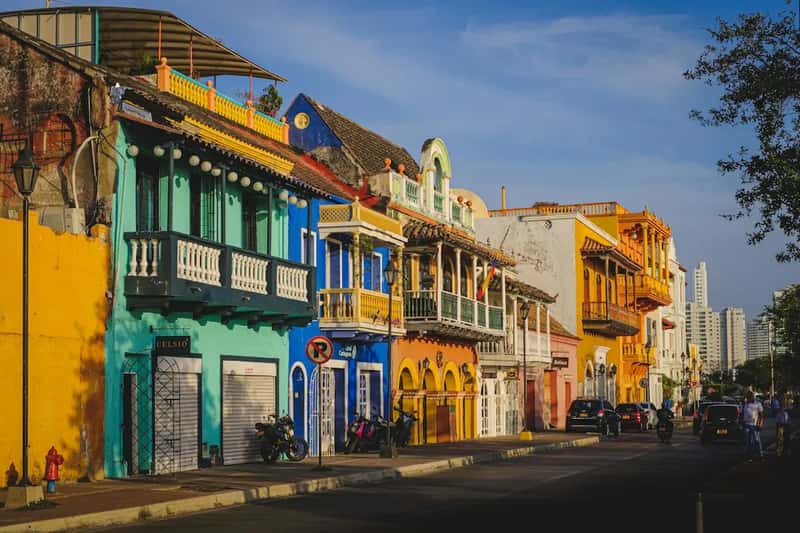
Colombia has spent the last decade rebuilding its image, and budget travelers have taken notice. It now shows up regularly on lists of the best cheap travel destinations, alongside Vietnam, Albania, Georgia, Indonesia, Sri Lanka, and Morocco.[5] Medellín, Cartagena, and the coffee region around Salento all offer a mix of city life, coastline, and mountains without the price climbing much between stops.
For a broader sense of scale, mid-range travel across Latin America tends to fall into a fairly predictable band. A comfortable mid-range trip runs $60 to $120 a day across most of Asia and Latin America, well below the $150 to $300 typical of Western Europe, the U.S., and the Nordics.[11] Colombia sits comfortably inside that range, which makes a two week trip realistic on a budget that would barely cover four or five nights in a mid-size American city.
The bottom line on staying home versus flying out

Set these numbers next to the domestic picture and the contrast is hard to miss. Deloitte’s 2026 research found travelers expect to spend an average of $4,069 on their longest summer trip, an increase of 17% from the previous year.[3] That single figure covers roughly two full weeks in Vietnam, Guatemala, or Indonesia, or close to three weeks in Portugal at a budget traveler’s pace.
None of this means every trip abroad is automatically cheaper than every weekend at home. It does mean that for travelers willing to swap a nearby hotel for a plane ticket, the math in 2026 tilts further toward leaving the country than it has in years.