You’ve probably seen those picture-perfect travel photos flooding your feed. Blue-domed churches perched on cliffs. Ancient temples bathed in golden light. Canals reflecting centuries-old architecture. These iconic destinations spark wanderlust instantly. They look like paradise.
Here’s the thing, though. Those images rarely show what’s happening just outside the frame. The reality behind those dreamy snapshots is increasingly uncomfortable. We’re talking about massive crowds, infrastructure buckling under pressure, and local residents at their breaking point. The travel landscape in 2026 looks very different from what glossy brochures promised a decade ago.
Over the past few years, certain destinations have become victims of their own success. Social media has amplified this problem exponentially, turning once-peaceful spots into overwhelmed tourist traps. So let’s dive in and explore five places where overtourism has reached critical levels.
Venice: The Sinking City Drowning in Visitors
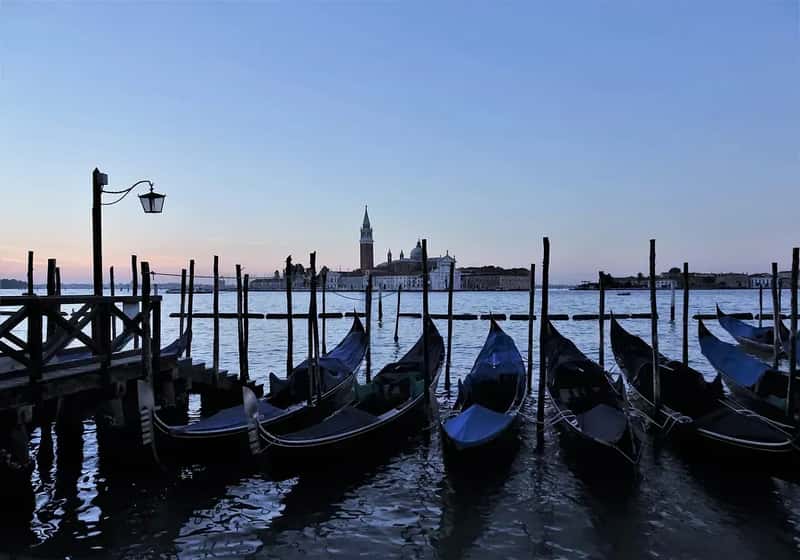
Venice welcomed roughly twelve million visitors in 2024, while its historic core houses fewer than fifty thousand residents. Think about that ratio for a second. On peak days, the city welcomed up to seventy-five thousand day-visitors, creating a scene that feels more like a theme park than a living, breathing city.
Venice began charging day-trippers a new entry fee in April 2024, starting at five euros. The city hoped this would discourage some visitors. It didn’t work. During the twenty-nine dates the initial five euro access fee was in force in 2024, Venice received on average seven thousand more visitors compared to the same days of the previous year. The fee barely made a dent.
With nearly four hundred tourists per day for each Venetian resident, many locals are compelled to leave their homes. The city’s resident population has been hemorrhaging for decades. What remains is increasingly a facade maintained for tourist consumption rather than a genuine community. The city banned large cruise ships in the Venetian Lagoon, and introduced an entry fee for day trippers along with rules restricting large group visits, but these measures feel like putting a band-aid on a hemorrhage.
Barcelona: Where Water Pistols Became Weapons of Protest
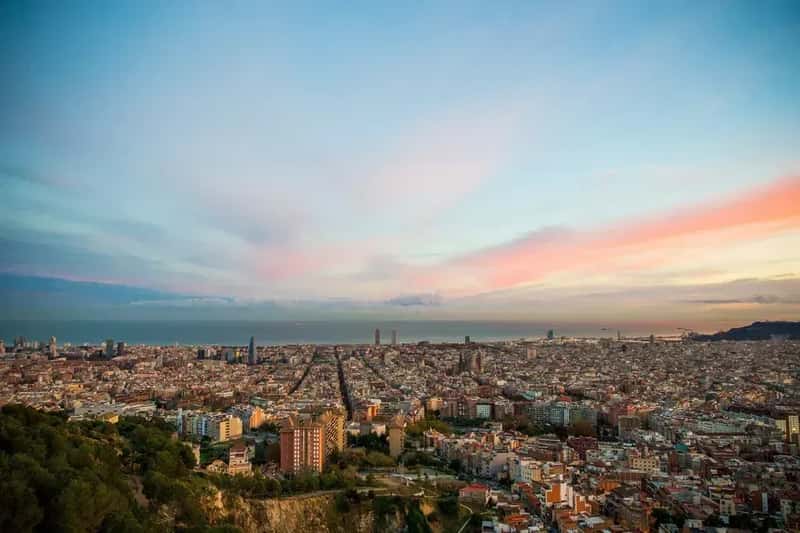
In the summer of 2024, locals in Barcelona ramped up their protest, with thousands gathering to chant “tourists go home” while a small group armed with toy water pistols made headlines by squirting them at visitors seated in outdoor cafes. That image went viral for a reason. It captured perfectly the frustration simmering beneath the surface.
In 2024, Destination Barcelona welcomed over twenty-six million visitors, and the city alone saw eleven point seven million hotel guests between January and November. Barcelona received a total of fifteen point six million tourists in 2024, with a population of just one point six million residents living in the city. The math doesn’t add up for a sustainable urban environment.
In June 2024, Mayor Jaume Collboni announced plans to end short-term rentals in Barcelona by 2028. The rental crisis has become unbearable for locals. Barcelona is the city with the most expensive rent per room in Spain, reaching an average of five hundred fifty euros per month in 2024, while prices in Catalonia rose between ten and eighteen percent year-on-year during the first quarter of 2025.
Among them, one point six million cruise ship passengers arrived in transit in 2024, with the majority coming ashore in the morning, touring the city, and returning by late afternoon, creating crowds at places like La Rambla street and the Gothic quarter. These day-trippers contribute little to the local economy but add massively to congestion.
Santorini: Paradise Lost to Instagram Fame
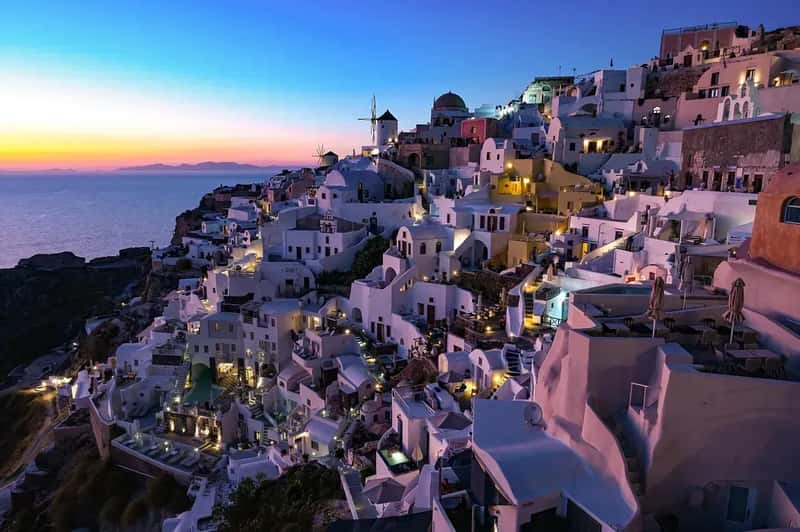
Santorini has become synonymous with overtourism in Greece. The island hosted roughly three point four million tourists in 2023, double the count from ten years ago, with the ratio reaching over one hundred tourists per resident. Daily density tops two hundred visitors per square kilometer on the seventy-six square kilometer island, with crowds in Oia and Fira reaching one thousand people at peak times.
Honestly, 2025 threw Santorini a curveball. More than twenty-three thousand to thirty thousand earthquakes shook the island from January to March, with the strongest quake reaching magnitude five point three. Bookings dropped twenty-three percent for hotels and nine percent for flights in March 2025, with total attendance falling around thirty percent in the following months.
Kyoto: When Ancient Traditions Meet Modern Tourism
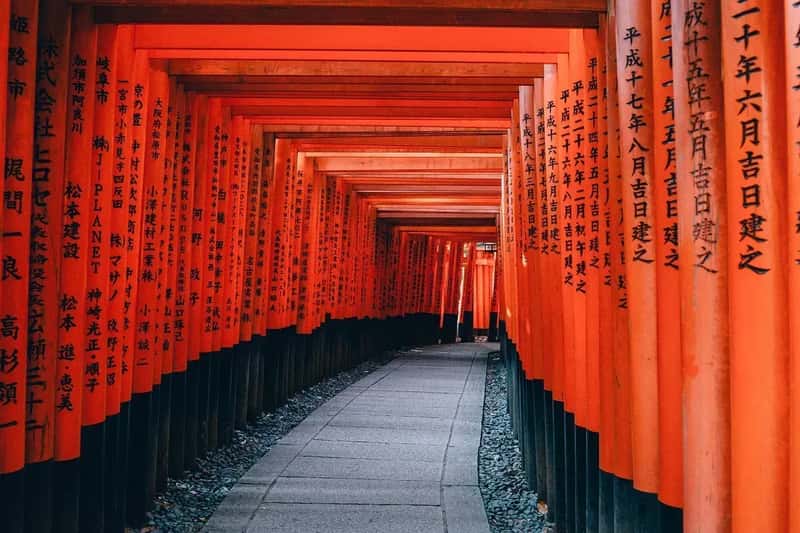
Kyoto has a population of about one point four million, and in 2024, the city drew ten point eighty-eight million foreign visitors, with roughly one hundred fifty thousand people visiting every day. That’s separate from domestic Japanese tourists, by the way. According to Kyoto City officials, a combined total of more than fifty-six million international and domestic tourists visited the historic city in 2024.
The number of foreign visitors to Japan in April 2025 hit a single-month record of three point ninety-one million, while May saw three point seven million, a record for that month, bringing total foreign arrivals from January to May to eighteen point one million, up nearly twenty-four percent from the same period in 2024. There’s no sign of this slowing down.
The strain on local life is palpable. In Kyoto, public transportation has become overcrowded, making it difficult for residents to commute, while increased accommodation within urban areas has led to noise pollution and waste management challenges. Historic areas like Gion face issues with tourist overcrowding, leading to restricted access on certain streets, with the city beginning to limit access to private streets in Gion in 2024, with clear signs and fines for trespassers.
I think what’s most striking about Kyoto is the clash between its sacred, centuries-old cultural heritage and the selfie-stick wielding masses. The city has tried implementing quiet measures like promoting early-morning temple visits and highlighting lesser-known neighborhoods, but these feel inadequate against the tsunami of visitors arriving daily.
Amsterdam: Taxing Tourists to the Max
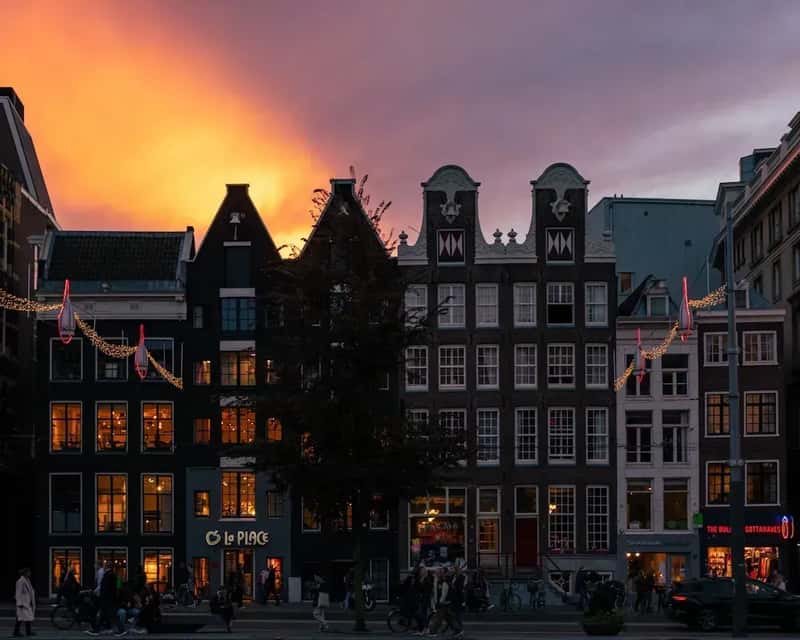
Amsterdam has taken perhaps the most aggressive stance against overtourism among European cities. In September 2025, the city announced the daily fee for cruise ship day visitors would go from eight to eleven euros.
The Dutch capital has been brutally direct about who it doesn’t want. In 2023, tourism officials in Amsterdam weren’t shy about taking aim at one particular demographic – young British males – as “nuisance tourists” who are not welcome. That’s a remarkable statement from a city that has built its economy partly on tourism revenue.
Amsterdam now charges the highest tourist taxes in Europe. The city has essentially declared war on budget travelers and day-trippers, hoping to attract fewer but higher-spending visitors. Whether this strategy works remains to be seen, though early data suggests tourist numbers continue climbing regardless.
The situation extends beyond just visitor numbers. Local housing has become unaffordable as properties convert to short-term rentals. Traditional neighborhoods have morphed into tourist zones. The character that made Amsterdam attractive in the first place is being eroded by the very success of its tourism industry.
What This Means for Your Travel Plans
So here we are. These five destinations represent just the tip of the iceberg. Concerns related to overtourism and extreme weather conditions are predicted to cause a significant shift in destination preferences, with over a quarter of respondents in a 2024 European survey intending to avoid visiting overcrowded destinations.
The travel industry stands at a crossroads. Destinations are implementing entry fees, visitor caps, and stricter regulations. Some are working. Most aren’t making much difference. Overtourism is poised to remain a critical challenge for visitors, residents and affected destinations.
If you’re planning to visit any of these places, consider traveling during shoulder seasons, respecting local regulations, supporting small businesses rather than chains, and spending more time in fewer places. Better yet, explore alternatives. Europe and Asia have countless stunning destinations that don’t appear on everyone’s Instagram feed.
The question isn’t whether these places are worth visiting. They absolutely are. The question is whether visiting them right now, in their current overcrowded state, provides the experience you’re actually seeking. Sometimes the best travel decision is knowing when to skip the famous spot and discover something unexpected instead. What do you think? Have you experienced overtourism firsthand at any of these destinations?