Florida has been the go-to retirement dream for decades. Sun, beaches, no state income tax. It practically sells itself. Yet something has shifted in a big way, and thousands of retirees are quietly crossing Florida off their list. Rising insurance bills, hurricane threats, and a cost of living that keeps creeping upward have forced many people to rethink everything they thought they knew about retiring in the Sunshine State.
Florida landed at 41st place in Bankrate’s 2025 Best and Worst States to Retire study, with poor healthcare rankings, high insurance costs, and natural disaster risks as the main culprits. Honestly, that ranking might surprise a lot of people who have been planning a Florida retirement for years. The good news? There are some seriously compelling alternatives out there, ones that might actually serve your retirement far better. Let’s dive in.
1. New Hampshire: The Overlooked Champion
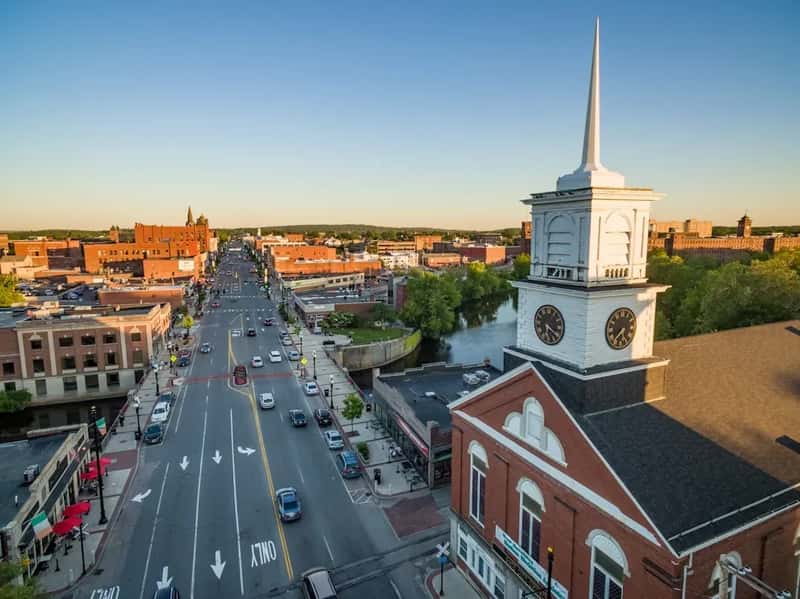
Most people would not exactly daydream about retiring in New Hampshire, but the data says you should. According to Bankrate’s 2025 Best and Worst States to Retire Study, New Hampshire took the top overall spot, unseating the previous year’s leader, Delaware, which fell to 11th overall. That’s not a small deal. This is the state sitting at the very top of the pile.
Despite a low ranking for weather (40th), New Hampshire excelled in nearly every other category, ranking first for neighborhood safety, fifth for healthcare, sixth for taxes, and seventh for having a large community of similar-aged residents. For retirees who prioritize peace of mind over palm trees, that combination is hard to beat.
New Hampshire previously taxed interest and dividend payments, but that tax has been fully repealed starting with the 2025 tax year. So the financial picture there just got even better. There are no sales taxes either, which quietly saves a lot of money on daily purchases. I think this state is genuinely one of the most underrated retirement decisions a person can make right now.
2. Maine: Where 23% of Residents Are Already Over 65

Maine’s strongest attribute is its senior population. A remarkable 23% of residents are 65 or older, which makes for a deeply retirement-friendly community. The state ranked second for safety, third for healthcare, and fourth for arts and entertainment in Bankrate’s 2025 study. That’s an impressive lineup of qualities for anyone planning their next chapter.
Here’s the thing: being surrounded by people in a similar stage of life matters more than most financial calculators account for. Social connection is genuinely tied to health outcomes in older adults, and Maine delivers that naturally. Like its neighbor New Hampshire, Maine did score poorly on weather (41st) due to limited sunshine, but it more than compensates through its other category strengths.
Maine does not tax Social Security income, which is a significant relief for retirees on fixed income. The coastal scenery, the slower pace of life, and the genuine sense of community in small Maine towns create something that is honestly harder to put a price on. It’s not for everyone, but for those craving authenticity over amenities, Maine makes a compelling case.
3. Wyoming: The Financial Powerhouse Nobody Talks About

Wyoming is the best state for retirement according to WalletHub’s 2026 rankings, largely due to affordability. Adjusted for retirees’ needs, Wyoming’s cost of living falls in the more affordable half of the nation. The state is considered highly friendly to retired taxpayers and also offers the added benefit of no estate or inheritance tax. It also has the fifth-lowest annual cost of homemaker services in the nation.
Wyoming topped the taxes category in Bankrate’s study, in part because it has no individual income tax, and ranked 4th in overall affordability. It also performed strongly in neighborhood safety (7th) and arts, entertainment and recreation (10th). That’s a genuinely well-rounded retirement package, especially for those watching their fixed income closely.
Think of Wyoming like a quiet investment that keeps paying dividends. In Wyoming, which has no income tax along with low sales and property taxes, retirees can expect to have a relatively small overall tax liability. It’s hard to say for sure that Wyoming suits every personality type, given its vast open spaces and sometimes harsh winters, but financially speaking, few states come close.
4. Vermont: Number One for Healthcare and Arts

Vermont fared poorly on weather, ranking 43rd and showing the second-lowest levels of sunlight exposure on average. However, several very strong category performances turned things around. Vermont topped the arts category with the most venues per capita and was also the best state for healthcare in the entire country. That combination is remarkable for a state that fits inside Florida four times over.
Vermont ranked first for healthcare and first for arts and culture venues per capita. It also placed second for the proportion of older residents and 12th for affordability. For retirees who want vibrant cultural life and top-tier medical access, Vermont punches well above its weight. Theater, music, museums, and galleries are not what you’d expect in a small northeastern state, yet Vermont delivers.
The weather will require a warmer coat, no question about it. Still, if avoiding hurricanes, skyrocketing homeowners insurance, and overcrowded emergency rooms are priorities, Vermont’s tradeoffs start to look rather reasonable. States with high healthcare rankings for seniors include Massachusetts, Minnesota, and Connecticut, but Vermont sits above them all in at least one major national study. That’s worth paying attention to.
5. South Carolina: The Affordable Coastal Alternative

Retiring in South Carolina provides an affordable alternative to Florida and North Carolina, with a $15,000 retirement income deduction for those 65 and older, no Social Security tax, and a cost of living that is 11% below the national average. Eleven percent below average is not a rounding error. That is real, tangible money staying in your pocket every single month.
South Carolina still offers stunning coastal scenery with miles of pristine beaches, alongside proximity to major cities. Think about places like Hilton Head, Myrtle Beach, or the historic charm of Beaufort. You get the beach retirement lifestyle without Miami pricing or Tampa hurricane risk. It’s like Florida 20 years ago, before things got complicated.
Delaware and South Carolina both offer much lower property tax rates than other states, making homeownership there significantly more budget-friendly for retirees. South Carolina consistently comes up as an affordable alternative for retirees who want coastal living without the Florida price tag. It’s an honest-to-goodness hidden gem that more people need to know about.
6. Georgia: Warm Weather, Generous Tax Breaks, and 676 Retirement Communities

Retiring in Georgia offers warm weather without the same extreme heat and humidity found across most of Florida. The state provides up to $65,000 in retirement income deduction for those 65 and older, mild winters, and is home to 676 retirement communities. That is one of the most generous retirement income deductions in the entire country, full stop.
Retirees appreciate Georgia’s low cost of living, favorable tax policies, and diverse landscapes, from beaches to mountains, offering plenty of opportunities for leisure activities. With charming historic towns, vibrant cities like Atlanta, and numerous retirement communities, Georgia provides retirees with a fulfilling lifestyle and access to essential amenities.
Georgia is a state that feels like a well-kept secret, especially for people coming from Florida. You still get genuine Southern warmth, world-class food culture, and milder summers than you’d expect. Georgia does not tax Social Security income, so between the Social Security exemption and that substantial $65,000 retirement income deduction, the tax advantages here are remarkably real. What’s not to like?
7. Delaware: The Coastal Gem with No Sales Tax

Delaware is still a bit of a hidden gem for retirees, with many overlooking the stunning coastal scenery with miles of pristine beaches and proximity to major cities like Philadelphia, Baltimore, and Washington, D.C. Coastal towns like Rehoboth, Bethany, Dewey, and Lewes offer seaside living. It’s a genuinely underrated option that checks almost every box.
Delaware has no state or local sales taxes, which is one of only four states in the nation to offer that benefit. For a retiree on a fixed income, avoiding sales tax on daily purchases adds up to meaningful savings across a year. Pair that with low property taxes and you have a very budget-conscious coastal retirement destination.
Delaware residents receive some of the highest average Social Security monthly checks in the nation, averaging $2,170.63 per month, reflecting the higher lifetime earnings of the workforce there. The state also consistently ranks as one of the safest states in the nation, providing retirees with peace of mind in their retirement years. Small, safe, coastal, and tax-light. Delaware deserves far more credit than it gets.
8. Arizona: Sun Without the Hurricane Risk

If what you truly love about Florida is the sunshine and the warmth, then Arizona might be the honest answer you’ve been looking for. Arizona retirement attracts retirees with its dry, sunny climate and 151 retirement communities. Social Security income is not taxed, year-round outdoor activities abound, and a dry climate is ideal for those who don’t do well with humidity.
Colorado ranks highly for retirees who prefer mountains over beaches, and although Colorado residents face high sales tax, property taxes are lower than in many other states. Arizona shares some of those Western state advantages while adding world-class desert scenery, golfing, and an enormous established retirement community culture. Places like Scottsdale, Tucson, and Sun City have been perfecting the retirement formula for generations.
There are no hurricanes in Arizona. No flood insurance nightmares. No emergency evacuations. Florida’s vulnerability to hurricanes, flooding, and extreme heat makes climate resilience a top concern, and powerful storms like Hurricanes Helene, Milton, and Debby have altered significant parts of the state in recent years. Arizona offers you sun and warmth without waking up in September wondering if you need to board your windows. That peace of mind is worth something.
9. Massachusetts: The Surprising New Retirement Leader

This one genuinely surprised veteran retirement experts, and I think it will surprise you too. Massachusetts was the number one destination for older adults moving to a new state specifically for retirement in 2024, edging out perennial favorite Florida, according to moving-services marketplace Hire A Helper’s latest report. The analysis found that just over 20 percent of those moving for retirement chose Massachusetts, while Florida drew slightly under 20 percent.
Familiarity from past travel is a big factor driving retirees to Massachusetts. People who visited Cape Cod or the Berkshires during their working years often choose to resettle there rather than traditional retirement destinations such as Florida or Arizona. There’s something deeply human about that pattern. Memories matter. Belonging to a place matters.
States with high healthcare rankings for seniors include Massachusetts, Minnesota, and Connecticut. Massachusetts in particular is home to some of the most advanced medical institutions in the world, including world-renowned hospitals in Boston. For retirees who prioritize healthcare access above all else, that is not a small factor. Climate and home insurance concerns are diverting some retirees away from Florida to other parts of the country, and Massachusetts is clearly benefiting from that shift in a significant way.
Why Florida Is Losing Ground With Retirees

It’s worth understanding exactly why this shift is happening. While many living costs in Florida are around or below the national average, the state is a notoriously challenging market for homeowners insurance due to risks of wind, flood, and hurricane damage. According to Bankrate, the average cost of homeowners insurance in Florida is $5,695 per year for a $300,000 dwelling. That is more than double the national average.
According to financial data firm Intercontinental Exchange, property insurance rates average $6,225 a year in Miami and $3,602 in Tampa, compared to a national average of $2,290. For someone on a fixed income, that difference alone could reshape an entire retirement budget. In 2024, Florida’s property market started to struggle due to higher mortgage rates, increasing property insurance costs, severe weather, and slow job growth.
Florida, despite its popularity among retirees, ranks among the lowest in economic strength due to rising living costs and high senior poverty rates. Property taxes are relatively low at 0.79%, but rising living costs mean retirees need about $685,000 in savings to live comfortably in Florida. That is a significant savings threshold that many Americans simply cannot meet. The dream is real, but the math doesn’t always add up.
Conclusion

The idea that Florida is the automatic best choice for retirement is genuinely outdated at this point. The data from Bankrate, WalletHub, Hire A Helper, and multiple independent research sources all point in the same direction: retirees are diversifying their thinking, and good alternatives are everywhere. From the tax-free simplicity of Wyoming to the healthcare excellence of Vermont, from the coastlines of South Carolina to the surprising momentum of Massachusetts, the retirement map has expanded dramatically.
Choosing where to retire is arguably one of the biggest financial and lifestyle decisions of a lifetime. Today’s retirees are weighing more than just warm weather when choosing where to live. Safety, healthcare access, affordability, and overall quality of life are playing a much larger role in the decision-making process. That shift in thinking is smart, mature, and increasingly supported by real evidence.
So the real question is this: when you picture your ideal retirement, are you picturing Florida specifically, or are you picturing the feeling that Florida used to represent? Because that feeling? You can find it in a lot of places. What do you think about it? Tell us in the comments.